Wellness Wear: 3 Innovative Fabric Technologies Driving New Comfort and Style Trends in the US for 2026

Wellness Wear: 3 Innovative Fabric Technologies Driving New Comfort and Style Trends in the US for 2026
The landscape of fashion is ever-evolving, and perhaps no sector is experiencing a more profound transformation than wellness wear. Gone are the days when comfort meant sacrificing style, or performance apparel was limited to the gym. Today’s consumers demand more: clothing that supports their holistic well-being, adapts to their dynamic lifestyles, and aligns with their values. As we look ahead to 2026, the United States market is poised for an explosion of innovation in wellness wear fabrics, driven by groundbreaking textile technologies that promise unprecedented levels of comfort, functionality, and sustainability. This article delves into three pivotal fabric technologies that are not just trends, but foundational shifts, redefining what we expect from our everyday attire.
The concept of wellness wear extends far beyond traditional activewear. It encompasses garments designed for relaxation, recovery, mindful movement, and even sleep, all with an underlying emphasis on enhancing the wearer’s physical and mental state. This burgeoning market segment is fueled by a growing global focus on health and well-being, coupled with advancements in material science that were once the stuff of science fiction. From fabrics that actively regulate body temperature to those that minimize environmental impact, the future of wellness wear is here, and it’s more exciting than ever before.
The Rise of Smart Textiles: Beyond Basic Performance
For years, performance fabrics have been a staple in athletic apparel, offering features like moisture-wicking and quick-drying properties. However, the next generation of wellness wear is pushing these boundaries significantly further, integrating ‘smart’ capabilities that respond dynamically to the wearer’s environment and physiological needs. These aren’t just fabrics; they are intelligent systems woven into the very threads of our clothing, designed to optimize comfort and performance in ways previously unimaginable.
One of the most exciting developments in this area is the integration of bio-feedback mechanisms. Imagine a yoga top that subtly adjusts its breathability based on your heart rate, or sleepwear that monitors your sleep cycles and offers micro-vibrations to encourage deeper rest. While some of these applications are still in their nascent stages, the underlying fabric technologies are rapidly maturing. Companies are investing heavily in textiles embedded with micro-sensors, conductive threads, and even microscopic actuators that can change the fabric’s properties in real-time. This level of personalized responsiveness is set to revolutionize how we interact with our clothing, transforming garments from passive coverings into active partners in our wellness journey.
Moreover, the aesthetic appeal of these smart textiles is also evolving. Early iterations of smart clothing often suffered from bulky components or an overtly ‘techy’ look. However, designers and material scientists are now collaborating to create seamless integrations, ensuring that the advanced functionality is discreetly embedded within stylish, comfortable, and aesthetically pleasing wellness wear fabrics. The goal is to make these intelligent garments indistinguishable from high-end fashion, blurring the lines between technology and everyday apparel.
The ethical implications and data privacy concerns associated with bio-feedback clothing are also being addressed. As these technologies become more prevalent, manufacturers are working to implement robust security measures and transparent data usage policies, ensuring consumer trust and adoption. This holistic approach, considering both technological advancement and user confidence, will be crucial for the widespread success of smart textiles in the wellness wear market.
1. Advanced Moisture Management: The Evolution of Dryness and Comfort
Moisture-wicking fabrics have been a cornerstone of activewear for decades, but the next wave of innovation in wellness wear takes this concept to an entirely new level. We’re moving beyond simply moving sweat away from the skin; the focus is now on creating fabrics that actively manage moisture, optimizing microclimates, and enhancing overall comfort for extended periods, regardless of activity level.
Hydrophobic and Hydrophilic Fiber Blends
Traditional moisture-wicking fabrics often rely on synthetic fibers like polyester, which excel at capillary action to draw moisture to the surface. However, new wellness wear fabrics are utilizing sophisticated blends of hydrophobic (water-repelling) and hydrophilic (water-attracting) fibers in strategic patterns. This dual-action approach not only pulls moisture away from the skin but also spreads it rapidly across a larger surface area for faster evaporation, without the fabric feeling saturated.
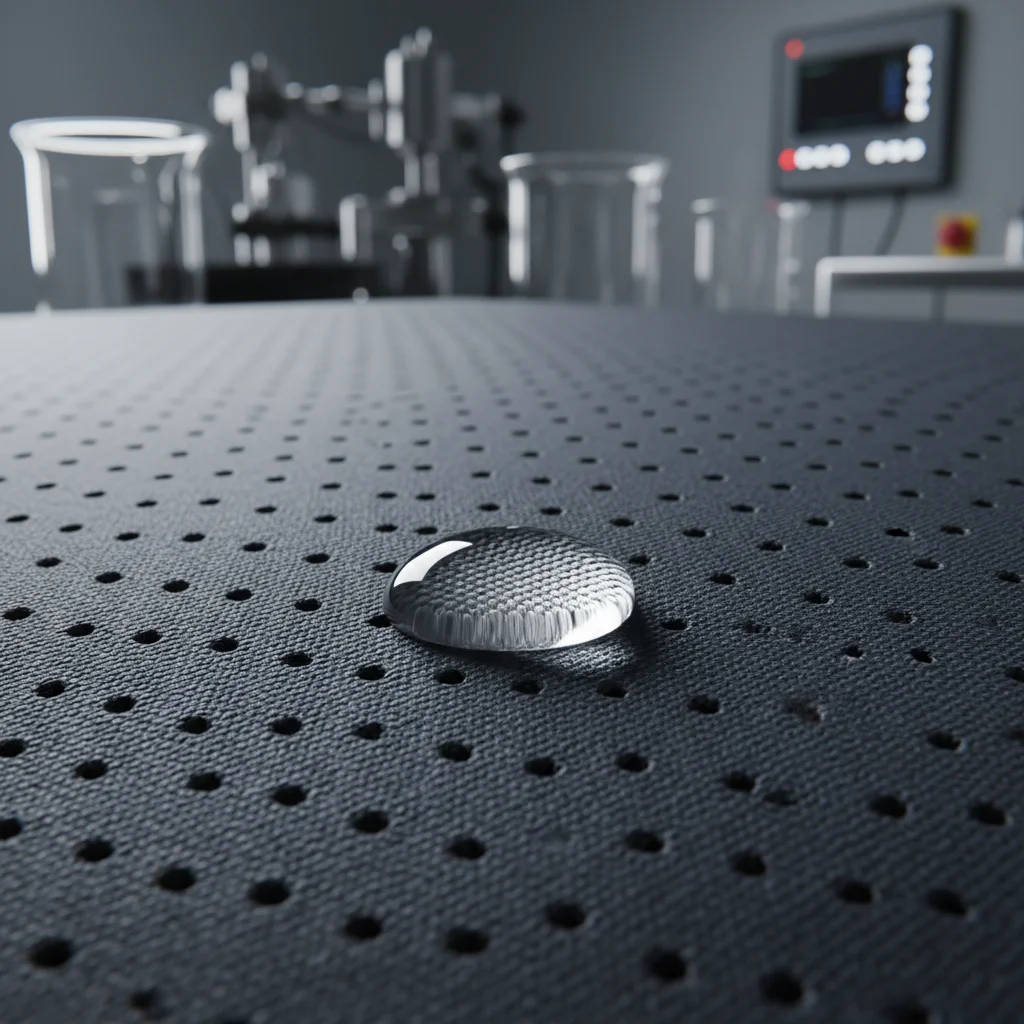
Consider the engineering behind these textiles: inner layers might feature highly absorbent, quick-drying fibers to draw sweat, while outer layers are designed to be more breathable and quick-evaporating. Some innovative structures even incorporate channels or micro-perforations within the fabric weave itself to create airflow and facilitate moisture transport. This intricate design ensures that the wearer remains dry and comfortable, whether they’re engaged in an intense workout, commuting to work, or simply relaxing at home.
Phase-Change Materials for Dynamic Moisture Control
A truly revolutionary advancement in moisture management involves the integration of Phase-Change Materials (PCMs) within the fabric. PCMs are substances that absorb and release thermal energy during the process of melting and freezing. When incorporated into textiles, they can actively regulate the microclimate next to the skin. For example, as your body temperature rises and you begin to sweat, PCMs can absorb excess heat, delaying the onset of perspiration. Conversely, as you cool down, the PCMs release stored heat, preventing chills.
While primarily known for their temperature-regulating properties (which we’ll discuss further), PCMs also play a crucial role in moisture management by stabilizing the skin’s temperature, thereby reducing the body’s need to produce excessive sweat. This proactive approach to thermoregulation minimizes the amount of moisture that needs to be wicked away, leading to a more consistently comfortable and dry feeling. By 2026, we expect to see PCMs become a more common feature in premium wellness wear, offering a new dimension of smart comfort.
Sustainable and Bio-Based Moisture-Wicking Solutions
Beyond performance, sustainability is a key driver in the evolution of moisture management. The industry is actively seeking alternatives to petroleum-based synthetic fibers. Bio-based synthetic fibers, derived from corn, sugarcane, or castor beans, are emerging as promising contenders. These materials can offer similar performance characteristics to traditional synthetics but with a reduced environmental footprint.
Furthermore, natural fibers are also getting a high-tech makeover. Cotton, often criticized for its slow drying time, is being engineered at a molecular level to enhance its wicking capabilities. Blends of cotton with advanced cellulosic fibers like Tencel™ Lyocell and Modal, known for their exceptional moisture absorption and breathability, are also gaining traction. These blends offer the best of both worlds: the natural feel and comfort of plant-based fibers combined with superior moisture management, making them ideal for the discerning wellness wear consumer.
2. Advanced Temperature Regulation: Adapting to Every Environment
The ability of clothing to adapt to fluctuating temperatures and maintain optimal body temperature is paramount for wellness, impacting everything from athletic performance to sleep quality. The next generation of wellness wear fabrics is designed to be truly adaptive, providing dynamic thermal comfort that responds to the wearer’s needs and external conditions.
Phase-Change Materials (PCMs) for Proactive Thermoregulation
As mentioned earlier, Phase-Change Materials (PCMs) are at the forefront of adaptive temperature regulation. These smart materials, often encapsulated within fabric fibers or applied as coatings, have the unique ability to absorb, store, and release latent heat. When the body temperature rises, the PCMs absorb the excess heat, storing it as they transition from a solid to a liquid state (melting). This creates a cooling sensation and helps to prevent overheating and excessive sweating.
Conversely, when the ambient temperature drops, and the body begins to cool, the PCMs solidify, releasing the stored heat back to the wearer. This process provides a gentle warming effect, preventing chills and maintaining a stable, comfortable microclimate. The beauty of PCMs is their passive yet proactive nature; they don’t require external power and respond automatically to temperature changes, making them ideal for wellness wear that needs to perform across a range of activities and environments, from intense workouts to relaxed leisure.
Applications for PCM-infused fabrics are vast, including activewear for all seasons, sleepwear designed to optimize sleep temperature, and even everyday clothing for commuters who experience significant temperature shifts throughout their day. By 2026, expect to see these intelligent textiles move beyond niche performance markets into mainstream wellness wear, offering unparalleled thermal comfort.
Thermo-Responsive Yarns and Weaves
Another exciting development lies in thermo-responsive yarns and fabric structures that physically change in response to temperature. Some advanced synthetic fibers are engineered to expand or contract their porous structure when exposed to different temperatures. For instance, in warmer conditions, the fibers might expand, opening up the fabric’s weave to increase airflow and breathability. In colder conditions, they might contract, creating a denser, more insulating barrier to trap warmth.
This dynamic structural change allows the garment to actively breathe more or less, providing a self-regulating system for thermal comfort. Such innovations move beyond simple layering, offering a single garment that can adapt to a wider range of temperatures and activity levels. These smart weaves represent a significant leap forward in creating truly versatile wellness wear fabrics that can keep pace with unpredictable weather and varying personal thermoregulation needs.
Bio-Mimicry and Natural Fiber Enhancements
Nature has perfected temperature regulation over millennia, and textile scientists are increasingly looking to bio-mimicry for inspiration. For example, research into animal furs and plant structures that efficiently manage heat and moisture is leading to the development of new fiber cross-sections and fabric constructions. These designs aim to replicate nature’s ability to create insulating air pockets or facilitate rapid heat dissipation.
Furthermore, natural fibers like merino wool, known for its inherent thermoregulating properties, are being enhanced through advanced processing. Ultrafine merino wool, for instance, offers exceptional next-to-skin comfort, breathability, and natural odor resistance, making it an ideal choice for premium wellness wear. Blends of merino with tencel or silk further amplify these properties, creating luxurious yet highly functional fabrics that are both comfortable and sustainable.
3. Sustainable and Circular Fabric Solutions: Fashion with a Conscience
The environmental impact of the fashion industry is a pressing global concern, and the wellness wear sector is at the forefront of adopting sustainable and circular fabric solutions. Consumers are increasingly demanding transparency and ethical production, driving innovation in eco-friendly materials and manufacturing processes. By 2026, sustainable wellness wear fabrics will be the norm, not the exception.
Recycled and Upcycled Materials
The use of recycled materials, particularly recycled polyester (rPET) derived from plastic bottles and recycled nylon from fishing nets and industrial waste, has become widespread. However, the next step involves greater sophistication in recycling processes and the broader adoption of upcycling. Upcycling involves transforming discarded materials into new products of higher quality or environmental value.
Innovations include chemical recycling methods that break down synthetic fibers to their molecular level, allowing them to be re-polymerized into virgin-quality fibers indefinitely. This creates a truly closed-loop system, significantly reducing the demand for new petroleum-based resources. Furthermore, brands are exploring upcycling textile waste from their own production lines, turning scraps into new yarns or embellishments, thereby minimizing landfill contributions and maximizing resource efficiency.
Bio-Based and Regenerative Fibers
Beyond recycling, there’s a strong push towards bio-based and regenerative fibers. These materials are derived from renewable natural resources, significantly reducing reliance on fossil fuels. Examples include:
- Tencel™ Lyocell and Modal: These cellulosic fibers are made from sustainably sourced wood pulp through an environmentally responsible closed-loop process that recycles water and solvents. They offer exceptional softness, breathability, and moisture management, making them perfect for wellness wear.
- Hemp and Organic Cotton: Cultivated with minimal water and no harmful pesticides, organic cotton and hemp are gaining popularity for their natural feel, durability, and reduced environmental footprint. Advances in processing are making hemp softer and more pliable, expanding its applications in apparel.
- Piñatex (Pineapple Leaf Fiber): An innovative leather alternative made from the cellulose fibers of pineapple leaves, Piñatex is a sustainable, cruelty-free material that diverts agricultural waste. While currently used more for accessories, its potential in specialized wellness wear components is being explored.
- Mushroom Leather (Mycelium-based): Materials grown from mycelium (the root structure of mushrooms) are emerging as highly sustainable alternatives to traditional leather, offering biodegradability and a significantly lower environmental impact.
The focus on regenerative agriculture practices, which aim to restore soil health and biodiversity, is also influencing material sourcing. Wellness wear fabrics derived from fibers grown using regenerative methods offer a net positive environmental impact, actively contributing to ecological restoration rather than merely reducing harm.
Dyeing Innovations and Water Conservation
The dyeing process in textile manufacturing is notoriously water and chemical-intensive. However, significant innovations are addressing this challenge. Technologies like:
- Dyeing without Water: Supercritical CO2 dyeing uses pressurized carbon dioxide instead of water as the dyeing medium, virtually eliminating water usage and significantly reducing chemical waste.
- Natural Dyes: Utilizing plant-based dyes derived from sources like indigo, madder root, and turmeric offers a more eco-friendly alternative to synthetic dyes, often with beautiful, unique color variations.
- Digital Printing: This method applies dye directly to the fabric only where needed, reducing water and dye waste compared to traditional printing techniques.
These advancements are making the entire production lifecycle of wellness wear more sustainable, from fiber to finished garment, ensuring that comfort and style don’t come at the expense of the planet.
The Intersection of Technology, Comfort, and Style
The future of wellness wear in the US for 2026 is undoubtedly exciting, marked by a convergence of cutting-edge fabric technologies, an unwavering commitment to sustainability, and an ever-increasing demand for holistic well-being. The three innovative fabric technologies discussed – advanced moisture management, dynamic temperature regulation, and sustainable circular solutions – are not isolated developments. Instead, they often intertwine, creating synergistic effects that elevate the overall performance and appeal of wellness garments.
For instance, a single piece of wellness wear might incorporate recycled polyester with integrated PCMs for temperature regulation, and be dyed using water-saving techniques. This multi-faceted approach ensures that consumers receive products that are not only supremely comfortable and high-performing but also align with their ethical and environmental values. The design aesthetic is also evolving, moving away from purely utilitarian activewear to sophisticated, versatile pieces that seamlessly transition from a yoga studio to a coffee shop, or from a meditation session to a casual outing. This versatility is a key characteristic of modern wellness wear fabrics, catering to a lifestyle that blurs the lines between work, leisure, and self-care.
Brands that successfully integrate these advanced fabric technologies with thoughtful design and a strong sustainability narrative will be the ones that thrive in the competitive wellness wear market. They understand that today’s consumer isn’t just buying a garment; they’re investing in a lifestyle, a philosophy, and a commitment to personal and planetary health.
Challenges and Opportunities Ahead
While the future looks bright for wellness wear fabrics, challenges remain. The cost of developing and implementing advanced textile technologies can be high, potentially impacting affordability for a broader market. Educating consumers about the benefits of these complex materials and the sustainability efforts behind them is also crucial. Furthermore, scaling up production of truly circular and regenerative materials requires significant investment in infrastructure and innovation.
However, these challenges also present immense opportunities. The growing demand for premium, sustainable, and high-performance wellness wear creates a fertile ground for innovation and market expansion. As technology matures and economies of scale are achieved, these advanced fabrics will become more accessible. Collaboration between material scientists, designers, manufacturers, and retailers will be key to overcoming obstacles and unlocking the full potential of wellness wear.
The US market, with its strong emphasis on health, fitness, and conscious consumption, is perfectly positioned to lead this revolution. Consumers are ready to embrace clothing that does more than just cover; they want garments that enhance their lives, support their well-being, and reflect their values. The innovations in moisture management, temperature regulation, and sustainable practices in wellness wear fabrics are not just about making better clothes; they’re about fostering a better way of living.
Conclusion: The Future is Woven with Wellness
The evolution of wellness wear fabrics is a testament to human ingenuity and our collective desire for comfort, performance, and sustainability. As we journey towards 2026, the three innovative fabric technologies – advanced moisture management, dynamic temperature regulation, and sustainable circular solutions – are set to redefine the industry. These advancements promise a future where our clothing actively contributes to our well-being, adapting to our needs, protecting our planet, and seamlessly integrating into our increasingly mindful lifestyles.
From the subtle science of microclimates to the macro impact of circular economies, the threads of innovation are weaving a new narrative for fashion. The wellness wear market in the US will continue to grow, driven by consumers who seek more from their garments than ever before. The brands that embrace these transformative fabric technologies will not only lead the market but also inspire a healthier, more comfortable, and more sustainable future for us all. Prepare to experience a new era of comfort, style, and conscious living, all thanks to the intelligent textiles of tomorrow.
Related Posts: