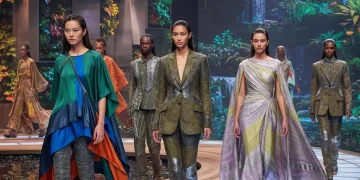
Gender-Neutral Fashion: Key Shifts in US Retail Apparel Design by 2026
The fashion landscape is undergoing a profound transformation, propelled by a growing demand for inclusivity, authenticity, and sustainability. At the forefront of this evolution is the ascendancy of gender-neutral fashion trends, a movement that transcends traditional sartorial boundaries and embraces a more fluid understanding of personal style. By 2026, this shift is not merely a niche interest but a dominant force reshaping apparel design and retail strategies across the United States. Consumers, particularly younger generations, are increasingly rejecting binary clothing categories in favor of garments that prioritize comfort, self-expression, and ethical considerations. This comprehensive exploration delves into three significant shifts in gender-neutral apparel design that are rapidly gaining momentum in US retail, offering insights into the future of fashion.
The concept of gender-neutral fashion is not entirely new, with historical precedents in various cultures and subcultures. However, its current iteration is uniquely tied to contemporary discussions around gender identity, social justice, and environmental consciousness. It’s a reflection of a society that is becoming more accepting and less prescriptive about how individuals should present themselves. For retailers and designers, understanding these shifts is paramount to remaining relevant and competitive in a rapidly evolving market. The emphasis is moving from ‘what gender is this for?’ to ‘who does this empower?’ and ‘how does this align with my values?’ This paradigm shift is influencing everything from fabric choices and silhouette development to marketing campaigns and in-store merchandising.
As we navigate towards 2026, the influence of gender-neutral fashion trends will only intensify. This article will dissect the core tenets of this movement, specifically focusing on how apparel design is adapting to meet these new demands. We will examine the critical role of inclusive sizing, the evolution towards versatile and adaptable aesthetics, and the undeniable link between gender-neutrality and sustainable practices. Each of these areas represents a significant departure from conventional fashion models and offers immense opportunities for innovation and growth within the US retail sector.
1. The Rise of Truly Inclusive Sizing and Fit
One of the most profound and impactful shifts in gender-neutral fashion trends is the move towards truly inclusive sizing and fit. Historically, clothing has been designed around standardized male and female body archetypes, often alienating anyone who falls outside these narrow definitions. Gender-neutral apparel, by its very nature, challenges these norms, advocating for sizing systems that accommodate a broader spectrum of body shapes and dimensions, regardless of traditional gendered measurements.
Beyond S, M, L: A New Approach to Measurements
The conventional S, M, L sizing system, often derived from either men’s or women’s wear, is proving inadequate for gender-neutral garments. Brands are now exploring more nuanced approaches. This includes developing proprietary sizing charts that focus on universal measurements like chest, waist, and hip circumference, along with height and inseam, rather than relying on gender-specific assumptions. Some innovative brands are even experimenting with alphanumeric sizing (e.g., 0-5 or A-F) or descriptive sizing (e.g., ‘Relaxed Fit 1’, ‘Oversized 2’) that deliberately avoids gendered connotations. The goal is to provide clear, actionable information that allows any individual to find a garment that fits comfortably and aesthetically pleasingly.
Deconstructing Gendered Silhouettes
Inclusive sizing goes hand-in-hand with a re-evaluation of silhouettes. Traditional men’s clothing often features broader shoulders and straighter cuts, while women’s wear emphasizes waist definition and hip curves. Gender-neutral fashion trends are breaking down these rigid structures. Designers are creating garments with more relaxed, adaptable silhouettes that drape well on diverse body types. This might involve dropped shoulders, adjustable waistbands, generous cuts that allow for movement, and strategic use of stretch fabrics. The focus is on comfort and versatility, ensuring that a single garment can be worn by individuals with different builds without feeling restrictive or ill-fitting. For instance, a gender-neutral blazer might have a slightly oversized cut and a soft shoulder, making it suitable for both broader and narrower frames.
The Role of Fabric and Construction
The choice of fabric and construction techniques are also crucial in achieving inclusive sizing. Stretch fabrics, such as blends with elastane or spandex, offer greater flexibility and adaptability, allowing garments to comfortably conform to various body shapes. Furthermore, innovative construction methods, like seamless knitting or modular designs with adjustable elements (e.g., drawstrings, hidden elastic, adjustable cuffs), are becoming more prevalent. These features empower the wearer to customize the fit to their preference, further enhancing the inclusivity of the design. The emphasis is on creating garments that are not only comfortable but also forgiving and adaptable, celebrating the diversity of human forms rather than trying to fit them into predefined molds.
Impact on Retailers and Consumers
For US retailers, embracing truly inclusive sizing means rethinking inventory management, display strategies, and even sales associate training. It requires a commitment to offering a wider range of sizes and educating staff on how to guide customers through a new sizing paradigm. For consumers, this shift represents liberation from the constraints of traditional sizing, allowing them to shop based on personal preference and fit rather than restrictive gender labels. This enhanced shopping experience fosters greater customer loyalty and broadens the market reach for brands committed to these principles. By 2026, brands that have successfully integrated inclusive sizing into their gender-neutral fashion trends will undoubtedly hold a significant competitive advantage.
2. Versatile Aesthetics and Functional Design
The second major shift lies in the evolution towards versatile aesthetics and highly functional design. Gender-neutral fashion trends are moving away from garments that are overtly masculine or feminine, instead embracing a design philosophy that prioritizes adaptability, longevity, and a timeless appeal. This means creating clothing that can be styled in multiple ways, suitable for various occasions, and appealing to a broad demographic, irrespective of gender identity.
Minimalism and Clean Lines as a Foundation
A hallmark of versatile gender-neutral design is often a minimalist aesthetic characterized by clean lines, simple silhouettes, and a focus on quality craftsmanship. This approach eschews fleeting trends in favor of enduring style. Garments are designed to be foundational pieces within a wardrobe, easily paired with other items to create diverse looks. Think well-cut trousers, classic button-down shirts, versatile knitwear, and understated outerwear. The beauty lies in their simplicity, allowing the wearer’s individual style to shine through without being overshadowed by overly ornate or gender-specific detailing.
Color Palettes and Prints: Beyond the Binary
The traditional gendered color palettes (e.g., blue for boys, pink for girls) are being actively dismantled. Gender-neutral fashion trends embrace a wider spectrum of colors, including earthy tones, muted pastels, vibrant primaries, and sophisticated neutrals. The focus is on colors that are universally appealing and can be easily mixed and matched. Similarly, prints and patterns are becoming less gender-specific. Abstract designs, geometric shapes, subtle textures, and nature-inspired motifs are favored over traditionally masculine plaids or feminine florals, although these can also be reinterpreted in a gender-neutral context. The goal is to offer visual interest without imposing gendered associations, allowing for greater personal expression.
Functional Details and Adaptable Elements
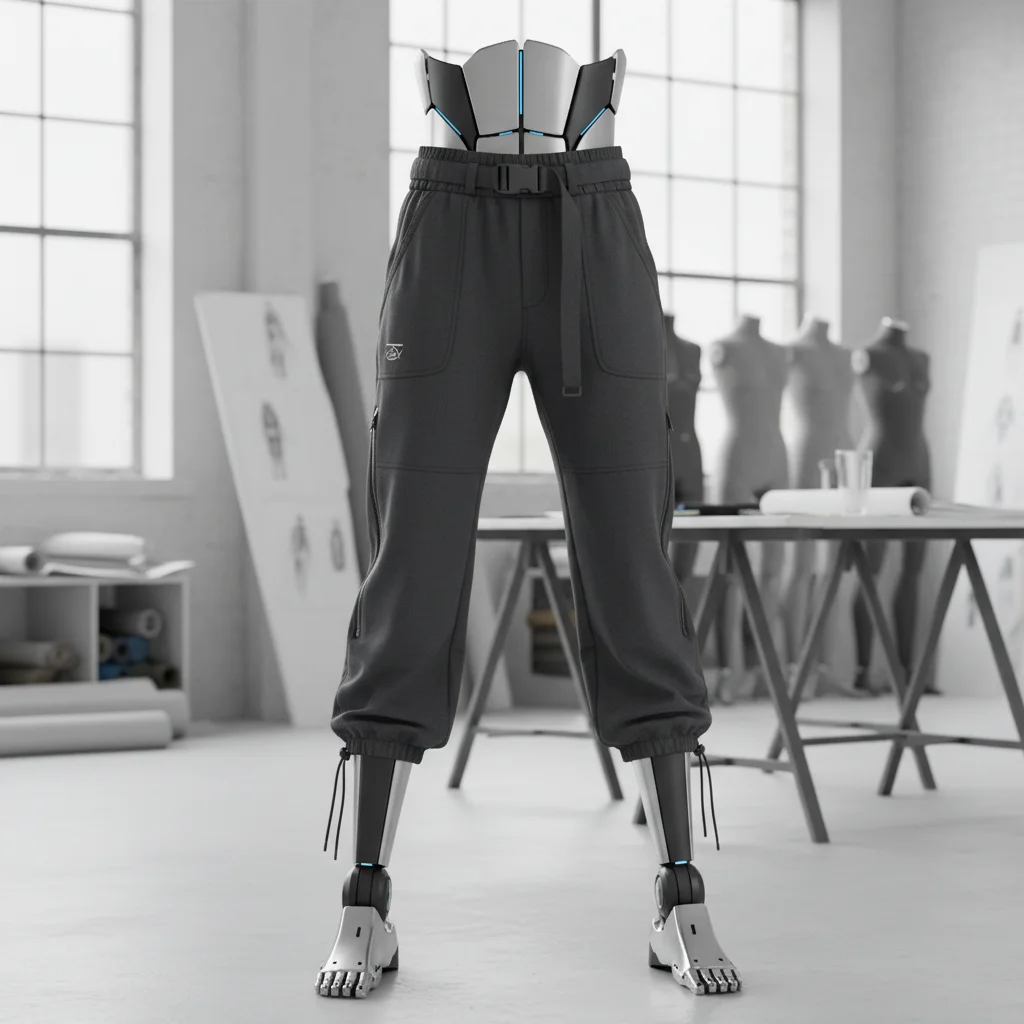
Functionality is a cornerstone of this design shift. Gender-neutral garments often incorporate practical features that enhance usability and adaptability. This includes multiple pockets, durable zippers, adjustable waistbands, convertible elements (e.g., roll-up sleeves with tabs, detachable hoods), and robust construction. The idea is to create clothing that works for diverse lifestyles and activities. For example, a gender-neutral jacket might feature a water-resistant finish, multiple internal and external pockets, and an adjustable hem, making it suitable for both urban commutes and outdoor adventures. These functional details not only make the garments more practical but also contribute to their versatility, allowing them to transcend specific gender roles or activities.
Modularity and Layering for Personal Expression
Another key aspect of versatile aesthetics is the emphasis on modularity and layering. Gender-neutral fashion trends encourage consumers to build wardrobes with pieces that can be easily layered and combined in numerous ways. This approach not only maximizes the utility of each garment but also empowers individuals to create looks that reflect their personal style and respond to varying weather conditions or social settings. Brands are designing collections where different items are intentionally complementary, encouraging customers to mix and match across categories, further blurring the lines between traditional gendered clothing sections. This strategic design fosters creativity and allows for a more personalized and fluid approach to dressing.
3. Sustainability and Ethical Production as a Core Tenet
The third and arguably most critical shift driving gender-neutral fashion trends by 2026 is its intrinsic link to sustainability and ethical production. The movement towards gender-neutrality is not just about inclusivity in identity but also about responsibility towards the planet and its people. Consumers who embrace gender-neutral clothing are often the same individuals who prioritize environmental consciousness and ethical sourcing, making these two movements inextricably linked.
Longevity Through Quality and Timeless Design
A fundamental aspect of sustainable gender-neutral fashion is the emphasis on longevity. By focusing on timeless designs, durable materials, and high-quality construction, these garments are intended to last longer, reducing the need for frequent replacements and thereby minimizing waste. The versatile aesthetics discussed earlier play a crucial role here; a garment that can be styled in numerous ways and remains relevant across seasons is inherently more sustainable than a fleeting trend piece. This approach actively combats fast fashion’s disposable culture, encouraging consumers to invest in fewer, better-made items that will serve them for years.
Eco-Friendly Materials and Production Processes
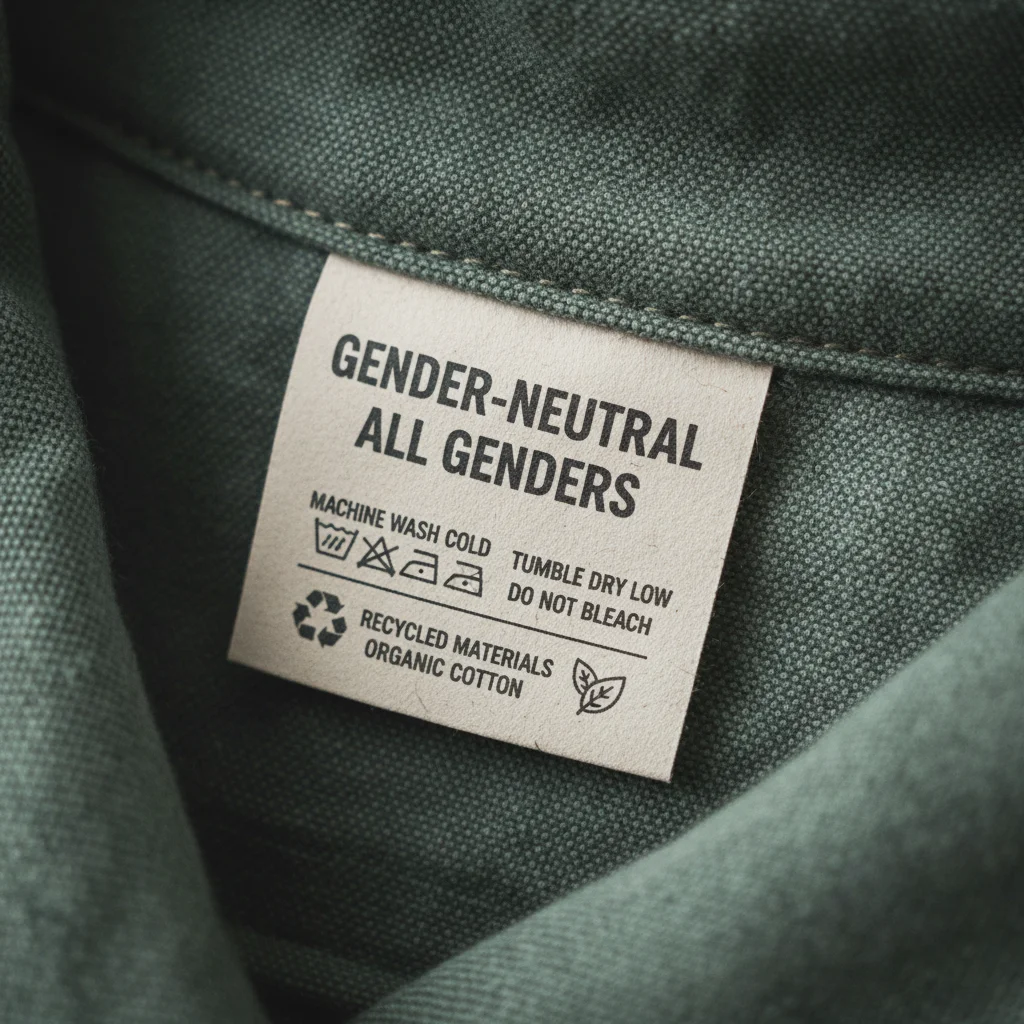
The commitment to sustainability extends to the choice of materials and production processes. Brands leading the gender-neutral fashion trends are increasingly utilizing organic cotton, recycled polyester, Tencel, hemp, and other innovative eco-friendly fabrics that have a lower environmental impact. This includes sourcing materials from certified suppliers, minimizing water and energy consumption during manufacturing, and reducing reliance on harmful chemicals. Furthermore, ethical production practices, such as fair wages, safe working conditions, and transparent supply chains, are becoming non-negotiable. Consumers are increasingly demanding to know where and how their clothes are made, and gender-neutral brands are often at the forefront of providing this transparency.
Circular Economy Principles in Design
Looking ahead to 2026, gender-neutral fashion is also embracing circular economy principles. This involves designing garments with their end-of-life in mind, making them easier to repair, recycle, or biodegrade. Brands are exploring take-back programs, offering repair services, and innovating with materials that can be re-entered into the production cycle. The inherent versatility of gender-neutral clothing—its ability to be worn by more people for longer—naturally aligns with these circular ideals, as it reduces the overall volume of clothing produced and consumed. This holistic approach to design and production underscores the deep connection between gender-neutrality and a more responsible fashion future.
Consumer Awareness and Brand Accountability
The growing awareness among consumers about the environmental and social impact of their purchasing decisions is a powerful driver for this shift. Brands that fail to integrate sustainability and ethical practices into their gender-neutral fashion trends will likely struggle to resonate with their target audience. Conversely, those that transparently communicate their commitments and demonstrate tangible efforts in these areas will build stronger trust and loyalty. This accountability pushes the entire industry towards more responsible practices, with gender-neutral fashion often leading the way in innovation and adoption of sustainable solutions.
The Broader Impact on US Retail by 2026
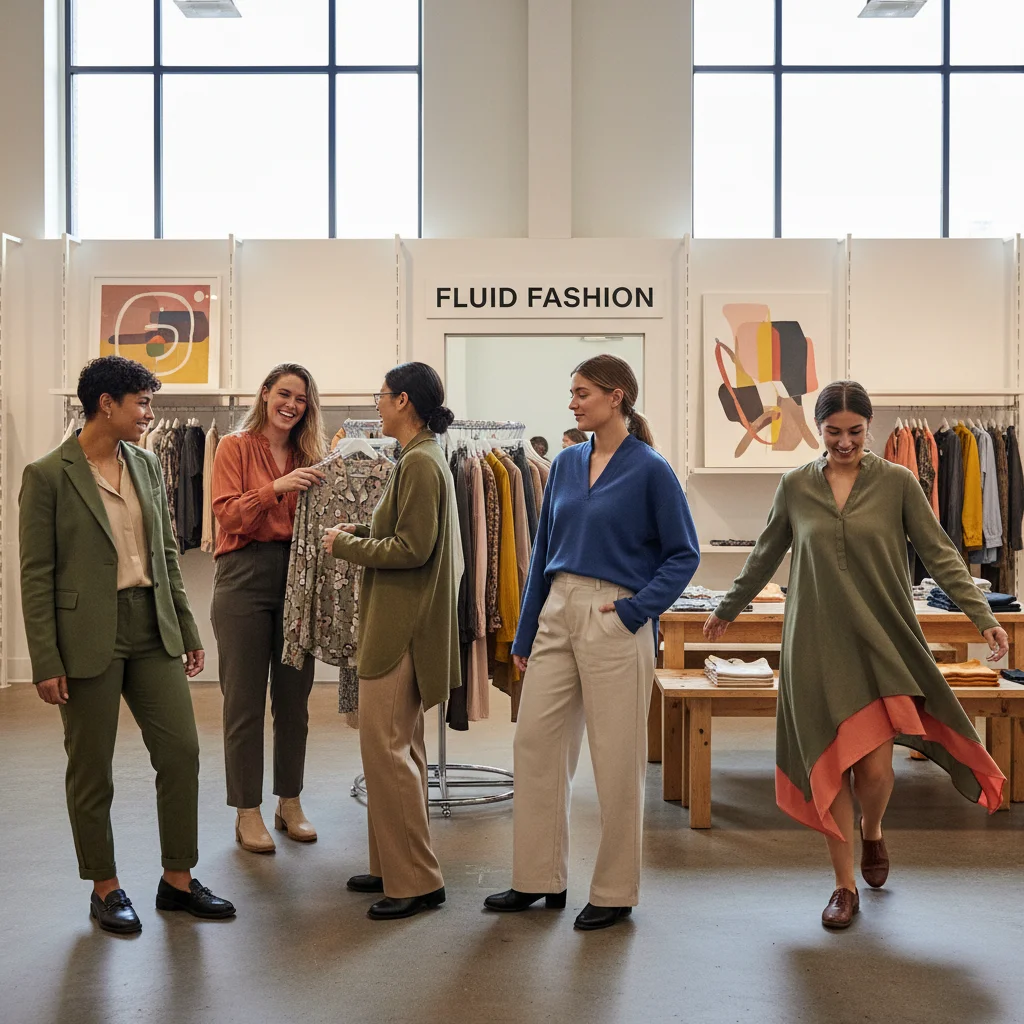
The cumulative effect of these three significant shifts in gender-neutral fashion trends will profoundly reshape the US retail landscape by 2026. Retail spaces themselves are likely to evolve, with less emphasis on ‘men’s’ and ‘women’s’ sections and more on curated collections based on style, occasion, or function. Merchandising will become more fluid, showcasing how garments can be styled across different body types and personal expressions.
Marketing and advertising will also undergo a transformation. Brands will move away from gender-stereotyped imagery, instead featuring diverse models who embody authenticity and individuality. Messaging will focus on empowerment, self-expression, and shared values like sustainability, rather than traditional gender roles. This inclusive approach will appeal to a wider audience and build stronger emotional connections with consumers.
Furthermore, the growth of gender-neutral fashion will encourage innovation in supply chain management. The demand for sustainable materials, ethical labor practices, and transparent sourcing will push manufacturers and suppliers to adopt more responsible methods. This could lead to a more localized production, reduced waste, and a more resilient fashion ecosystem overall.
For designers, this is an exciting era of creative freedom, unburdened by traditional gender constraints. It allows for experimentation with form, function, and fabric in ways that were previously limited. The focus shifts to creating clothing that truly serves the wearer, enhancing their comfort, confidence, and ability to express their authentic self.
Challenges and Opportunities Ahead
While the momentum for gender-neutral fashion trends is undeniable, challenges remain. Educating consumers about new sizing systems, overcoming ingrained societal norms, and scaling sustainable production practices are significant hurdles. However, these challenges also present immense opportunities for innovation. Brands that can effectively communicate the value proposition of gender-neutral clothing – its inclusivity, versatility, and sustainability – will capture a significant share of the evolving market.
The retail sector will need to invest in training sales associates to confidently guide customers through these new concepts. Store layouts will require thoughtful redesigns to reflect the fluid nature of gender-neutral collections. E-commerce platforms will need to enhance their filtering and recommendation systems to cater to preferences beyond traditional gender categories.
Moreover, the global nature of fashion means that US retailers will also be influenced by international developments in gender-neutral design. Collaboration across borders, sharing best practices, and learning from diverse cultural perspectives will accelerate the adoption and refinement of these trends.
Conclusion: A More Inclusive and Sustainable Future for Fashion
By 2026, the landscape of US retail apparel design will be irrevocably shaped by the ascent of gender-neutral fashion trends. The three significant shifts – truly inclusive sizing, versatile aesthetics and functional design, and an unwavering commitment to sustainability and ethical production – are not isolated phenomena but interconnected pillars of a more progressive and responsible fashion industry. This evolution reflects a deeper societal shift towards greater inclusivity, authenticity, and environmental consciousness. Brands and retailers who embrace these changes will not only meet the demands of a new generation of consumers but also contribute to building a fashion future that is more equitable, adaptable, and sustainable for everyone. The era of clothing designed for ‘him’ or ‘her’ is giving way to an exciting new chapter where fashion is simply for ‘us all.’