Micro-Influencers: Driving Niche Style Trends in 2026 US Fashion
Micro-Influencers: Driving Niche Style Trends in 2026 US Fashion
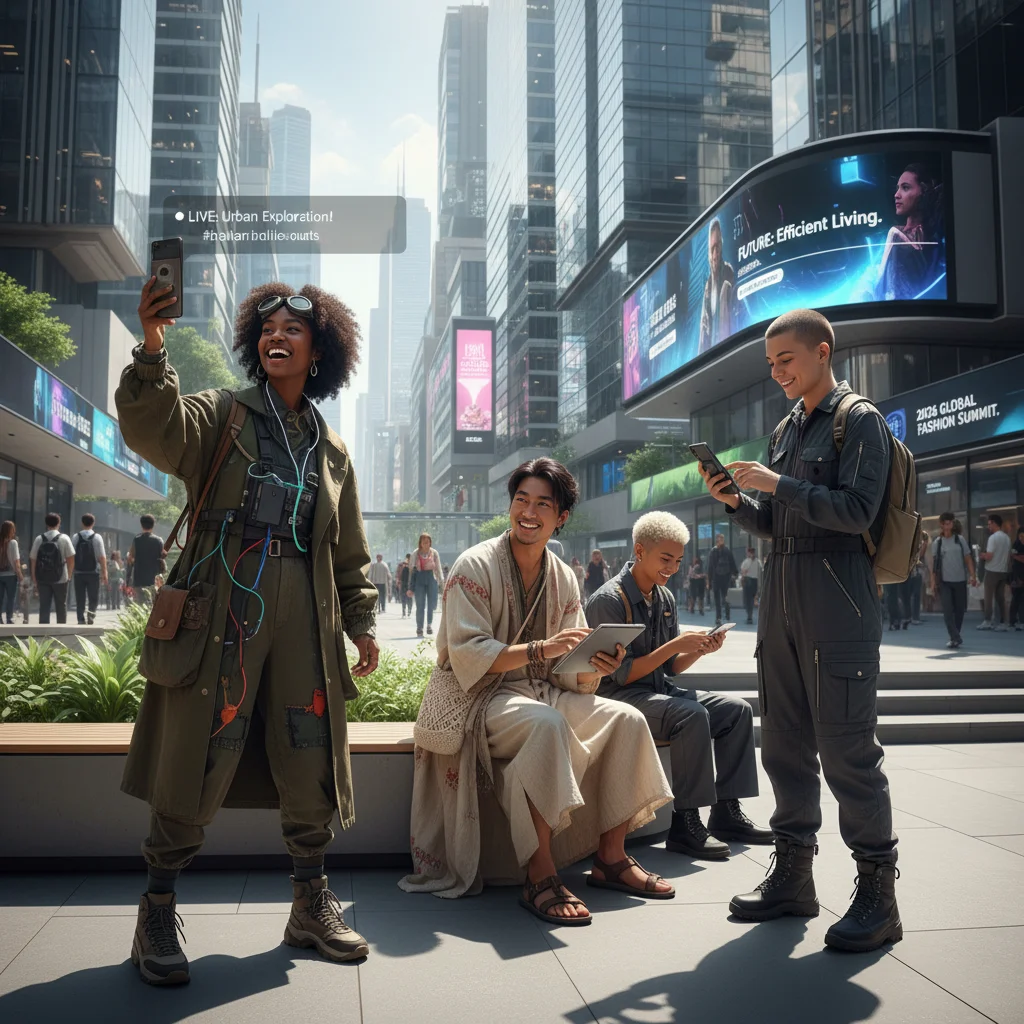
In the ever-evolving landscape of fashion, the year 2026 is poised to witness a significant shift, largely propelled by the authentic and targeted influence of digital creators. Specifically, micro-influencers are emerging as the undisputed tastemakers, steering the direction of niche style trends across the United States. Their power lies not in their colossal follower counts, but in their deep engagement, specialized content, and the genuine trust they cultivate within their communities. This article delves into the profound impact of micro-influencer style trends, exploring how these digital pioneers are championing three distinct niche aesthetics that are set to dominate the US fashion scene in 2026.
The fashion industry has continually sought new avenues for trend dissemination, moving from traditional runways and magazines to celebrity endorsements. However, the rise of social media has democratized this process, empowering individuals with smaller, yet highly dedicated, audiences to become influential figures. These micro-influencers, typically with follower counts ranging from 1,000 to 100,000, offer a level of relatability and authenticity that larger-than-life celebrities often cannot match. Their recommendations are perceived as more genuine, their style choices more attainable, and their content more tailored to specific interests. This inherent trust is the bedrock of their ability to launch and sustain niche fashion movements.
As we look towards 2026, consumer preferences are leaning heavily towards individuality, sustainability, and personal expression over mass-market conformity. This shift creates fertile ground for micro-influencer style trends to flourish. Brands are increasingly recognizing the value of collaborating with these creators, understanding that a few well-placed endorsements within a highly engaged community can yield far greater returns than broad, less targeted campaigns. The symbiotic relationship between micro-influencers and their followers fosters a dynamic environment where new styles are not just observed but actively embraced and adapted, leading to the organic growth of distinct fashion subcultures.
This comprehensive exploration will not only identify the key niche style trends but also dissect the mechanisms through which micro-influencers are bringing them to the forefront. We will examine the psychological underpinnings of their influence, the strategic content creation that fuels these trends, and the implications for both consumers and fashion brands navigating the 2026 market. Understanding the power of micro-influencer style trends is crucial for anyone looking to stay ahead in the rapidly evolving world of fashion.
The Ascendancy of Micro-Influencers: A Deeper Dive
Before we dissect the specific style trends, it’s essential to fully grasp what defines a micro-influencer and why their impact is so disproportionately large compared to their follower count. A micro-influencer is typically an individual with a social media following that is large enough to be considered influential, but not so large that they lose the personal connection with their audience. While exact numbers vary, the sweet spot is often cited as between 1,000 and 100,000 followers. What sets them apart is their specialization; they usually focus on a very particular niche, whether it’s sustainable fashion, vintage streetwear, minimalist aesthetics, or avant-garde accessories. This specialization allows them to build a highly engaged and loyal community that shares their specific interests.
The relatability factor is paramount. Unlike mega-influencers or celebrities who often project an aspirational, sometimes unattainable, lifestyle, micro-influencers often share more authentic, day-to-day experiences. They might feature clothing they genuinely wear, discuss the challenges of ethical shopping, or demonstrate how to style a single piece in multiple ways. This authenticity resonates deeply with their followers, who see them as trusted peers rather than distant idols. When a micro-influencer endorses a product or a style, it feels less like an advertisement and more like a personal recommendation from a friend. This trust translates directly into purchasing decisions and the adoption of new fashion sensibilities.
Furthermore, micro-influencers often possess a higher engagement rate than their macro counterparts. While a celebrity might have millions of followers, the percentage of those followers who actively like, comment, and share their posts is often quite low. Micro-influencers, on the other hand, frequently boast engagement rates between 5% and 15%, sometimes even higher. This intense interaction means their messages are not just seen, but truly absorbed and acted upon. This deep level of engagement is a critical component in their ability to launch and amplify micro-influencer style trends, as their community becomes a powerful echo chamber for new ideas and aesthetics.
For brands, partnering with micro-influencers offers a cost-effective and highly targeted marketing strategy. Instead of investing vast sums in a single celebrity endorsement that may or may not resonate with their specific target demographic, brands can collaborate with several micro-influencers whose audiences perfectly align with their product. This approach allows for more nuanced storytelling, richer content, and a higher return on investment. The future of fashion marketing in 2026 will undoubtedly see an even greater reliance on this model, as brands seek to connect with consumers on a more personal and authentic level, leveraging the power of micro-influencer style trends to drive genuine interest and sales.
The impact extends beyond mere product promotion. Micro-influencers are also instrumental in challenging existing fashion norms, promoting diversity, and advocating for ethical consumption. Their platforms become spaces for dialogue, education, and the celebration of unique styles that might otherwise be overlooked by mainstream media. By spotlighting emerging designers, sustainable brands, and unconventional aesthetics, they are actively shaping the future of fashion to be more inclusive, conscious, and creatively diverse. This evolving role solidifies their position as key architects of the 2026 fashion landscape and the driving force behind many compelling micro-influencer style trends.
Niche Style Trend 1: The Rise of Sustainable Utility Chic
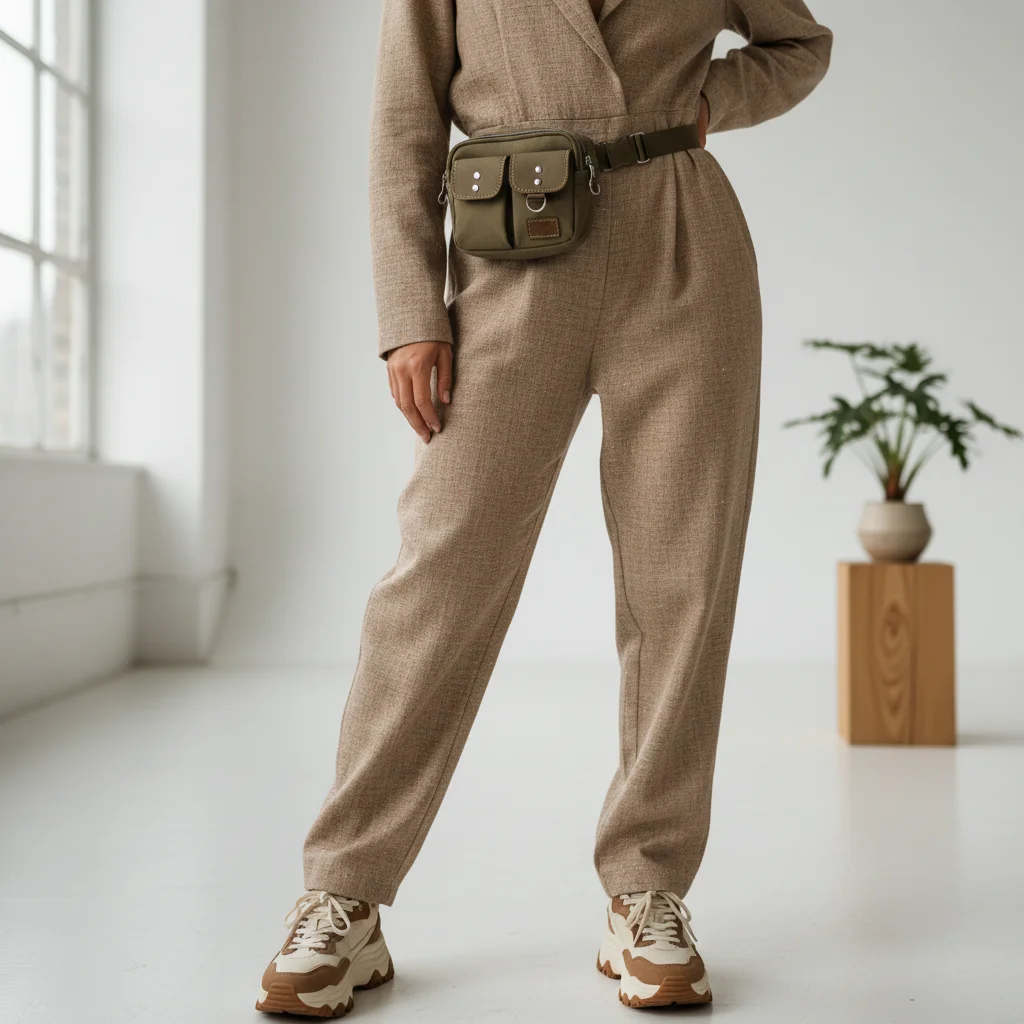
One of the most compelling micro-influencer style trends set to dominate in 2026 is ‘Sustainable Utility Chic.’ This aesthetic is a sophisticated blend of practical, functional design with an unwavering commitment to environmental responsibility. It’s about clothing that is not only stylish and well-made but also designed to last, produced ethically, and often crafted from recycled, upcycled, or sustainably sourced materials. Micro-influencers specializing in eco-conscious living, minimalist wardrobes, and slow fashion have been instrumental in popularizing this movement.
The core tenets of Sustainable Utility Chic involve clean lines, neutral color palettes (think earthy tones, muted greens, classic navies, and understated greys), and durable fabrics. Garments often feature multiple pockets, adjustable straps, and versatile silhouettes that can be dressed up or down. Think jumpsuits made from organic cotton, cargo pants crafted from recycled polyester, and oversized blazers from linen blends. The emphasis is on quality over quantity, encouraging consumers to invest in fewer, better pieces that serve multiple purposes and stand the test of time.
Micro-influencers championing this trend don’t just showcase outfits; they educate their followers on the provenance of their clothes, the environmental impact of fast fashion, and the benefits of capsule wardrobes. They provide practical tips for garment care, mending, and responsible disposal. Their content often includes ‘how-to’ guides for ethical shopping, interviews with sustainable brand founders, and transparent reviews of eco-friendly products. This educational approach builds a conscious consumer base that actively seeks out brands aligning with these values, directly fueling the growth of Sustainable Utility Chic.
In 2026, we anticipate a surge in brands offering high-quality, sustainably produced utility wear, moving beyond basic eco-friendly options to genuinely stylish and innovative designs. The influence of these digital creators will push both established and emerging brands to prioritize transparency in their supply chains and invest in circular fashion initiatives. Consumers, guided by their trusted micro-influencers, will increasingly demand both style and substance, making Sustainable Utility Chic a powerful and enduring force in the fashion world, demonstrating the tangible impact of micro-influencer style trends.
The appeal of this trend also lies in its versatility. It’s a look that easily transitions from a professional setting to a weekend adventure, embodying a modern, proactive lifestyle. Micro-influencers show how a single utility jacket can be paired with tailored trousers for a business casual look or thrown over a simple dress for a relaxed, urban aesthetic. This practical demonstration of versatility further convinces followers of the value and longevity of these pieces. As the desire for mindful consumption grows, so too will the prominence of Sustainable Utility Chic, cemented by the consistent advocacy of micro-influencers.
Niche Style Trend 2: Neo-Bohemian Artisan
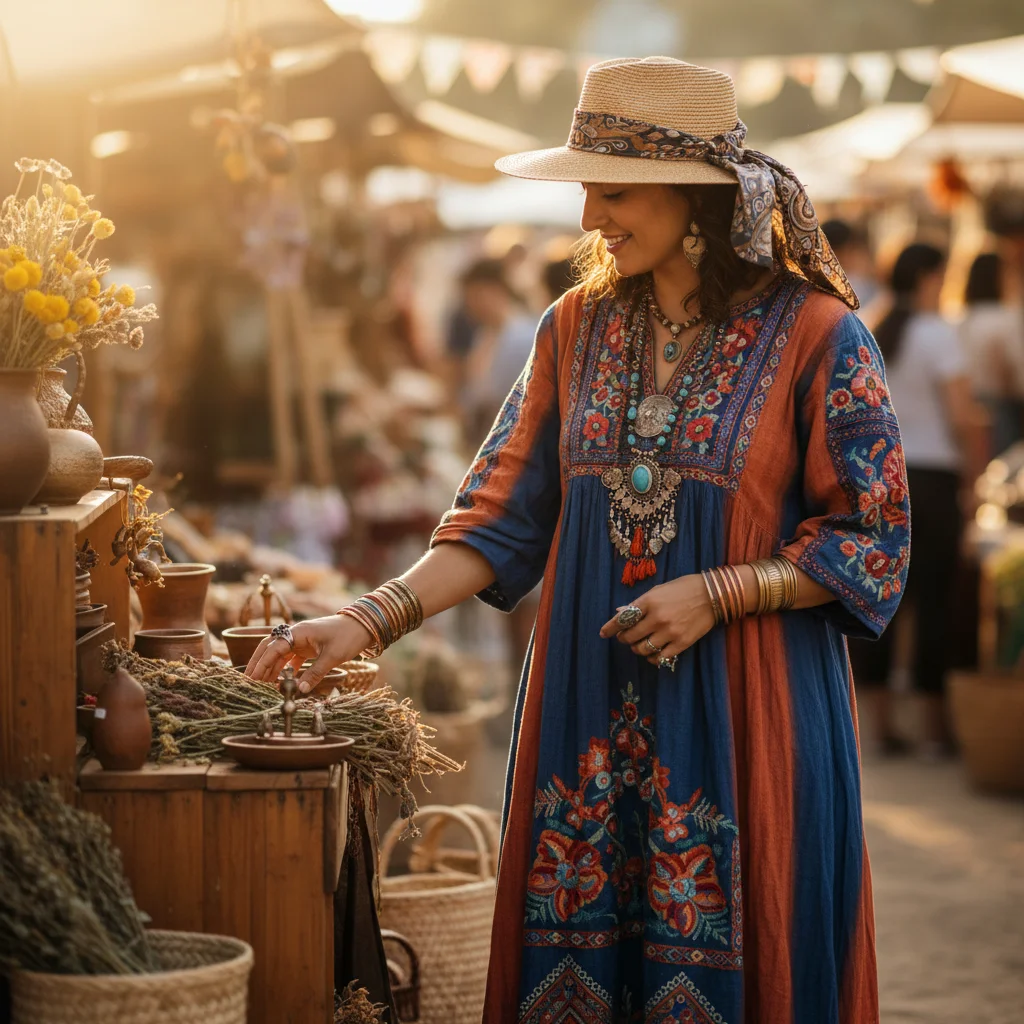
Moving away from the structured lines of utility wear, another significant micro-influencer style trend for 2026 is the ‘Neo-Bohemian Artisan’ aesthetic. This trend is a modern reinterpretation of classic bohemianism, infused with a deep appreciation for handcrafted details, global textiles, and a strong connection to artistic expression and cultural heritage. It’s less about mass-produced festival wear and more about unique, often one-of-a-kind pieces that tell a story.
Micro-influencers at the forefront of this trend are often artists, crafters, or individuals with a passion for travel and cultural exploration. Their content frequently features textiles sourced from independent artisans, vintage finds, and garments with intricate embroidery, patchwork, or hand-painted details. The color palette is rich and earthy, incorporating deep jewel tones, spice-inspired shades, and natural dyes. Silhouettes are flowing and comfortable, often featuring layered textures and natural fabrics like linen, organic cotton, and raw silk.
The Neo-Bohemian Artisan trend emphasizes individuality and conscious consumption, but with a focus on supporting small businesses and preserving traditional craft techniques. Micro-influencers championing this style share stories behind the garments, highlight the artisans who create them, and encourage their followers to seek out unique pieces rather than falling prey to fast fashion cycles. They might host virtual workshops on natural dyeing, collaborate with independent jewelry makers, or showcase their own creative projects, further endearing them to an audience that values creativity and ethical production.
In 2026, we can expect to see an increased demand for artisanal clothing, bespoke accessories, and ethically sourced home goods that complement this lifestyle. Brands that can authentically tell the story of their craftsmanship and ethical practices will thrive within this niche. The influence of these digital creators will extend beyond clothing, impacting interior design, travel choices, and even food preferences, as their lifestyle content creates a holistic vision of the Neo-Bohemian Artisan. This trend underscores how micro-influencer style trends can foster a broader cultural movement, not just a fleeting fashion moment.
What makes this trend particularly potent is its celebration of the handmade and the imperfect. In an increasingly digital and homogenized world, the Neo-Bohemian Artisan offers a refreshing counter-narrative, embracing character, history, and human touch. Micro-influencers effectively bridge the gap between traditional craftsmanship and modern digital platforms, making these unique pieces accessible and desirable to a wider audience, thereby cementing its place as a key micro-influencer style trend for the coming years.
Niche Style Trend 3: Retro-Futuristic Minimalism
The third significant micro-influencer style trend for 2026 is ‘Retro-Futuristic Minimalism.’ This aesthetic looks simultaneously to the past and the future, drawing inspiration from mid-century modern design, 1960s space-age fashion, and Y2K cyber-chic, but reinterpreting it through a contemporary, minimalist lens. It’s about clean lines, geometric shapes, innovative fabrics, and a subtle nod to optimism and technological advancement.
Micro-influencers championing this trend often have a keen eye for architectural design, science fiction, and vintage technology. Their content features streamlined silhouettes, monochromatic or limited color palettes (often incorporating metallics, stark whites, deep blacks, and electric blues or greens), and unexpected fabric choices like neoprene, technical meshes, and reflective materials. Accessories are key, with geometric jewelry, sleek sunglasses, and unconventional bags playing a crucial role in completing the look.
The appeal of Retro-Futuristic Minimalism lies in its forward-thinking yet nostalgic quality. It’s a sophisticated aesthetic that feels both cutting-edge and timeless. Micro-influencers showcasing this style often create visually striking content, utilizing minimalist backdrops, strong lighting, and creative editing to emphasize the structural integrity and unique textures of the garments. They might delve into the history of space-age fashion, review new tech accessories that complement the aesthetic, or curate mood boards inspired by futuristic cityscapes.
In 2026, we can expect to see designers experimenting more with sustainable technical fabrics and innovative construction techniques to cater to this trend. The influence of these digital creators will push the boundaries of conventional fashion, encouraging a blend of high-tech functionality with understated elegance. Brands that can deliver on both the aesthetic and the innovative material front will find a highly receptive audience among followers of these micro-influencers. This trend highlights how micro-influencer style trends can be born from a convergence of cultural inspirations, rather than a single source.
The minimalist aspect of this trend prevents it from becoming overly theatrical or costume-like. Instead, it offers a refined, wearable vision of the future. Micro-influencers demonstrate how to integrate these unique pieces into everyday wardrobes, showing that a metallic bomber jacket can be styled with simple black trousers, or a geometrically cut dress can be paired with minimalist sneakers. This accessibility ensures the trend’s wider adoption and cements its status as a significant force in 2026 fashion, proving the diverse reach of micro-influencer style trends.
The Mechanics of Micro-Influencer Trend Propagation
Understanding how micro-influencer style trends emerge and spread requires an examination of the underlying mechanisms that grant these digital creators their unique power. It’s not simply about posting pretty pictures; it’s a strategic blend of content creation, community engagement, and algorithmic leverage.
Firstly, content authenticity is paramount. Micro-influencers often create highly personalized and relatable content that feels less like a commercial and more like a genuine recommendation from a friend. They share their style journey, including successes and failures, which fosters a deeper connection with their audience. This authenticity translates into trust, making their followers more receptive to their fashion choices and product endorsements. When a micro-influencer genuinely loves a particular style or brand, their enthusiasm is contagious, inspiring their community to explore similar aesthetics.
Secondly, niche specialization allows for highly targeted communication. Unlike macro-influencers who cater to a broad audience, micro-influencers focus on specific segments. This means their content is hyper-relevant to their followers’ interests. For instance, a micro-influencer dedicated to sustainable fashion will attract an audience already predisposed to eco-conscious choices, making it easier to propagate trends like Sustainable Utility Chic. This targeted approach ensures that the message reaches the right people, who are more likely to adopt and further spread the trend within their own social circles.
Thirdly, engagement is the engine of trend propagation. Micro-influencers typically maintain high engagement rates through active interaction with their comments, direct messages, and even live sessions. This two-way communication builds a strong sense of community, where followers feel heard and valued. When a micro-influencer introduces a new style, their audience actively discusses it, asks questions, and shares their own interpretations. This collective dialogue amplifies the trend, turning passive observation into active participation. This deep engagement is a hallmark of successful micro-influencer style trends.
Fourthly, algorithmic favoritism on platforms like Instagram, TikTok, and Pinterest often benefits micro-influencers. Their high engagement rates signal to algorithms that their content is valuable and relevant, leading to increased visibility within their niche. This organic reach helps new trends gain traction without necessarily requiring massive advertising budgets. As platforms continue to prioritize authentic interaction, the role of micro-influencers in shaping future fashion trends will only grow stronger.
Finally, the ripple effect plays a crucial role. When a micro-influencer adopts a new style, their followers often replicate it, share their own versions, and tag the original source. This creates a chain reaction, where the trend spreads organically from one micro-community to another. Other micro-influencers, observing the burgeoning interest, may then pick up the trend, adapting it to their own niche and further expanding its reach. This decentralized, organic spread is what makes micro-influencer style trends so powerful and resilient in the face of fleeting mainstream fads.
Implications for Brands and Consumers in 2026
The dominance of micro-influencer style trends in 2026 carries significant implications for both fashion brands and individual consumers. For brands, understanding this shift is not merely advantageous; it’s essential for survival and growth in an increasingly fragmented market.
For fashion brands, the traditional marketing playbook is becoming obsolete. Rather than chasing mass appeal, brands must now identify and engage with the specific micro-influencers whose audiences align with their niche products. This requires a more nuanced approach to influencer marketing, focusing on long-term relationships and authentic collaborations rather than one-off sponsored posts. Brands that empower micro-influencers to genuinely integrate products into their lifestyle content will reap greater rewards. This means providing creative freedom, valuing their unique voice, and seeing them as true partners in trend creation, not just promotional tools. The success of future product launches and brand narratives will heavily depend on how effectively they can tap into the power of micro-influencer style trends.
Furthermore, brands need to be agile and responsive. Micro-influencer trends can emerge and evolve rapidly. This necessitates quicker design cycles, more flexible production, and a willingness to experiment with smaller, specialized collections. Brands that can quickly adapt to the nuances of Sustainable Utility Chic, Neo-Bohemian Artisan, or Retro-Futuristic Minimalism, for example, will be better positioned to capture market share. This also implies a greater emphasis on ethical sourcing and transparent supply chains, as micro-influencers and their communities increasingly demand accountability.
For consumers, the rise of micro-influencer style trends means a more diverse and personalized fashion landscape. No longer are they beholden to a few dominant fashion houses or mainstream media dictates. Instead, they have access to a multitude of specialized aesthetics, allowing for greater self-expression and the discovery of styles that truly resonate with their identity. This also empowers consumers to make more informed choices, guided by trusted voices who prioritize values like sustainability, craftsmanship, and individuality. The ability to connect directly with creators and brands within specific niches fosters a stronger sense of community and belonging.
However, consumers also need to exercise discernment. While micro-influencers offer authenticity, the sheer volume of content can be overwhelming. Developing a critical eye for sponsored content versus genuine recommendations remains important. Ultimately, the 2026 fashion consumer will be a more empowered, informed, and discerning individual, actively participating in the co-creation of trends rather than passively consuming them. The landscape will be richer, more varied, and deeply influenced by the authentic voices of micro-influencers and their curated micro-influencer style trends.
The impact also extends to the broader cultural fabric. As micro-influencers champion diverse aesthetics and ethical consumption, they contribute to a more inclusive and responsible fashion industry. This shift away from homogeneous trends towards a celebration of individuality and conscious choices reflects a broader societal movement, with fashion acting as a mirror. The implications are clear: the future of fashion is decentralized, authentic, and deeply personal, driven by the collective power of numerous niche communities and their influential digital leaders.
Conclusion: The Enduring Legacy of Niche Influence
As we navigate towards 2026, it is unequivocally clear that micro-influencer style trends are not merely a passing fad but a foundational shift in how fashion is discovered, disseminated, and adopted. Their unique ability to foster deep trust and cultivate highly engaged communities positions them as the primary architects of niche aesthetics, effectively decentralizing the power of trendsetting from traditional industry gatekeepers to a diverse array of digital creators.
The three trends explored – Sustainable Utility Chic, Neo-Bohemian Artisan, and Retro-Futuristic Minimalism – serve as compelling examples of how micro-influencers can breathe life into distinct fashion movements. Each trend, with its specific values and aesthetic principles, resonates with particular segments of the population, guided by creators who share those same passions and principles. This targeted approach ensures that these styles are not just fleeting moments but deeply embedded cultural expressions that reflect evolving consumer values around authenticity, sustainability, and personal identity.
For brands, the message is clear: authentic collaboration with micro-influencers is no longer an option but a strategic imperative. To thrive in the 2026 market, companies must embrace transparency, align with ethical practices, and empower creators to tell genuine stories that resonate with their specialized audiences. The future belongs to those who understand the power of niche and the influence of trusted voices within those niches. Ignoring the impact of micro-influencer style trends would be to miss out on the most dynamic and influential force in contemporary fashion.
For consumers, this era heralds a more exciting and inclusive fashion landscape. The proliferation of diverse styles, championed by relatable figures, offers unprecedented opportunities for self-expression and the discovery of fashion that truly speaks to individual tastes and values. It’s a move away from homogenous, top-down trends towards a more democratic, community-driven approach to style. The fashion conversation is becoming richer, more nuanced, and significantly more personal.
In essence, the enduring legacy of micro-influencers will be their role in democratizing fashion, making it more accessible, authentic, and reflective of a wider spectrum of human experience. As 2026 unfolds, the fashion world will continue to be shaped by these digital pioneers, solidifying the profound and lasting impact of micro-influencer style trends on the global stage, starting right here in the United States. Their influence is a testament to the power of connection, authenticity, and shared passion in the digital age, proving that sometimes, the smallest voices can create the loudest trends.