Streetwear’s Evolution: 3 New Subgenres Capturing US Consumers in 2026
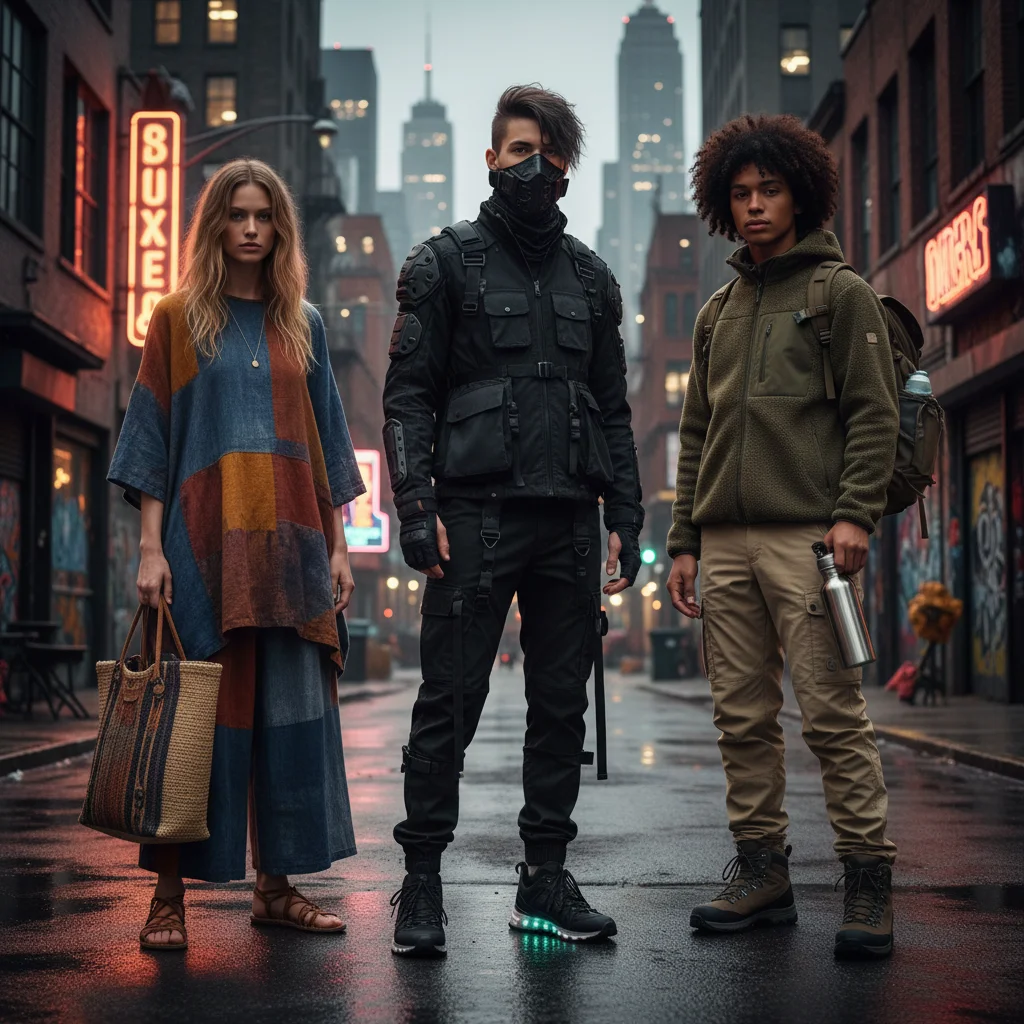
The fashion landscape is a constantly shifting canvas, and nowhere is this more evident than in the vibrant, ever-evolving realm of streetwear. What began as a counter-cultural movement has blossomed into a global phenomenon, influencing high fashion and mainstream retail alike. As we step into early 2026, the US consumer market is witnessing the emergence and consolidation of fascinating new streetwear subgenres, each with its unique aesthetic, philosophy, and appeal. This article delves deep into three such pivotal subgenres: Techwear, Gorpcore, and Sustainable Streetwear. Understanding these trends is crucial for brands, retailers, and fashion enthusiasts eager to stay ahead in the dynamic world of streetwear.
The allure of streetwear lies in its ability to reflect and shape contemporary culture. It’s more than just clothing; it’s a statement, a lifestyle, and a form of self-expression. From its roots in skate and surf culture to its integration with hip-hop and luxury fashion, streetwear has consistently pushed boundaries. Now, with technological advancements, a growing environmental consciousness, and a renewed appreciation for functionality, the movement is diversifying further, giving rise to these distinct and compelling subgenres.
The Rise of Techwear: Functionality Meets Futuristic Aesthetics
One of the most striking new developments in the streetwear landscape is the undeniable ascent of Techwear. This subgenre is characterized by its emphasis on technical fabrics, functional design, and a sleek, often dystopian, aesthetic. Imagine clothing that not only looks sharp but also provides unparalleled utility, protection, and comfort – that’s the essence of Techwear. US consumers, increasingly seeking practicality without sacrificing style, are gravitating towards this innovative approach to urban dressing.
What Defines Techwear?
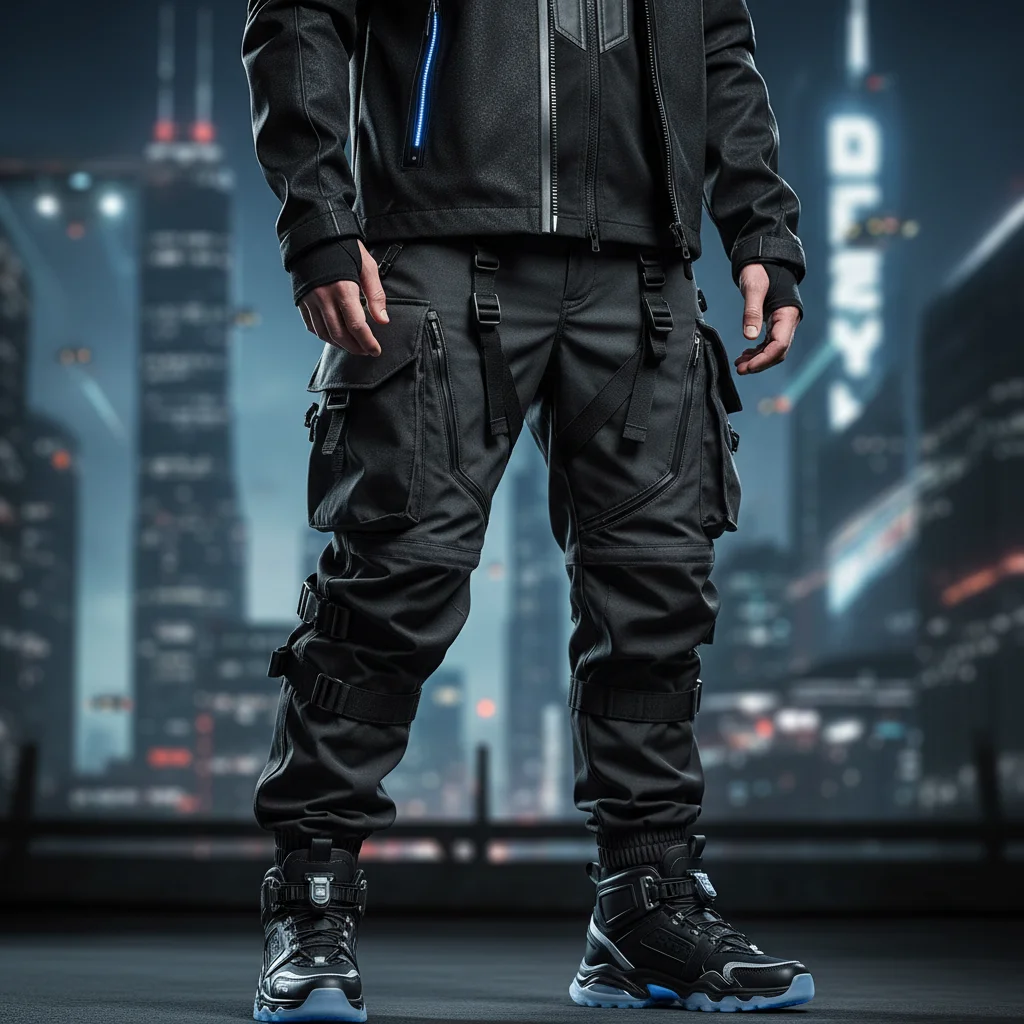
At its core, Techwear is about performance. It borrows heavily from outdoor and military apparel, incorporating elements like waterproofing, breathability, abrasion resistance, and modularity. Key characteristics include:
- Advanced Materials: Think Gore-Tex, Schoeller, Polartec, and other proprietary fabrics that offer superior protection against the elements while remaining lightweight and comfortable.
- Ergonomic Design: Garments are often articulated and cut to allow for maximum freedom of movement, reflecting an active, urban lifestyle.
- Utility and Storage: Multi-pocket cargo pants, jackets with hidden compartments, and integrated strap systems are common, providing practical solutions for carrying essentials.
- Monochromatic Palettes: Black, grey, and dark blues dominate the color scheme, contributing to the futuristic and somewhat austere aesthetic. Occasional pops of muted earth tones or technical brights might appear.
- Modular Systems: Many Techwear pieces are designed to be layered or adapted, with detachable hoods, linings, or pockets, enhancing versatility.
The Appeal to US Consumers
The appeal of Techwear to US consumers in 2026 is multifaceted. Firstly, there’s a growing appreciation for longevity and quality in clothing. Techwear garments are often investments, built to withstand harsh conditions and frequent wear. Secondly, the blending of high-performance features with a distinct urban aesthetic resonates with individuals who navigate diverse environments, from city streets to occasional outdoor excursions. It’s about being prepared for anything while looking effortlessly cool.
Furthermore, the rise of smart technology has primed consumers for technologically advanced products. Techwear clothing feels like a natural extension of this, offering a similar sense of innovation and cutting-edge design. Brands like Acronym, Stone Island, and even Nike’s ACG line have been instrumental in popularizing this aesthetic, inspiring countless smaller labels and influencing mainstream fashion.
The practicality of Techwear in an unpredictable climate, where sudden rain showers or temperature drops are common, cannot be overstated. It offers a sense of preparedness and control, which is highly valued by modern consumers. This subgenre isn’t just about looking good; it’s about optimizing one’s daily experience through intelligent design.
Gorpcore: Embracing the Great Outdoors in Urban Settings
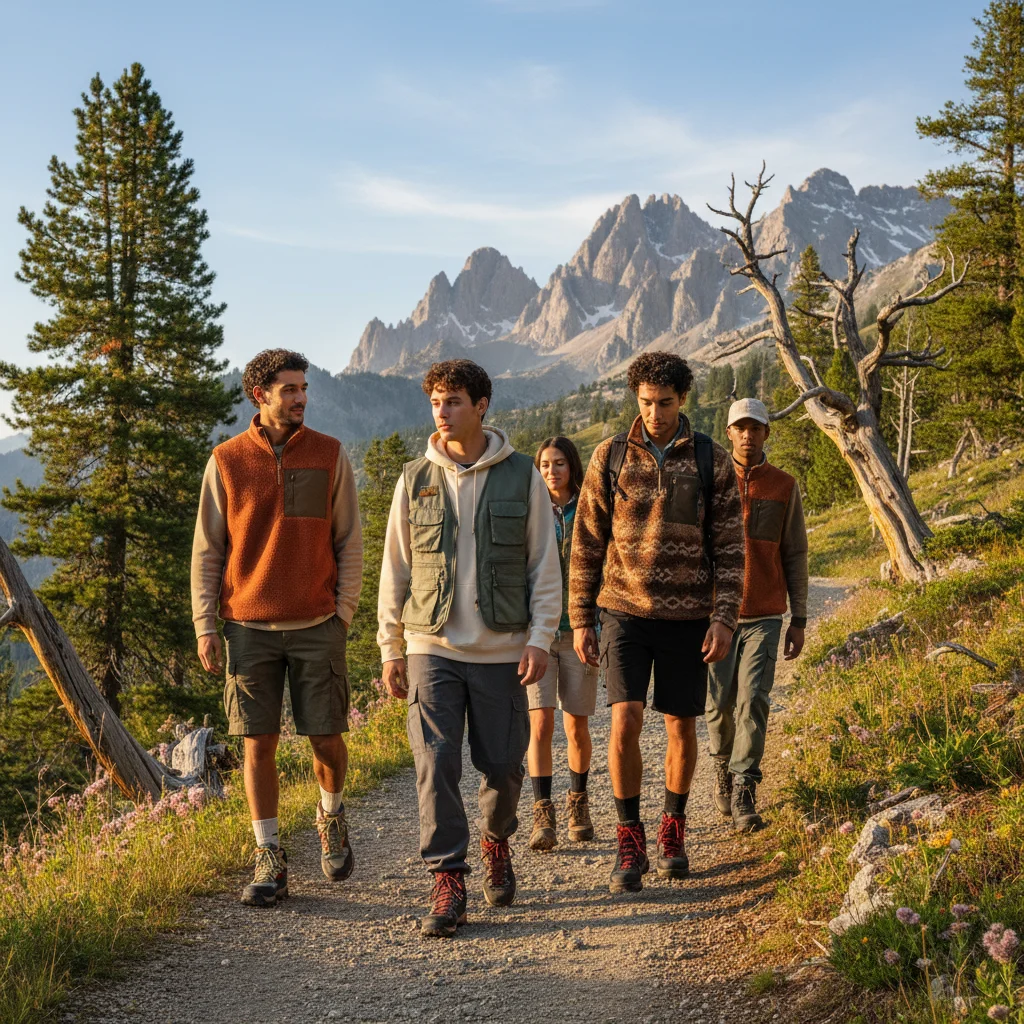
Moving from the futuristic to the functional-meets-natural, we encounter Gorpcore. This intriguing subgenre takes its name from ‘Good Ol’ Raisins and Peanuts,’ a common trail mix, hinting at its outdoor and hiking inspiration. Gorpcore is about integrating utilitarian outdoor gear into everyday urban outfits, creating a look that is both practical and effortlessly cool. It’s a celebration of ruggedness, comfort, and an understated connection to nature, even within concrete jungles.
Defining the Gorpcore Aesthetic
Gorpcore is characterized by:
- Outdoor Apparel Staples: Fleece jackets, puffer coats, hiking boots, cargo pants, utility vests, and technical backpacks are central to the look.
- Earthy and Muted Tones: Colors often reflect natural landscapes – forest greens, sandy beiges, browns, greys, and muted blues.
- Brand Recognition: While not overtly branded, discerning Gorpcore enthusiasts often recognize and appreciate heritage outdoor brands like Patagonia, The North Face, Arc’teryx, Columbia, and Salomon.
- Comfort and Layering: Emphasis is placed on comfortable fits and the ability to layer garments for adaptability to changing weather conditions.
- Functionality Over Flash: While stylish, the primary focus remains on the practical features of the clothing – durability, warmth, water resistance, and ample storage.
Why Gorpcore Resonates with US Consumers
The surge in popularity of Gorpcore among US consumers in early 2026 can be attributed to several factors. Post-pandemic, there’s been a significant increase in outdoor activities and a general appreciation for nature. Gorpcore allows individuals to carry that connection into their daily urban lives. It offers a sense of escapism and adventure, even when commuting to work or grabbing coffee.
Moreover, Gorpcore aligns with a broader shift towards comfort and practicality in fashion. Consumers are increasingly rejecting restrictive clothing in favor of garments that allow for freedom of movement and provide genuine utility. The durability of outdoor gear also appeals to a more conscious consumer who values longevity and versatility in their wardrobe.
The aesthetic itself is approachable and less intimidating than some other streetwear styles. It’s about looking put-together yet ready for anything, blending ruggedness with an understated cool. This makes it accessible to a wider demographic, from seasoned hikers to urban dwellers who simply appreciate functional design and a relaxed vibe. The fusion of high-fashion sensibilities with genuine outdoor performance wear has cemented Gorpcore’s place as a dominant streetwear subgenre.
Sustainable Streetwear: Fashion with a Conscience
Perhaps the most significant and impactful new subgenre emerging in the streetwear scene is Sustainable Streetwear. As environmental consciousness grows and consumers become more aware of the fashion industry’s impact, there’s an increasing demand for ethical and eco-friendly alternatives. Sustainable Streetwear directly addresses this need, proving that style and sustainability can coexist beautifully.
The Principles of Sustainable Streetwear
Sustainable Streetwear encompasses a wide range of practices and philosophies, but common threads include:
- Eco-Friendly Materials: Utilization of organic cotton, recycled polyester, hemp, Tencel, upcycled fabrics, and innovative bio-based materials.
- Ethical Production: Focus on fair labor practices, safe working conditions, and transparent supply chains.
- Reduced Waste: Embracing practices like zero-waste pattern cutting, made-to-order models, and minimizing textile waste.
- Durability and Longevity: Designing garments that are built to last, encouraging repair over replacement, and combating fast fashion’s disposable culture.
- Circular Economy Principles: Exploring initiatives like take-back programs, resale platforms, and designing for recyclability.
- Upcycling and Repurposing: Transforming existing garments or materials into new, unique pieces, often with a distinct handcrafted feel.
Meeting the Demand of Conscious US Consumers
US consumers in 2026 are more informed and ethically driven than ever before. Social media and readily available information have highlighted the environmental and social costs of traditional fashion production. This has led to a significant shift in purchasing habits, with many seeking out brands that align with their values.
Sustainable Streetwear offers a compelling solution. It allows consumers to express their personal style while making responsible choices. Brands that genuinely commit to sustainable practices are gaining significant traction, building trust and loyalty among a growing segment of the market. This subgenre isn’t just a trend; it’s a fundamental shift in how streetwear is conceived, produced, and consumed.
Furthermore, the aesthetic of Sustainable Streetwear often celebrates natural textures, earthy dyes, and unique, handcrafted details, which appeal to those looking for authenticity and individuality. It challenges the notion that sustainable fashion must be bland or unstylish, proving that eco-consciousness can be incredibly chic and forward-thinking. From small independent labels to larger brands integrating sustainable lines, this movement is reshaping the future of streetwear.
The Interplay and Future of Streetwear Subgenres
While Techwear, Gorpcore, and Sustainable Streetwear each possess distinct characteristics, it’s important to recognize that these subgenres are not mutually exclusive. In fact, there’s a fascinating interplay between them, leading to even more innovative expressions within the broader streetwear movement. For instance, a brand might develop a Techwear jacket made from recycled materials, or Gorpcore-inspired cargo pants crafted from organic cotton. This cross-pollination is a testament to the dynamic and adaptive nature of streetwear.
Hybrid Styles and Blurring Lines
We can expect to see an increase in hybrid styles that borrow elements from multiple subgenres. Imagine a pair of sustainable, upcycled cargo pants with Techwear-inspired modular pockets, or a Gorpcore fleece made from recycled polyester. This blending not only offers consumers more diverse options but also pushes designers to innovate at the intersection of functionality, ethics, and aesthetics.
The lines between these categories will continue to blur as designers experiment and consumers demand more from their clothing. This fluidity is a hallmark of streetwear’s enduring appeal – its ability to constantly reinvent itself and absorb new influences.
The Influence of Digital Culture and AI
The digital realm also plays a crucial role in the evolution of these streetwear subgenres. Social media platforms, online communities, and digital influencers are powerful drivers of trends. AI-powered design tools and virtual fashion are also beginning to impact how clothing is conceived and presented, potentially accelerating the development of new styles and subgenres.
For Techwear, digital culture reinforces its futuristic appeal, with virtual try-ons and metaverse fashion experiences becoming increasingly common. Gorpcore finds its digital expression through stunning outdoor photography shared on platforms like Instagram, inspiring wanderlust and a desire for functional yet stylish gear. Sustainable Streetwear leverages digital transparency to communicate its ethical practices and connect with conscious consumers globally.
Impact on the US Consumer Market
The emergence and popularity of these streetwear subgenres have significant implications for the US consumer market. Brands and retailers who understand these shifts are better positioned to capture market share and build lasting relationships with their target audience.
Opportunities for Brands and Retailers
- Specialization: Brands can choose to specialize in one subgenre, becoming a leader in Techwear, Gorpcore, or Sustainable Streetwear, and catering to a dedicated niche.
- Adaptation and Innovation: Existing brands can integrate elements of these subgenres into their collections, offering updated styles that resonate with current trends.
- Storytelling and Authenticity: Consumers are increasingly interested in the stories behind their clothes. Brands that can authentically communicate their commitment to performance (Techwear), adventure (Gorpcore), or ethics (Sustainable Streetwear) will stand out.
- Collaborations: Partnerships between brands from different sectors (e.g., a fashion label collaborating with an outdoor gear company) can create exciting and relevant products for these subgenres.
- Investment in R&D: For Techwear and Sustainable Streetwear especially, investment in new materials and manufacturing processes is crucial for innovation and competitive advantage.
Consumer Behavior and Expectations
US consumers in early 2026 are expecting more from their clothing. They seek:
- Value Beyond Aesthetics: Functionality, durability, and ethical production are becoming as important as visual appeal.
- Authenticity: They can discern genuine commitment to a philosophy from superficial trend-chasing.
- Personal Expression: These subgenres offer distinct ways for individuals to express their values and identities through fashion.
- Information and Transparency: Consumers want to know where their clothes come from, what they’re made of, and how they’re produced.
The desire for unique, statement pieces that also serve a practical purpose or align with personal values is driving purchasing decisions. This shift indicates a maturing streetwear market that values substance as much as style.
Conclusion: The Dynamic Future of Streetwear
The evolution of streetwear in the US market is a compelling narrative of innovation, adaptation, and cultural reflection. Techwear, Gorpcore, and Sustainable Streetwear represent more than just fleeting trends; they are significant movements that speak to broader shifts in consumer values and lifestyle choices.
Techwear caters to the demand for high-performance, futuristic urban apparel that blends cutting-edge technology with sleek design. Gorpcore satisfies the longing for comfort, utility, and a connection to the outdoors, bringing rugged aesthetics into the urban landscape. Sustainable Streetwear addresses the urgent need for ethical and eco-conscious fashion, proving that style doesn’t have to come at the planet’s expense.
As we move further into 2026, these streetwear subgenres will continue to shape the fashion industry, influencing design, production, and consumer expectations. For anyone involved in fashion – from designers and retailers to consumers and enthusiasts – understanding these powerful currents is essential for navigating the exciting and ever-changing world of streetwear. The future of fashion is functional, conscious, and undeniably stylish, and these subgenres are leading the charge.
Embrace the evolution, explore these new aesthetics, and become part of the movement that is defining the next chapter of streetwear.