Spring 2026 Fashion: Seamless Wardrobe Transition Guide
Seasonal Style Shift: How to Transition Your Wardrobe for Spring 2026 in the U.S. in 4 Easy Steps
As the last vestiges of winter melt away, a fresh sartorial season beckons. Spring 2026 in the U.S. promises a blend of classic comforts and exciting new trends, and knowing how to execute a seamless spring wardrobe transition is key to staying stylish and comfortable. This comprehensive guide will walk you through four essential steps to refresh your closet, embrace the changing weather, and step into spring with confidence and flair. Forget the overwhelming feeling of a cluttered closet; we’re here to simplify the process, making your seasonal shift both enjoyable and effortlessly chic.
Step 1: The Great Wardrobe Purge and Inventory
Before you can welcome the new, you must first bid farewell to the old. The first crucial step in any successful spring wardrobe transition is a thorough purge and inventory of your existing garments. This isn’t just about decluttering; it’s about understanding what you have, what you need, and what truly serves your personal style for the upcoming season. Approach this task with a discerning eye and a clear strategy.
Evaluating Your Winter Wear
Start by going through all your winter clothes. Ask yourself these questions:
- Have I worn this in the past year? If not, it’s a strong candidate for donation or sale, unless it’s a timeless, high-quality piece you genuinely love.
- Does it fit well? Clothes that are too tight, too loose, or simply ill-fitting will not make you feel good, regardless of how stylish they might be.
- Is it in good condition? Look for pilling, holes, stains, or excessive wear. While some items can be repaired, others might be beyond saving.
- Does it align with my current style? Our tastes evolve. What you loved last winter might not resonate with your aesthetic for spring 2026.
Categorize your winter items into three piles: Keep for Next Winter (clean and store properly), Donate/Sell, and Discard. Be ruthless but realistic. Remember, less clutter often means more clarity in your styling choices.
Assessing Your Current Spring/Summer Collection
Next, turn your attention to your existing spring and summer pieces. This is where you’ll identify gaps and opportunities for rejuvenation. Pull out everything you own that’s suitable for warmer weather. Lay them out, group them by type (dresses, tops, skirts, pants, etc.), and assess them using the same criteria as your winter wear. This inventory will reveal your current strengths and weaknesses.
- Identify your core pieces: These are the versatile items you reach for repeatedly. Do you have enough basic tees, comfortable jeans, and light layering pieces?
- Spot the gaps: Perhaps you realize you lack a good pair of spring-appropriate trousers, or your collection of light jackets is sparse.
- Re-evaluate forgotten treasures: You might rediscover items you loved but forgot about, giving them a second life in your spring wardrobe transition.
This initial purge and inventory is the bedrock of a successful seasonal shift. It provides a clear picture of what you have, what you need, and sets the stage for a more intentional and sustainable approach to your spring style.
Step 2: Embracing Spring 2026 Trends and Key Pieces
With a clear understanding of your existing wardrobe, it’s time to look forward to the exciting trends dominating Spring 2026 in the U.S. While it’s important not to blindly follow every trend, incorporating a few key elements can refresh your look and make your spring wardrobe transition feel current and vibrant. Focus on trends that resonate with your personal style and can be integrated seamlessly with your existing pieces.
Color Palettes and Prints
Spring 2026 sees a beautiful blend of soft pastels and vibrant, optimistic hues. Expect to see:
- Soft Serenity: Muted blues, gentle lavenders, and delicate mint greens will be prominent, offering a calming and sophisticated aesthetic.
- Zesty Brights: Pops of citrus yellows, electric fuchsias, and vivid oranges will inject energy and fun into outfits, often seen in accessories or statement pieces.
- Earthy Neutrals: Timeless beiges, creams, and stone colors remain essential, providing a versatile foundation for any spring look.
When it comes to prints, floral patterns are, as always, a spring staple, but for 2026, expect a more artistic and abstract interpretation. Subtle geometrics and updated stripes will also make an appearance, offering refreshing alternatives to traditional motifs. Consider adding one or two new pieces in these trending colors or prints to instantly update your collection without a complete overhaul.
Fabric Focus: Lightness and Texture
As temperatures rise, the choice of fabric becomes paramount. For a comfortable and stylish spring wardrobe transition, prioritize breathable and lightweight materials:
- Linen: The undisputed king of spring and summer fabrics. Look for linen blends for less wrinkling, or embrace its natural, relaxed charm in shirts, trousers, and dresses.
- Cotton: From crisp poplin shirts to soft jersey tees, cotton is a versatile and comfortable choice. Organic cotton options are also gaining popularity for their sustainability.
- Rayon/Viscose: These semi-synthetic fabrics offer a beautiful drape and a silky feel, perfect for flowy dresses and blouses.
- Silk: For a touch of luxury, silk scarves, camisoles, and blouses add elegance and breathability.
- Mesh and Crochet: These textures are making a comeback in a refined way, offering subtle peek-a-boo elements in tops, cover-ups, and even dresses, perfect for adding an interesting dimension to your spring outfits.
Key Garment Silhouettes and Styles
What specific items should you consider adding or prioritizing for Spring 2026? Here are some key pieces that align with the trends:
- The Elevated Basic Tee: Think high-quality cotton or linen blend tees in interesting cuts or subtle textures.
- Wide-Leg Trousers: Comfortable, chic, and perfect for both casual and dressier occasions. Look for linen or lightweight wool blends.
- Midi and Maxi Dresses: Flowy, comfortable, and versatile, these can be dressed up or down. Floral, pastel, or earthy tones are ideal.
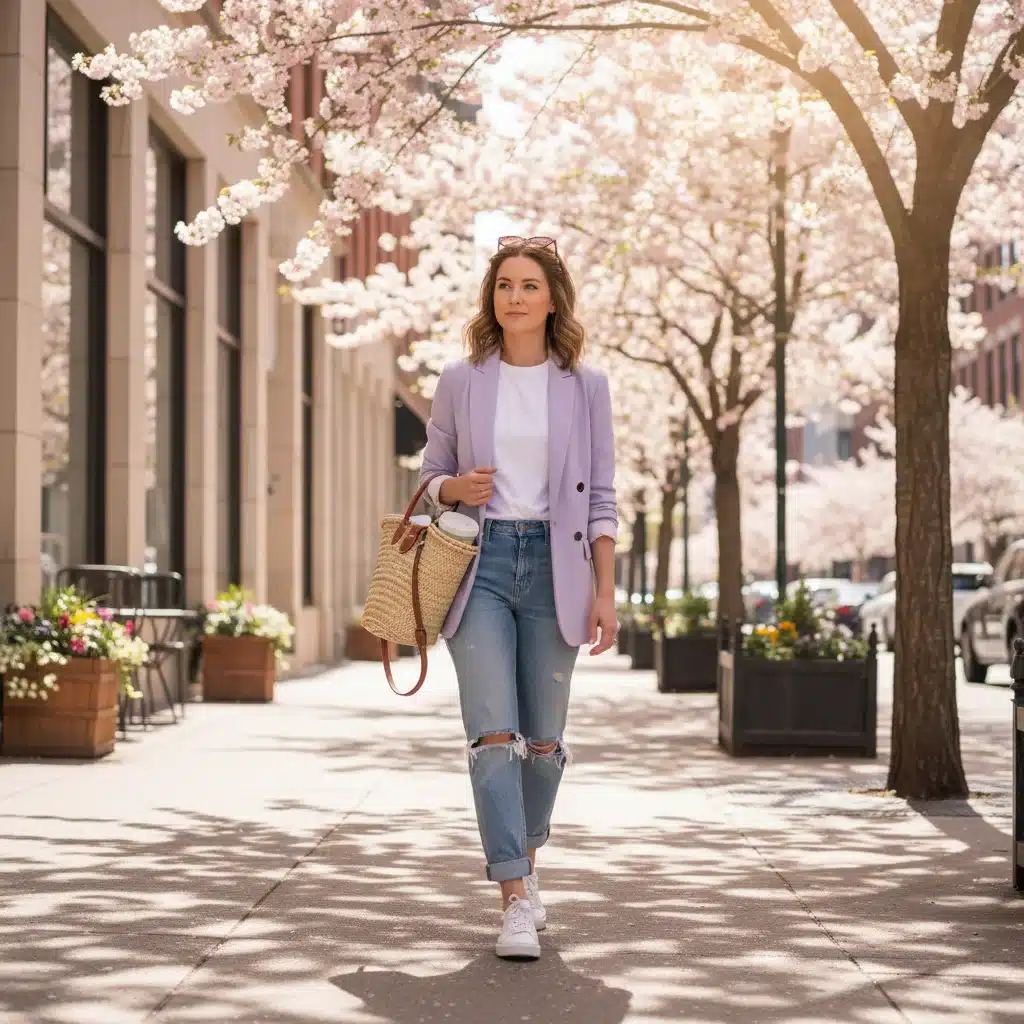
- Lightweight Jackets: A classic trench coat, a stylish shacket (shirt jacket), or a cropped denim jacket will be your best friends for transitional weather.
- Structured Vests: Worn as a top or layered, vests are a chic alternative to blazers, offering a tailored yet relaxed vibe.
- Basket Bags & Straw Totes: These natural accessories instantly scream spring and summer, adding a relaxed elegance to any ensemble.
- Comfortable but Chic Footwear: Loafers, stylish sneakers, espadrille wedges, and block-heel sandals will be the go-to choices, prioritizing both style and comfort.
Remember, the goal is to integrate these trends thoughtfully. A few well-chosen pieces can significantly update your existing wardrobe, making your spring wardrobe transition feel fresh and exciting without requiring a complete overhaul.
Step 3: Mastering the Art of Layering for Transitional Weather
Spring weather in the U.S. can be notoriously unpredictable, swinging from chilly mornings to warm afternoons and back to cool evenings. This makes layering an indispensable skill for a successful spring wardrobe transition. The key is to create outfits that are adaptable, allowing you to add or remove pieces as the temperature dictates, all while maintaining a cohesive and stylish look.
The Foundation: Breathable Base Layers
Start with a comfortable, breathable base layer. This could be:
- Lightweight T-shirts: Opt for cotton, modal, or linen blends in neutral colors or soft pastels.
- Camisoles or Tanks: Silky camisoles or simple cotton tanks are perfect under sheer blouses or open cardigans.
- Long-Sleeve Tees: For cooler spring days, a thin long-sleeve tee can provide a bit more warmth without bulk.
These base layers should be comfortable against your skin and ideally moisture-wicking to keep you feeling fresh throughout the day.
The Mid-Layer: Adding Warmth and Style
The mid-layer is where you add more warmth and often a significant style element. Consider:
- Cardigans: Lightweight knit cardigans in cotton or merino wool are perfect. They can be draped over shoulders, tied around the waist, or worn open.
- Blouses and Button-Downs: A crisp cotton shirt or a flowy silk blouse can be worn open over a tank top or buttoned up. They add structure and sophistication.
- Lightweight Sweaters: Think fine-gauge knits, open-weave sweaters, or even a chic cashmere blend for those surprisingly chilly spring days.
- Vests: As mentioned in trends, a tailored vest can act as a chic mid-layer, adding a polished touch.
The beauty of the mid-layer is its versatility. It can be the star of the show or a supporting act, easily added or removed to suit the conditions.
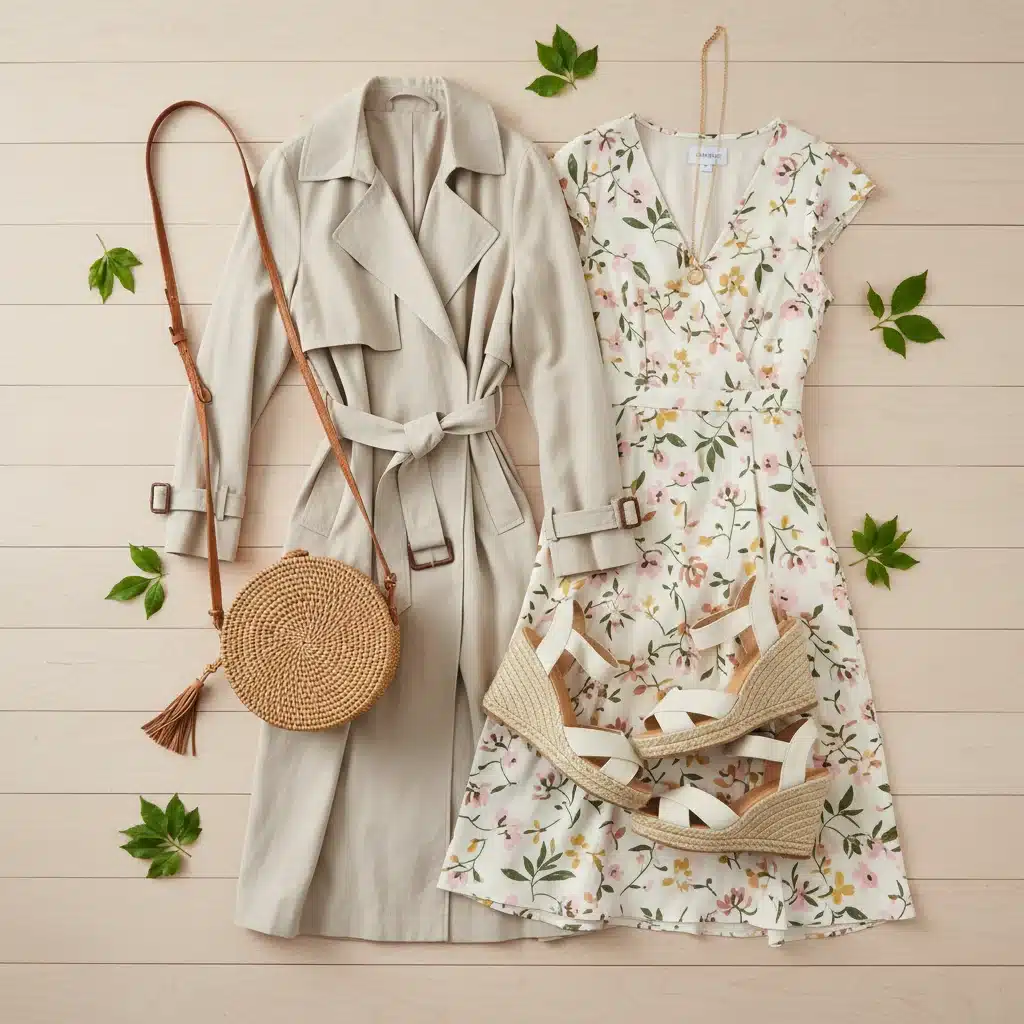
The Outer Layer: Protection and Polish
The outer layer provides protection from the elements and often completes your outfit. For a smart spring wardrobe transition, focus on:
- Trench Coats: A timeless classic, the trench coat is ideal for rain and cooler temperatures. Its versatility makes it a must-have.
- Denim Jackets: A casual yet stylish choice that pairs well with almost anything, from dresses to jeans.
- Blazers: A lightweight blazer in linen or a cotton blend can instantly elevate an outfit, perfect for both work and weekend wear.
- Shackets (Shirt Jackets): A hybrid between a shirt and a jacket, shackets are perfect for a relaxed, utilitarian vibe.
- Lightweight Parkas/Anoraks: For more unpredictable or rainy weather, a stylish, packable parka can be invaluable.
When layering, pay attention to proportions and textures. Mix different fabrics like cotton, linen, and silk for visual interest. Ensure that each layer can stand alone as a complete outfit piece, giving you maximum flexibility throughout the day. Don’t be afraid to experiment with different combinations to find what works best for your personal style and the ever-changing spring climate.
Step 4: Accessorizing and Personalizing Your Spring Look
The final, yet equally important, step in your spring wardrobe transition is to thoughtfully select accessories and personalize your outfits. Accessories have the power to transform a simple ensemble, inject personality, and elevate your entire look for Spring 2026. This is where you can truly express your individual style and make every outfit uniquely yours.
Footwear: Stepping into Spring
Bid farewell to heavy boots and welcome lighter, more open footwear. Key spring footwear options include:
- Stylish Sneakers: White leather or canvas sneakers remain a strong trend, offering comfort and a chic, casual vibe. Look for updated silhouettes or subtle color accents.
- Loafers and Ballet Flats: These classic styles are making a strong comeback, providing polished comfort for both work and leisure.
- Espadrille Wedges and Sandals: Perfect for adding a touch of summery elegance and height without sacrificing comfort.
- Block-Heel Sandals: More stable and comfortable than stilettos, block heels are versatile for day-to-night transitions.
- Mules: Easy to slip on and off, mules offer a relaxed yet sophisticated look.
Ensure your footwear choices align with the overall lightness and freshness of your spring wardrobe. Comfort is paramount, especially as you’ll likely be spending more time outdoors.
Bags: From Winter to Warmth
Swap out your heavy leather totes for lighter, more playful options:
- Straw and Woven Bags: These are quintessential spring accessories, ranging from large totes for market trips to smaller cross-body bags for everyday errands.
- Canvas Totes: Practical and stylish, canvas bags in natural tones or with subtle prints are perfect for daily use.
- Pastel or Bright-Colored Mini Bags: A small bag in a vibrant spring hue can add a delightful pop of color to a neutral outfit.
- Structured Top-Handle Bags: For a more polished look, a small to medium-sized structured bag in a light color or interesting texture works beautifully.
Jewelry and Other Embellishments
Spring is the time to embrace lighter, more delicate jewelry or bolder, statement pieces that complement the season’s mood:
- Delicate Gold Layering: Fine gold chains, dainty pendants, and small hoop earrings continue to be popular, offering understated elegance.
- Pearl Accents: Pearls are making a strong resurgence, not just in classic styles but also in modern, unexpected designs.
- Colorful Beads and Resin: For a more playful vibe, chunky beaded necklaces or colorful resin earrings can add a youthful touch.
- Silk Scarves: A versatile accessory, a silk scarf can be tied around your neck, in your hair, on your bag, or even used as a belt, adding color and sophistication.
- Sunglasses: Essential for sunny spring days, choose styles that flatter your face shape and reflect current trends, such as oversized frames or retro cat-eye shapes.
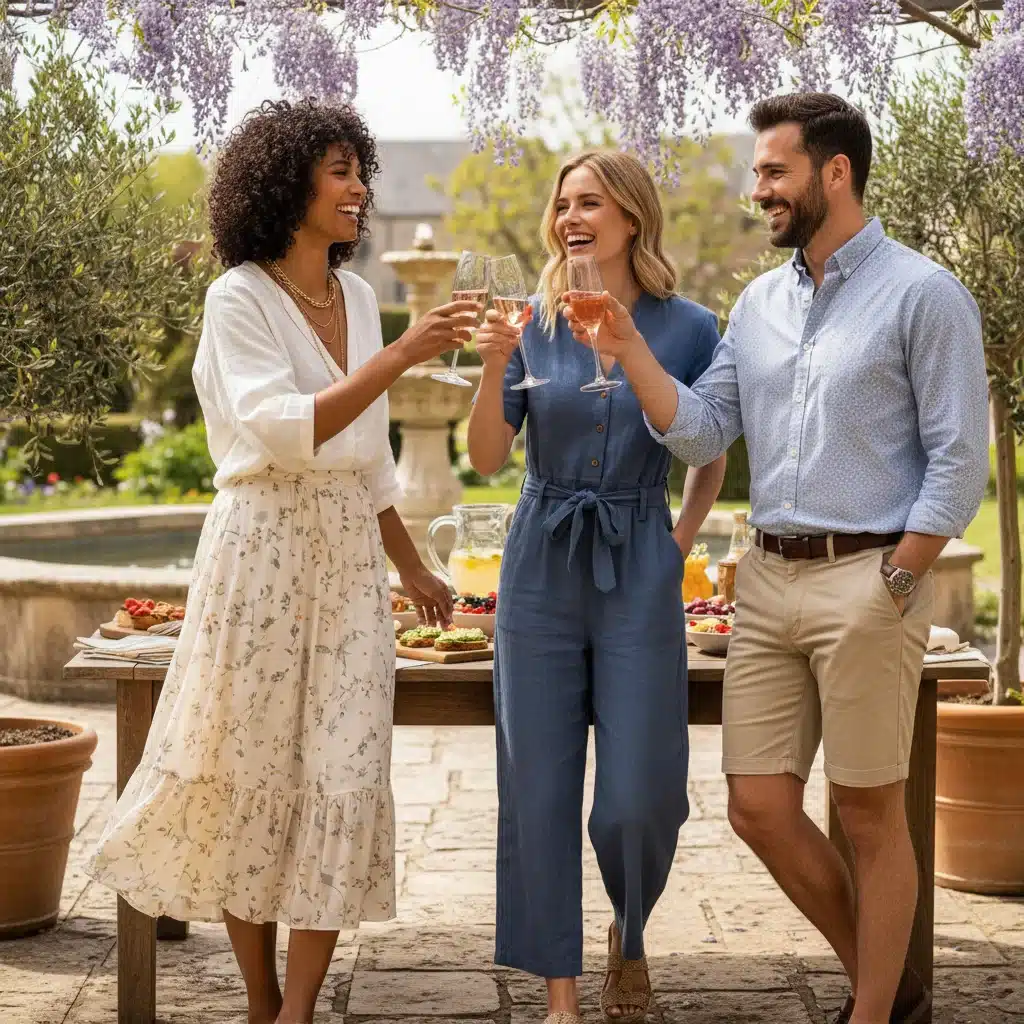
Personalizing Your Style
Beyond specific items, true personalization comes from how you combine and wear your pieces. Don’t be afraid to:
- Mix High and Low: Pair a designer bag with a high-street dress, or a vintage scarf with new sneakers.
- Play with Proportions: Balance oversized tops with fitted bottoms, or vice versa.
- Incorporate Vintage Finds: Unique vintage pieces can add character and a sense of individuality to your spring looks.
- Experiment with Hair and Makeup: Lighter makeup, fresh hairstyles, and even a new nail polish color can significantly contribute to your overall spring aesthetic.
The goal is to create a spring wardrobe transition that feels authentic to you. Accessories are the perfect tools to achieve this, allowing you to fine-tune your outfits and express your mood for the beautiful season ahead.
Sustainable Choices for Your Spring Wardrobe Transition
As we navigate the exciting world of Spring 2026 fashion, it’s increasingly important to consider the environmental and ethical impact of our choices. A truly modern spring wardrobe transition isn’t just about style; it’s also about sustainability. Making conscious decisions can help you build a more responsible and enduring wardrobe.
Embracing Quality Over Quantity
One of the most impactful sustainable practices is to invest in fewer, higher-quality pieces that will last longer. Instead of buying several trendy, inexpensive items that might only survive one season, opt for well-made garments from durable fabrics. For your spring wardrobe transition, this might mean choosing a classic linen blazer that you can wear for years, rather than a fast-fashion alternative that quickly loses its shape or appeal. High-quality items often retain their value better, making them suitable for resale or donation when you eventually move on from them.
Exploring Secondhand and Vintage
The most sustainable garment is often one that already exists. Thrifting, shopping at consignment stores, and exploring online vintage marketplaces are fantastic ways to find unique pieces and reduce your environmental footprint. You might discover a one-of-a-kind floral dress, a perfectly worn-in denim jacket, or a timeless silk scarf that adds character to your spring outfits. This not only prevents clothes from ending up in landfills but also allows you to develop a distinctive personal style that stands out from mass-produced fashion.
Supporting Ethical and Sustainable Brands
When you do decide to purchase new items for your spring wardrobe transition, make an effort to research and support brands that prioritize ethical labor practices and sustainable production methods. Look for certifications that indicate fair wages, safe working conditions, and environmentally friendly manufacturing processes. Many brands are now transparent about their supply chains and their commitment to reducing waste, using organic or recycled materials, and minimizing water usage. While these items might sometimes have a higher upfront cost, they represent an investment in a better future for both people and the planet.
Caring for Your Clothes
Extending the life of your existing garments is a simple yet powerful act of sustainability. Proper care can significantly prolong the wearability of your clothes:
- Follow Care Labels: Pay attention to washing instructions to prevent shrinking, stretching, or damage.
- Wash Less: Many items don’t need to be washed after every wear. Airing them out or spot cleaning can often suffice.
- Choose Eco-Friendly Detergents: Opt for detergents that are biodegradable and free from harsh chemicals.
- Repair, Don’t Replace: Learn basic mending skills like sewing on a button or repairing a small tear. For more complex repairs, consider local tailors or alteration services.
- Store Properly: Protect your clothes from dust, moths, and humidity when storing them for the season.
By integrating these sustainable practices into your spring wardrobe transition, you’re not just updating your style; you’re contributing to a more mindful and responsible fashion industry. It’s about creating a wardrobe that you love, that lasts, and that aligns with your values.
Conclusion: Step into Spring 2026 with Confidence
The spring wardrobe transition is more than just swapping out heavy coats for light jackets; it’s an opportunity to refresh your style, embrace new trends, and prepare for a season of renewal. By following these four easy steps – purging and inventorying, understanding key trends, mastering layering, and thoughtfully accessorizing – you can create a versatile, stylish, and sustainable wardrobe for Spring 2026 in the U.S.
Remember that personal style is an evolving journey. Don’t be afraid to experiment, mix and match, and make choices that genuinely reflect who you are. The aim is to build a closet that serves you, makes you feel confident, and allows you to navigate the changing weather with grace and ease. So, take a deep breath, open your closet, and embark on your effortless spring wardrobe transition. Here’s to a season filled with fresh fashion and fantastic memories!