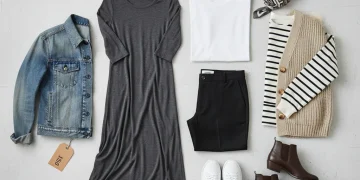
Mastering Stylish Layering: 5 Expert Techniques for 2026 Fashion
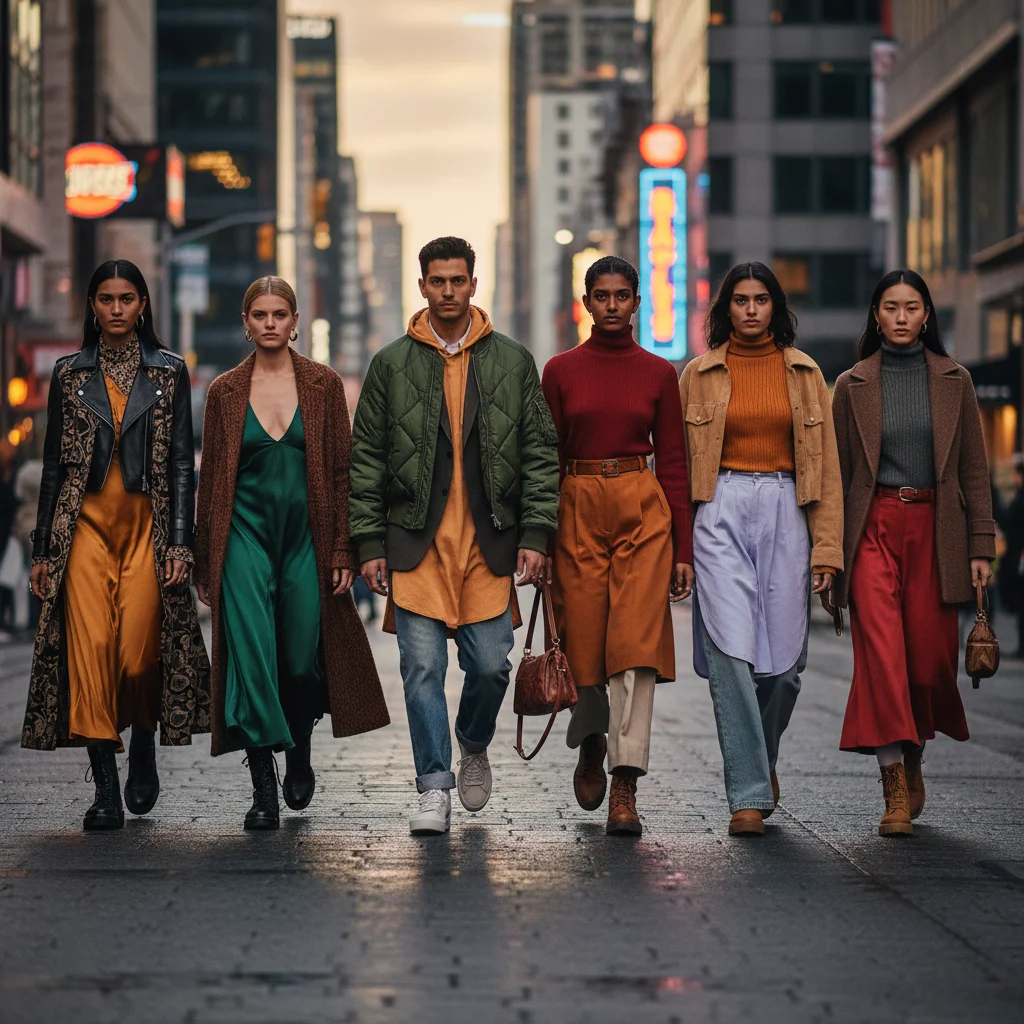
The 2026 Art of Layering: 5 Expert Techniques for Stylish Depth
Welcome to the forefront of fashion, where personal expression meets practical elegance. In 2026, the art of layering isn’t just about staying warm; it’s a sophisticated method for crafting outfits that speak volumes about your style. Mastering stylish layering techniques allows you to transform simple garments into complex, visually appealing ensembles, suitable for any occasion and climate. This guide delves deep into the strategies that will elevate your wardrobe, ensuring you’re not just dressed, but impeccably styled.
Layering, at its core, is the process of wearing multiple pieces of clothing atop one another. However, the true ‘art’ lies in doing so with intention, creating harmony in textures, colors, and proportions. It’s about building an outfit that feels cohesive, comfortable, and effortlessly chic. Forget bulky, shapeless looks; 2026 layering is all about strategic placement, thoughtful combinations, and a keen eye for detail. Whether you’re navigating unpredictable weather or simply aiming to add more dimension to your daily wear, these expert tips will empower you to become a layering virtuoso.
Our journey into the world of stylish layering begins with understanding the fundamental principles that underpin every successful layered look. It’s more than just throwing on clothes; it’s about creating a narrative with your attire, piece by piece. Let’s explore the five essential techniques that will define your layering game in 2026.
1. The Foundation First: Mastering Base Layers for Stylish Layering
Every magnificent structure begins with a strong foundation, and your layered outfit is no different. The base layer is the garment closest to your skin, and its importance cannot be overstated. In 2026, base layers are no longer just utilitarian; they are integral to the aesthetic and comfort of your entire ensemble. Choosing the right base layer is the first step towards achieving truly stylish layering techniques.
Material Matters: Opt for materials that feel good against your skin and offer appropriate temperature regulation. For warmer days or transitional seasons, lightweight, breathable fabrics like cotton, linen blends, or fine merino wool are excellent choices. They wick away moisture and prevent overheating. For colder climates, thermal fabrics or thicker merino wool provide essential warmth without bulk. The quality of your base layer sets the tone for the entire outfit; a flimsy or ill-fitting base can undermine even the most carefully constructed layers above it.
Fit is Key: Your base layer should be snug but not restrictive. A close fit ensures that subsequent layers drape smoothly over it, preventing bunching and creating a clean silhouette. Avoid overly loose base layers, as they can add unnecessary bulk and disrupt the flow of your outfit. Think of it as a second skin – comfortable, seamless, and almost invisible beneath your other garments.
Color and Texture: While often hidden, the color and texture of your base layer can still influence the overall look, especially if it peeks out at the neckline or cuffs. Neutral tones like white, black, grey, or nude are versatile and can serve as a canvas for bolder outer layers. However, don’t shy away from using a subtly textured base, such as a ribbed knit or a fine silk, to add an unexpected element of interest when partially revealed. This attention to detail is a hallmark of truly stylish layering techniques.
Examples of Effective Base Layers:
- Sleek Turtlenecks: A thin, fitted turtleneck in merino wool or a cotton blend is a timeless base layer. It provides warmth and an elegant neckline that pairs beautifully under blazers, sweaters, or dresses.
- Long-Sleeve Tees: High-quality long-sleeve t-shirts in soft fabrics are incredibly versatile. They can be worn under almost anything, offering a comfortable and smooth underlayer.
- Camisoles and Tank Tops: For lighter layering or to add an extra thin layer under sheer tops, camisoles and tank tops are perfect. Choose silk or modal for ultimate comfort.
- Bodysuits: Bodysuits are excellent for creating a seamless foundation as they stay tucked in perfectly, preventing any unwanted bulges or lines.
By prioritizing your base layer, you’re not just ensuring comfort; you’re laying the groundwork for a sophisticated and polished layered look. It’s the unspoken hero of any multi-garment ensemble, and mastering its selection is crucial for achieving truly stylish layering techniques in 2026.
2. The Art of Proportion Play: Balancing Lengths and Silhouettes
Once your foundation is set, the next critical step in achieving stylish layering techniques is mastering the art of proportion. This involves consciously playing with different lengths and silhouettes to create visual interest, balance, and a flattering shape. Without attention to proportion, layered outfits can quickly become bulky or overwhelming. The goal is to build an ensemble that flows harmoniously, guiding the eye through various textures and forms.
Varying Lengths: One of the most effective ways to create dynamic layered looks is by incorporating garments of different lengths. Instead of wearing three items of similar length, try combining a shorter top, a mid-length jacket, and a long coat. This creates a staggered effect that adds depth and prevents a ‘blocky’ appearance. For instance, a cropped sweater over a longer button-down shirt, paired with high-waisted trousers, offers a modern and chic silhouette.
Playing with Silhouettes: Mix and match different garment shapes to add intrigue. Combine form-fitting pieces with more relaxed or oversized items. A sleek, fitted base layer can be beautifully contrasted with a voluminous sweater or a flowy tunic. Similarly, a structured blazer over a soft, draped dress creates an appealing juxtaposition. The key is to avoid having too many loose or too many tight layers, which can either drown your figure or restrict movement.
The ‘Rule of Thirds’ in Fashion: While not a strict rule, thinking about dividing your body into visual thirds can be helpful. For example, a longer top that hits at the hip, paired with a jacket that ends around the mid-thigh, and trousers, creates interesting breakpoints. This technique prevents your outfit from looking cut in half and creates a more elongated and balanced appearance.
Belt It Up: A belt is a powerful tool for defining your waist and asserting proportion in layered outfits. Cinching a belt over a loose dress with a cardigan, or over a long coat, can instantly create an hourglass silhouette and prevent layers from looking shapeless. It adds a focal point and brings structure to otherwise fluid pieces.
Consider Your Body Shape: Always keep your individual body shape in mind when playing with proportions. If you’re petite, very long layers might overwhelm your frame, so opt for slightly shorter versions or ensure that one key piece is elongated to create vertical lines. If you have a curvier figure, use belts and strategic layering to highlight your waist and balance your proportions. The aim is always to enhance your natural silhouette, not to hide it.
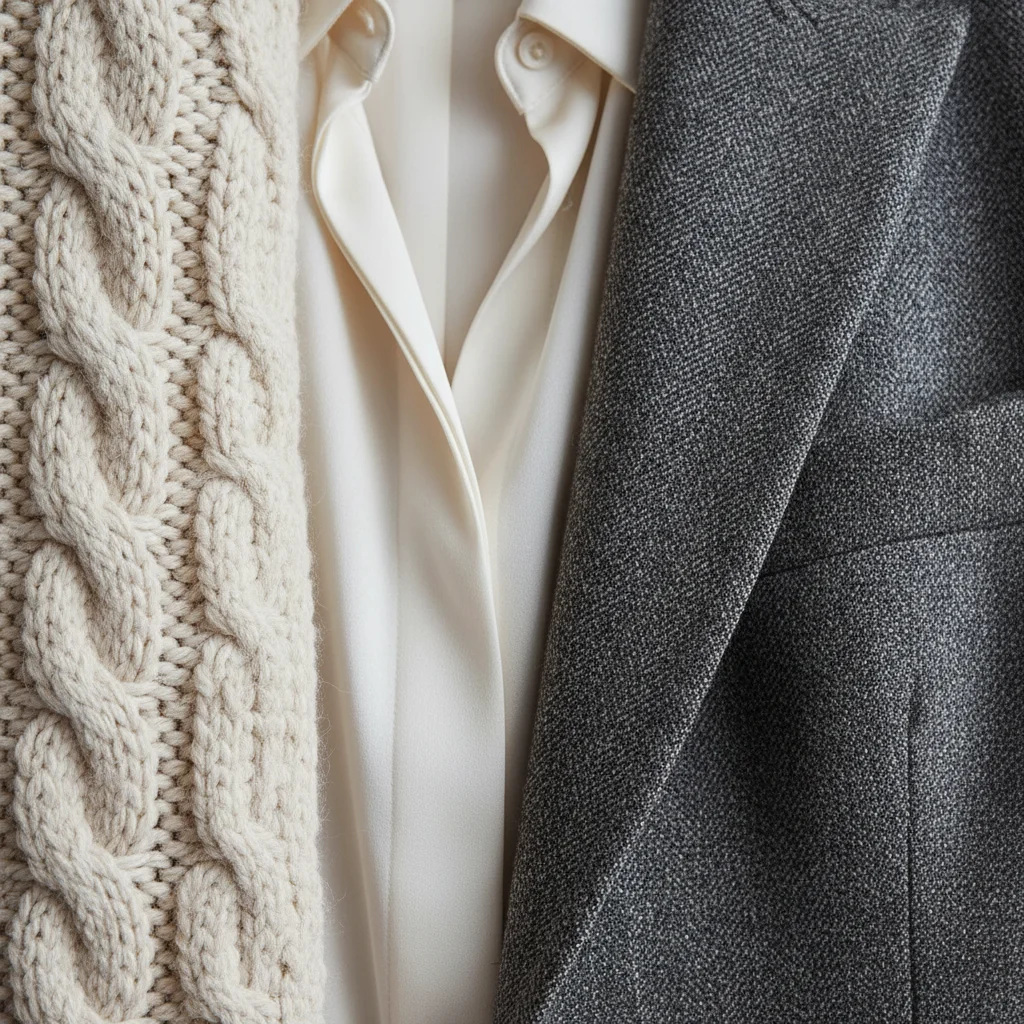
By thoughtfully considering the lengths and silhouettes of each piece, you can transform a simple collection of garments into a sophisticated and visually compelling outfit. This mastery of proportion is a cornerstone of truly stylish layering techniques, allowing you to create looks that are both fashionable and flattering.
3. Texture Talk: Mixing Fabrics for Visual Interest and Depth
Beyond color and shape, the tactile quality of your clothing – its texture – plays a monumental role in creating compelling and stylish layering techniques. Mixing fabrics adds incredible visual interest and depth to an outfit, transforming flat, one-dimensional looks into rich, multi-faceted ensembles. In 2026, fashion celebrates the interplay of diverse textures, encouraging bold and unexpected combinations.
Contrast is Key: The most effective way to use texture in layering is through contrast. Pair smooth, refined fabrics with rougher, more organic ones. Think of a luxurious silk camisole peeking out from under a chunky knit sweater, or a crisp cotton shirt worn beneath a soft, fuzzy cardigan. The juxtaposition of these different surfaces creates a dynamic dialogue that is visually stimulating and adds a sense of sophistication.
Types of Textures to Experiment With:
- Smooth & Silky: Silk, satin, modal, fine jersey. These provide a sleek, often lustrous base or mid-layer.
- Soft & Fuzzy: Cashmere, angora, mohair, fleece, brushed cotton. These add warmth, comfort, and a comforting tactile quality.
- Structured & Crisp: Denim, tweed, corduroy, stiff cotton, tailored wool. These offer backbone and definition to an outfit.
- Rough & Organic: Linen, raw silk, some knits, leather, suede. These bring a natural, sometimes rustic, element.
- Sheer & Delicate: Chiffon, organza, lace. These add a touch of romance, transparency, and lightness.
Building a Textured Story: Imagine an outfit that starts with a fine-gauge merino wool base (soft), topped with a structured denim shirt (crisp), and finished with a voluminous faux fur vest (fuzzy). Each layer introduces a new textural element, building a rich and engaging visual story. This approach prevents an outfit from looking bland and adds a tactile dimension that invites closer inspection.
Consider the Weight: When mixing textures, also consider the weight of the fabrics. Generally, heavier textures should be on the outside, and lighter ones closer to the body. This follows a logical progression for warmth and ensures that the outfit drapes correctly. However, there are exceptions; a sheer, delicate top over a solid, opaque camisole, or a lightweight lace dress worn over slim-fit trousers, can create interesting and modern effects.
Monochromatic Texture Play: Don’t underestimate the power of texture in monochromatic outfits. Wearing various shades of the same color but in different textures (e.g., a matte cotton shirt, a shiny silk skirt, and a fluffy wool cardigan, all in shades of cream) creates an incredibly chic and sophisticated look without relying on color contrast. This is a hallmark of truly stylish layering techniques for an elevated aesthetic.
Integrating a variety of textures into your layered looks is a game-changer. It elevates your outfits from merely functional to fashion-forward, demonstrating a nuanced understanding of style. Experiment with combinations, feel the fabrics, and observe how they interact to create outfits that are visually rich and deeply appealing.
4. Color Harmony and Contrast: Painting Your Layered Canvas
Color is perhaps the most immediate visual element of any outfit, and in layering, it becomes a powerful tool for expression and cohesion. The fourth expert technique for stylish layering techniques in 2026 involves mastering color harmony and contrast to create outfits that are both eye-catching and well-balanced. It’s about painting your canvas with intention, ensuring each shade plays its part in the overall masterpiece.
Monochromatic Magic: One of the most sophisticated approaches to color in layering is the monochromatic look. This involves layering different shades and tones of a single color. For example, a deep navy base layer, a medium blue sweater, and a lighter blue tailored coat. This creates a seamless, elongated silhouette and exudes effortless elegance. The variation in shades adds depth, while the single color palette maintains harmony. As discussed in the texture section, integrating varied textures within a monochromatic scheme further amplifies its impact.
Analogous Adventures: Analogous colors are those that sit next to each other on the color wheel (e.g., blue, blue-green, and green). Layering with analogous colors creates a harmonious and pleasing transition. Imagine a sage green top, an olive green jacket, and a forest green scarf. This method offers more vibrancy than monochromatic looks while still feeling cohesive and balanced.
Complementary Contrasts: For those who love a bolder statement, complementary colors (opposite each other on the color wheel, like blue and orange, or purple and yellow) offer high contrast and energy. When using complementary colors in layering, it’s often best to let one color dominate and use its complement as an accent. For instance, a primarily navy outfit with a pop of orange in a scarf or a bag. This creates visual excitement without overwhelming the eye, a true sign of advanced stylish layering techniques.
Neutral Foundations with Pops of Color: Neutrals (black, white, grey, beige, navy) are the unsung heroes of layering. They provide a stable and versatile base upon which to build. Layering multiple neutrals, perhaps varying their textures, can create a sophisticated and minimalist look. To add interest, introduce a single, carefully chosen pop of color in one of your layers – a vibrant scarf, a colorful sweater, or a bright accessory. This draws the eye and adds personality without disrupting the overall balance.
The 60-30-10 Rule: This design principle can be applied to fashion. Allocate 60% of your outfit to a dominant color, 30% to a secondary color, and 10% to an accent color. For layered outfits, this means choosing a main color for your larger pieces (coat, main sweater), a secondary color for a mid-layer (shirt, vest), and an accent color for a smaller item (scarf, jewelry, bag). This rule helps ensure a balanced and aesthetically pleasing color distribution.
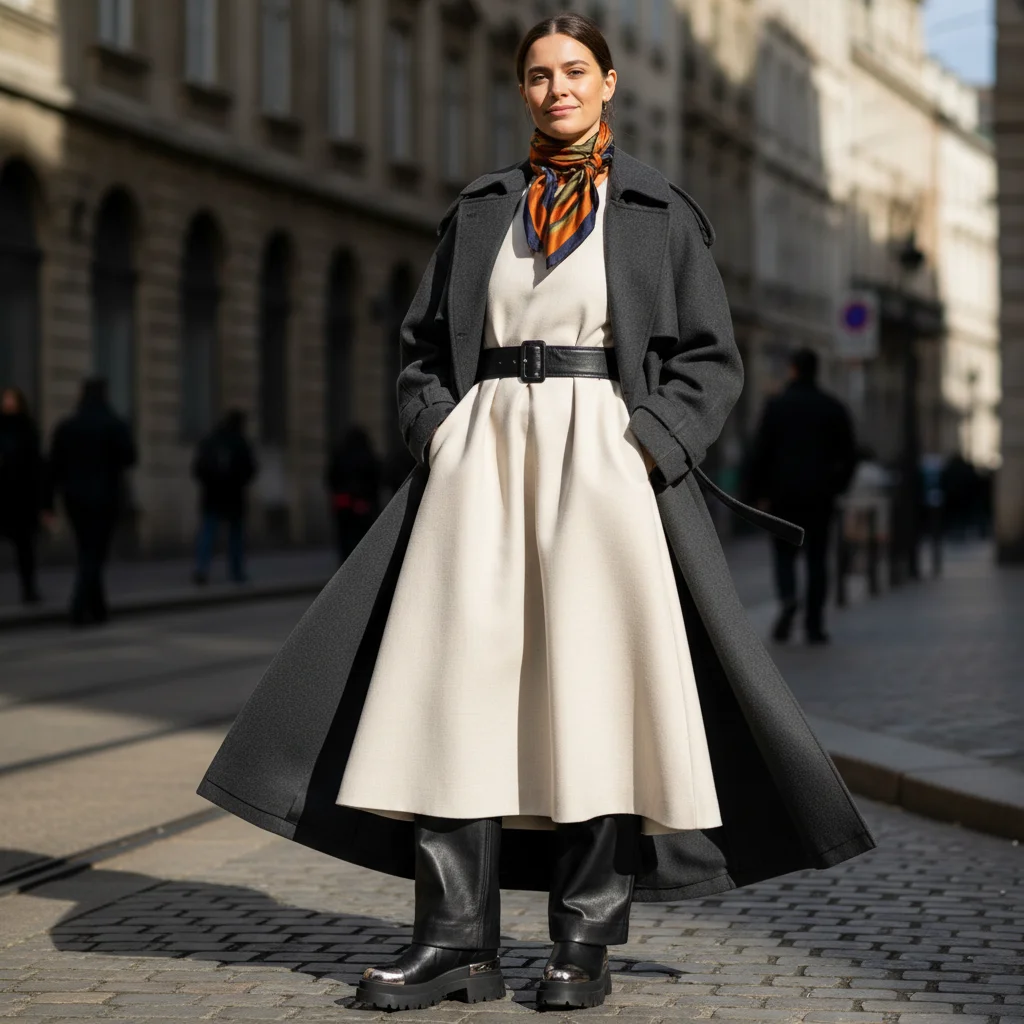
Experimenting with color in your layered outfits can transform your style. Whether you prefer subtle harmony or bold contrast, understanding how colors interact will empower you to create looks that are not just warm, but also wonderfully expressive. This strategic use of color is a defining element of truly stylish layering techniques.
5. Accessorize with Intention: The Finishing Touches That Elevate
The final, yet equally crucial, technique for mastering stylish layering techniques in 2026 involves the strategic use of accessories. Accessories are not mere afterthoughts; they are powerful tools that can unify, enhance, and personalize your layered outfits, taking them from good to truly exceptional. They add the ‘finishing touches’ that convey attention to detail and a refined sense of style.
Scarves: The Ultimate Layering Accessory: Scarves are perhaps the most versatile layering accessory. They can add warmth, a pop of color, an interesting texture, or a touch of elegance. From chunky knit infinity scarves for warmth to delicate silk squares for a sophisticated accent, the possibilities are endless. Experiment with different tying methods – a French knot for a chic touch, a simple drape for effortless cool, or a voluminous wrap for maximum impact. A scarf can break up a solid block of color, introduce a pattern, or simply add another layer of visual interest to your neckline.
Belts: Defining Your Silhouette: As mentioned earlier, belts are essential for defining your waist and adding structure to layered looks. A wide belt over a long cardigan or a thin belt cinching a blazer over a dress can instantly create a more flattering silhouette and prevent a bulky appearance. Belts also offer an opportunity to introduce another texture (leather, suede) or a metallic accent that complements your outfit.
Jewelry: Subtle Sparkle and Personal Touch: While layering clothes, don’t forget to layer your jewelry too! Delicate necklaces of varying lengths can add subtle sparkle and draw attention to the neckline. Statement earrings can frame the face, and stacked bracelets can add interest to your wrists, especially if your sleeves are rolled up. Choose jewelry that complements the overall aesthetic of your layered outfit – minimalist for sleek looks, bold for dramatic ensembles.
Hats and Headwear: Practicality Meets Style: Hats are not only practical for warmth or sun protection but also make a significant style statement. A beanie can add a casual, cozy vibe, while a wide-brimmed fedora can elevate an outfit with a touch of bohemian chic. Headbands or hair scarves can also add a subtle layer of color or pattern, tying an outfit together.
Bags and Footwear: The Anchors of Your Look: Your choice of bag and footwear acts as an anchor for your layered outfit. They should complement the overall aesthetic and color palette. A structured handbag can add polish to a relaxed layered look, while ankle boots can ground a flowy dress and cardigan ensemble. Consider the textures and colors of these items in relation to your layered garments to ensure a cohesive and stylish finish.
Gloves: A Touch of Elegance and Warmth: For colder weather layering, a pair of elegant gloves can be both functional and fashionable. Leather gloves add a touch of sophistication, while knit gloves can enhance a cozy, casual look. They complete the winter layered ensemble, showing an impeccable eye for detail.
By thoughtfully integrating accessories, you infuse your layered outfits with personality and polish. They are the final brushstrokes on your fashion canvas, ensuring that every detail contributes to a cohesive, stylish, and unforgettable look. Mastering these finishing touches is truly the pinnacle of stylish layering techniques.
Beyond the Basics: Advanced Layering Strategies for 2026
Once you’ve mastered the five core stylish layering techniques, it’s time to explore some advanced strategies that will truly set your 2026 style apart. These approaches push the boundaries of conventional layering, encouraging creativity and a fearless approach to fashion.
Layering Innerwear as Outerwear: This trend has been gaining momentum and is set to dominate in 2026. Think of wearing a chic lace bralette or a silky slip dress over a thin turtleneck or a crisp button-down shirt. This daring combination redefines the purpose of inner garments, transforming them into focal points of an outfit. The key is to balance the delicate nature of the innerwear with more structured or modest pieces underneath, ensuring the look is intentional and fashion-forward, not accidental.
The ‘Third Piece’ Rule Expanded: While the ‘third piece’ (a jacket, vest, or cardigan) is a classic layering trick, expand this concept to include a ‘fourth’ or even ‘fifth’ piece. This doesn’t mean adding bulk, but rather introducing subtle layers like a thin scarf, a statement belt, or even a long-sleeve tee peeking out from under a short-sleeve top. Each additional element, no matter how small, adds complexity and interest to your overall look, showcasing your mastery of stylish layering techniques.
Deconstructed Layering: This involves playing with garments that are designed with layering in mind, or pieces that appear ‘deconstructed.’ Think of sweaters with intentional cutouts revealing a layer beneath, or shirts with asymmetrical hems that naturally create dynamic lines. This approach allows for an inherently layered look with minimal effort, as the garment itself does the work of creating visual depth.
Unexpected Pairings: Challenge traditional notions of what goes together. Pair a formal blazer over a casual hoodie, or a delicate slip dress over rugged denim. The contrast between unexpected textures, styles, and levels of formality creates a unique and avant-garde layered aesthetic. The trick is to ensure there’s a unifying element – perhaps a consistent color palette or a shared fabric type – to prevent the outfit from looking haphazard.
Layering with Transparency: Incorporate sheer or semi-sheer fabrics into your layering. A transparent blouse over a contrasting camisole, a mesh top under a blazer, or a sheer dress over trousers and a top. This technique adds an ethereal quality, allowing glimpses of the layers beneath, creating intrigue and lightness. It’s a sophisticated way to add depth without adding significant bulk, making it perfect for transitional weather or for adding a delicate touch to stylish layering techniques.
Seasonal Blending: Don’t restrict layering to just one season. While often associated with cooler weather, layering can be adapted for warmer months too. Think lightweight linen shirts over cotton tanks, open-knit cardigans over summer dresses, or sheer kimonos over swimwear. The principle remains the same: adding depth and interest, but with breathable, light fabrics.
These advanced strategies are about pushing your creative boundaries and thinking outside the box. They require confidence and a willingness to experiment, but the results are outfits that are truly unique, memorable, and reflective of a sophisticated understanding of fashion. Embracing these techniques will solidify your status as a layering expert in 2026.
Conclusion: Your 2026 Guide to Effortless Layering and Unmatched Style
The art of layering is a dynamic and evolving aspect of personal style, and in 2026, it’s more about intentionality, creativity, and self-expression than ever before. By mastering these five expert stylish layering techniques – starting with a strong base, playing with proportions, mixing textures, harmonizing colors, and accessorizing with purpose – you gain the power to transform your wardrobe and elevate your everyday looks.
Layering is not just a practical solution for varying temperatures; it’s a sophisticated method for adding depth, dimension, and personality to your outfits. It allows you to tell a story with your clothes, showcasing your understanding of balance, contrast, and visual appeal. From the subtle interplay of different fabrics to the bold statement of contrasting colors, each layer contributes to a cohesive and compelling aesthetic.
Remember, fashion is a journey of discovery. Don’t be afraid to experiment, to break conventional rules, and to find what truly resonates with your personal style. Use these techniques as a springboard for your own creativity. Try new combinations, observe how different pieces interact, and most importantly, have fun with it. The most stylish layered outfits are often those that reflect a confident and authentic approach to dressing.
As we move further into 2026, let your wardrobe be a canvas for your creativity. Embrace the versatility that layering offers, and you’ll find yourself not only better prepared for any weather but also consistently dressed in outfits that are effortlessly chic, uniquely yours, and undeniably stylish. Your journey to mastering stylish layering techniques starts now – go forth and layer with confidence!