Workwear Wonders: 5 Professional Fashion Trends for Hybrid Workplaces in 2026

Workwear Wonders: How 5 Professional Fashion Trends Are Adapting to Hybrid Workplaces in 2026
The landscape of work has undergone a seismic shift, and with it, our wardrobes. The traditional 9-to-5 office, once the sole arbiter of professional attire, has given way to the dynamic, flexible, and often unpredictable hybrid workplace. As we stride into 2026, the evolution of workwear continues, blending comfort, functionality, and undeniable style. Gone are the days of rigid suits and uncomfortable heels for every workday; instead, we embrace a new era where professional fashion seamlessly transitions between home offices, co-working spaces, and occasional in-person meetings. This article delves into the top 5 professional fashion trends that are not just adapting but thriving in the hybrid work environment of 2026, offering insights into how you can elevate your style while maintaining peak performance.
The core philosophy behind these emerging Hybrid Workwear Trends is versatility. Professionals today need clothing that can effortlessly move with them, from a video conference call to a casual coffee meeting, and then to an important client presentation. This demand has spurred innovation in fabric technology, design, and overall aesthetic, prioritizing comfort without compromising on polish. Let’s explore the trends that are setting the standard for professional dressing in the mid-2020s.
1. The Elevated Comfort Core: Redefining Professional Loungewear
The pandemic undeniably normalized comfort in our daily lives, and this influence has permanently reshaped professional attire. The ‘Elevated Comfort Core’ trend isn’t about showing up to a board meeting in pajamas, but rather about integrating the luxurious feel and relaxed silhouettes of loungewear into sophisticated professional ensembles. Think beyond basic sweatpants; this trend embraces high-quality knits, soft-touch fabrics, and relaxed tailoring that provide maximum comfort without sacrificing an ounce of professionalism.
In 2026, this means seeing more structured knit blazers, wide-leg trousers in flowing, wrinkle-resistant materials, and sophisticated jersey dresses that drape beautifully. The key is in the fabric choices: merino wool blends, Tencel, modal, and high-performance synthetics that offer breathability, stretch, and a polished finish. Colors tend to be muted and versatile – a palette of creams, charcoals, navies, and deep olives – allowing for easy mixing and matching. Accessorizing plays a crucial role in elevating these comfortable pieces, with minimalist jewelry, structured handbags, and elegant footwear transforming a relaxed outfit into a boardroom-ready look. This trend acknowledges that prolonged sitting, whether at a home desk or in an office, necessitates clothing that doesn’t restrict or irritate, fostering focus and well-being. It’s about feeling as good as you look, and that psychological boost directly translates into improved productivity and confidence in the hybrid work setting.
Why it’s perfect for Hybrid Workwear Trends:
- Seamless Transition: Easily moves from home office comfort to in-person professional settings.
- All-Day Wearability: Designed for extended periods of wear, reducing discomfort and distraction.
- Polished Appearance: Despite the comfort, the choice of fabrics and cuts ensures a sophisticated look.
2. The Modular Wardrobe: Building Blocks for Versatility
Efficiency and adaptability are paramount in the hybrid work model, and the ‘Modular Wardrobe’ trend addresses this head-on. This approach focuses on curating a collection of interchangeable pieces that can be combined in numerous ways to create diverse outfits. The goal is to maximize style options with a minimal number of high-quality garments, reducing decision fatigue and ensuring you’re always prepared for any work scenario.
Key to this trend are timeless staples: perfectly tailored trousers, versatile skirts, classic blazers, and foundational tops in neutral colors. However, in 2026, we see an emphasis on innovative design features that enhance modularity. Think blazers with detachable elements (like a removable lapel or a cinchable waist), reversible garments, or items designed to be layered effortlessly. Fabrics are often wrinkle-resistant and travel-friendly, making them ideal for professionals who might commute to the office a few days a week or even travel for work. The modular wardrobe is a smart investment, promoting sustainability by encouraging fewer, higher-quality purchases and reducing textile waste. It empowers individuals to build a personalized uniform that reflects their style while meeting the demands of a flexible work schedule. The beauty of this trend lies in its ability to empower individuals to express their personal style within professional boundaries, creating a sense of individuality even with a streamlined collection of garments.
How it supports Hybrid Workwear Trends:
- Maximized Outfits: A few pieces create many looks, ideal for varied schedules.
- Travel-Friendly: Wrinkle-resistant and easy-to-pack for office days or business trips.
- Sustainable Choice: Encourages conscious consumption and investment in quality.
3. Tech-Integrated Textiles: Smart Fabrics for Smart Professionals
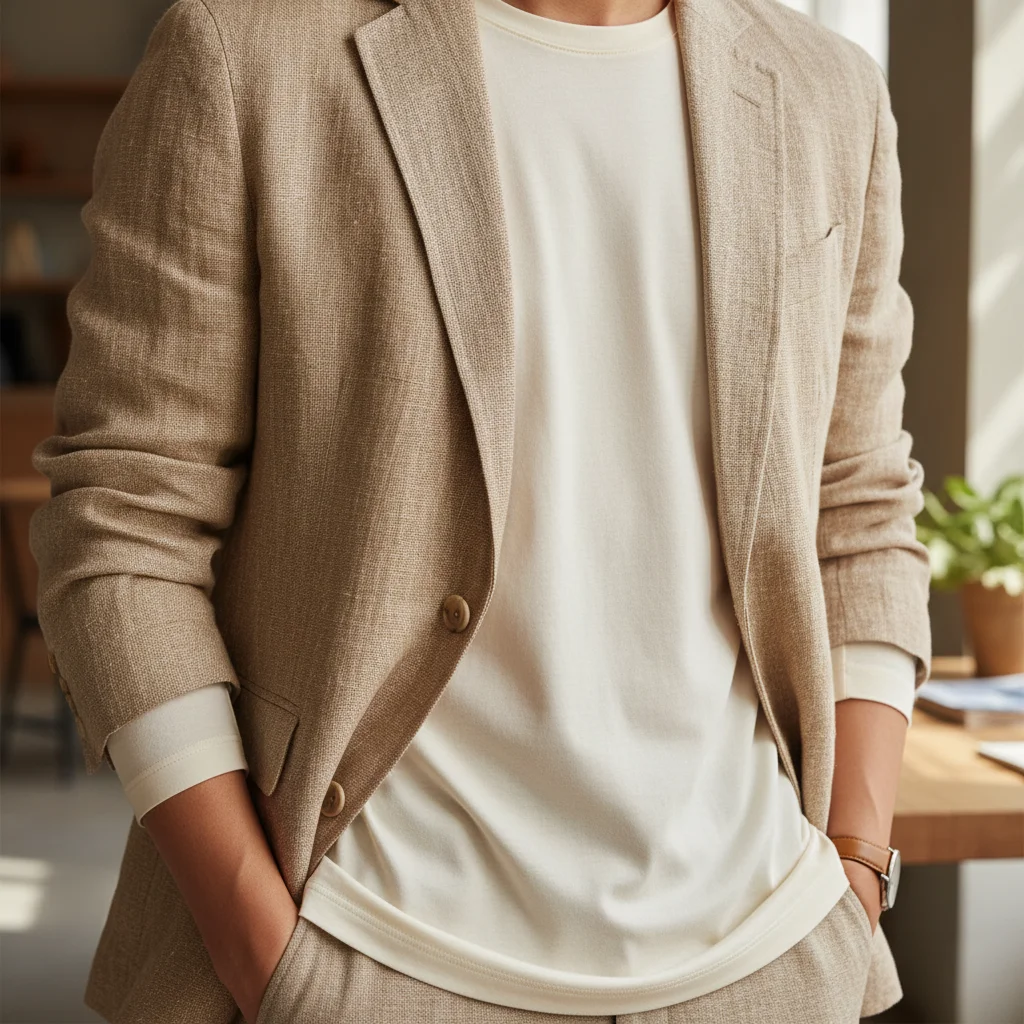
As technology continues to permeate every aspect of our lives, it’s only natural that it would find its way into our clothing. The ‘Tech-Integrated Textiles’ trend is not about wearable gadgets, but rather about fabrics engineered with advanced properties to enhance performance, comfort, and longevity. These smart fabrics are at the forefront of Hybrid Workwear Trends, offering practical benefits that cater specifically to the demands of a dynamic workday.
In 2026, expect to see professional garments made from materials that are:
- Moisture-Wicking: Keeping you cool and dry, especially during stressful meetings or commutes.
- Odor-Resistant: Ideal for long days or when transitioning between different activities.
- Temperature-Regulating: Adapting to varying indoor and outdoor temperatures, perfect for unpredictable office climates or seasonal changes.
- Stain-Resistant: Offering peace of mind against spills, a common workplace hazard.
- Wrinkle-Resistant: Ensuring a crisp, polished look throughout the day, even after hours of sitting or travel.
These innovations aren’t just for activewear; they are being seamlessly woven into sophisticated professional pieces like tailored blouses, blazers, and trousers. Brands are investing heavily in research and development to create fabrics that look and feel luxurious while offering these incredible functional benefits. The result is clothing that not only looks good but actively contributes to your comfort and confidence, allowing you to focus on your work without worrying about your attire. This trend signifies a shift towards clothing that is not just aesthetically pleasing but also highly practical and supportive of a demanding professional lifestyle. It’s about empowering professionals with clothing that performs as hard as they do, making their workday smoother and more comfortable.
Benefits for the Modern Professional:
- Enhanced Comfort: Keeps you feeling fresh and comfortable all day long.
- Low Maintenance: Reduces the need for frequent ironing and special care.
- Increased Confidence: Knowing your clothes are performing as well as you are.
4. The Power of Personalization: Expressing Individuality Within Professionalism
While professionalism remains key, the hybrid work model has opened doors for greater individual expression. The ‘Power of Personalization’ trend in 2026 encourages professionals to infuse their unique style into their workwear, moving away from a one-size-fits-all corporate uniform. This doesn’t mean abandoning professional standards, but rather finding creative ways to showcase personality through thoughtful choices in color, accessories, and subtle design elements.
This trend manifests in several ways:
- Color Accents: Injecting pops of color through a vibrant blouse, a patterned scarf, or statement shoes, while keeping the main ensemble neutral.
- Unique Accessories: Opting for distinctive jewelry, a stylish watch, or a designer bag that reflects personal taste.
- Tailoring and Fit: Investing in well-fitted garments that flatter individual body shapes, often through custom tailoring or made-to-measure services.
- Texture Play: Incorporating different textures like a silk blouse with a tweed blazer, or a leather skirt with a cashmere sweater, to add depth and interest.
- Sustainable and Ethical Choices: Expressing personal values through brands that align with sustainability or ethical production practices.
The rise of hybrid work has blurred the lines between personal and professional life, and this trend acknowledges that authenticity is valued. When you feel comfortable and confident in what you’re wearing, it translates into how you present yourself and interact with others. Personalization allows professionals to feel more ‘themselves’ even in formal settings, fostering a stronger sense of self-expression and potentially boosting job satisfaction. It’s about finding the sweet spot where personal flair meets professional decorum, creating a powerful and memorable impression. This trend is a testament to the evolving understanding that professionalism isn’t about conformity, but about presenting your best, authentic self.
Why it matters for Hybrid Workwear Trends:
- Boosts Confidence: Wearing clothes that truly reflect your style enhances self-assurance.
- Fosters Authenticity: Allows for personal expression within professional boundaries.
- Memorable Impression: Stands out in a subtle, sophisticated way.
5. Sustainable and Ethical Workwear: Fashion with a Conscience
Beyond aesthetics and comfort, a profound shift towards conscious consumption is influencing professional fashion. The ‘Sustainable and Ethical Workwear’ trend is gaining significant momentum in 2026, as individuals and companies alike prioritize environmental responsibility and social impact. This trend isn’t just a niche; it’s becoming an expectation, especially among younger professionals who are deeply committed to values-driven choices.
This trend encompasses several aspects:
- Eco-Friendly Materials: Opting for garments made from organic cotton, recycled polyester, Tencel, linen, or innovative bio-based fabrics that minimize environmental footprint.
- Transparent Supply Chains: Supporting brands that openly share their manufacturing processes, ensuring fair labor practices and safe working conditions.
- Longevity and Durability: Investing in high-quality, well-made pieces designed to last, thus reducing the need for constant replacements and combating fast fashion.
- Circular Fashion Practices: Embracing options like renting professional attire, buying pre-owned luxury items, or supporting brands with recycling programs.
- Minimalist Approach: Curating a smaller, more versatile wardrobe (tying back to the modular trend) to reduce overall consumption.
Companies are also increasingly recognizing the importance of aligning with these values, not just in their operations but also in their expectations for employee attire. Wearing sustainable workwear can be a subtle yet powerful statement about your personal values and your commitment to a better future. It reflects a growing awareness that our choices, even in fashion, have far-reaching impacts. This trend is not merely about looking good; it’s about doing good, making it a compelling and increasingly essential component of modern Hybrid Workwear Trends. It signifies a holistic approach to professionalism, where ethical considerations are as important as sartorial ones, creating a more meaningful and responsible approach to dressing for success.
The Impact on Hybrid Workwear:
- Ethical Alignment: Reflects personal and corporate values.
- Environmental Responsibility: Reduces fashion’s ecological footprint.
- Investment in Quality: Promotes durable garments over disposable fashion.
Embracing the Future of Professional Style
The hybrid workplace of 2026 is a dynamic environment, demanding a wardrobe that is equally agile. The five professional fashion trends outlined above – Elevated Comfort Core, Modular Wardrobe, Tech-Integrated Textiles, the Power of Personalization, and Sustainable and Ethical Workwear – collectively paint a picture of a future where professional attire is intelligent, adaptable, comfortable, and conscious. These trends are not isolated; they often intersect and complement each other, forming a comprehensive approach to modern workwear.
As you navigate your professional journey, consider how these Hybrid Workwear Trends can inform your choices. Investing in versatile, high-quality pieces that offer both comfort and style will not only streamline your morning routine but also enhance your confidence and productivity throughout the day. The goal is to build a wardrobe that supports your multifaceted professional life, allowing you to seamlessly transition between different work settings and tasks with grace and effectiveness. This evolution in workwear is more than just about clothes; it’s about adapting to a new way of working, where flexibility and well-being are paramount. By embracing these trends, professionals can not only look the part but also feel empowered and prepared for whatever the workday brings, whether it’s a virtual meeting from a home office or a collaborative session in a bustling co-working space. The future of workwear is here, and it’s more exciting and functional than ever before.
Key Takeaways for Your 2026 Workwear Strategy:
- Prioritize Versatility: Choose pieces that can be dressed up or down and adapted for various settings.
- Invest in Quality Fabrics: Look for materials that offer comfort, durability, and technological benefits.
- Embrace Comfort: Integrate relaxed silhouettes and soft textures without sacrificing professionalism.
- Personalize Thoughtfully: Use accessories and subtle details to express your individual style.
- Choose Consciously: Support sustainable and ethical brands to align your wardrobe with your values.
The evolving nature of work means our style must evolve too. By understanding and embracing these key Hybrid Workwear Trends, you can ensure your professional wardrobe is not just fashionable but also functional, comfortable, and perfectly suited for the demands of 2026 and beyond. Stay stylish, stay comfortable, and stay ahead in the dynamic world of hybrid work.