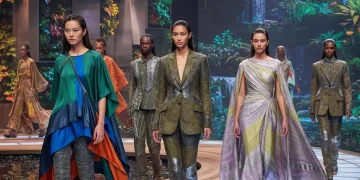
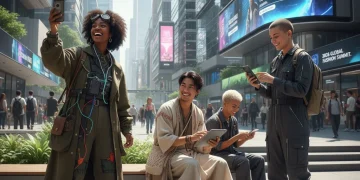
Future Formalwear: 4 Unexpected Trends Redefining US Event Attire 2026
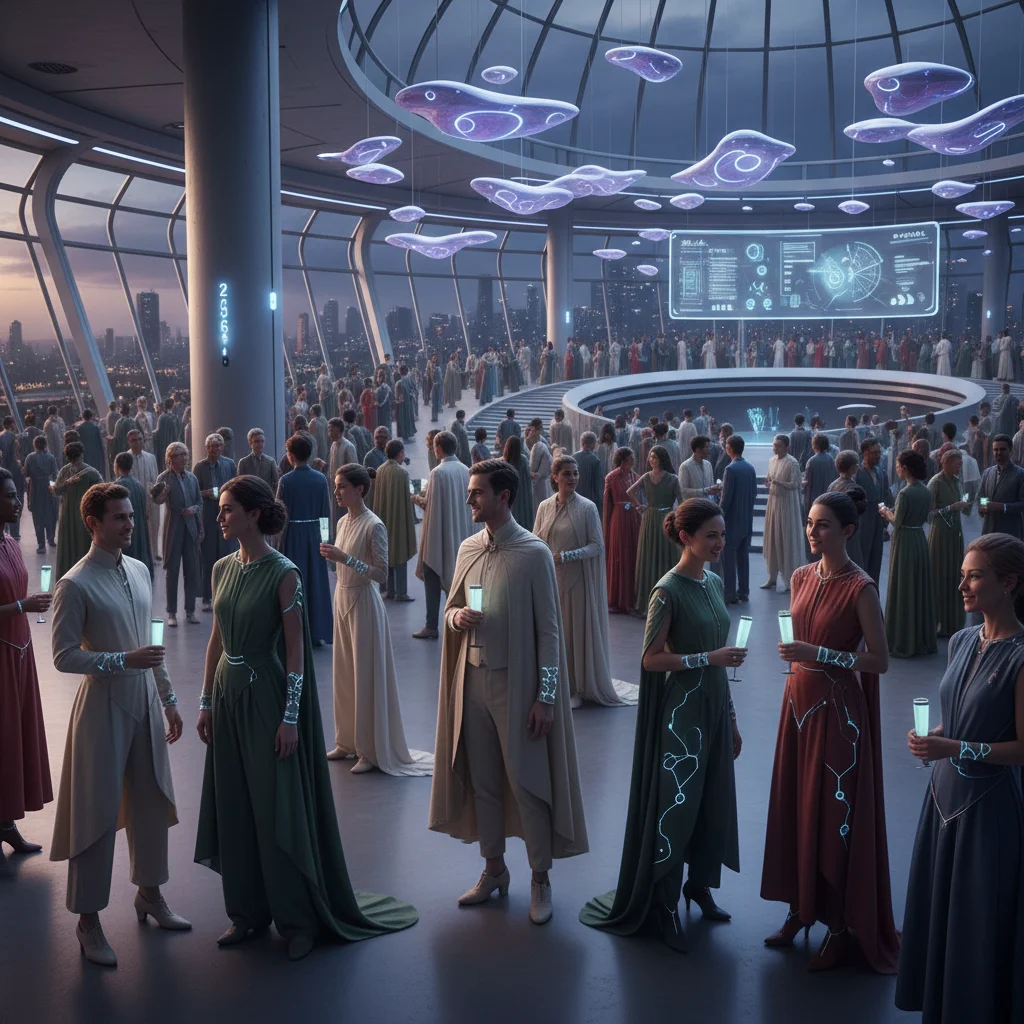
The world of fashion is a perpetual motion machine, constantly reinventing itself, and nowhere is this more evident than in the realm of formalwear. For decades, traditional rules dictated what was appropriate for grand events, galas, weddings, and other significant occasions. However, as society evolves, so too do our sartorial expectations. We’re standing on the precipice of a significant shift, and by 2026, the landscape of US event attire will be almost unrecognizable from what we’ve known. Forget rigid dress codes and predictable silhouettes; the future of formalwear is about innovation, individuality, and impact. This article delves into four unexpected trends that are poised to redefine how Americans dress for formal events, offering a glimpse into a more exciting, conscious, and technologically advanced sartorial future.
The concept of ‘dressing up’ is undergoing a profound metamorphosis. What constitutes elegance and sophistication is no longer solely tied to convention but is increasingly influenced by broader societal values such as sustainability, inclusivity, and personal expression. The upcoming years will see a dramatic departure from the norm, driven by technological advancements, a heightened sense of environmental responsibility, and a greater embrace of diverse identities. Understanding these emerging trends is not just about staying fashionable; it’s about recognizing the cultural currents that shape our collective aesthetic.
From the red carpet to intimate celebrations, the demand for attire that reflects personal values and pushes boundaries is growing. This shift is not merely superficial; it’s a reflection of deeper societal changes. Consumers are more informed, more connected, and more discerning than ever before. They seek authenticity, purpose, and innovation in every aspect of their lives, including their clothing choices. As we look towards 2026, the formalwear industry is responding to these demands with exciting and often unexpected solutions.
We will explore how sustainable luxury is becoming the new standard, examining innovative materials and ethical production methods. We’ll then delve into the rise of gender-neutral designs, dismantling traditional binaries and fostering an era of true sartorial freedom. Following that, we’ll uncover the intriguing integration of technology into fabric and design, transforming garments into interactive experiences. Finally, we’ll discuss the powerful movement towards bold individual expression, where personal style triumphs over rigid dress codes. These future formalwear trends are not just fleeting fads; they represent a fundamental reimagining of what formal attire can and should be.
1. Sustainable Luxury: The New Standard for Future Formalwear
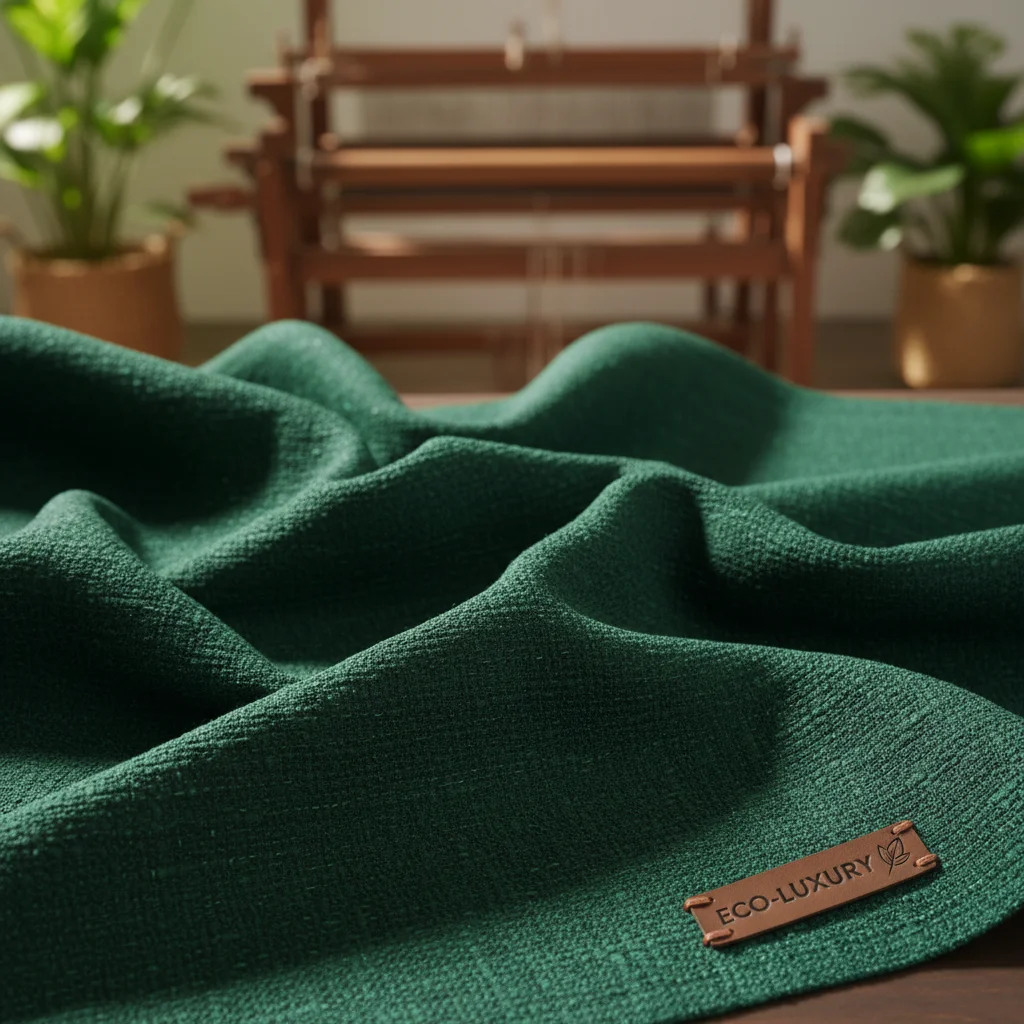
The clamor for sustainability has moved beyond a niche concern and firmly into the mainstream, impacting every sector of consumer goods, including high-end fashion. By 2026, sustainable luxury will no longer be an oxymoron but the expected benchmark for future formalwear. This trend is driven by a growing awareness of the environmental impact of the fashion industry and a consumer base that increasingly values ethical production and eco-conscious materials as much as, if not more than, brand prestige.
Eco-Conscious Materials and Innovation
The heart of sustainable luxury lies in its materials. Traditional silk, satin, and wool are being re-evaluated, and while they won’t disappear entirely, they will face stiff competition from innovative, environmentally friendly alternatives. Expect to see a surge in materials like:
- Recycled Synthetics: Polyester and nylon, often criticized for their environmental footprint, are being given a new lease on life through advanced recycling processes. Formal gowns and suits made from recycled plastics, fishing nets, or even textile waste will become commonplace, offering the same luxurious feel and drape without the guilt.
- Bio-Based Fabrics: Materials derived from plants and other natural sources are rapidly advancing. Think opulent textiles made from pineapple leaves (Pinatex), mushroom mycelium (Mylo), citrus pulp, or even algae. These fabrics offer unique textures and properties, pushing the boundaries of what is possible in formal design.
- Organic and Regenerative Fibers: Organic cotton, linen, and hemp, grown without harmful pesticides, will continue to be important. More significantly, regenerative agriculture practices, which aim to improve soil health and biodiversity, will produce fibers like regenerative wool or cotton, offering a truly circular approach to textile production.
- Lab-Grown Silk and Leather Alternatives: Biotechnology is paving the way for materials that mimic the properties of traditional luxury fabrics without relying on animal agriculture. Lab-grown silk and various plant-based leathers will offer cruelty-free and environmentally lighter options for formal accessories and garments.
Ethical Production and Transparency
Beyond the materials themselves, the entire supply chain of future formalwear will be under scrutiny. Consumers are demanding greater transparency regarding where and how their garments are made. Brands that thrive will be those that can demonstrate:
- Fair Labor Practices: Ensuring that all workers involved in the production process are paid fair wages and work in safe conditions will be non-negotiable. Certifications and blockchain technology will play a crucial role in verifying ethical sourcing.
- Reduced Waste: Design for longevity, zero-waste cutting techniques, and upcycling initiatives will minimize textile waste. Brands will increasingly offer repair services or take-back programs to extend the life cycle of their garments.
- Reduced Water and Chemical Usage: Manufacturing processes that conserve water and avoid harmful dyes and chemicals will be favored. Innovations in dyeing techniques, such as air dyeing or natural dyes, will gain prominence.
The allure of sustainable luxury is not just about being ‘green’; it’s about a holistic approach to quality, craftsmanship, and conscience. A formal gown made from recycled ocean plastic, ethically produced and designed to last generations, will carry more prestige than a conventionally made counterpart. This trend signifies a deeper understanding of value, where the story behind the garment is as important as its aesthetic appeal. By 2026, choosing sustainable formalwear will not be a compromise but a statement of sophisticated responsibility.
2. Gender-Neutral Designs: Breaking Down Binary Barriers in Event Attire
The fashion industry has been slowly but surely dismantling traditional gender norms, and by 2026, this movement will reach a critical mass in formalwear. The concept of ‘men’s’ and ‘women’s’ attire for formal events will become increasingly blurred, giving way to an era of gender-neutral designs that prioritize style, comfort, and individual expression over outdated classifications. This trend is a direct response to a more inclusive society that recognizes and celebrates diverse gender identities.
Fluid Silhouettes and Versatile Garments
The hallmark of gender-neutral future formalwear will be its fluid silhouettes. Designers are moving away from restrictive, gender-specific cuts and embracing styles that can be comfortably and elegantly worn by anyone. Key elements include:
- Relaxed Tailoring: While still sharp and sophisticated, formal suits will feature more relaxed fits, broader shoulders, and less constricting waistlines. This allows for greater comfort and a more modern aesthetic that doesn’t adhere to specific body types.
- Draping and Volume: Gowns and formal separates will incorporate more draping, pleating, and voluminous fabrics that create elegant forms without emphasizing traditionally feminine or masculine attributes. Think capes, flowing tunics, and wide-leg trousers that offer grandeur and sophistication.
- Unisex Jumpsuits and Co-ords: The formal jumpsuit, already gaining traction, will become a staple. Coordinated sets (co-ords) featuring tailored trousers with elegant tops or jackets will offer versatile and chic options for all genders, allowing for mixing and matching to create personalized looks.
- Shared Details: Elements traditionally associated with one gender, such as intricate embroidery, lace, sequins, or bold prints, will be seamlessly integrated into garments for all. Conversely, structured elements like sharp lapels or military-inspired detailing will appear in pieces designed for a broader audience.
Challenging Color Palettes and Accessories
The gender-neutral movement extends beyond cut and silhouette to color and accessories. Traditional associations of colors (e.g., pink for girls, blue for boys) are rapidly fading. Formalwear will embrace a full spectrum of colors for everyone, from vibrant jewel tones to soft pastels and classic monochromes, chosen based on personal preference rather than prescribed gender norms.
Accessories will also play a crucial role in personalizing gender-neutral looks. Statement jewelry, elegant clutch bags, sophisticated footwear (heels, flats, or even stylish boots), and unique headpieces will be available and encouraged for all, allowing individuals to express their unique style without limitation. The emphasis will be on curation and personal taste, rather than adhering to gendered accessory rules.
This trend signifies a powerful cultural shift towards authenticity and self-acceptance. Formal events, which have historically been bastions of conformity, are becoming spaces where individuals can truly shine as themselves. By 2026, gender-neutral formalwear will not just be an option; it will be a celebrated facet of modern elegance, offering freedom and flexibility in how we present ourselves for life’s most significant moments.
3. Tech-Integrated Fabrics: Smart Attire for the Modern Era
The intersection of fashion and technology is no longer the stuff of science fiction; it’s rapidly becoming a reality, especially in the high-stakes world of formalwear. By 2026, tech-integrated fabrics will transform garments from passive coverings into interactive, functional, and even experiential elements of event attire. This trend promises not just aesthetic innovation but also practical benefits, enhancing comfort, personalization, and the overall event experience.
Wearable Technology Beyond Gadgets
While smartwatches and fitness trackers are common, tech-integrated formalwear goes far beyond external gadgets. It involves weaving technology directly into the fabric itself. Expect advancements such as:
- Adaptive Climate Control: Imagine a formal jacket or gown that can subtly adjust its temperature, keeping you cool during a summer wedding or warm during a chilly evening gala. Fabrics with embedded micro-sensors and heating/cooling elements will offer unparalleled comfort, eliminating the need for bulky layers or uncomfortable sweating.
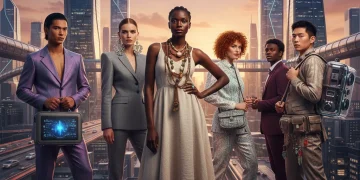
- Dynamic Lighting and Color-Changing Textiles: For those who truly want to make a statement, garments with embedded LED fibers or electrochromic textiles will allow for dynamic visual effects. A dress could subtly change color throughout the evening, pulsate with light to the rhythm of music, or display intricate patterns, all controlled via a smartphone app or pre-programmed sequences. This opens up entirely new avenues for personal expression and visual impact.
- Integrated Health Monitoring: While perhaps more subtle, formalwear could incorporate discreet sensors to monitor vital signs, stress levels, or even posture, providing wearers with real-time feedback or emergency alerts. This adds a layer of practical utility without compromising on elegance.
- Interactive Elements: Imagine formal attire that can display digital art, interact with ambient lighting, or even project subtle images onto surfaces. These interactive elements will turn garments into conversation starters and integral parts of the event’s atmosphere.
Challenges and Evolution of Tech Formalwear
Of course, integrating technology into formalwear comes with its own set of challenges, particularly regarding power sources, durability, and washability. However, rapid advancements in flexible batteries, wireless charging, and robust, washable electronic components are quickly overcoming these hurdles. The focus will be on seamless integration, where the technology enhances the garment without being overtly visible or cumbersome.
The elegance of tech-integrated formalwear will lie in its subtlety and sophistication. The goal isn’t to create flashy, gadget-laden outfits but to enhance the wearer’s experience and aesthetic with intelligent, responsive designs. By 2026, stepping out in formal attire that can adapt to your environment, express your mood through light, or even offer discreet health insights will be a testament to cutting-edge style and forward-thinking fashion. This future formalwear trend represents a leap into a more intelligent and personalized way of dressing for special occasions.
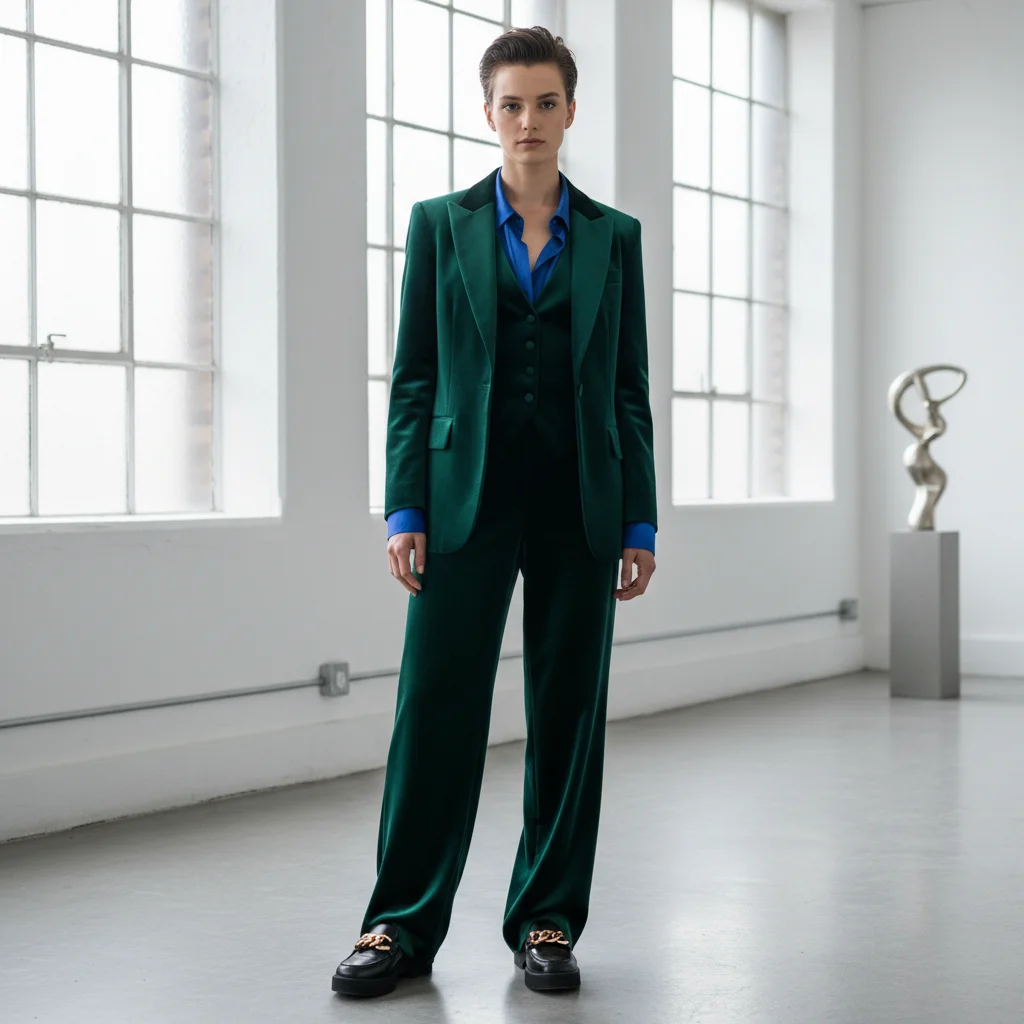
4. Bold Individual Expression: Personal Style Triumphs Over Tradition
Perhaps the most liberating and pervasive of the future formalwear trends for 2026 is the unapologetic embrace of bold individual expression. The days of strict adherence to traditional formal dress codes are waning, replaced by a powerful movement that champions personal style, creativity, and authenticity. This trend is a direct reflection of a society that increasingly values uniqueness and celebrates diverse aesthetics.
Deconstructing and Reimagining Formal Codes
While the concept of ‘formal’ will remain, its interpretation will become remarkably flexible. Expect to see:
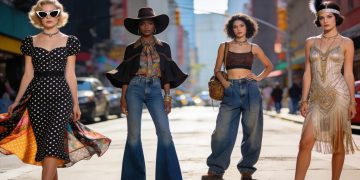
- High-Low Dressing: The pairing of traditionally formal elements with unexpected, casual, or avant-garde pieces will become a hallmark. A couture gown might be paired with designer sneakers, or a classic tuxedo jacket with an intricately embroidered shirt and distressed tailored trousers. This juxtaposition creates visual interest and showcases a confident sense of style.
- Unconventional Silhouettes and Proportions: Designers will push the boundaries of shape and form. Oversized blazers paired with slim-fit skirts, voluminous sleeves on tailored jackets, or asymmetrical hemlines will become common. This playful approach to proportion allows individuals to create unique and memorable looks.
- Statement Accessories as Focal Points: Accessories will move beyond mere complements to become the central focus of an outfit. Think dramatic headpieces, sculptural jewelry, bespoke eyewear, or elaborately embellished footwear that tells a story and elevates even a simple formal ensemble.
- Artistic Embellishments and Customization: Hand-painted details, intricate beading, unconventional embroidery, and personalized patches will allow individuals to infuse their formalwear with a unique artistic flair. The rise of bespoke and made-to-order services will further facilitate this desire for one-of-a-kind garments.
The Influence of Pop Culture and Social Media
Social media platforms and the pervasive influence of pop culture will continue to fuel this trend. Celebrities, influencers, and even everyday individuals are showcasing increasingly diverse and unconventional formal looks, inspiring others to break free from traditional constraints. The desire to stand out, to create a memorable impression, and to express one’s personality through clothing will drive this movement.
The beauty of bold individual expression is that it democratizes formalwear. It encourages creativity and allows individuals to define what elegance means to them, rather than being dictated by external rules. This isn’t about being outlandish for the sake of it, but about curating a look that genuinely reflects one’s identity, values, and aesthetic preferences. By 2026, the most stylish attendees at any formal event will be those who confidently wear their unique style, making a statement that is both personal and profoundly chic.
The Future is Now: Embracing Evolution in Formal Attire
The journey into the future of formalwear is an exciting one, marked by innovation, responsibility, and an unwavering commitment to personal expression. The four unexpected trends we’ve explored – sustainable luxury, gender-neutral designs, tech-integrated fabrics, and bold individual expression – are not isolated phenomena but interconnected facets of a grander evolution in how we approach event attire. They reflect a society that is becoming more conscious, more inclusive, and more technologically sophisticated.
By 2026, the rigid definitions of formalwear will have largely dissolved, replaced by a dynamic and diverse landscape where creativity and individuality reign supreme. Consumers will seek garments that tell a story, whether it’s one of environmental stewardship, gender fluidity, technological marvel, or simply an authentic reflection of their unique personality. The choices we make in our formal attire will become increasingly powerful statements, communicating our values and our vision for the future.
For designers, brands, and retailers, this means an imperative to innovate and adapt. Those who embrace these future formalwear trends will be the ones who capture the imagination of a new generation of event-goers. It demands a commitment to ethical practices, a willingness to challenge traditional norms, and an open mind to the possibilities that technology offers. The future of formalwear isn’t just about what we wear; it’s about what our clothing represents and the impact it has on ourselves and the world around us.
As we move closer to 2026, preparing for a formal event will be less about following a prescribed rulebook and more about crafting an intentional statement. It will be an opportunity to celebrate personal style, support ethical practices, and perhaps even wear a piece of technology that enhances the experience. The era of predictable formal attire is over; the future is vibrant, diverse, and deeply personal. Embrace these changes, and step into the future of formalwear with confidence and unparalleled style.