The $75 Challenge: Building a Complete Work-from-Home Wardrobe for 2026 (FINANCIAL IMPACT)

The $75 Challenge: Building a Complete Work-from-Home Wardrobe for 2026 (FINANCIAL IMPACT)
The landscape of work has irrevocably shifted, with remote and hybrid models becoming the norm for countless professionals. While the allure of working in pajamas is undeniable, the reality is that maintaining a degree of professionalism, even from home, is crucial for productivity, confidence, and virtual meeting etiquette. However, outfitting a suitable budget work-from-home wardrobe doesn’t have to be an expensive endeavor. In fact, we’re going to tackle the ultimate challenge: building a complete and functional work-from-home wardrobe for just $75 in 2026. This isn’t just about saving money; it’s about smart financial planning, sustainable choices, and understanding the true value of your clothing investments.
Many people assume that a professional wardrobe requires a significant financial outlay. This misconception often leads to overspending or, conversely, neglecting one’s appearance, which can subtly impact self-perception and professional interactions. The goal of this $75 challenge is to dismantle that myth, proving that with strategic planning, a keen eye for value, and a commitment to versatility, you can curate a wardrobe that serves all your remote work needs without breaking the bank. We’ll explore where to shop, what to prioritize, and how to make every dollar count, ensuring that your budget work-from-home wardrobe is both stylish and financially savvy.
Understanding the Remote Work Wardrobe Needs
Before we dive into the shopping spree, it’s essential to define what a work-from-home wardrobe actually entails. Unlike a traditional office setting where suits and formal wear might be standard, remote work often calls for a blend of comfort and presentability. Your remote work attire needs to be:
- Comfortable: You’ll be sitting for extended periods, so restrictive clothing is out. Think soft fabrics, elastic waistbands, and breathable materials.
- Presentable for Video Calls: The top half is paramount. A clean, neat appearance from the waist up is usually sufficient for most virtual meetings.
- Versatile: Pieces that can be mixed and matched, dressed up or down, and transition seamlessly from work to casual home life are key.
- Durable: Since you’ll be relying on a limited number of items, they need to withstand frequent washing and wear.
- Reflective of Your Personal Brand: Even on a budget, your clothes should make you feel confident and reflect your professional identity.
The financial impact of a well-planned budget work-from-home wardrobe extends beyond the initial purchase. By investing in versatile, durable pieces, you reduce the need for frequent replacements, saving money in the long run. Furthermore, feeling good about what you’re wearing, even at home, can boost morale and productivity, indirectly contributing to your professional success.
The $75 Budget Breakdown: Where Every Dollar Counts
Sticking to a $75 budget requires meticulous planning and a clear understanding of where your money is going. Here’s a potential breakdown, keeping in mind that prices can vary and flexibility is crucial:
- Tops (3-4 items): $30-$40
- Focus on versatile pieces like plain t-shirts, simple blouses, or comfortable long-sleeved tops in neutral colors.
- Look for sales, thrift stores, or discount retailers.
- Bottoms (1-2 items): $20-$30
- Comfortable trousers, leggings, or a skirt that can be worn multiple times.
- Prioritize fit and comfort.
- Layering Piece (1 item): $10-$15
- A cardigan, a lightweight blazer (unstructured), or a comfortable zip-up jacket.
- This piece can instantly elevate an outfit for video calls.
- Accessories (Optional/Minimal): $0-$5
- A simple scarf or a pair of earrings can add a touch of polish without much cost, often found in your existing collection or at very low prices.
This breakdown is a guideline. Your exact allocation will depend on what you already own and what your specific needs are. The core principle is to maximize the utility of each item. Remember, the goal is not to buy the cheapest items, but the best value items that will last and serve multiple purposes within your budget work-from-home wardrobe.
Phase 1: Inventory and Needs Assessment (The Smart Start)
Before you even think about spending a single dollar, the first and most critical step is to conduct a thorough inventory of your current wardrobe. Many people already own pieces that can be repurposed for a work-from-home setting. This phase is about identifying what you have, what you need, and what can be adapted. It’s a fundamental aspect of creating a sustainable and budget work-from-home wardrobe.
Step 1: Declutter and Evaluate
Go through your closet with a critical eye. Ask yourself:
- What do I already own that is comfortable and presentable? (e.g., plain t-shirts, sweaters, comfortable jeans without rips, simple dresses).
- What items are still in good condition? (No stains, holes, or excessive pilling).
- What can be easily mixed and matched? Look for neutral colors and timeless styles.
- What do I genuinely feel good and confident wearing?
Separate items into three piles: Keep, Donate/Sell, and Repair. Repairing a beloved item can often be more cost-effective than buying new. This initial decluttering not only helps you see what you already possess but also prevents impulse purchases of items you don’t truly need, directly impacting your $75 budget positively.
Step 2: Identify Your Gaps
Once you know what you have, you can identify what’s missing. Do you lack comfortable tops suitable for video calls? Do you need a versatile layering piece? Create a concise list of 3-5 essential items that would complete your functional work-from-home setup. This list will be your shopping guide, preventing you from straying off-budget or buying unnecessary items. For instance, if you have plenty of casual t-shirts but no professional-looking tops, that becomes a priority. If you have comfortable bottoms but nothing to elevate an outfit, a cardigan or a simple blazer moves up the list.
Phase 2: Strategic Shopping on a Shoestring Budget
Now, with your needs clearly defined and your existing wardrobe assessed, it’s time to hit the (virtual or physical) stores. This is where the true challenge of building a budget work-from-home wardrobe comes into play.
Where to Shop for Maximum Value
- Thrift Stores & Consignment Shops: These are goldmines for quality items at incredibly low prices. You might find brand-name pieces in excellent condition. Look for classic styles that won’t go out of fashion quickly.
- Online Resale Marketplaces: Websites and apps like Poshmark, ThredUp, eBay, and Depop offer a vast selection of pre-owned clothing. You can often filter by brand, size, and even condition, making it easier to find specific items on your list.
- Discount Retailers: Stores like TJ Maxx, Marshalls, Ross, and outlet malls often have current season items at significantly reduced prices. Their inventory changes frequently, so regular visits (or online checks) can yield great finds.
- Clearance Racks: Don’t overlook the clearance sections of your favorite affordable stores. End-of-season sales can offer deep discounts on versatile pieces.
- Fast Fashion Sales (with caution): While generally not recommended for durability, some fast fashion retailers have sales where you can find basic tops or layering pieces for very low prices. Exercise caution and check fabric quality carefully.
Smart Shopping Techniques
- Prioritize Versatility: Every item you buy should ideally be able to be worn in at least two different outfits or scenarios. Neutral colors (black, white, grey, navy, beige) are your best friends as they mix and match effortlessly.
- Focus on Fabrics: Opt for natural fibers like cotton, linen, or wool blends when possible, as they tend to be more durable and comfortable. Avoid overly synthetic materials that can pill quickly or feel uncomfortable.
- Check for Quality: Even at a low price point, inspect seams, buttons, and zippers. A loose thread or a flimsy button can indicate poor construction.
- Think ‘Capsule Wardrobe’: The concept of a capsule wardrobe – a limited collection of interchangeable clothing items – is perfectly suited for a budget work-from-home wardrobe. Each piece should complement the others.
- Bargain Hunting: Don’t be afraid to compare prices. If shopping in person, check multiple stores. If online, use price comparison tools.
- Utilize Coupons and Rewards: If you’re shopping at a larger retailer, look for online coupons or sign up for their rewards program for potential discounts.
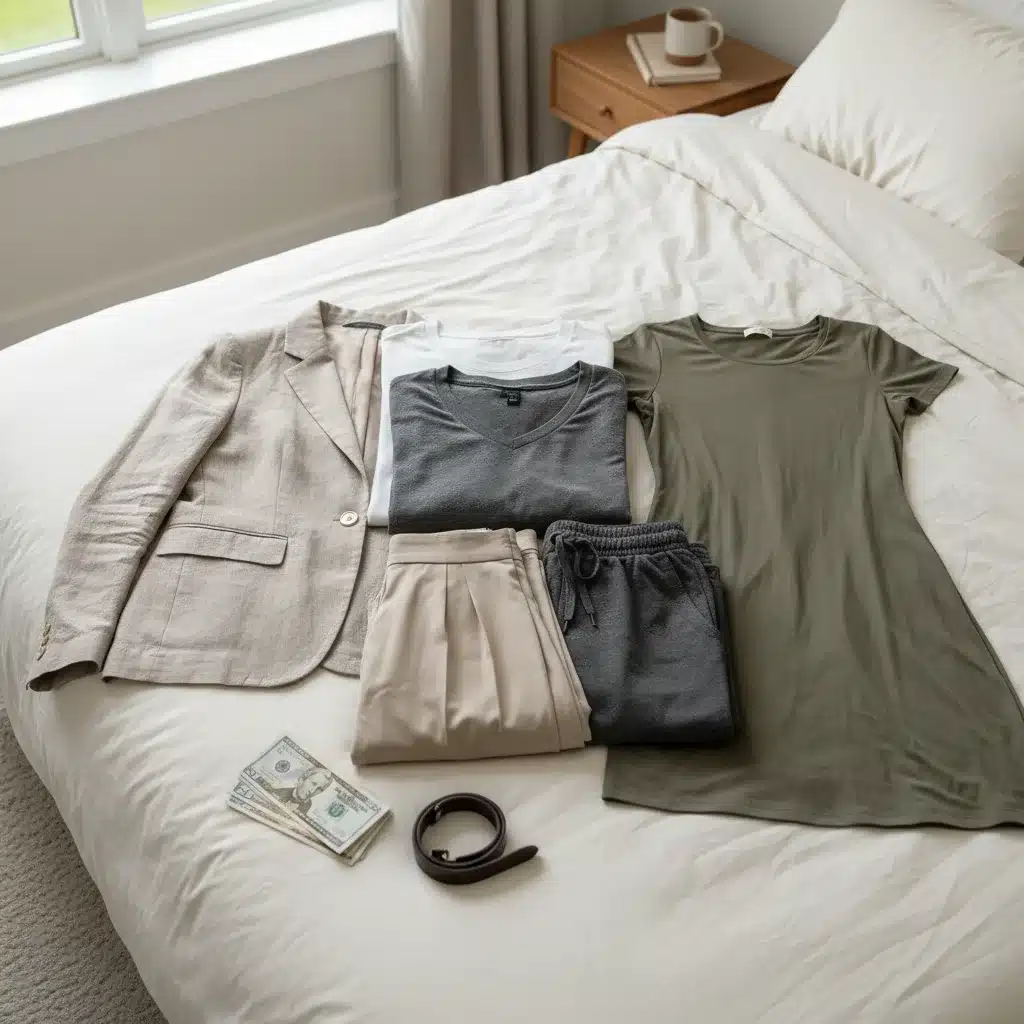
Phase 3: Curating Your $75 Work-from-Home Wardrobe
Let’s put theory into practice. Here’s an example of how you might allocate your $75 and what pieces you could acquire to build a functional budget work-from-home wardrobe.
Example $75 Wardrobe Breakdown:
- Two Basic T-Shirts/Tops ($15 total):
- One black, one white or grey.
- Cost: $7.50 each at a discount store or thrift shop. These are foundational pieces for layering or wearing on their own.
- One Versatile Long-Sleeved Top/Blouse ($10):
- A plain, comfortable long-sleeved top in a solid color (e.g., navy, burgundy, forest green).
- Cost: $10 at a thrift store or on sale. This adds a touch more formality than a t-shirt.
- One Pair of Comfortable Trousers/Leggings ($20):
- Dark-colored, elastic-waist trousers or high-quality leggings that look presentable.
- Cost: $20 from a discount retailer or online resale. These are your workhorse bottoms.
- One Cardigan or Unstructured Blazer ($25):
- A neutral-colored cardigan (black, grey, beige) or a soft, unstructured blazer.
- Cost: $25, potentially from a thrift store or a deep clearance sale. This is your key layering piece to elevate any outfit for video calls.
- Optional: One Statement Accessory ($5):
- A simple scarf or a pair of classic hoop earrings.
- Cost: $5 (or use something you already own).
Total: $75
This example demonstrates how each purchase is intentional and contributes to a cohesive, versatile collection. The key is to select items that can be mixed and matched to create multiple outfits. For instance, the black t-shirt can be worn with the comfortable trousers on its own, or layered under the cardigan for a more polished look. The long-sleeved top can be paired with the trousers and the cardigan for a different professional ensemble. This strategic approach ensures every dollar spent significantly enhances your budget work-from-home wardrobe.
Maximizing Your Wardrobe’s Lifespan and Financial Return
Acquiring your budget work-from-home wardrobe is only half the battle. To truly maximize your financial impact and ensure longevity, proper care and maintenance are crucial.
Care for Your Clothes
- Follow Washing Instructions: This sounds obvious, but ignoring care labels can drastically shorten the life of your garments.
- Wash Cold & Air Dry: Cold water washing saves energy (and money on your utility bill) and is gentler on fabrics. Air drying prevents shrinkage and wear from dryer heat.
- Spot Clean: Address spills and stains immediately to prevent them from setting, reducing the need for full washes.
- Store Properly: Fold sweaters to prevent stretching, hang blouses and blazers to maintain their shape.
- Minor Repairs: Learn basic sewing skills to fix loose buttons, small tears, or re-hem pants. This saves money on tailor services and extends clothing life.
Financial Benefits Beyond the Initial Save
The financial impact of a well-maintained, versatile budget work-from-home wardrobe extends beyond the initial $75 investment:
- Reduced Future Spending: By having a functional wardrobe, you’ll feel less pressure to buy new clothes, leading to long-term savings.
- Increased Savings for Other Goals: The money saved on clothing can be redirected towards other financial goals, such as an emergency fund, investments, or debt repayment.
- Sustainable Living: Buying fewer, more durable items and caring for them properly reduces your environmental footprint, aligning with sustainable financial practices.
- Improved Financial Literacy: The discipline required for a budget challenge enhances your overall financial management skills.

Beyond the Basics: Adding Personal Touches (Without Breaking the Bank)
While the $75 challenge focuses on core essentials for a budget work-from-home wardrobe, you might want to infuse a bit of your personal style. This can be done without exceeding your budget, often by leveraging what you already own or by making extremely low-cost additions.
Leveraging What You Already Own:
- Jewelry: Dig out those earrings, necklaces, or bracelets you haven’t worn in a while. A simple piece of jewelry can add polish and personality.
- Scarves: A colorful scarf can instantly transform a plain top and add a pop of color to your virtual presence.
- Hair Accessories: Headbands, hair clips, or ties can make you look more put-together with minimal effort and no new cost.
- Lipstick/Light Makeup: A touch of lipstick or a little mascara can brighten your face for video calls, making you feel more professional without needing new clothing items.
Low-Cost Additions (If Budget Allows):
- Statement Mugs: A fun or elegant mug visible during video calls can add a subtle touch of personality to your background.
- Small Plants: A small desk plant can make your workspace feel more inviting and professional, often available for a few dollars.
- Digital Backgrounds: Many video conferencing platforms allow custom backgrounds. Choose one that reflects your professional brand or simply a clean, aesthetically pleasing image. This is a free way to enhance your virtual presence.
The idea is to think creatively about how you present yourself. Your budget work-from-home wardrobe is the foundation, but your overall presentation includes more than just clothes. These small, often free or very low-cost additions can significantly enhance your professional image without eating into your carefully planned $75.
The Psychology and Financial Impact of a Thoughtful Wardrobe
The benefits of a well-curated budget work-from-home wardrobe extend beyond mere aesthetics and immediate cost savings. There’s a profound psychological and long-term financial impact that often goes unnoticed.
Psychological Benefits:
- Increased Confidence: Dressing even casually for work can shift your mindset from ‘home mode’ to ‘work mode.’ This psychological transition can boost confidence and make you feel more prepared for professional tasks and interactions.
- Improved Productivity: Studies suggest that dressing for success, even at home, can improve focus and productivity. When you feel professional, you tend to act more professionally.
- Better Work-Life Boundaries: Changing into ‘work clothes’ and then back into ‘home clothes’ can help establish clearer boundaries between your professional and personal life, which is crucial for remote workers.
- Reduced Decision Fatigue: A capsule-style wardrobe with versatile pieces reduces the time and mental energy spent deciding what to wear each day, freeing up cognitive resources for more important tasks.
Long-Term Financial Impact:
- Avoidance of Impulse Buys: By having a clear plan and a functional wardrobe, you’re less likely to succumb to impulse purchases of clothing, saving hundreds or even thousands of dollars over time.
- Investment in Quality (within budget): When you’re forced to be selective with a small budget, you learn to prioritize quality over quantity, leading to items that last longer and offer better value.
- Reduced Laundry and Dry Cleaning Costs: A smaller, more cohesive wardrobe often means fewer items to wash and potentially fewer trips to the dry cleaner, saving on utility bills and service costs.
- Enhanced Professional Image: While intangible, a consistent and professional appearance can indirectly contribute to career advancement, networking opportunities, and overall success, which has a positive financial ripple effect.
Embracing the $75 challenge for your budget work-from-home wardrobe is not just about frugality; it’s about cultivating a mindful approach to consumption, personal presentation, and financial management that yields benefits far beyond the initial cost savings.
Conclusion: Embracing the $75 Work-from-Home Wardrobe Challenge
Building a complete and professional budget work-from-home wardrobe for just $75 in 2026 is an ambitious yet entirely achievable goal. It requires a shift in mindset from impulsive buying to strategic planning, focusing on versatility, durability, and value. By taking a thorough inventory of what you already own, identifying true gaps, and then shopping smartly at thrift stores, consignment shops, and clearance racks, you can curate a collection of pieces that serve all your remote work needs.
The financial impact of this challenge is significant. Not only do you save money on initial purchases, but you also learn valuable lessons in budgeting, sustainable consumption, and maximizing the lifespan of your garments. This approach reduces future spending, frees up funds for other financial goals, and fosters a more environmentally conscious lifestyle. Moreover, the psychological benefits – increased confidence, productivity, and clearer work-life boundaries – are invaluable for any remote professional.
Remember, the goal isn’t to accumulate the most clothes, but to build a functional, stylish, and adaptable wardrobe that makes you feel confident and professional every day, all while adhering to a strict budget. The $75 challenge is more than just a shopping exercise; it’s a testament to smart financial management and mindful living in the evolving world of remote work. Take on this challenge and discover the power of a well-curated, budget-friendly budget work-from-home wardrobe.