Decoding Dress Codes: Your 2026 U.S. Guide to Formal, Semi-Formal, and Cocktail Attire
In the dynamic social and professional landscape of the United States, understanding dress codes is more crucial than ever. As we step into 2026, the lines between traditional and contemporary fashion continue to evolve, yet the core principles of dress code guide etiquette remain steadfast. Whether you’re attending a black-tie gala, a corporate dinner, or a chic wedding, knowing precisely what to wear can be the difference between feeling confident and feeling out of place. This comprehensive guide will demystify the most common U.S. dress codes: Formal, Semi-Formal, and Cocktail Attire, providing clear, actionable advice for both men and women.
Gone are the days when a simple ‘suit and tie’ sufficed for every upscale event. Today’s events often come with specific instructions that, if misinterpreted, can lead to significant sartorial blunders. Our aim is to equip you with the knowledge to navigate these expectations effortlessly, ensuring you always make the right impression. We’ll delve into the nuances of each category, explore modern interpretations, and offer practical tips for accessorizing and choosing appropriate footwear. Get ready to master your wardrobe and approach every invitation with unshakeable style and confidence.
The Foundation of Dress Codes: Why They Matter
Before diving into specific categories, it’s essential to understand the purpose behind dress codes. A dress code guide is not merely about dictating what you wear; it’s about signaling respect for the host, the occasion, and the other attendees. It creates a cohesive atmosphere, enhances the overall experience of an event, and helps guests feel comfortable knowing they are appropriately dressed. In 2026, while personal expression is highly valued, adhering to a dress code demonstrates social awareness and professionalism.
Historically, dress codes emerged from a desire to distinguish social classes and maintain decorum in formal settings. While these distinctions have largely faded, the underlying principle of showing respect and fitting the context remains. From job interviews to celebratory galas, your attire communicates volumes about your understanding of social norms and your attention to detail. This guide will serve as your ultimate dress code guide, ensuring you are always on point.
Understanding the Invitation’s Clues
Often, the invitation itself provides the first and most crucial clues about the expected attire. Phrases like ‘Black Tie,’ ‘Cocktail Attire,’ or ‘Business Casual’ are direct instructions. However, sometimes the context of the event – its location, time of day, and purpose – can also indicate the appropriate dress. A wedding held in a grand ballroom in the evening will naturally call for more formal attire than a daytime garden party, even if a specific dress code isn’t explicitly stated. Always consider these factors when interpreting an invitation.
Formal Attire: The Epitome of Elegance
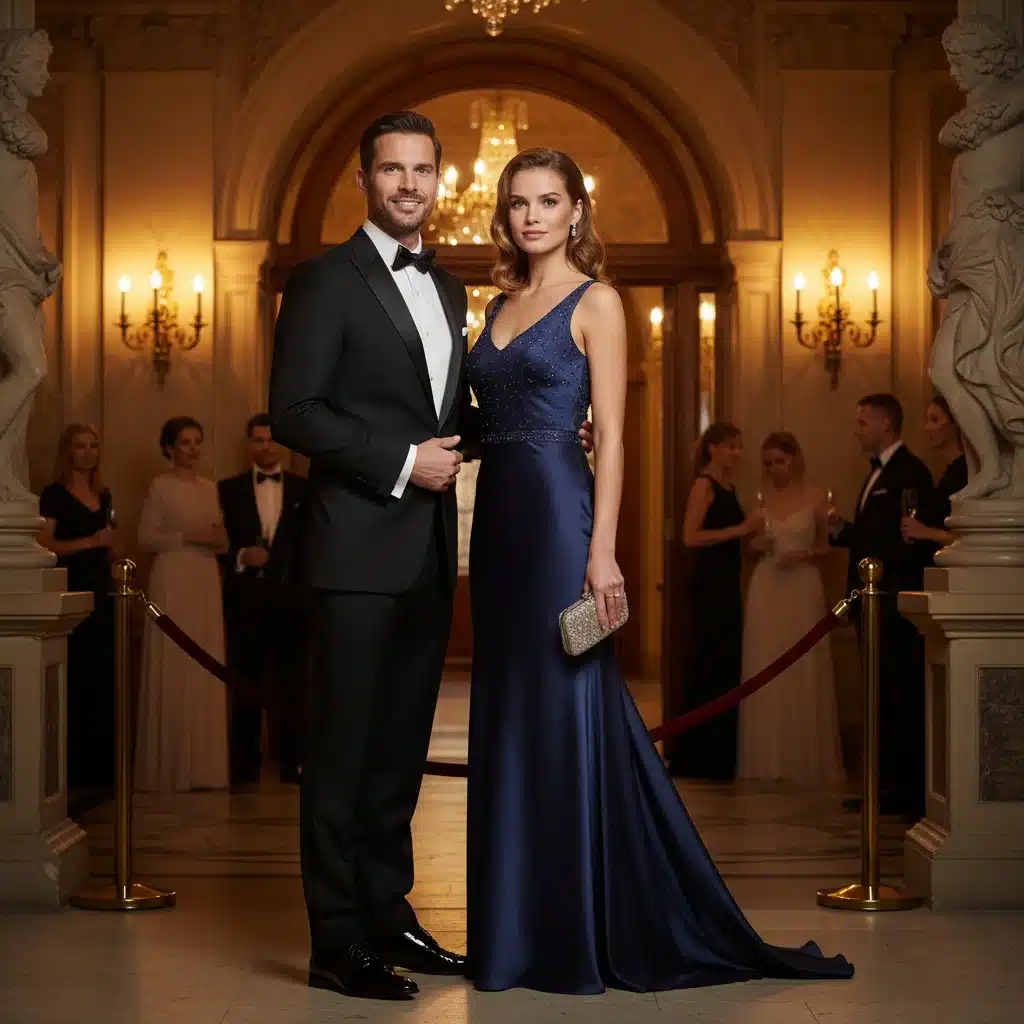
Formal attire, often indicated by ‘Black Tie,’ ‘White Tie,’ or ‘Black Tie Optional,’ represents the highest level of dress. These events are typically evening affairs – galas, formal weddings, opera openings, or prestigious awards ceremonies. The key here is sophistication, luxury, and adherence to tradition. A definitive dress code guide for formal wear is indispensable.
For Men: The Classic Tuxedo and Beyond
- Black Tie: This is the most common formal dress code. For men, it means a tuxedo. This includes a black dinner jacket (single or double-breasted) with satin lapels, matching trousers with a satin stripe down the side, a white dress shirt with pleats and French cuffs, a black bow tie, black patent leather dress shoes, and cufflinks and stud sets. A waistcoat or cummerbund is essential to cover the waist.
- White Tie: This is the most formal dress code, reserved for state dinners, royal events, or highly prestigious balls. It requires a black tailcoat, a white pique vest, a white wing-collared shirt, a white bow tie, black trousers, and black patent leather dress shoes. This is a rare dress code in 2026 U.S. society but still exists for certain ultra-elite occasions.
- Black Tie Optional: This offers a bit more flexibility. A tuxedo is still preferred, but a dark, well-tailored suit (black or deep charcoal) with a white dress shirt, a conservative tie, and polished dress shoes is acceptable. However, if in doubt, a tuxedo is always the safer and more respectful choice.
For Women: Gowns of Grandeur
- Black Tie: For women, black tie typically calls for a formal floor-length evening gown. The gown should be elegant, made of luxurious fabrics like silk, satin, velvet, or chiffon. While black is a classic choice, rich jewel tones, metallics, or sophisticated patterns are also appropriate. Modesty and elegance are key.
- White Tie: Similar to men’s white tie, this is the pinnacle of formal wear. Women should wear a full-length ball gown, often with a train, made from the most luxurious fabrics. Long gloves are often expected, and elaborate jewelry is appropriate. Hair should be styled formally.
- Black Tie Optional: Women have more options here. A floor-length gown is still appropriate, but a sophisticated cocktail dress (knee-length or midi) in a luxurious fabric, or an elegant pantsuit, can also work. The key is to maintain a high level of formality and polish.
Accessories and Hair for Formal Attire
- Men: Cufflinks, stud sets, a pocket square (optional, but adds flair), and a classic watch. Avoid oversized or sporty watches.
- Women: Elegant jewelry (diamonds, pearls, precious metals), a small clutch bag, and sophisticated heels. Hair should be styled formally, whether an updo or elegantly styled down.
Semi-Formal Attire: Bridging the Gap
Semi-formal attire strikes a balance between formal elegance and casual comfort. It’s a common dress code for weddings, celebratory dinners, holiday parties, and upscale business events. It generally means dressing up without the strict requirements of a tuxedo or a full-length ball gown. This part of our dress code guide is particularly useful for frequent social engagements.
For Men: The Versatile Suit
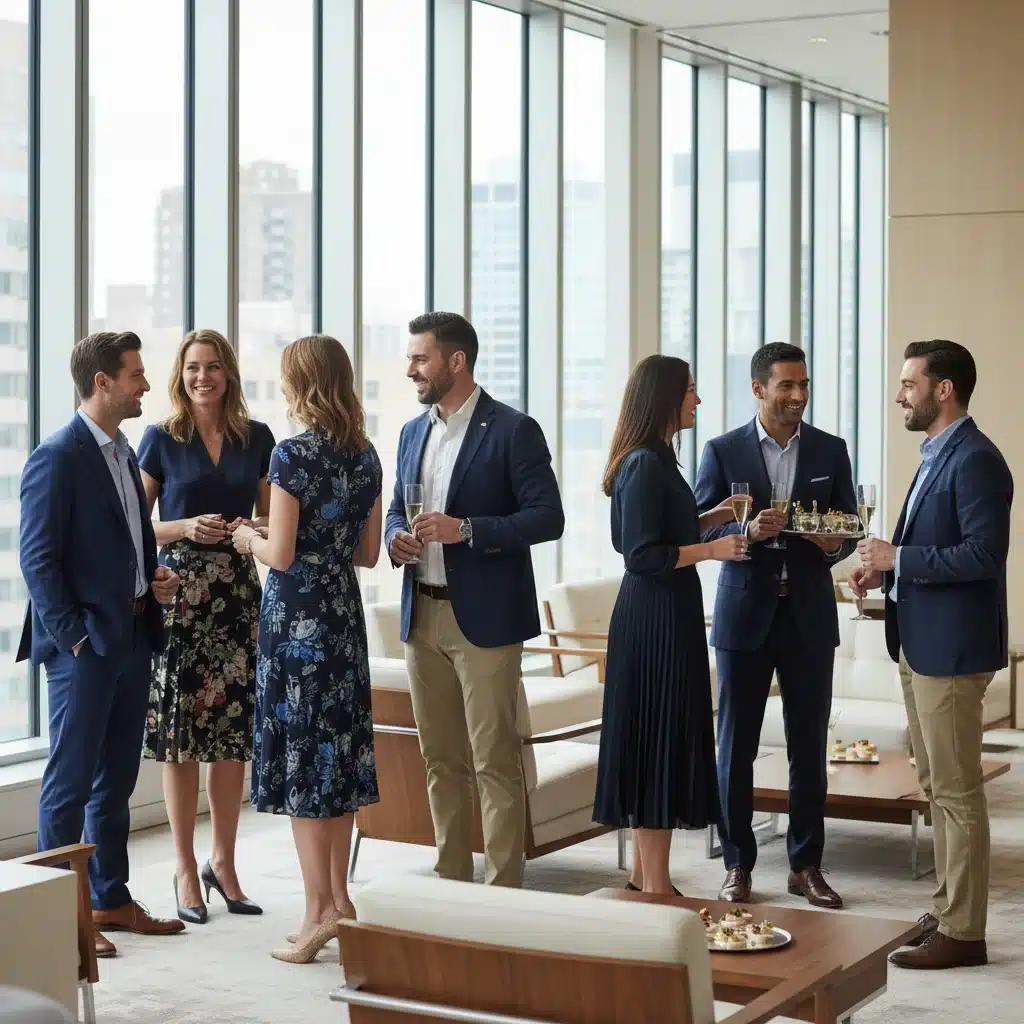
- A well-tailored suit is the cornerstone of semi-formal attire for men. This could be a dark suit (navy, charcoal, or black) or, for daytime events, a lighter color (grey, tan) depending on the season and venue.
- Pair the suit with a dress shirt (white, light blue, or a subtle pattern) and a tie. The tie can be more expressive than for formal events, but still professional.
- Polished leather dress shoes (oxfords, loafers, or monk straps) and matching socks are essential.
- A pocket square can add a touch of personality.
For Women: Chic Dresses and Elegant Separates
- Women have a wide range of options for semi-formal events. A cocktail dress (knee-length, midi, or even tea-length) is a popular choice. Fabrics can be varied, from silk and satin to lace and high-quality crepe.
- An elegant pantsuit or a sophisticated skirt suit is also perfectly acceptable.
- Dressy separates, such as a stylish top paired with a flowing maxi skirt or tailored trousers, can also work, provided they look cohesive and polished.
- Colors can be brighter and patterns more playful than in formal settings, but still maintain an air of sophistication.
Accessories and Hair for Semi-Formal Attire
- Men: A stylish watch, cufflinks (optional but a nice touch), and a well-coordinated belt.
- Women: Dressy shoes (heels, elegant flats, or dressy sandals), a clutch or small shoulder bag, and tasteful jewelry. Hair can be styled in an elegant updo, soft waves, or a sleek ponytail.
Cocktail Attire: Sophistication with a Festive Flair
Cocktail attire is arguably the most common dress code for social gatherings like parties, receptions, and evening events that are less formal than a black-tie affair. It allows for more personality and trend-awareness while still maintaining a polished and celebratory look. Our dress code guide for cocktail attire emphasizes chic and stylish choices.
For Men: The Smart Suit or Sport Coat
- While a suit is always a safe bet for cocktail attire, men have more flexibility here. A dark suit (navy, grey, or even a subtly patterned one) with a dress shirt and tie is appropriate.
- Alternatively, a sharp sport coat or blazer paired with tailored trousers (not jeans), a dress shirt (with or without a tie), and polished dress shoes can also work.
- Consider experimenting with different shirt patterns, tie textures, and pocket squares to express personal style.
- Loafers or stylish dress boots can replace traditional oxfords if they match the overall aesthetic.
For Women: The Iconic Cocktail Dress
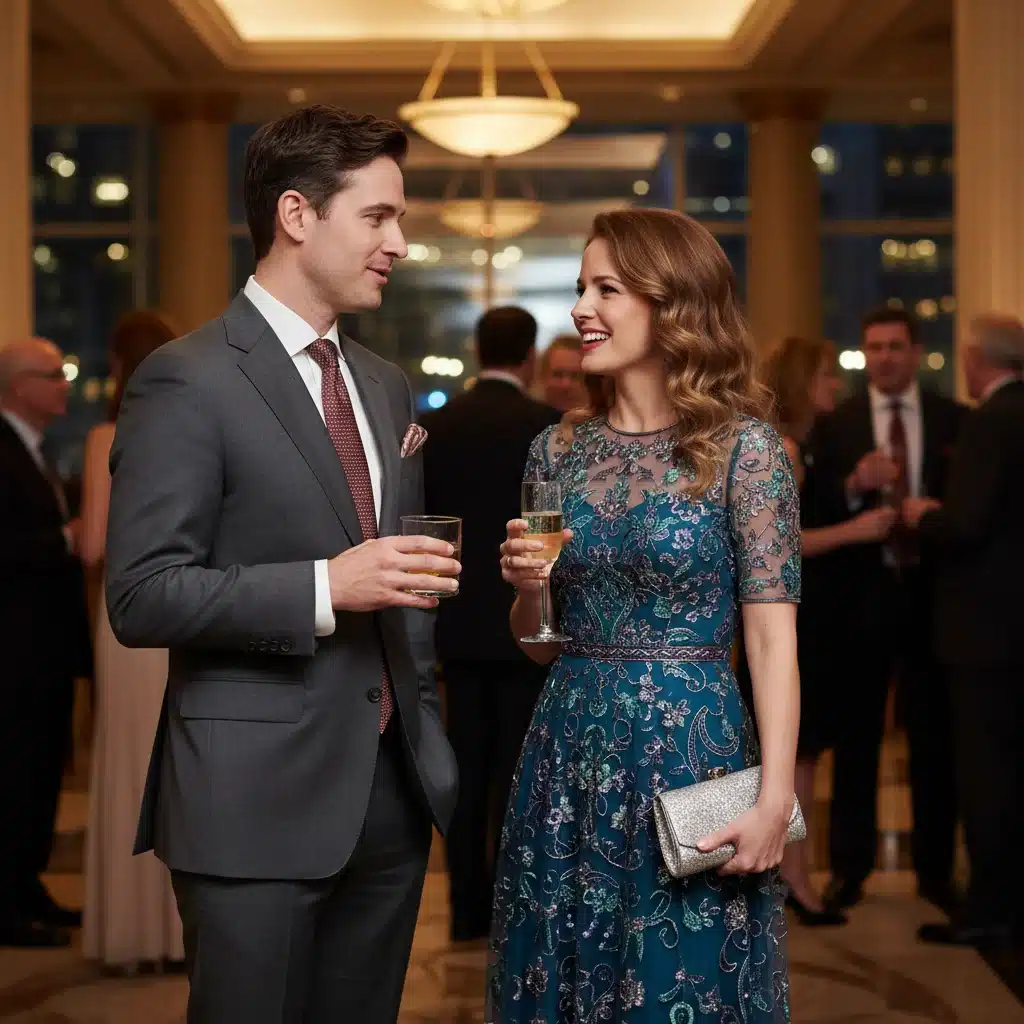
- The quintessential cocktail dress is typically knee-length, midi, or slightly above the knee. It should be festive, chic, and made from good quality fabric.
- Beyond dresses, stylish jumpsuits, elegant separates (e.g., a dressy top with wide-leg trousers or a sophisticated skirt), and tailored pantsuits are excellent options.
- This is an opportunity to embrace bolder colors, interesting textures, and fashionable details.
- The overall look should be festive and celebratory, but still refined.
Accessories and Hair for Cocktail Attire
- Men: A stylish watch, perhaps a statement tie or pocket square. Belts should match shoes.
- Women: Heels or dressy flats, a fashionable clutch or small handbag, and statement jewelry (earrings, necklaces, bracelets). Hair can be styled more playfully than for formal events, such as loose curls, a chic ponytail, or a stylish half-updo. Makeup can also be a bit more dramatic.
Navigating Modern Interpretations and ‘Optional’ Codes
As the fashion landscape evolves, so do dress codes. Many invitations now include terms like ‘Creative Black Tie,’ ‘Festive Attire,’ or ‘Dressy Casual.’ These codes require a bit more interpretation and often allow for personal style to shine through, while still respecting the underlying level of formality. This modern dress code guide helps you decode these newer terms.
Creative Black Tie
This code encourages a playful twist on traditional black tie. For men, this might mean a tuxedo with a patterned bow tie, a velvet dinner jacket in a rich color (like burgundy or navy), or even a sleek black shirt instead of white. For women, it could involve a formal gown with unique embellishments, an avant-garde silhouette, or a very chic, dressy pantsuit with dramatic accessories. The key is to maintain the formality of black tie but inject personal flair.
Festive Attire
Common during the holiday season, ‘Festive Attire’ suggests cocktail wear with a celebratory, often colorful, twist. Men might opt for a blazer in a festive color (like forest green or deep red), a patterned tie, or even a subtle holiday-themed accessory. Women can embrace sequins, metallics, vibrant colors, and luxurious fabrics. The goal is to look joyful and party-ready while remaining polished.
Dressy Casual
This is perhaps the trickiest as it varies widely depending on the event and host. Generally, it means looking neat, put-together, and a step above everyday casual. For men, this could be tailored trousers or dark jeans (if very clean and well-fitting) with a button-down shirt, a blazer or sport coat, and smart loafers or dressy sneakers. For women, it might involve a stylish sundress, a skirt and blouse combination, tailored pants with a chic top, or a fashionable jumpsuit. Avoid t-shirts, athletic wear, and overly distressed denim.
General Tips for Mastering Any Dress Code
- When in Doubt, Overdress Slightly: It’s always better to be a little overdressed than underdressed. You can often remove a jacket or tie to tone down an outfit, but it’s hard to make a casual outfit more formal on the spot.
- Consider the Venue and Time: An outdoor daytime event will have different expectations than an indoor evening event, even with the same dress code.
- Pay Attention to Grooming: A perfectly chosen outfit can be undermined by messy hair, chipped nails, or unpolished shoes. Attention to detail in grooming is paramount.
- Comfort is Key (Within Reason): While you want to look good, you also want to feel comfortable enough to enjoy the event. Choose shoes you can walk in and clothing that allows for movement.
- Invest in Key Pieces: A well-fitting dark suit, a versatile cocktail dress, and quality accessories will serve you well for numerous occasions.
- Don’t Forget the Host: If you’re truly unsure, it’s acceptable (and often appreciated) to discreetly ask the host for clarification on the dress code.
Conclusion: Your Confident Approach to 2026 Dress Codes
Mastering U.S. dress codes in 2026 is about more than just following rules; it’s about understanding the context, showing respect, and expressing your personal style appropriately. By familiarizing yourself with the distinctions between Formal, Semi-Formal, and Cocktail Attire, and by paying attention to the nuances of each event, you can approach any invitation with confidence and grace. This comprehensive dress code guide has provided you with the tools to look your best, whether you’re stepping onto a red carpet or into a sophisticated cocktail party.
Remember, fashion is an ever-evolving art form, but the principles of good taste and appropriate dress remain timeless. With this guide in hand, you are now equipped to navigate the social sartorial scene of 2026 with ease, making every appearance a memorable one. So go forth, dress impeccably, and enjoy every moment knowing you’re perfectly attired for the occasion!