Sustainable Fashion 2026: Affordable Ethical Brands

Beyond Fast Fashion: Discovering 6 Sustainable & Affordable Brands for Your 2026 Style (RECENT UPDATES)
The fashion industry is undergoing a monumental shift. For decades, fast fashion dominated, offering fleeting trends at rock-bottom prices, but at a devastating cost to our planet and its people. However, as we hurtle towards 2026, a new paradigm is emerging: sustainable affordable fashion. Consumers are increasingly aware of the environmental footprint of their clothing choices, from excessive waste and water consumption to unethical labor practices. The demand for transparency, ethical production, and eco-friendly materials is no longer a niche concern but a mainstream expectation. This article delves into the exciting world of sustainable affordable fashion, showcasing how you can build a stylish, ethical wardrobe without draining your bank account. We’ll explore why this movement is so crucial, what defines truly sustainable practices, and, most importantly, introduce you to six pioneering brands that are making sustainable affordable fashion a reality for 2026 and beyond.
The Urgent Need for Sustainable Affordable Fashion
Fast fashion’s allure is undeniable: trendy clothes, instant gratification, and prices that seem too good to be true. But beneath the surface lies a grim reality. The industry is one of the largest polluters globally, responsible for a significant portion of carbon emissions, water pollution, and textile waste. Consider these stark facts:
- Environmental Impact: The production of textiles is incredibly resource-intensive. Growing conventional cotton, for instance, requires vast amounts of water and pesticides. Dyeing processes contaminate waterways with toxic chemicals. Synthetic fabrics like polyester, derived from fossil fuels, contribute to microplastic pollution in our oceans with every wash.
- Waste Generation: The sheer volume of clothing produced and discarded annually is staggering. Landfills worldwide are overflowing with textiles, many of which are barely worn. The linear ‘take-make-dispose’ model of fast fashion is simply unsustainable.
- Social Cost: The low prices of fast fashion often come at the expense of human rights. Workers in garment factories, primarily in developing countries, frequently face exploitative conditions, meager wages, and unsafe environments. The drive for speed and low cost pushes brands to cut corners, with human lives often paying the ultimate price.
The good news is that awareness is growing, and with it, the demand for change. Consumers are no longer willing to turn a blind eye to these issues. They are actively seeking brands that align with their values, prioritizing transparency, ethical production, and environmental responsibility. This is where sustainable affordable fashion steps in, offering a viable and stylish alternative.
Defining Sustainable Affordable Fashion: More Than Just ‘Green’
The term ‘sustainable fashion’ can be a broad umbrella, and unfortunately, it’s often co-opted by brands engaging in ‘greenwashing’ – making unsubstantiated claims about their environmental practices. To truly understand sustainable affordable fashion, it’s essential to look beyond superficial labels and delve into the core principles:
Ethical Production & Fair Labor
True sustainability begins with people. Ethical production ensures fair wages, safe working conditions, and respect for human rights throughout the supply chain. This means:
- Living Wages: Workers are paid enough to cover their basic needs and have a decent quality of life.
- Safe Working Environment: Factories adhere to strict health and safety standards, free from hazardous conditions.
- No Child Labor or Forced Labor: Adherence to international labor laws and conventions.
- Transparency: Brands are open about their factories, suppliers, and labor practices, allowing consumers to trace the journey of their clothes.
Eco-Friendly Materials
The choice of materials significantly impacts a garment’s environmental footprint. Sustainable affordable fashion brands prioritize:
- Organic & Regenerative Fibers: Such as organic cotton, hemp, and linen, which are grown without harmful pesticides and often require less water. Regenerative agriculture goes a step further, actively improving soil health.
- Recycled & Upcycled Materials: Transforming textile waste, plastic bottles, or other discarded materials into new fabrics, reducing the demand for virgin resources. Examples include recycled polyester, recycled cotton, and innovative materials made from ocean plastic.
- Low-Impact Dyes: Utilizing natural dyes or closed-loop dyeing systems that minimize water pollution and chemical use.
- Innovative Sustainable Fabrics: Exploring new materials like Tencel (Lyocell), made from sustainably sourced wood pulp in a closed-loop process, or fabrics derived from agricultural waste.
Circularity & Longevity
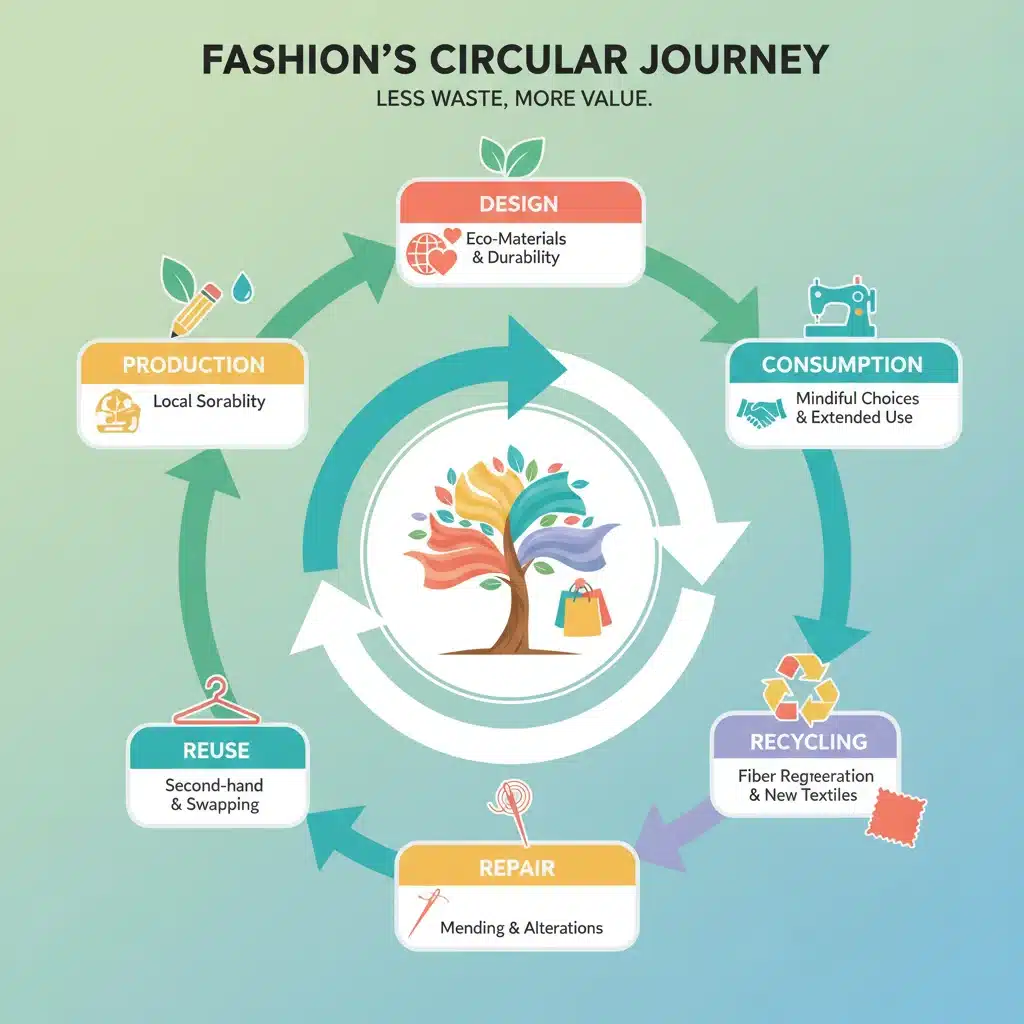
A truly sustainable approach moves away from the linear ‘take-make-dispose’ model towards a circular economy. This means designing clothes to last, encouraging repair, reuse, and ultimately, recycling. Key aspects include:
- Durability: High-quality construction and materials that withstand wear and tear, reducing the need for frequent replacements.
- Timeless Design: Creating versatile pieces that transcend fleeting trends, encouraging longer wear.
- Repair & Care Initiatives: Brands offering repair services or guidance on how to care for garments to extend their lifespan.
- Take-Back Programs & Recycling: Initiatives where brands collect old garments for recycling or upcycling, closing the loop on textile waste.
Reduced Waste & Resource Consumption
From design to distribution, sustainable brands strive to minimize their environmental footprint:
- Water Conservation: Implementing water-saving technologies in production processes.
- Energy Efficiency: Using renewable energy sources in manufacturing and operations.
- Waste Reduction: Minimizing fabric waste during cutting, and finding innovative uses for textile scraps.
- Eco-Friendly Packaging: Using recycled, recyclable, or compostable packaging materials.
When we talk about sustainable affordable fashion, we’re looking for brands that embody as many of these principles as possible, while still maintaining price points accessible to a wider audience.
Navigating the Market: How to Find Sustainable Affordable Fashion Brands
With so much information out there, finding genuinely sustainable and affordable brands can feel overwhelming. Here’s how to cut through the noise:
Do Your Research
Don’t just take a brand’s word for it. Look for:
- Certifications: Organizations like GOTS (Global Organic Textile Standard), Fair Trade Certified, OEKO-TEX, and B Corp certification provide third-party verification of ethical and environmental standards.
- Transparency Reports: Many sustainable brands publish detailed reports on their supply chains, environmental impact, and social initiatives.
- Material Information: Clear labeling about the composition of garments and the origin of materials.
Read Reviews & Blogs
Independent reviews and ethical fashion blogs can offer valuable insights into a brand’s practices and product quality. Look for consistent positive feedback regarding durability, fit, and ethical claims.
Start Small & Build Your Wardrobe Gradually
Transitioning to a fully sustainable wardrobe doesn’t happen overnight. Start by replacing essentials with sustainable alternatives as needed. Focus on versatile pieces you’ll wear often. Remember, the most sustainable garment is the one you already own.
Embrace Secondhand & Repair
Don’t underestimate the power of secondhand shopping. Thrifting, consignment stores, and online marketplaces are fantastic sources of affordable, pre-loved garments. Learning basic mending skills or utilizing local repair services can significantly extend the life of your clothes.
6 Sustainable & Affordable Brands Shaping Your 2026 Style
The landscape of sustainable affordable fashion is constantly evolving, with new innovators emerging regularly. Here are six brands that are making significant strides in offering stylish, ethical, and budget-friendly options for 2026 and beyond:
1. Pact: Organic Basics for Everyone
Pact has built its reputation on creating comfortable, high-quality organic cotton basics for the whole family. From t-shirts and underwear to bedding and activewear, their commitment to sustainability is evident in every stitch. They use 100% organic cotton, GOTS certified, and work with Fair Trade Certified™ factories, ensuring ethical labor practices. Their prices are remarkably competitive, especially for the quality and ethical standards they uphold, making them a go-to for building a sustainable foundation for your wardrobe.
- Key Offerings: Organic cotton apparel, underwear, activewear, baby & kids clothing, bedding.
- Why They’re Sustainable: GOTS Certified Organic Cotton, Fair Trade Certified™ factories, transparent supply chain, eco-friendly packaging.
- Price Point: Mid-range, highly affordable for organic and ethical products.
2. Girlfriend Collective: Recycled Activewear with Style
For those seeking sustainable activewear, Girlfriend Collective is a game-changer. They transform recycled post-consumer plastic bottles, fishing nets, and other waste into stylish, high-performance leggings, sports bras, and shorts. Their commitment extends beyond materials to ethical manufacturing in SA8000 certified facilities. They are incredibly transparent about their processes, from how many bottles go into each pair of leggings to their factory’s working conditions. Their inclusive sizing and diverse range of colors make them a favorite among conscious consumers.
- Key Offerings: Recycled activewear (leggings, bras, shorts, bodysuits), loungewear.
- Why They’re Sustainable: Made from recycled plastic bottles and fishing nets, SA8000 certified factories, closed-loop dyeing process, recyclable packaging.
- Price Point: Mid-range, excellent value for high-quality recycled activewear.
3. Kotn: Egyptian Cotton Essentials, Ethically Made
Kotn focuses on creating luxurious, comfortable basics from ethically sourced Egyptian cotton. They work directly with cotton farmers in Egypt, ensuring fair prices and investing in local communities, including funding schools. Their commitment to transparency and quality is paramount. Their designs are timeless and minimalist, designed to be worn for years, embodying the principle of longevity in sustainable affordable fashion. While their price point is slightly higher than fast fashion, the quality and ethical story make them an excellent investment.
- Key Offerings: Premium Egyptian cotton t-shirts, loungewear, dresses, and home goods.
- Why They’re Sustainable: Direct-trade with cotton farmers, B Corp certified, invests in local communities, traceable supply chain.
- Price Point: Mid-range to premium, justified by exceptional quality and ethical practices.
4. Everlane (Renew Collection): Transparency & Recycled Materials
Everlane gained popularity for its radical transparency, breaking down the cost of each garment. While some of their practices have faced scrutiny, their ‘ReNew’ collection is a strong step towards sustainability, focusing on outerwear and activewear made from recycled plastic bottles. They are committed to eliminating virgin plastic from their supply chain. While not all of Everlane’s offerings are fully sustainable, their ReNew line is a commendable and affordable option for those looking for recycled garments, and their commitment to transparency remains a valuable benchmark in the industry.
- Key Offerings: ‘ReNew’ collection (outerwear, activewear from recycled plastic), various other minimalist apparel.
- Why They’re Sustainable: Focus on recycled materials (ReNew collection), radical transparency on factory conditions and costs.
- Price Point: Mid-range, with their ReNew items offering good value for recycled materials.
5. Tentree: Planting Trees with Every Purchase
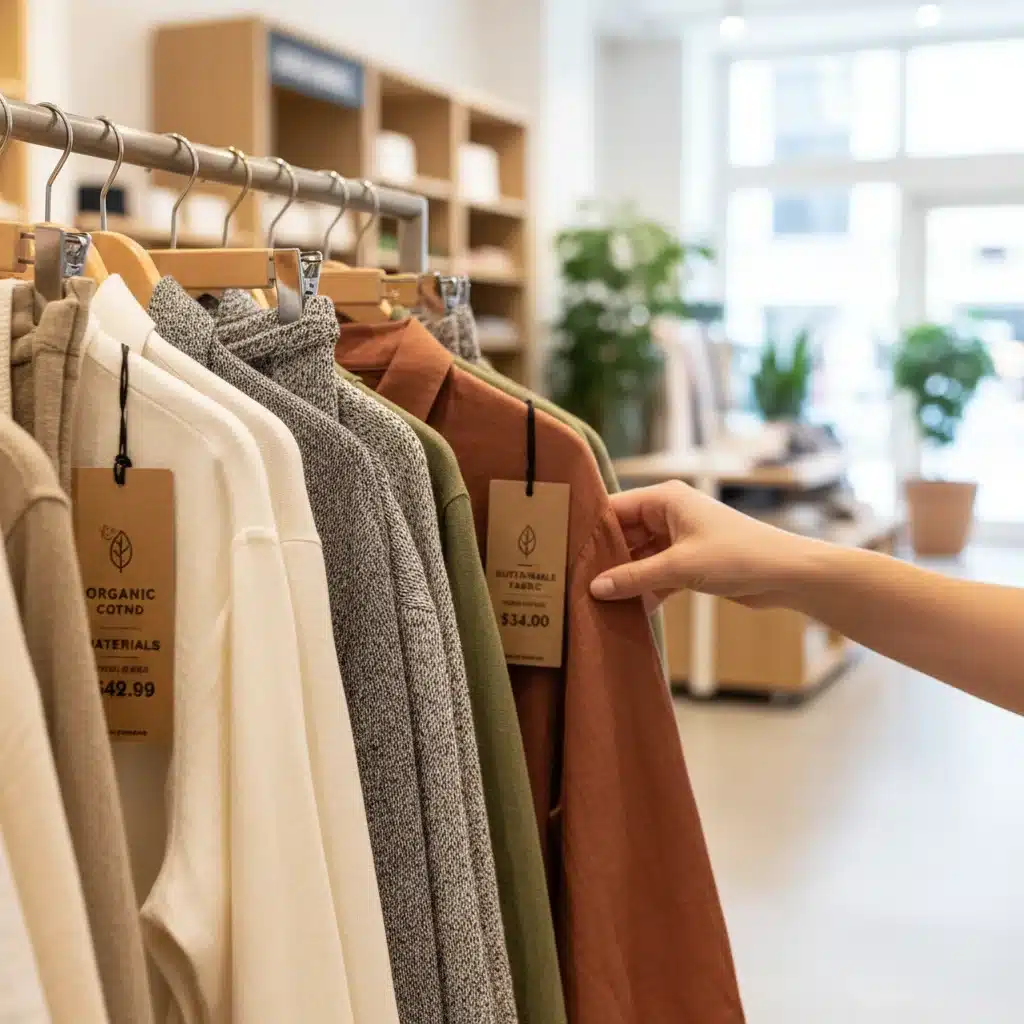
Tentree is a Canadian lifestyle apparel brand with a mission: for every item purchased, they plant ten trees. Their clothing, which includes activewear, loungewear, and outdoor apparel, is made from sustainable materials like organic cotton, recycled polyester, Tencel, and hemp. They prioritize ethical manufacturing and transparent supply chains. Beyond planting trees, Tentree is committed to rehabilitating ecosystems and supporting communities globally. Their aesthetic is laid-back and outdoorsy, perfect for those who value comfort and connection to nature.
- Key Offerings: Sustainable activewear, loungewear, outdoor apparel, accessories.
- Why They’re Sustainable: Plant 10 trees per item, B Corp certified, use organic cotton, recycled polyester, Tencel, hemp, ethical manufacturing.
- Price Point: Mid-range, excellent value given their environmental impact initiatives.
6. ThredUp & Poshmark: The Power of Pre-Loved
While not traditional brands, online consignment and resale platforms like ThredUp and Poshmark are arguably the most impactful players in sustainable affordable fashion. They offer a vast marketplace for secondhand clothing, significantly extending the life cycle of garments and diverting them from landfills. You can find everything from high-end designer pieces to everyday basics at a fraction of their original price. These platforms embody the circular economy, making fashion accessible, affordable, and incredibly sustainable.
- Key Offerings: Millions of pre-loved clothing items from various brands.
- Why They’re Sustainable: Promote reuse, extend garment lifespan, reduce textile waste, accessible for all budgets.
- Price Point: Highly affordable, often offering significant discounts on retail prices.
Beyond Brands: Cultivating a Sustainable Fashion Mindset for 2026
While supporting sustainable affordable fashion brands is crucial, true change also comes from within. Cultivating a sustainable fashion mindset involves a shift in how we approach our wardrobes:
Embrace "Buy Less, Choose Well, Make It Last"
This mantra, popularized by Vivienne Westwood, is the cornerstone of sustainable fashion. Instead of impulse buys, invest in versatile, high-quality pieces that you genuinely love and that will stand the test of time. Consider the "cost per wear" rather than just the initial price tag.
Care for Your Clothes Properly
Extend the life of your garments by following care instructions, washing less frequently, using cold water, and air-drying when possible. This not only saves energy but also preserves fabric integrity.
Repair, Repurpose, Recycle
Don’t be quick to discard. Learn basic mending skills, or take damaged items to a tailor. Get creative and repurpose old clothes into new items. When a garment truly reaches the end of its life, explore textile recycling options in your area.
Borrow, Swap, Rent
For special occasions or items you’ll only wear once, consider borrowing from friends, participating in clothing swaps, or utilizing rental services. This reduces the need for new purchases and promotes a shared economy.
Demand Transparency
As consumers, our collective voice holds power. Ask brands about their supply chains, labor practices, and environmental initiatives. Support brands that are open and honest about their journey towards sustainability.
The Future of Sustainable Affordable Fashion in 2026 and Beyond
The fashion landscape in 2026 will undoubtedly be more conscious and ethical than ever before. Technological advancements, consumer demand, and innovative business models are driving this transformation. We can expect to see:
- Increased Use of Bio-based and Regenerative Materials: Research into materials like mushroom leather, algae-based fabrics, and regenerative cotton will continue to expand, offering even more eco-friendly alternatives.
- Enhanced Traceability through Blockchain: Blockchain technology could offer unprecedented transparency, allowing consumers to trace every step of a garment’s journey from raw material to finished product.
- Growth of Rental and Resale Markets: The circular economy will gain even more traction, with rental and secondhand platforms becoming mainstream options for acquiring clothing.
- Hyper-Local Production and On-Demand Manufacturing: To reduce waste and carbon emissions from transportation, we may see a rise in localized production and on-demand manufacturing, where garments are made only when ordered.
- Policy and Regulatory Changes: Governments are likely to introduce stricter regulations on textile waste, chemical use, and labor practices, pushing brands towards greater accountability.
The movement towards sustainable affordable fashion is not just a trend; it’s a necessary evolution. It’s about recognizing that our clothing choices have far-reaching consequences and that we have the power to drive positive change. By supporting ethical brands, making conscious purchasing decisions, and extending the life of our clothes, we can collectively build a fashion industry that respects both people and the planet.
Conclusion: Your Stylish, Sustainable 2026 Wardrobe Awaits
Building a wardrobe that is both stylish and sustainable no longer requires a hefty budget or a compromise on aesthetics. The brands highlighted above, along with the burgeoning secondhand market and a conscious approach to consumption, demonstrate that sustainable affordable fashion is not only achievable but also increasingly accessible. As we look towards 2026, the power to shape a more ethical and eco-friendly fashion future lies in our hands.
By choosing to invest in quality over quantity, supporting brands committed to transparent and ethical practices, and embracing the principles of circularity, you can curate a wardrobe that reflects your values and stands the test of time. Make 2026 the year you fully embrace the revolution of sustainable affordable fashion, proving that looking good and doing good can, and should, go hand in hand.