Sustainable Fashion Trends US: Next 12 Months Forecast
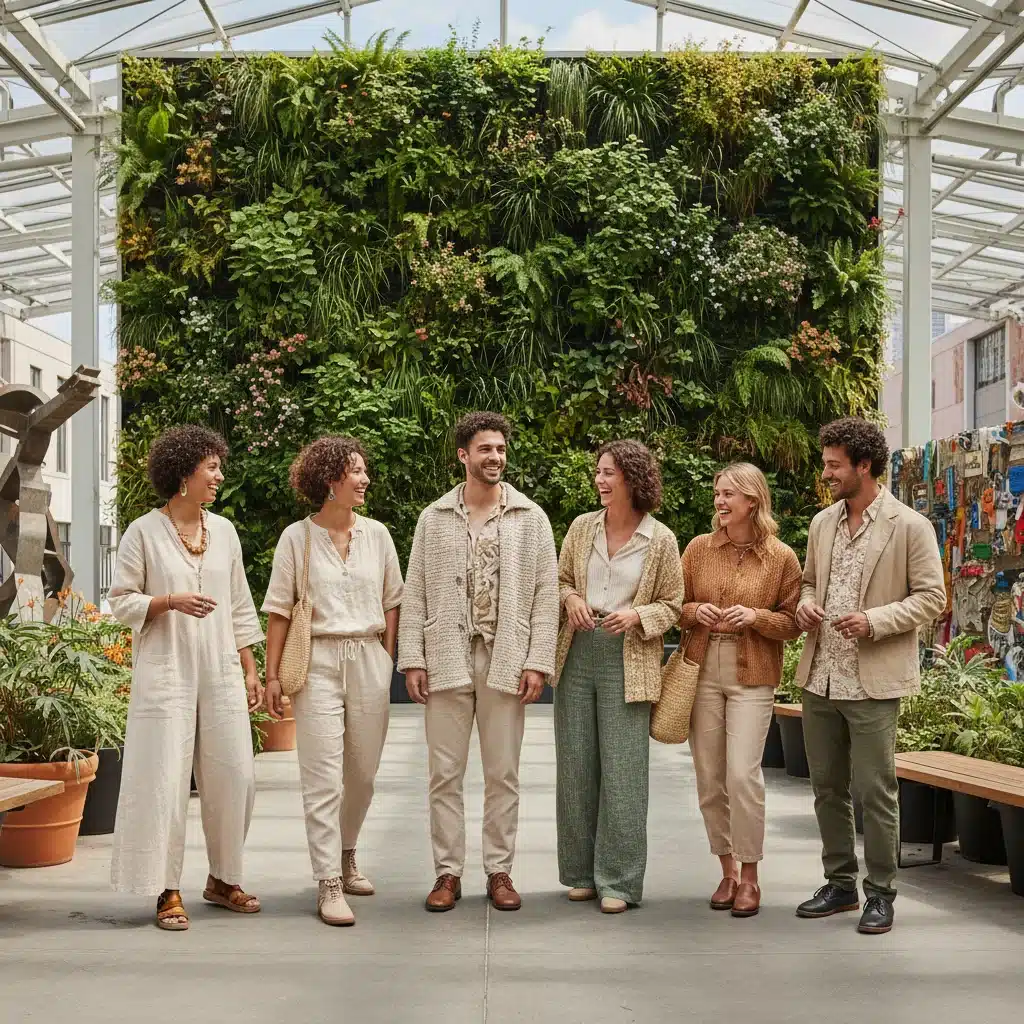
The fashion industry, historically a significant contributor to environmental degradation and social inequalities, is undergoing a profound transformation. At the forefront of this change is the burgeoning movement towards US sustainable fashion. This isn’t just a fleeting trend; it’s a fundamental shift in how clothes are designed, produced, consumed, and ultimately, disposed of. As we look ahead to the next 12 months, the landscape of US sustainable fashion is poised for dynamic growth, driven by consumer demand, technological innovation, and increased regulatory scrutiny.
Identifying the next big thing in US sustainable fashion requires a keen understanding of current trajectories and emerging disruptors. This comprehensive guide will delve into expert predictions, explore pivotal trends, and highlight the innovations set to redefine ethical and eco-conscious dressing in America. From groundbreaking material science to revolutionary business models, we’ll navigate the exciting future of sustainable style.
The Driving Forces Behind the US Sustainable Fashion Movement
Before we pinpoint specific trends, it’s crucial to understand the foundational elements propelling the US sustainable fashion movement forward. These drivers act as catalysts, shaping consumer behavior, brand strategies, and policy decisions.
Consumer Awareness and Demand
Today’s consumers, particularly younger generations like Gen Z and Millennials, are more informed and ethically conscious than ever before. They are increasingly scrutinizing brands’ environmental and social impact, demanding transparency and accountability. A significant percentage are willing to pay more for sustainable products, creating a powerful market force that brands cannot ignore. This heightened awareness is fueled by social media, documentaries, and readily available information about the fashion industry’s footprint.
Technological Advancements
Innovation is at the heart of sustainable fashion. Advances in biotechnology, material science, and manufacturing processes are enabling the creation of eco-friendly alternatives that were once unimaginable. From lab-grown fabrics to AI-driven supply chain optimization, technology is providing solutions to long-standing environmental challenges within the industry.
Regulatory Pressure and Industry Standards
Governments and international bodies are beginning to implement stricter regulations concerning environmental impact, labor practices, and waste management. While the US landscape is still evolving, there’s growing pressure for brands to adhere to higher standards. Industry certifications and third-party verifications are also becoming more prevalent, helping consumers identify truly sustainable products and pushing brands towards greater compliance.
Circular Economy Principles
The concept of a circular economy – where products are designed for durability, reuse, repair, and recycling – is gaining significant traction. This paradigm shift moves away from the traditional linear ‘take-make-dispose’ model, aiming to minimize waste and maximize resource efficiency. Brands adopting circular principles are seeing it as both an ethical imperative and a competitive advantage in the US sustainable fashion market.
Key Trends Shaping US Sustainable Fashion in the Next 12 Months
Based on these driving forces, several key trends are set to dominate the US sustainable fashion landscape over the next year. Brands and consumers alike should pay close attention to these shifts.
1. The Rise of Regenerative Agriculture and Materials
Beyond organic, regenerative agriculture is emerging as a critical component of sustainable material sourcing. This practice focuses on restoring soil health, enhancing biodiversity, and sequestering carbon, creating a net positive environmental impact. Expect to see an increase in materials like regenerative cotton, wool, and even innovative plant-based fibers derived from crops grown using these methods. Brands will increasingly highlight their commitment to regenerative farming as a core tenet of their sustainability story.
2. Advanced Textile Recycling and Upcycling Technologies
The textile waste crisis is immense, with millions of tons of clothing ending up in landfills annually. The next 12 months will see significant advancements and wider adoption of technologies that can effectively recycle textiles, even mixed-fiber garments, into new, high-quality fibers. Chemical recycling methods, which break down fabrics to their molecular level, will become more commercially viable. Similarly, creative upcycling – transforming existing garments or textile waste into new products – will continue to thrive, moving beyond niche markets into mainstream fashion.
3. Hyper-Transparency and Traceability
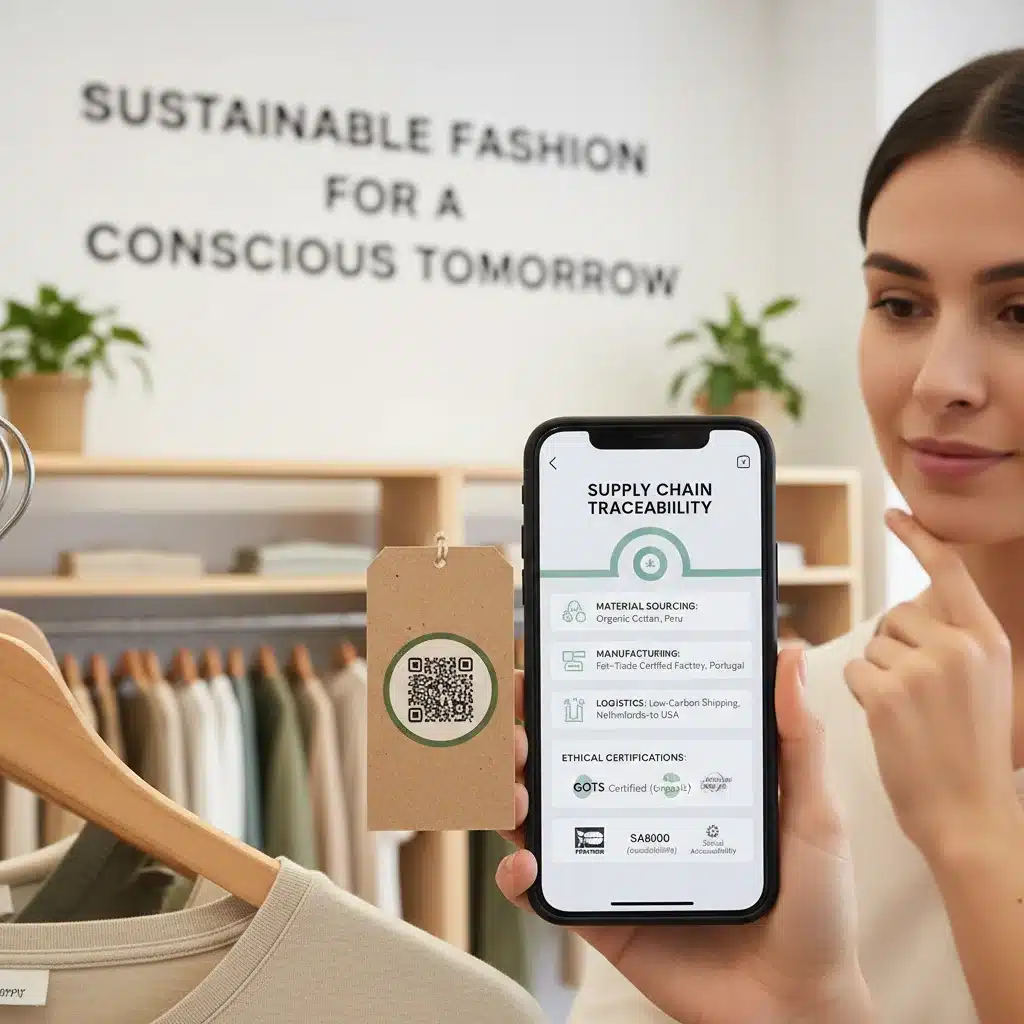
Consumers want to know the journey of their clothes, from farm to factory to their closet. Blockchain technology and other digital tools will become more commonplace in providing immutable and accessible information about a garment’s origin, environmental impact, and labor conditions. Brands that offer detailed, verifiable transparency will build greater trust and loyalty. QR codes on labels linking to comprehensive supply chain data will become standard practice, empowering consumers to make informed choices within US sustainable fashion.
4. The Mainstreaming of Resale, Rental, and Repair
The pre-owned market is booming, and it’s no longer just about vintage finds. Resale platforms for luxury and everyday wear will continue their rapid expansion. Rental services, offering access to high-quality garments for specific occasions or extended periods, will also grow, appealing to consumers looking for variety without ownership. Crucially, brands themselves are increasingly investing in these models, launching their own take-back programs, resale marketplaces, and repair services, integrating circularity directly into their business operations. This signifies a fundamental shift in how value is perceived and exchanged in fashion.
5. Bio-Based and Lab-Grown Materials Go Mainstream
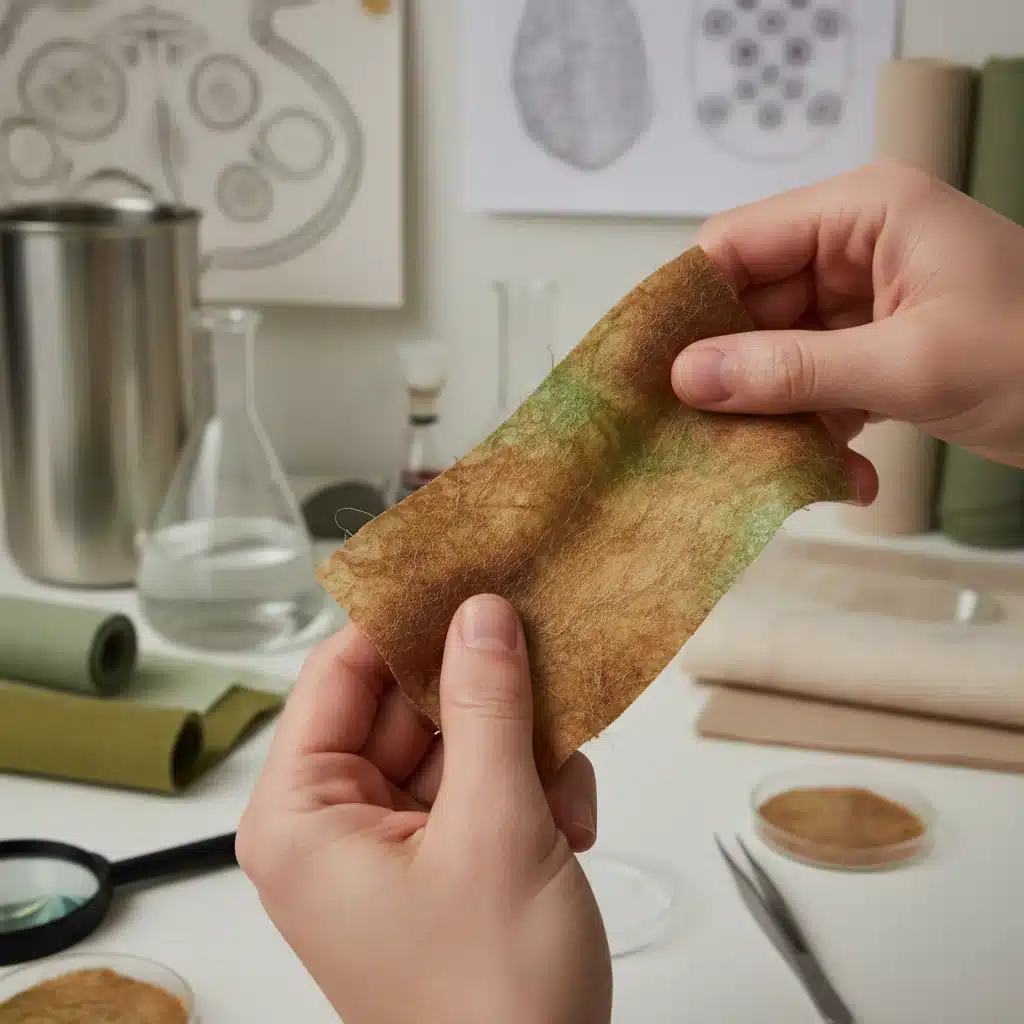
The quest for alternatives to conventional synthetic and animal-derived materials will accelerate. Expect to see a wider array of innovative bio-based materials hitting the market, including:
- Mushroom Leather (Mycelium-based): Offering a sustainable, animal-free alternative to traditional leather, mycelium-based materials are becoming more refined and scalable.
- Algae and Seaweed Fibers: These aquatic resources are being transformed into surprisingly versatile textiles with minimal environmental impact.
- Recycled Cotton and Polyester Innovations: While not new, the quality and availability of recycled cotton and polyester will improve significantly, with new technologies allowing for more efficient and higher-grade recycling processes.
- Hemp and Linen Revival: These ancient fibers, known for their durability and low environmental footprint, will experience a resurgence, with innovations in processing making them softer and more versatile for modern apparel.
- Lab-Grown Silk and Leather: Cellular agriculture is making strides in producing materials like silk and leather without animal involvement, offering ethical and environmentally superior options.
6. Water Conservation and Dyeing Innovations
Water scarcity is a global crisis, and the fashion industry is a major water consumer, particularly in textile dyeing. The next 12 months will bring increased focus on waterless dyeing technologies, such as supercritical CO2 dyeing, and the development of natural dyes derived from plants, food waste, and even microbes. Brands will emphasize their water footprint reduction efforts as a key sustainability metric, becoming a significant differentiator in the US sustainable fashion market.
7. Localized Production and Supply Chains
The COVID-19 pandemic highlighted the vulnerabilities of global supply chains. This, coupled with a desire to reduce carbon emissions from transportation and support local economies, will drive a trend towards more localized production. ‘Made in USA’ will gain renewed importance, not just for patriotic reasons, but for its potential to offer greater transparency, better labor conditions, and a reduced environmental footprint. Micro-factories and on-demand manufacturing will become more prevalent, minimizing waste and overproduction.
8. Social Equity and Fair Labor Practices
Sustainability extends beyond environmental concerns to encompass social justice. Consumers are increasingly demanding that brands ensure fair wages, safe working conditions, and ethical treatment for all workers throughout their supply chains. Certifications like Fair Trade will become more sought after, and brands will be expected to demonstrate a commitment to diversity, equity, and inclusion within their own organizations and among their partners. This holistic view of sustainability is crucial for the continued growth of US sustainable fashion.
Challenges and Opportunities in US Sustainable Fashion
While the future of US sustainable fashion looks promising, it’s not without its hurdles. Understanding these challenges is key to navigating the landscape effectively.
Challenges:
- Greenwashing: The proliferation of brands making unsubstantiated sustainability claims can confuse consumers and erode trust. Clear standards and third-party verification are essential.
- Scalability of Innovations: Many cutting-edge sustainable materials and technologies are still expensive and difficult to scale for mass production.
- Consumer Education: Despite growing awareness, many consumers still lack a deep understanding of what true sustainability entails, making it difficult to differentiate genuinely sustainable products.
- Infrastructure for Circularity: Developing robust infrastructure for textile collection, sorting, and recycling remains a significant challenge.
Opportunities:
- Market Differentiation: Brands that genuinely commit to sustainability can build strong brand loyalty and capture a growing market segment.
- Innovation and R&D: The need for sustainable solutions drives innovation, creating new business opportunities and technological breakthroughs.
- Cost Savings: In the long run, adopting circular practices and resource-efficient processes can lead to significant cost reductions.
- Positive Brand Image: A strong sustainability record enhances brand reputation and attracts talent.
Expert Insights: What Leading Voices Predict
We’ve gathered insights from industry experts who are at the forefront of the US sustainable fashion movement. Their perspectives underscore the trends we’ve discussed and offer a glimpse into the strategic thinking shaping the future.
Dr. Emily Chen, Textile Innovation Specialist: "The next year will be pivotal for bio-synthetics. We’re moving beyond basic plant-based fabrics to truly engineered materials that mimic the performance of traditional synthetics but are fully biodegradable or infinitely recyclable. Mycelium leather, in particular, will see a surge in high-end applications, proving that sustainable can also be luxurious."
Sarah Jenkins, Founder of ‘Circular Threads’ Consultancy: "Brands that don’t embrace resale and repair models will be left behind. Consumers are demanding longevity and value beyond the initial purchase. The real innovation will be in how brands seamlessly integrate these services into their core offering, making circularity effortless for the customer. Think subscription models for repairs or in-store resale hubs."
Mark Thompson, Supply Chain Ethics Advocate: "Transparency is no longer a ‘nice-to-have’; it’s a ‘must-have.’ We’ll see more robust legislation pushing for supply chain due diligence, especially regarding human rights. Brands that proactively invest in ethical sourcing and worker well-being will gain a significant competitive edge and avoid future reputational risks. Blockchain will move from a buzzword to a practical tool for verifiable claims."
These insights reinforce the idea that the future of US sustainable fashion is multifaceted, requiring innovation in materials, business models, and ethical practices.
How Consumers and Brands Can Participate in the Sustainable Fashion Movement
For Consumers:
- Educate Yourself: Learn about sustainable materials, ethical certifications, and the impact of fast fashion.
- Shop Mindfully: Invest in high-quality, durable pieces. Prioritize brands that are transparent about their sustainability efforts.
- Embrace Circularity: Buy pre-owned, rent for special occasions, repair your clothes, and recycle textiles responsibly.
- Demand Transparency: Ask brands questions about their supply chains and environmental practices. Your voice matters!
- Care for Your Clothes: Extend the life of your garments through proper washing and storage.
For Brands:
- Integrate Sustainability Holistically: Embed sustainable practices into every aspect of your business, from design to end-of-life.
- Invest in Innovation: Explore and adopt new sustainable materials and manufacturing processes.
- Be Transparent: Provide clear, verifiable information about your supply chain and environmental impact. Avoid greenwashing.
- Develop Circular Business Models: Explore resale, rental, repair, and recycling programs.
- Collaborate: Work with industry peers, innovators, and non-profits to drive systemic change.
Conclusion: The Future is Sustainable
The next 12 months will be a transformative period for US sustainable fashion. The convergence of heightened consumer awareness, technological breakthroughs, and a growing commitment to ethical practices is creating an exciting and dynamic industry. From regenerative agriculture to advanced recycling, and from hyper-transparency to the mainstreaming of circular business models, the path forward is clear: sustainability is not just an option but a necessity.
Brands that embrace these changes with genuine commitment and innovation will not only thrive but also play a crucial role in shaping a more responsible and equitable future for fashion. Consumers, through their choices and demands, hold immense power to accelerate this transition. The journey towards a fully sustainable fashion ecosystem is ongoing, but the next year promises significant strides, making ethical and eco-conscious style more accessible, desirable, and impactful than ever before in the United States.