Sustainable Fashion 2026: Eco-Conscious Trends in the U.S.
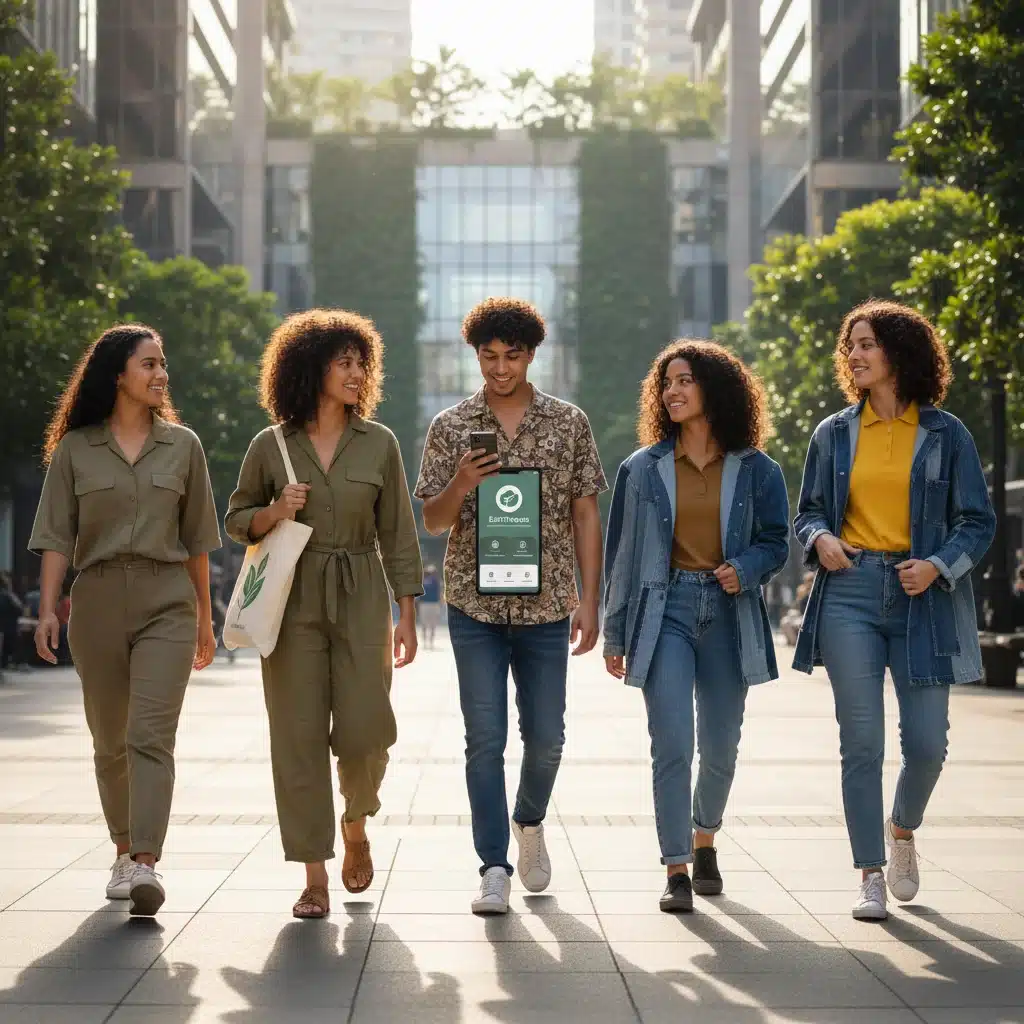
The fashion industry, long criticized for its environmental impact and ethical shortcomings, is undergoing a profound transformation. As we look towards 2026, the shift towards a more sustainable and ethical paradigm is not just a niche movement but a mainstream imperative, especially in the United States. Consumers are becoming increasingly aware of the provenance of their clothing, demanding transparency, ethical production, and environmental responsibility from brands. This comprehensive guide will delve into the top 5 sustainable fashion trends set to dominate the U.S. market in 2026, offering insights into how you can build an eco-conscious wardrobe that aligns with your values.
The urgency for sustainable practices in fashion is undeniable. From excessive water consumption and chemical pollution to textile waste and exploitative labor practices, the industry’s footprint is immense. However, innovation and consumer demand are driving significant change. Brands are now recognizing that sustainability is not just a buzzword but a core business strategy, essential for long-term viability and consumer loyalty. For the eco-conscious consumer, 2026 promises a wealth of options to dress stylishly while minimizing harm to the planet and its people.
The Rise of Regenerative Materials and Bio-Innovation
One of the most exciting and impactful sustainable fashion trends for 2026 is the widespread adoption of regenerative materials and bio-innovations. Beyond organic cotton and recycled polyester, the industry is now exploring materials that actively heal and restore ecosystems, rather than just minimizing harm. Regenerative agriculture, for instance, focuses on farming practices that improve soil health, increase biodiversity, and sequester carbon. This approach extends to fibers like regenerative cotton and wool, offering a truly restorative alternative.
Bio-innovations are also making significant strides. Imagine leather grown in labs from mycelium (mushroom roots), textiles derived from algae, or dyes extracted from food waste. These advancements are moving beyond experimental phases and are becoming commercially viable. Mycelium leather, for example, offers a durable, biodegradable, and cruelty-free alternative to traditional leather, with a significantly reduced environmental footprint. Algae-based fabrics are not only renewable but can also be grown in bioreactors with minimal land and water usage. These materials represent a paradigm shift, moving us closer to a truly circular economy where fashion items are designed to return to nature safely or be perpetually reused.
Consumers in the U.S. are increasingly prioritizing products made from these cutting-edge materials. Brands that invest in and promote their use are gaining a competitive edge, appealing to a demographic that values innovation and environmental stewardship. When building your eco-conscious wardrobe, look for certifications and detailed product descriptions that highlight the use of regenerative and bio-innovative materials. This trend isn’t just about reducing harm; it’s about actively contributing to environmental regeneration.
Circularity and the ‘Reduce, Reuse, Recycle, Repair’ Revolution
The linear model of ‘take, make, dispose’ is rapidly becoming obsolete. In 2026, the concept of circularity will be at the heart of sustainable fashion trends. This involves designing products for longevity, ease of repair, and eventual recycling or composting, ensuring materials stay in use for as long as possible. The ‘reduce, reuse, recycle, repair’ mantra is no longer just a suggestion but a foundational principle guiding consumer behavior and brand strategies.
Embracing Second-Hand and Resale Markets
The growth of the second-hand and resale market is phenomenal and shows no signs of slowing down. Platforms for buying and selling pre-loved clothing, from luxury items to everyday wear, are booming. This trend significantly extends the life cycle of garments, reducing demand for new production and diverting textiles from landfills. In 2026, expect even more sophisticated and user-friendly resale platforms, along with major brands launching their own certified pre-owned programs. Shopping second-hand is not only sustainable but also allows for unique style expression and access to high-quality pieces at a fraction of their original cost.
The Power of Rental and Subscription Models
For special occasions or to experiment with new styles without the commitment of ownership, rental and subscription services are gaining traction. This model promotes access over ownership, allowing consumers to enjoy a diverse wardrobe without contributing to overconsumption. These services are becoming more refined, offering personalized styling and convenient delivery and return options. This trend is particularly appealing for formal wear, maternity clothing, and designer pieces, making high fashion more accessible and sustainable.
Repair, Upcycle, and DIY
A renewed appreciation for craftsmanship and the value of existing garments is fueling the ‘repair, upcycle, and DIY’ movement. Brands are increasingly offering repair services, and independent artisans specializing in clothing repair are seeing a resurgence. Upcycling, which involves transforming old or discarded items into new products of higher value, is also a creative way to extend the life of clothing and reduce waste. For the truly eco-conscious, learning basic mending skills or experimenting with DIY alterations can be incredibly empowering and fulfilling. This aspect of circularity emphasizes mindful consumption and a deeper connection to our clothes.
Transparency and Traceability: Knowing Your Clothes’ Journey
In 2026, consumers will demand unprecedented levels of transparency and traceability from fashion brands. The days of opaque supply chains are numbered. Shoppers want to know who made their clothes, under what conditions, and what environmental impact the production process entailed. This trend is driven by a desire for ethical consumption and a growing distrust of ‘greenwashing’ – misleading claims about environmental practices.
Technological advancements, such as blockchain and QR codes, are making it easier for brands to provide detailed information about their supply chains. Imagine scanning a QR code on a garment and instantly accessing data about the farm where the fibers were grown, the factory where it was sewn, the certifications it holds, and its carbon footprint. This level of detail empowers consumers to make truly informed choices, supporting brands that demonstrate genuine commitment to ethical and sustainable practices.
Brands that excel in transparency will build greater trust and loyalty. They will openly share their sustainability reports, disclose their manufacturing partners, and engage in third-party certifications (e.g., Fair Trade, GOTS, B Corp). For the consumer, actively seeking out brands that offer this level of transparency is crucial for building a truly ethical and sustainable fashion wardrobe. It’s about voting with your wallet for a better future for the industry.
Slow Fashion and Mindful Consumption
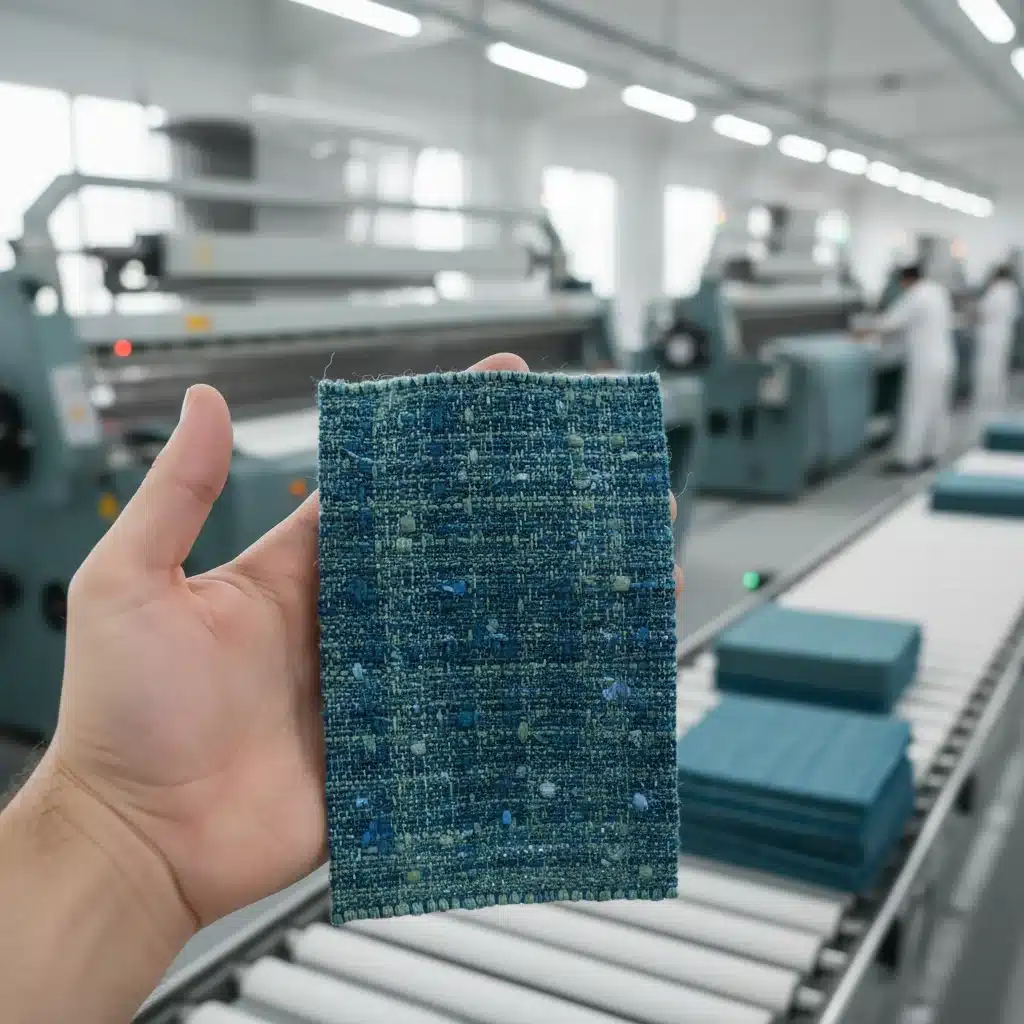
Against the backdrop of fast fashion’s relentless cycles, the slow fashion movement continues to gain momentum, becoming a dominant sustainable fashion trend in 2026. Slow fashion advocates for a more thoughtful approach to clothing, emphasizing quality over quantity, longevity over disposability, and timeless style over fleeting trends. It’s about building a wardrobe of cherished pieces that are well-made, versatile, and reflect personal style, rather than constantly chasing new arrivals.
Mindful consumption extends beyond just buying fewer items. It involves a deeper consideration of each purchase: asking questions like, ‘Do I truly need this?’ ‘Will it last?’ ‘Is it versatile enough to be worn in multiple ways?’ ‘Does it align with my values?’ This approach encourages consumers to invest in durable, high-quality garments that can be worn for years, reducing the need for frequent replacements. It also promotes a greater appreciation for the craftsmanship and resources that go into making clothes.
Building a Capsule Wardrobe
A key strategy within slow fashion is the development of a capsule wardrobe – a collection of essential, versatile pieces that can be mixed and matched to create numerous outfits. This reduces decision fatigue, minimizes clutter, and ensures that every item in your closet is loved and worn frequently. In 2026, expect to see more resources and brands dedicated to helping consumers curate effective and stylish capsule wardrobes, further solidifying slow fashion as a practical and desirable choice.
Investing in Timeless Pieces
Instead of succumbing to micro-trends, focus on classic silhouettes, neutral colors, and high-quality fabrics that will stand the test of time. A well-made trench coat, a classic pair of jeans, a versatile white shirt – these are the building blocks of a sustainable wardrobe that transcends seasons. This approach not only reduces environmental impact but also often proves more economical in the long run, as you’re investing in items that won’t need to be replaced frequently.
Ethical Production and Fair Labor Practices
While environmental sustainability often takes center stage, ethical production and fair labor practices are equally critical components of the sustainable fashion trends for 2026. The human cost of fast fashion, including low wages, unsafe working conditions, and child labor, has been widely exposed. Consumers are now demanding that brands ensure fair treatment and living wages for all workers throughout their supply chains.
In 2026, expect increased scrutiny on brands’ labor practices. Certifications like Fair Trade and SA8000 will become more important indicators of a brand’s commitment to ethical production. Consumers will actively seek out brands that prioritize worker well-being, provide safe environments, and empower their employees. This includes transparency around factory locations, audit results, and worker grievance mechanisms.
Supporting Local and Artisan Craftsmanship
Another facet of ethical production is the growing support for local artisans and small-scale producers. By purchasing from these makers, consumers can often gain direct insight into their production methods and ensure that workers are treated fairly. This also helps to preserve traditional crafts and supports local economies, contributing to a more diverse and resilient fashion ecosystem. The ‘Made in USA’ label, when backed by genuine ethical practices, is gaining renewed importance for many U.S. consumers who wish to support local jobs and reduce the carbon footprint associated with long-distance shipping.
The Role of Technology in Ensuring Ethics
Technology is also playing a role in ensuring ethical practices. Digital platforms can help monitor working conditions in factories, track wages, and provide direct communication channels for workers. This allows for real-time oversight and quicker intervention in case of issues, moving beyond sporadic audits to continuous monitoring. As these technologies become more sophisticated, they will further empower brands to uphold their ethical commitments and provide consumers with verifiable proof of fair labor.
The Future of Your Eco-Conscious Wardrobe in 2026
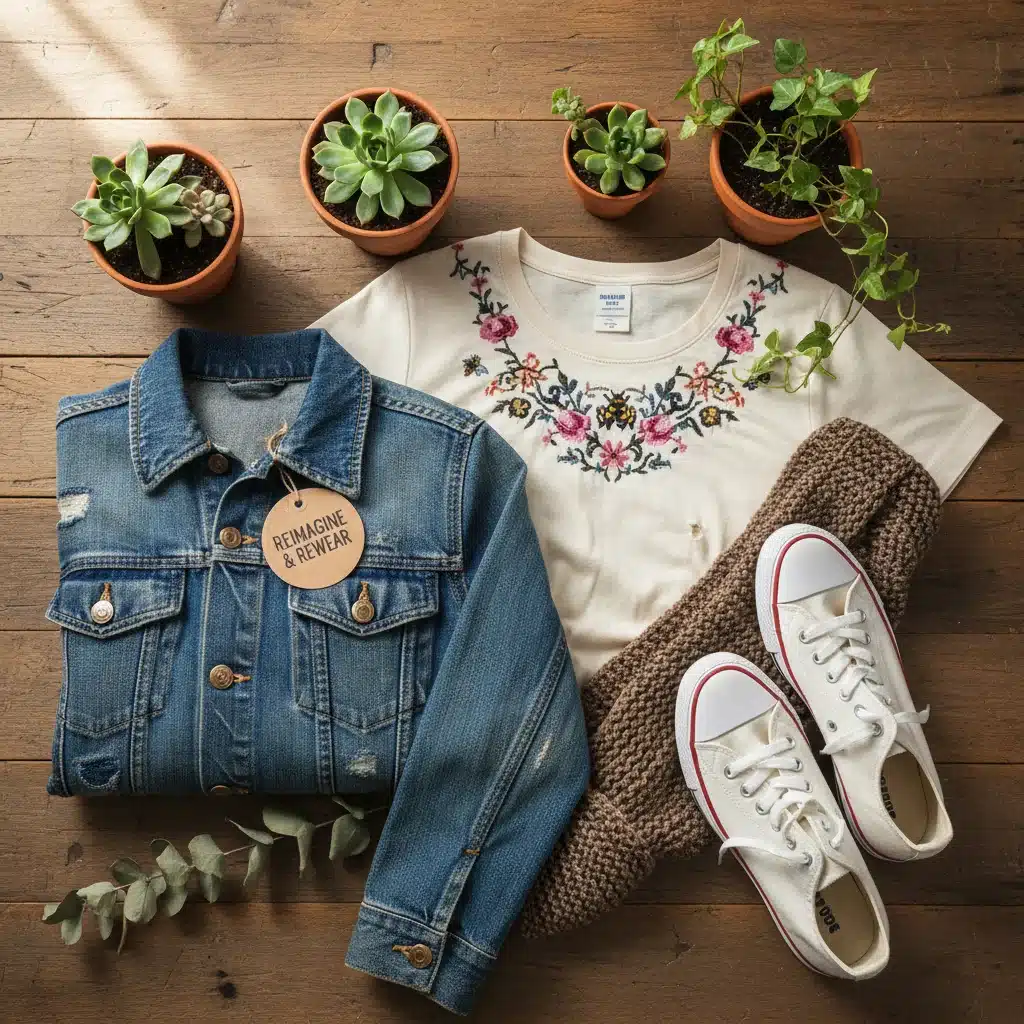
As we navigate towards 2026, the landscape of sustainable fashion trends in the U.S. is vibrant and full of promise. The convergence of consumer demand, technological innovation, and a collective awakening to environmental and social responsibilities is reshaping the industry for the better. Building an eco-conscious wardrobe is no longer about compromise; it’s about making informed choices that reflect your values, embrace innovation, and contribute to a healthier planet and a more equitable society.
To integrate these trends into your own style, start by educating yourself. Research brands, look for certifications, and read reviews. Embrace the circular economy by exploring second-hand markets, utilizing rental services, and repairing your clothes. Invest in high-quality, timeless pieces made from regenerative or innovative materials. Demand transparency from the brands you support, and prioritize those committed to fair labor practices.
Remember, sustainability is a journey, not a destination. Every small step you take towards a more mindful approach to fashion contributes to a larger collective impact. By embracing the sustainable fashion trends of 2026, you’re not just updating your wardrobe; you’re actively participating in a movement that is redefining what it means to be fashionable in the 21st century. The future of fashion is sustainable, ethical, and exciting, and you have a vital role to play in shaping it.
Key Takeaways for the Eco-Conscious Consumer:
- Prioritize Regenerative & Bio-Materials: Look for fabrics like regenerative cotton, mycelium leather, and algae-based textiles.
- Embrace Circularity: Shop second-hand, rent clothes, and repair/upcycle existing garments.
- Demand Transparency: Support brands that openly share their supply chain and ethical practices.
- Practice Slow Fashion: Invest in high-quality, versatile pieces and build a capsule wardrobe.
- Champion Ethical Production: Choose brands committed to fair wages and safe working conditions for all.
The movement towards sustainable fashion is a powerful one, driven by a growing understanding that our choices have consequences. In 2026, the U.S. consumer will have more power than ever to influence the industry towards a more responsible and respectful future. By aligning your purchasing decisions with these key sustainable fashion trends, you become a part of the solution, creating a wardrobe that is not only stylish but also truly sustainable and ethically sound.