Athleisure’s Next Frontier: 6 Performance Wear Trends Gaining Traction in Early 2026 for the American Market
The athleisure market continues its meteoric rise, evolving beyond mere comfort into a sophisticated fusion of style, technology, and sustainability. As we look towards early 2026, the American landscape for performance wear is poised for significant shifts, driven by consumer demand for versatility, ethical production, and cutting-edge functionality. The lines between gym wear, everyday attire, and even professional dressing are blurring further, creating a dynamic and innovative space for brands and consumers alike. This article delves into the six most compelling Athleisure Performance Trends that are not just gaining traction but are set to define the market in the coming years.
The concept of athleisure, once a niche, has firmly cemented itself as a cornerstone of modern fashion. Its appeal lies in its inherent ability to adapt to various facets of contemporary life – from intense workouts to casual social gatherings, and even work-from-home scenarios. This adaptability is being pushed to new limits, with performance wear now expected to offer more than just basic utility. Consumers are increasingly discerning, seeking garments that not only look good but also perform exceptionally under diverse conditions, all while aligning with their personal values. This evolving consumer mindset is directly influencing the Athleisure Performance Trends we are witnessing for early 2026.
Innovation in materials science, manufacturing processes, and design philosophy is at the heart of these emerging trends. Brands are investing heavily in research and development to create fabrics that are lighter, stronger, more breathable, and more sustainable than ever before. Furthermore, the integration of smart technologies is no longer a futuristic fantasy but a tangible reality, adding a new dimension of functionality to athleisure wear. The American market, known for its rapid adoption of new technologies and fashion forwardness, is a fertile ground for these transformative trends to flourish, setting global benchmarks for the industry.
1. Hyper-Functional Hybrid Garments: The Ultimate Versatility
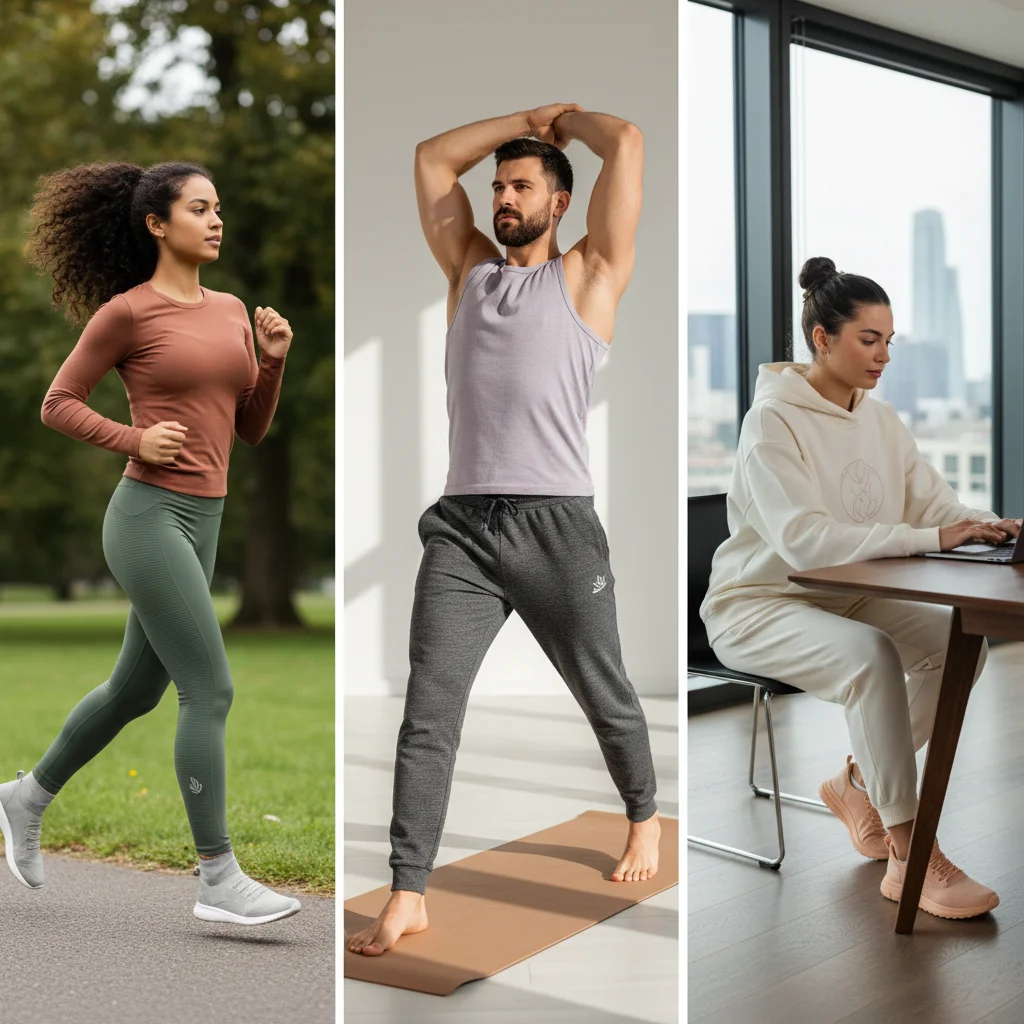
The demand for clothing that seamlessly transitions between different activities and environments is at an all-time high. Consumers are no longer content with separate wardrobes for work, leisure, and exercise. This has given rise to the hyper-functional hybrid garment, a leading Athleisure Performance Trends for 2026. These pieces are engineered to perform across multiple scenarios without compromising on style or comfort. Think jackets that offer waterproof protection for a morning commute, breathability for a lunchtime run, and a sophisticated aesthetic for an evening out.
The key to these hybrid garments lies in their intelligent design and material selection. Fabrics are often multi-layered, combining properties like stretch, moisture-wicking, thermal regulation, and even UV protection. Design elements are minimalist and adaptable, featuring hidden pockets, convertible features (e.g., detachable hoods, adjustable hems), and ergonomic cuts that allow for a full range of motion while maintaining a tailored look. For instance, a pair of trousers might feature a smart, office-appropriate exterior but boast the stretch and quick-drying properties of performance wear, making them ideal for cycling to work or an impromptu yoga session.
Brands are leveraging advanced bonding techniques, laser-cut ventilation, and seamless construction to create garments that feel like a second skin while offering robust protection and functionality. The aesthetic often leans towards understated elegance, with neutral color palettes and subtle textures that allow the performance features to speak for themselves. This trend signifies a shift from clothing as a mere covering to clothing as an adaptive tool, empowering individuals to navigate their dynamic lives with ease and style. The pursuit of ultimate versatility is a defining characteristic of these Athleisure Performance Trends.
2. Sustainable Performance: Eco-Conscious Innovation
Sustainability is no longer an optional extra but a core expectation for consumers, especially within the American market. For early 2026, sustainable performance wear is one of the most impactful Athleisure Performance Trends, driving innovation in every aspect of the supply chain. This trend encompasses not just the use of recycled or organic materials but also extends to ethical manufacturing practices, reduced water usage, non-toxic dyes, and circular design principles.
Expect to see a proliferation of innovative eco-friendly materials. This includes recycled polyester and nylon derived from ocean plastics and post-consumer waste, organic cotton, Tencel, modal, and hemp for their natural breathability and reduced environmental footprint. Beyond raw materials, brands are exploring bio-based alternatives, such as fabrics made from algae, mushroom mycelium, or agricultural waste. These next-generation materials offer comparable or even superior performance characteristics to their conventional counterparts, addressing the performance aspect crucial to athleisure.
Furthermore, the focus is shifting towards transparency and traceability. Consumers want to know where their clothes come from, how they were made, and their environmental impact. Brands are responding by providing detailed information about their supply chains, certifications, and sustainability initiatives. The concept of circularity is also gaining traction, with brands offering take-back programs for old garments to be recycled into new ones, minimizing waste and promoting a closed-loop system. This commitment to sustainability is reshaping how performance wear is conceived, produced, and consumed, making it a pivotal element of future Athleisure Performance Trends.
3. Adaptive Fit and Inclusivity: Tailored for Every Body
The athleisure market is increasingly recognizing the diverse needs and body types of its consumer base. The trend towards adaptive fit and inclusivity is a powerful force among Athleisure Performance Trends for 2026, moving beyond standard sizing to offer truly accommodating and comfortable options for everyone. This involves not only extended size ranges but also thoughtful design features that cater to various physical needs and preferences.
This trend manifests in several ways. Firstly, sizing charts are becoming more nuanced, incorporating detailed measurements and offering clearer guidance. Brands are also investing in 3D body scanning technology to create more accurate and diverse fit models, ensuring garments truly fit a wider range of shapes and sizes. Secondly, design elements are being re-evaluated for adaptability. This includes adjustable waistbands, drawstrings, and cuffs, as well as fabrics with exceptional four-way stretch that mold to the body without feeling restrictive.
Beyond size, inclusivity also means designing for specific functional needs. This could involve easy-access closures for individuals with limited dexterity, sensory-friendly fabrics for those with sensitivities, or designs that accommodate prosthetics. The goal is to create performance wear that empowers every individual to participate in physical activity and feel confident and comfortable in their daily lives. This commitment to a more inclusive and adaptive approach is a testament to the evolving values within the athleisure industry and a key driver of Athleisure Performance Trends.
4. Smart Textiles and Integrated Tech: Wearable Wellness
The integration of technology directly into performance wear is moving beyond simple fitness trackers to truly smart textiles. This is one of the most exciting and transformative Athleisure Performance Trends for early 2026. These garments are designed to monitor biometric data, provide haptic feedback, or even regulate body temperature, offering a new level of personalized wellness and performance enhancement.
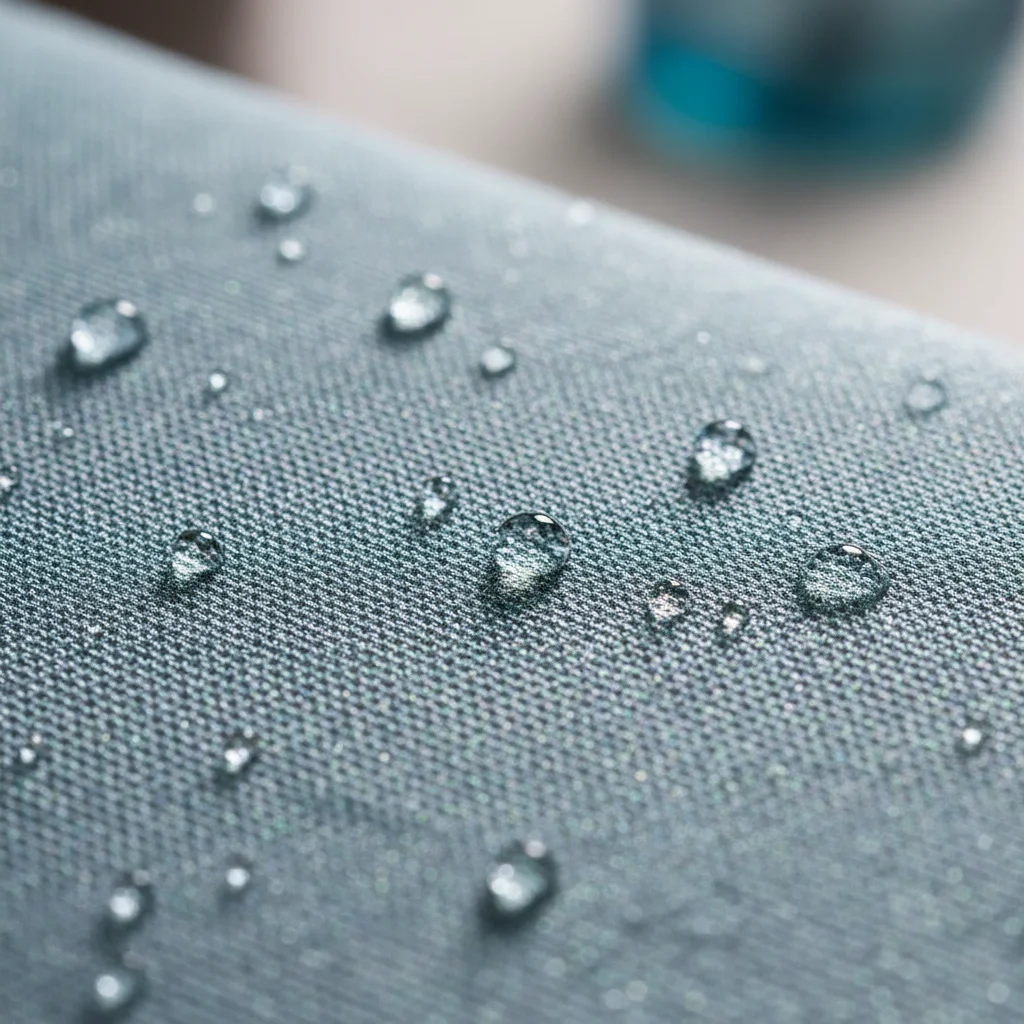
Imagine activewear that can track your heart rate, respiration, muscle activity, and even posture in real-time, sending data directly to your smartphone or a connected app. This data can then be used to optimize workouts, prevent injuries, and monitor overall health. The technology is subtly woven into the fabric, making it washable, durable, and comfortable to wear. We’re seeing advancements in conductive yarns, embedded micro-sensors, and even self-powering textiles that harness kinetic energy.
Beyond data collection, smart textiles are also being developed for therapeutic purposes. Compression garments with integrated heating or cooling elements can aid in muscle recovery, while fabrics with embedded micro-vibrations could help improve circulation. The potential applications are vast, from enhancing athletic performance to providing proactive health monitoring for everyday users. As these technologies become more affordable and seamlessly integrated, they will redefine what we expect from our clothing, making smart textiles a leading edge of Athleisure Performance Trends.
5. Elevated Aesthetics and Textured Fabrics: Fashion-Forward Performance
While performance remains paramount, the aesthetic appeal of athleisure wear is becoming increasingly sophisticated. For early 2026, elevated aesthetics and the use of diverse textured fabrics are significant Athleisure Performance Trends, blurring the lines between sportswear and high fashion. This trend focuses on creating garments that are not only functional but also visually striking and luxurious to the touch.
Designers are moving beyond flat, smooth fabrics to incorporate a rich variety of textures. This includes ribbed knits, subtle jacquards, perforated panels, and fabrics with a soft, brushed feel. These textures add depth and interest to garments, making them more versatile for different occasions. Color palettes are also evolving, moving beyond basic blacks and grays to include sophisticated earthy tones, muted pastels, and unexpected pops of jewel tones, often in monochromatic or tonal ensembles.
Furthermore, attention to detail is becoming critical. This includes precision stitching, innovative seam constructions, and thoughtful hardware choices. Silhouettes are becoming more sculpted and architectural, embracing both form-fitting and comfortably oversized shapes. The goal is to create performance wear that looks and feels premium, allowing consumers to express their personal style without sacrificing functionality. This emphasis on refined design and tactile qualities is a clear indicator of the evolving landscape of Athleisure Performance Trends.
6. Biometric Integration and Personalized Performance: Tailored to You
Building on the smart textiles trend, biometric integration takes personalization to the next level, making it a crucial aspect of Athleisure Performance Trends for 2026. This involves using collected biometric data to offer hyper-personalized recommendations, training programs, and even bespoke garment features. The future of performance wear is about clothing that truly understands and adapts to the individual user.
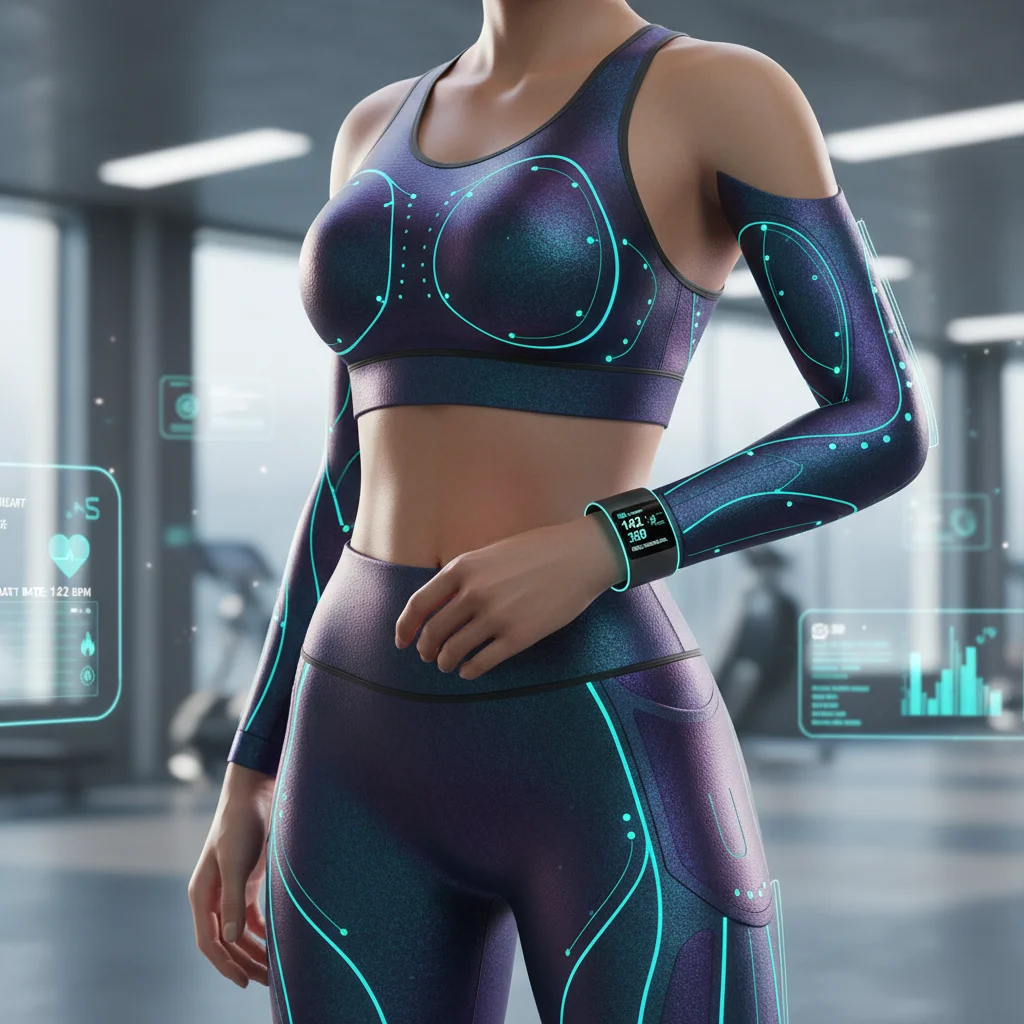
Imagine a running shirt that, based on your stride length and body temperature, suggests adjustments to your pace or hydration levels. Or compression wear that is custom-fitted not just to your size but to the specific pressure points needed for optimal blood flow and recovery based on your unique physiology. This level of personalization is becoming possible through advanced sensor technology, AI-driven data analysis, and sophisticated manufacturing techniques like 3D printing and body mapping.
Brands are exploring partnerships with tech companies and fitness platforms to create integrated ecosystems where performance wear acts as a central data hub. This allows for a holistic approach to wellness, where clothing provides actionable insights and facilitates a more effective and enjoyable fitness journey. The move towards truly personalized performance, driven by biometric data, represents a significant leap forward in the functionality and utility of athleisure wear, solidifying its place as a key element of the Athleisure Performance Trends.
The Economic and Cultural Impact of These Athleisure Performance Trends
These six Athleisure Performance Trends are not just about fashion; they represent significant shifts in consumer behavior, manufacturing capabilities, and ethical considerations within the broader apparel industry. The economic impact is substantial, with the athleisure market projected to continue its robust growth. Brands that successfully innovate within these trends stand to capture significant market share, while those that lag may find themselves struggling to keep pace with evolving consumer expectations.
Culturally, the increasing integration of performance wear into daily life reflects a societal emphasis on health, wellness, and an active lifestyle. The demand for versatile clothing that supports these values underscores a desire for efficiency and practicality without sacrificing style. Hybrid garments, for instance, cater to a dynamic, often busy lifestyle where transitions between different activities are frequent. This cultural shift is not confined to fitness enthusiasts; it permeates various demographics, influencing how people dress for work, travel, and social engagements.
Furthermore, the focus on sustainability within these Athleisure Performance Trends highlights a growing collective consciousness about environmental responsibility. Consumers are increasingly using their purchasing power to support brands that align with their values, pushing the industry towards more eco-friendly practices. This pressure from consumers is a powerful catalyst for innovation, driving brands to invest in sustainable materials and ethical production methods. The adoption of smart textiles also signals a broader acceptance and integration of technology into personal health management, blurring the lines between fashion, tech, and healthcare.
For retailers, understanding these trends is crucial for inventory planning, marketing strategies, and brand positioning. Offering a diverse range of products that cater to these emerging demands will be key to success. This means curating collections that feature not only aesthetically pleasing items but also those that deliver on advanced performance, sustainable credentials, and inclusive sizing. The narrative around athleisure will increasingly shift from mere comfort to comprehensive well-being and responsible consumption.
Challenges and Opportunities in the Evolving Athleisure Landscape
While these Athleisure Performance Trends present immense opportunities, they also come with inherent challenges. For instance, the development of hyper-functional hybrid garments requires significant investment in material science and design, pushing the boundaries of traditional apparel manufacturing. Similarly, integrating smart technology seamlessly into textiles presents complexities related to durability, washability, and data security. Brands must navigate these technical hurdles while ensuring the end product remains user-friendly and aesthetically appealing.
The push for sustainable performance also brings its own set of challenges. Sourcing eco-friendly materials at scale, ensuring ethical labor practices throughout the supply chain, and achieving true circularity require systemic changes and collaboration across the industry. Greenwashing remains a concern, and consumers are becoming adept at identifying superficial sustainability claims. Brands must commit to genuine transparency and verifiable efforts to build trust and credibility in this space.
However, these challenges are also ripe with opportunities for innovation and differentiation. Companies that can successfully overcome these obstacles will emerge as leaders in the market. There’s a significant opportunity for brands to forge strong relationships with consumers by demonstrating a genuine commitment to quality, innovation, and ethical practices. The demand for personalized and inclusive products also opens doors for niche brands and specialized offerings that cater to underserved segments of the market.
The evolving landscape of Athleisure Performance Trends encourages collaboration between diverse industries – fashion, technology, science, and even healthcare. This cross-pollination of ideas and expertise can lead to groundbreaking products and services that redefine the boundaries of what performance wear can achieve. The American market, with its entrepreneurial spirit and technological prowess, is ideally positioned to be at the forefront of these innovations, driving forward the next generation of athleisure.
Conclusion: Shaping the Future of Performance Wear
The athleisure market in early 2026 is set to be characterized by a profound blend of innovation, ethical consciousness, and personalized experiences. The six Athleisure Performance Trends we’ve explored – hyper-functional hybrid garments, sustainable performance, adaptive fit and inclusivity, smart textiles and integrated tech, elevated aesthetics and textured fabrics, and biometric integration and personalized performance – collectively paint a picture of a future where clothing is more than just utilitarian. It’s a tool for enhancing well-being, expressing personal values, and seamlessly navigating a complex, active lifestyle.
For brands, staying ahead means embracing these trends wholeheartedly, investing in research and development, and fostering a culture of continuous innovation. For consumers, this means access to an unprecedented array of choices that cater to their diverse needs, preferences, and values. The journey of athleisure is far from over; it is continuously evolving, pushing the boundaries of what apparel can do and how it can contribute to a better, more sustainable, and more connected world. The American market will undoubtedly play a pivotal role in shaping these exciting developments, solidifying the position of Athleisure Performance Trends as a driving force in global fashion and lifestyle.