Fabric Focus: Choosing the Best Materials for Your 2026 US Climate Wardrobe
The fashion landscape is undergoing a profound transformation, driven not only by shifting aesthetics but also by the undeniable impact of climate change. As we look towards 2026 and beyond, understanding how to choose the best climate wardrobe fabrics for the diverse and often unpredictable US climate becomes paramount. This isn’t just about staying comfortable; it’s about making informed, sustainable choices that contribute to a more resilient future. Our wardrobes need to adapt, just as our planet is changing, and the key to this adaptability lies in the very fibers of our clothing.
The United States, with its vast geographical expanse, experiences a spectrum of climates – from the humid summers of the Southeast to the arid heat of the Southwest, the freezing winters of the Northeast, and the temperate zones of the Pacific Northwest. Predicting weather patterns is becoming increasingly challenging, with extreme events becoming more commonplace. This necessitates a thoughtful approach to our clothing choices, moving beyond seasonal trends to embrace materials that offer versatility, durability, and performance. This comprehensive guide will delve into the world of climate wardrobe fabrics, equipping you with the knowledge to build a wardrobe that is both stylish and prepared for whatever 2026 throws your way.
Understanding the Evolving US Climate: Why Fabric Choices Matter More Than Ever
Before we dive into specific materials, it’s crucial to grasp the context of the evolving US climate. Scientific reports consistently point to rising global temperatures, leading to more frequent and intense heatwaves, prolonged droughts in some regions, and increased precipitation in others. Alongside this, the concept of "weather whiplash– rapid shifts between extreme heat and cold – is becoming a stark reality for many. For example, a mild autumn day can suddenly plummet into freezing temperatures, or a spring afternoon can feel like summer. This unpredictability means that our clothing can no longer be single-purpose; it must be multi-functional and adaptable.
The traditional seasonal wardrobe – heavy wools for winter, light cottons for summer – is becoming an outdated concept. Instead, we need a "trans-seasonal" approach, where individual garments can be layered, de-layered, or worn in various conditions. This is where the inherent properties of climate wardrobe fabrics come into play. Breathability, moisture-wicking capabilities, insulation, and quick-drying properties are no longer just features for athletic wear; they are essential considerations for everyday attire. Moreover, the environmental impact of our clothing choices is under increasing scrutiny. Fast fashion’s reliance on resource-intensive and polluting materials is unsustainable. As conscious consumers, we have a responsibility to seek out materials that are not only performant but also eco-friendly, aligning our fashion choices with our commitment to environmental stewardship.
The Core Principles of Climate-Adaptive Fabrics
When selecting climate wardrobe fabrics, there are several key principles to keep in mind. These principles will guide you towards materials that offer maximum comfort, versatility, and sustainability in an unpredictable climate:
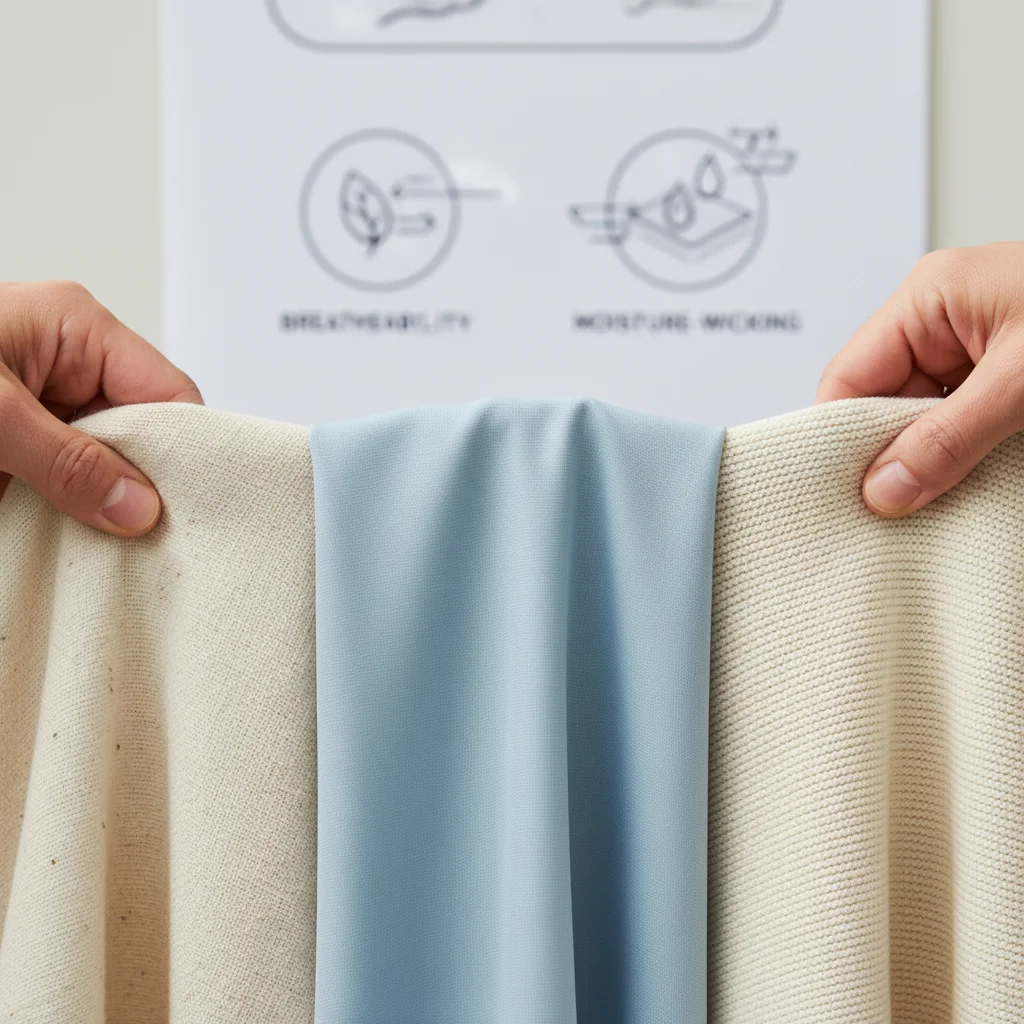
- Breathability: This is crucial for regulating body temperature, especially in fluctuating conditions. Fabrics that allow air to circulate freely prevent overheating in warm weather and help manage moisture in cooler temperatures.
- Moisture-Wicking: The ability of a fabric to draw moisture (sweat) away from the skin and to the outer surface where it can evaporate quickly is vital for comfort. This prevents clamminess in humid conditions and helps maintain warmth in colder, damp environments.
- Insulation (and adaptability): While some fabrics are inherently insulating (like wool), others can provide warmth through their weave or by being easily layered. The best fabrics offer adaptable insulation, keeping you warm when needed but not causing overheating.
- Quick-Drying: This property is particularly beneficial for travel, unexpected rain, or for garments that are frequently washed. Quick-drying fabrics reduce the need for energy-intensive drying and ensure you’re ready for your next adventure sooner.
- Durability: Investing in high-quality, durable fabrics means your clothes will last longer, reducing waste and the need for frequent replacements. This is a cornerstone of sustainable fashion.
- Sustainability: Beyond performance, consider the environmental footprint of the fabric – from its raw material sourcing to its manufacturing process and end-of-life cycle. Look for organic, recycled, or low-impact materials.
Top Climate Wardrobe Fabrics for 2026: Natural Fibers
Natural fibers have been a cornerstone of human clothing for millennia, and for good reason. Many offer inherent properties that make them exceptionally well-suited for a changing climate. When considering climate wardrobe fabrics, these should be at the top of your list:
Merino Wool: The All-Season Wonder
Often associated with winter, merino wool is, in fact, an incredible all-season fabric. Its fine fibers are remarkably soft, making it comfortable against the skin, unlike traditional scratchy wools. But its true magic lies in its thermoregulating properties. Merino wool keeps you warm in cold weather by trapping air, and surprisingly, it helps keep you cool in hot weather by wicking away moisture and allowing it to evaporate, creating a cooling effect. It’s naturally odor-resistant, meaning you can wear it multiple times before washing, and it’s highly breathable. From base layers to sweaters and even lightweight t-shirts, merino wool is an investment that pays dividends in comfort and versatility.
Linen: The Epitome of Summer Comfort
For hot and humid conditions, linen remains unparalleled. Derived from the flax plant, linen fibers are naturally strong and absorbent. Its unique weave creates a fabric that is exceptionally breathable and allows air to flow freely, preventing that sticky, uncomfortable feeling. Linen also has natural cooling properties and dries very quickly. While it’s known for wrinkling easily, many embrace this characteristic as part of its relaxed, sophisticated charm. As the US experiences more intense heatwaves, linen will be an indispensable part of any climate-adaptive wardrobe.
Organic Cotton: A Sustainable Staple
Cotton has long been a wardrobe staple, but conventional cotton production is notoriously resource-intensive. Organic cotton, however, offers a more sustainable alternative, grown without harmful pesticides or synthetic fertilizers. While cotton can absorb moisture and take longer to dry than some synthetics, its breathability and softness make it excellent for everyday wear in moderate climates. Choose lighter weaves for warmer days and heavier knits for cooler ones. Look for blends with other performance fibers to enhance its moisture-wicking capabilities.
Hemp: The Eco-Warrior
Hemp is an incredibly sustainable fiber, requiring very little water and no pesticides to grow. It’s known for its exceptional strength and durability, making garments last for years. In terms of performance, hemp shares many similarities with linen – it’s highly breathable, absorbent, and softens with wear. It also offers natural UV protection. As sustainable fashion gains traction, hemp is poised to become a more prominent climate wardrobe fabric, perfect for durable, comfortable everyday wear.
Top Climate Wardrobe Fabrics for 2026: Regenerated and Synthetic Fibers
While natural fibers have their strengths, advancements in regenerated and synthetic materials have created innovative options that offer unparalleled performance, particularly in extreme or rapidly changing conditions. These are vital for a modern climate wardrobe fabrics strategy:
Tencel™ Lyocell: The Silky Smooth Performer
Tencel™ Lyocell is a regenerated cellulosic fiber made from sustainably sourced wood pulp through an eco-friendly closed-loop process. It’s incredibly soft, often compared to silk, yet boasts exceptional performance characteristics. Tencel™ is highly breathable, has excellent moisture-wicking properties (even better than cotton), and is naturally resistant to bacterial growth, which helps prevent odor. It drapes beautifully and is surprisingly durable. For those seeking a luxurious feel with high functionality and a lower environmental impact, Tencel™ is an outstanding choice for all seasons.
Modal: Softness and Durability
Another type of rayon, Modal is also derived from beech wood pulp and processed similarly to Tencel™. It’s renowned for its incredible softness, often softer than cotton, and maintains its softness even after repeated washes. Modal is also highly breathable, absorbs moisture effectively, and is resistant to shrinking and fading. It’s a great option for comfortable, everyday garments, especially in warmer or transitional climates where softness and durability are key.
Recycled Polyester (rPET): Performance with a Purpose
Recycled polyester, made from recycled plastic bottles, is a game-changer for sustainable performance wear. It retains all the performance characteristics of virgin polyester – it’s incredibly durable, wrinkle-resistant, quick-drying, and excellent at wicking moisture. However, by using recycled materials, it significantly reduces the demand for new petroleum and diverts plastic waste from landfills and oceans. While it’s a synthetic, its environmental benefits in terms of waste reduction are substantial. Ideal for activewear, outerwear, and even some everyday pieces where durability and quick-drying are paramount.
Nylon (Recycled Options): Strength and Lightness
Similar to polyester, nylon is a strong, lightweight synthetic fiber. It’s known for its exceptional strength, elasticity, and resistance to abrasion, making it ideal for outerwear and activewear that needs to withstand tough conditions. Recycled nylon (often made from fishing nets and industrial plastic waste) offers the same performance benefits with a reduced environmental footprint. While not as breathable as natural fibers, its quick-drying and wind-resistant properties make it excellent for layering or for garments designed to protect against the elements.
Blends and Innovations: The Future of Climate Wardrobe Fabrics
Sometimes, the best solution isn’t a single fiber but a clever combination. Fabric blends are increasingly popular, combining the best properties of different materials to create enhanced performance. For instance, a merino wool and Tencel™ blend can offer the thermoregulation and odor resistance of wool with the silky drape and enhanced moisture-wicking of Tencel™. Cotton-hemp blends provide softness with added durability and breathability.
Beyond blends, textile innovation is constantly pushing boundaries. Researchers are developing "smart fabrics" that can actively respond to body temperature, cooling you down or warming you up as needed. Phase-change materials (PCMs) embedded in fibers can absorb, store, and release heat, providing dynamic thermal regulation. While these technologies might be more common in specialized activewear now, expect them to become more integrated into everyday climate wardrobe fabrics by 2026.
Building Your 2026 US Climate Wardrobe: Practical Strategies
Now that you’re familiar with the best climate wardrobe fabrics, how do you put this knowledge into practice? Here are some strategies for building a resilient and adaptable wardrobe:
1. Embrace Layering
Layering is the single most effective strategy for adapting to unpredictable weather. It allows you to add or remove clothing as conditions change, providing maximum comfort. Think in terms of a "three-layer system" (or two for milder climates):
- Base Layer: Worn next to the skin, this layer should be excellent at wicking moisture. Merino wool, Tencel™, or performance-oriented recycled synthetics are ideal.
- Mid-Layer: Provides insulation. Fleece made from recycled polyester, lightweight merino sweaters, or even heavier cotton knits can serve this purpose.
- Outer Layer: Protects against wind and rain. Look for jackets made from recycled nylon or polyester with water-resistant or waterproof finishes.
2. Prioritize Versatility
Choose garments that can be worn in multiple ways or for different occasions. A merino wool t-shirt can be a base layer for hiking or a stylish top for a casual outing. Linen trousers can be dressed up or down. Opt for neutral colors and timeless styles that won’t go out of fashion quickly, further enhancing sustainability.
3. Invest in Quality Over Quantity
While the initial cost might be higher, investing in well-made garments from high-performance climate wardrobe fabrics will save you money in the long run. These pieces will last longer, perform better, and often require less frequent washing, reducing their environmental impact over their lifespan. Think of your wardrobe as an investment in comfort, style, and sustainability.
4. Consider Regional Climate Specifics
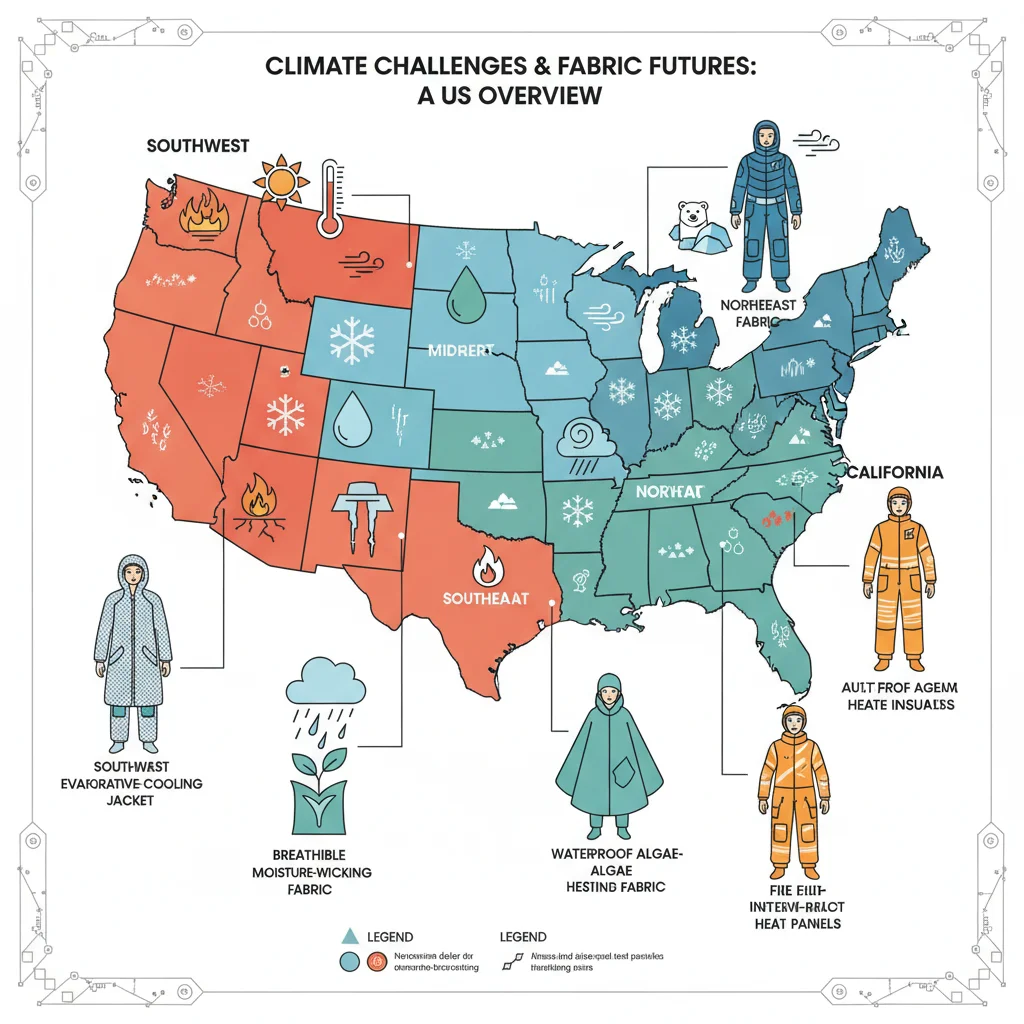
While the US climate is diverse, you can fine-tune your choices based on your specific region. For residents of the humid Southeast, prioritizing linen, Tencel™, and quick-drying fabrics will be key. In the arid Southwest, breathable cottons and linens are essential for daytime, with merino wool or light fleece for cooler desert nights. Those in the Northeast will need robust layering systems with strong insulating and weather-protective outer layers. The Pacific Northwest calls for excellent moisture-wicking and waterproof capabilities.
5. Embrace "Slow Fashion" Principles
Beyond the fabrics themselves, adopt a "slow fashion" mindset. This means buying less, choosing well, and making your clothes last. Repair garments when possible, consider second-hand options, and properly care for your clothes to extend their life. This holistic approach to fashion is intrinsically linked to building a sustainable, climate-adaptive wardrobe.
Care and Maintenance for Longevity
Even the best climate wardrobe fabrics require proper care to maintain their performance and extend their lifespan. Always check garment care labels, but here are some general tips:
- Wash Less: Many performance fabrics, especially merino wool, are naturally odor-resistant and don’t need to be washed after every wear. Airing them out can often suffice.
- Use Cold Water: Washing in cold water saves energy and is gentler on fabrics, preventing shrinking and color fading.
- Gentle Detergents: Avoid harsh chemicals and opt for eco-friendly, mild detergents.
- Air Dry When Possible: Tumble drying consumes a lot of energy and can damage delicate fibers. Air drying is always the best option for longevity and energy efficiency.
- Proper Storage: Store clothes in a way that allows them to breathe and prevents damage from pests or mildew.
The Environmental Imperative: Beyond Just Performance
As we navigate the complexities of climate change, our choices in fashion extend beyond personal comfort and style. The production of textiles has a significant environmental footprint, from water consumption and pesticide use in farming to energy-intensive manufacturing processes and microplastic pollution from synthetic fibers. By consciously choosing sustainable climate wardrobe fabrics, we contribute to a demand for better practices within the industry.
Look for certifications like GOTS (Global Organic Textile Standard) for organic cotton, OEKO-TEX Standard 100 for textiles tested for harmful substances, or bluesign® for responsible and sustainable textile manufacturing. Support brands that are transparent about their supply chains and actively invest in eco-friendly innovations. Every purchase is a vote for the kind of industry we want to support.
Conclusion: Dressing for a Resilient Future with Climate Wardrobe Fabrics
Building a wardrobe for the 2026 US climate is an exercise in foresight, sustainability, and personal comfort. By understanding the properties of various climate wardrobe fabrics – from the natural wonders of merino wool and linen to the innovative performance of Tencel™ and recycled synthetics – you can make informed decisions that will serve you well, regardless of what the weather brings. Embrace layering, prioritize versatility and quality, and always consider the environmental impact of your choices.
The future of fashion is not just about what looks good, but what does good. By thoughtfully selecting your materials, you’re not only dressing yourself for a changing climate but also contributing to a more sustainable and resilient world. Let your wardrobe be a testament to conscious living, where style meets substance, and comfort aligns with environmental responsibility. The journey to a climate-adaptive closet begins with understanding the power of fabric.