Unlock Your Unique Look: The Ultimate 2026 Guide to Finding Your Personal Style Identity

Unlock Your Unique Look: The Ultimate 2026 Guide to Finding Your Personal Style Identity
In a world constantly evolving with new trends and influences, discovering your authentic personal style identity has never been more crucial. As we step into 2026, fashion is less about rigid rules and more about individual expression, sustainability, and comfort. This comprehensive guide will walk you through the essential steps to uncover, cultivate, and confidently showcase your unique style, ensuring your wardrobe truly reflects the amazing person you are.
Why Your Personal Style Identity Matters in 2026
Your clothes are more than just fabric; they are a powerful form of non-verbal communication. They tell a story about who you are, what you value, and how you want to be perceived. In 2026, with the rise of digital self-presentation and a growing emphasis on authenticity, a well-defined personal style identity is a cornerstone of self-confidence and self-expression. It’s about feeling comfortable, capable, and truly yourself in every outfit you wear. It’s about making conscious choices that align with your values, whether that’s sustainability, ethical production, or supporting local artisans. This isn’t just about looking good; it’s about feeling good, inside and out.
The Evolution of Style: Beyond Fast Fashion
The fashion landscape of 2026 is moving beyond the relentless cycle of fast fashion. Consumers are increasingly aware of the environmental and social impact of their clothing choices. This shift means that developing a personal style identity now involves a deeper consideration of quality, longevity, and ethical sourcing. Instead of chasing every fleeting trend, individuals are investing in pieces that resonate with their core aesthetic and can be worn for years to come. This approach fosters a more sustainable and intentional relationship with clothing, moving towards a ‘less is more’ philosophy where each item in your wardrobe serves a purpose and brings joy.
Confidence Through Clothing: The Psychological Impact
The clothes we choose have a profound psychological impact. When you feel good in what you’re wearing, it translates into increased confidence, improved mood, and better performance in various aspects of your life. A strong personal style identity eliminates decision fatigue, allowing you to dress effortlessly and focus your energy on what truly matters. It’s an armor that empowers you to face the day, knowing you are presenting your authentic self to the world. Research consistently shows a link between how we dress and our self-perception, making this journey of style discovery an integral part of personal growth and well-being.
Step 1: Self-Reflection – The Foundation of Your Personal Style Identity
Before you can build a wardrobe that truly represents you, you need to understand you. This initial phase is all about deep self-reflection and honest assessment. It’s the bedrock upon which your entire personal style identity will be built.
A. Who Are You, Really?
- Your Personality: Are you introverted or extroverted? Playful or serious? Creative or analytical? Your personality traits should be reflected in your clothing choices.
- Your Lifestyle: What does a typical week look like for you? Are you working from home, in an office, attending social events, or spending time outdoors? Your wardrobe needs to be practical for your daily activities.
- Your Values: Do you prioritize comfort, sustainability, luxury, uniqueness, or practicality? Your values will guide your choices in fabrics, brands, and overall aesthetic.
- Your Aspirations: How do you want to be perceived? What goals are you working towards? Sometimes, dressing for the person you aspire to be can be a powerful motivator.
B. Uncovering Your Inspirations and Dislikes
Start gathering visual inspiration. This isn’t about copying, but about identifying patterns and preferences that resonate with you.
- Create a Vision Board (Digital or Physical): Use platforms like Pinterest, Instagram, or even magazine tear-outs. Pin everything that catches your eye – not just outfits, but also art, interiors, nature, and colors. Look for textures, silhouettes, and moods.
- Identify Your Style Icons: Who are the people (celebrities, historical figures, fictional characters, or even friends) whose style you admire? What specific elements of their style appeal to you?
- Analyze Your Current Wardrobe: What pieces do you love and wear constantly? What makes them special? What do you dislike and rarely wear? Why do they sit untouched? This honest assessment provides crucial insights into your current personal style identity.
- Color Palette Exploration: What colors make you feel good and look vibrant? Experiment with different hues and tones. Consider your skin undertones, hair color, and eye color when choosing your core palette.
Step 2: Defining Your Aesthetic – The Core of Your Personal Style Identity
Once you have a clearer understanding of yourself and your inspirations, it’s time to distill that information into a cohesive aesthetic. This is where your personal style identity starts to take a tangible form.
A. Keywords and Style Archetypes
Try to describe your ideal style in 3-5 keywords. Examples might include: ‘minimalist, chic, comfortable,’ ‘bohemian, eclectic, artistic,’ ‘classic, sophisticated, polished,’ ‘edgy, modern, bold,’ or ‘cozy, relaxed, natural.’ These keywords will act as your guiding principles when making purchasing decisions.
You can also explore common style archetypes (e.g., classic, bohemian, minimalist, dramatic, romantic, creative, natural, preppy, edgy). While you might not fit perfectly into one box, these can serve as useful starting points to understand different aesthetics and identify elements that appeal to you. Your personal style identity might be a blend of two or three archetypes.
B. Signature Elements and Silhouettes
Every strong personal style identity has signature elements. These are the recurring themes, shapes, or details that make your style uniquely yours.
- Signature Silhouettes: Do you prefer oversized and relaxed, or fitted and structured? A-line, straight, or voluminous? Understanding the silhouettes that flatter your body shape and make you feel confident is key.
- Fabric Preferences: Are you drawn to natural fibers like cotton, linen, silk, and wool? Or do you prefer modern synthetics for their performance and durability? The feel and drape of fabrics significantly contribute to an outfit’s overall aesthetic and comfort.
- Texture Play: Incorporating different textures (e.g., knit, leather, denim, satin, tweed) adds depth and interest to your outfits.
- Detail Obsessions: Do you love intricate embroidery, bold prints, subtle ruching, unique buttons, or statement collars? These small details can elevate an outfit and reflect your personality.
- Accessory Focus: Accessories are powerful tools for expressing your personal style identity. Do you gravitate towards statement jewelry, minimalist pieces, scarves, hats, or particular types of bags and shoes?
Step 3: Curating Your Wardrobe – Building Your Personal Style Identity
Now that you have a clear vision, it’s time to translate it into a functional and inspiring wardrobe. This isn’t about buying a whole new closet, but about strategically building a collection of pieces that work together and align with your defined personal style identity.
A. The Wardrobe Audit and Purge
This is a crucial step. Lay out every single item of clothing, shoes, and accessories you own. Go through each piece and ask yourself:
- Does this align with my defined personal style identity and keywords?
- Does it fit me well and make me feel good?
- Have I worn it in the last year?
- Is it in good condition?
Create three piles: Keep, Donate/Sell, and Mend/Alter. Be ruthless. Getting rid of items that don’t serve your style or make you feel good creates space for clarity and new possibilities. This process can be incredibly liberating and is a vital part of refining your personal style identity.
B. Building a Versatile Core Wardrobe
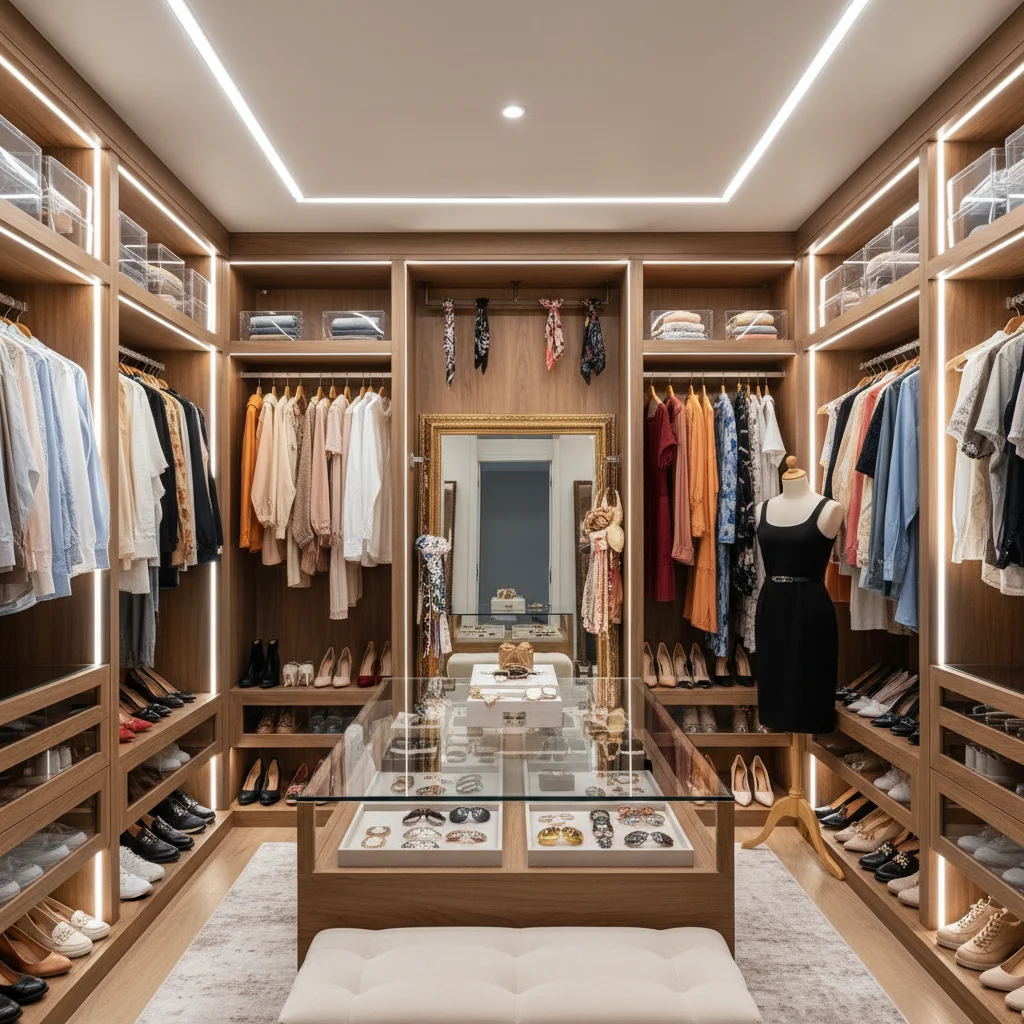
A strong personal style identity is supported by a foundation of versatile core pieces. These are timeless, high-quality items that can be mixed and matched to create numerous outfits. Think of them as the building blocks.
- Neutrals First: Start with a base of neutral colors (black, white, grey, navy, beige, olive) that complement your chosen color palette. These pieces are easily interchangeable and form the backbone of your wardrobe.
- Key Staples: Invest in well-fitting jeans, classic trousers, versatile skirts, quality t-shirts, comfortable sweaters, and a few essential outer layers (e.g., a trench coat, a denim jacket, a blazer).
- Quality Over Quantity: In 2026, the emphasis is on durability and ethical production. Investing in fewer, higher-quality pieces that will last longer and align with your values is a hallmark of a mature personal style identity.
- Capsule Wardrobe Principles: Consider adopting capsule wardrobe principles, where you intentionally limit the number of items you own, focusing on versatility and cohesion. This streamlines your morning routine and encourages creativity.
C. Strategic Shopping for Your Personal Style Identity
With your core wardrobe established and your personal style identity defined, future shopping becomes much more intentional and enjoyable.
- Make a List: Before you shop, identify specific gaps in your wardrobe. What pieces would complete outfits or add versatility?
- Stick to Your Keywords: Before buying anything, ask yourself: ‘Does this item align with my keywords?’ If it doesn’t, put it back.
- Consider the ‘3-Outfit Rule’: Can you style this new item with at least three existing pieces in your wardrobe to create different outfits? If not, it might not be a versatile addition.
- Try Secondhand and Vintage: Thrifting and vintage shopping are excellent ways to find unique pieces, reduce your environmental footprint, and add character to your personal style identity.
- Alterations are Your Friend: Don’t underestimate the power of a good tailor. A well-fitting garment looks far more expensive and polished than one that’s ill-fitting.
Step 4: Experimentation and Evolution – Nurturing Your Personal Style Identity
Your personal style identity isn’t static; it’s a living, breathing entity that evolves as you do. This phase is about playing, learning, and allowing your style to grow with you.
A. Play and Experiment
Don’t be afraid to try new things! The best way to understand what works for you is to experiment.
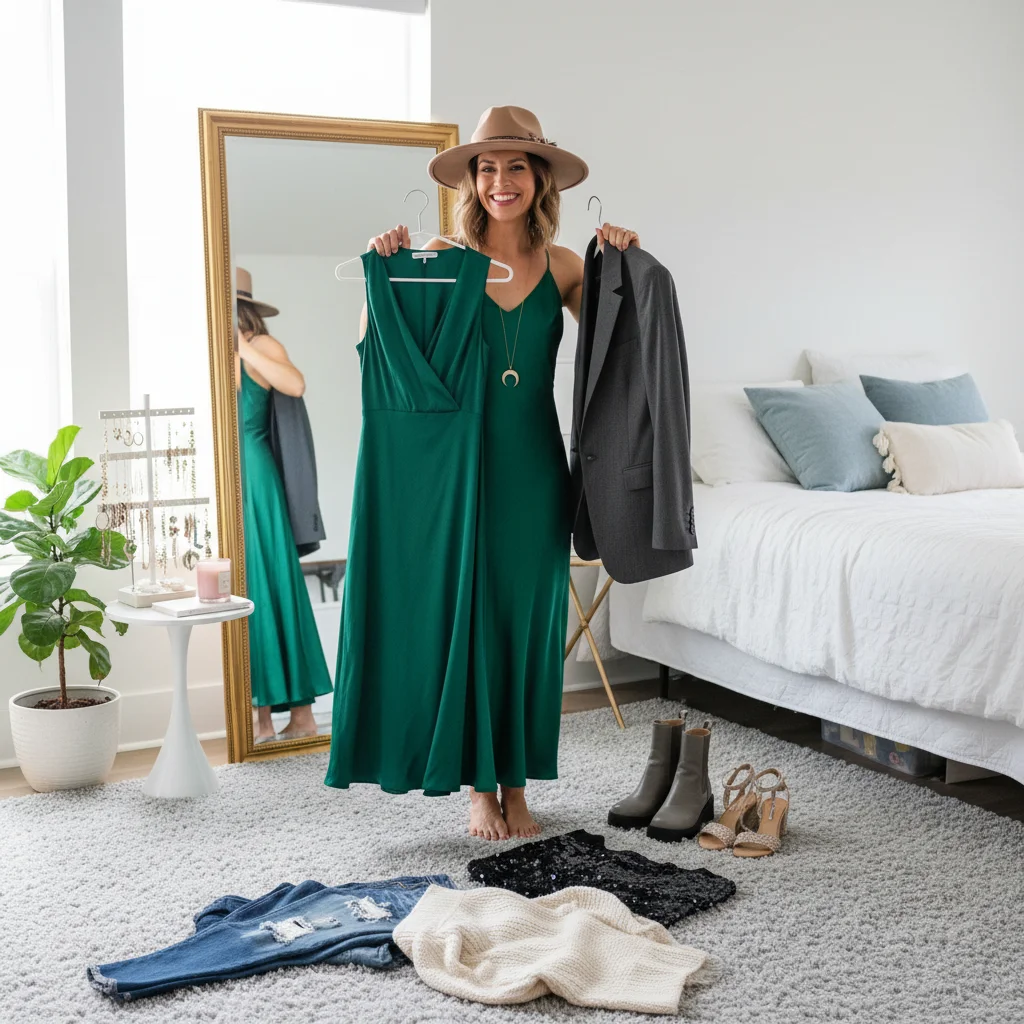
- Mix and Match: Challenge yourself to create new combinations from your existing wardrobe. You might be surprised by the outfits you can put together.
- Step Outside Your Comfort Zone (Gently): If you usually wear neutrals, try adding a pop of color. If you stick to solids, experiment with a subtle print. Small changes can lead to big discoveries in your personal style identity.
- Accessorize Differently: A scarf, a belt, or a different pair of shoes can completely transform an outfit. Play with how accessories can alter the mood or formality of your look.
- Document Your Outfits: Take pictures of outfits you love. This helps you remember what works and builds a visual library of your evolving personal style identity.
B. Embrace Trends (Selectively)
While your personal style identity should be rooted in timelessness, it’s also fun to incorporate current trends. The key is to do so selectively and in a way that aligns with your core aesthetic.
- Trend Filtering: Don’t adopt every trend. Choose only those that genuinely resonate with your style and can be integrated seamlessly into your existing wardrobe.
- Small Doses: Often, incorporating a trend through accessories (a specific bag shape, a type of jewelry, a shoe style) or a single garment (a trendy top or jacket) is enough to feel current without overhauling your entire look.
- Longevity Check: Ask yourself if you’ll still love this trendy item in a year or two. If not, consider it a fun, temporary addition rather than a core investment.
C. Seek Feedback (If You Want To)
Sometimes, an outside perspective can be helpful. Ask a trusted friend whose style you admire for their honest opinion on an outfit or a new piece. Remember, though, that ultimately your personal style identity is about your comfort and confidence, not someone else’s approval.
Step 5: Maintenance and Mindset – Sustaining Your Personal Style Identity
Developing your personal style identity is an ongoing journey. Maintaining it involves a conscious mindset and practical habits.
A. Regular Wardrobe Check-ins
Periodically revisit your wardrobe. As your life changes, so too might your style needs. A seasonal audit can help you keep your wardrobe fresh, functional, and aligned with your evolving personal style identity. This is also a good time to assess items that need repair, cleaning, or donation.
B. Prioritize Comfort and Functionality
No matter how stylish an outfit is, if it’s uncomfortable or impractical for your day, you won’t feel good in it. In 2026, comfort and functionality are paramount. Your personal style identity should enhance your life, not hinder it. Choose fabrics that feel good against your skin, and silhouettes that allow for movement and ease.
C. Embrace Imperfection and Authenticity
Your style doesn’t have to be perfect or Instagram-ready every single day. The beauty of a strong personal style identity lies in its authenticity. It reflects your true self, with all its nuances and quirks. Don’t be afraid to show your personality, even if it means breaking conventional ‘rules.’
D. Sustainable Choices for a Sustainable Style
As mentioned, sustainability is a key pillar of 2026 fashion. Incorporating sustainable practices into your style journey not only benefits the planet but also adds depth and meaning to your personal style identity.
- Repair and Reuse: Learn basic mending skills or support local tailors to extend the life of your garments.
- Conscious Consumption: Before buying, consider if you truly need the item and if it aligns with your values.
- Support Ethical Brands: Research brands that prioritize fair labor practices, sustainable materials, and transparent supply chains.
- Caring for Your Clothes: Proper care (washing according to instructions, storing correctly) significantly prolongs the life of your wardrobe.
Conclusion: Your Personal Style Identity – A Journey of Self-Discovery
Finding your personal style identity is not a destination, but a continuous journey of self-discovery, creativity, and conscious choice. It’s about understanding who you are, what you love, and how you want to present that to the world. In 2026, this journey is enriched by an increased awareness of personal values, sustainability, and the power of authentic self-expression.
By following these steps – self-reflection, defining your aesthetic, curating your wardrobe, experimenting, and maintaining a mindful approach – you will not only build a closet full of clothes you adore but also cultivate a deeper sense of confidence and authenticity. Embrace the process, have fun, and let your unique personal style identity shine brightly in 2026 and beyond.