The 2026 Guide to Sustainable Fashion: Making Eco-Conscious Style Choices Now

The fashion industry, a global powerhouse of creativity and expression, has long grappled with its environmental and social footprint. From fast fashion’s relentless cycle of production and consumption to the alarming waste generated, the impact has been undeniable. However, as we step into 2026, a powerful shift is underway. The concept of sustainable fashion 2026 is no longer a niche conversation but a mainstream movement, driven by conscious consumers, innovative designers, and evolving industry standards. This comprehensive guide aims to illuminate the path forward, offering insights and actionable steps to embrace eco-conscious style choices today and for the future.
Understanding what constitutes sustainable fashion is the first step. It’s a multifaceted approach that considers the entire lifecycle of a garment, from the sourcing of raw materials and manufacturing processes to distribution, use, repair, and eventual disposal or recycling. It encompasses environmental protection, social equity, economic viability, and cultural preservation. In 2026, this holistic view is more critical than ever, as the urgency of climate change and social justice demands a fundamental re-evaluation of how we consume and create.
The past few years have seen a significant acceleration in sustainable practices. Technological advancements, increased consumer awareness, and stricter regulations are all contributing to a landscape where sustainability is no longer an optional extra but a core component of successful fashion businesses. For individuals, navigating this evolving landscape can seem daunting, but armed with the right knowledge, making responsible choices becomes empowering and stylish.
The Core Pillars of Sustainable Fashion in 2026
To truly understand sustainable fashion 2026, it’s essential to break down its core pillars. These principles guide both brands and consumers towards a more responsible and ethical approach to clothing.
Ethical Sourcing and Production
At the heart of sustainable fashion lies ethical sourcing. This means ensuring that raw materials are obtained in a way that minimizes environmental harm and respects human rights. For instance, organic cotton cultivation avoids harmful pesticides and uses less water, while recycled polyester diverts plastic waste from landfills and oceans. The push for transparency in supply chains is stronger than ever, with consumers demanding to know where and how their clothes are made.
Beyond raw materials, ethical production extends to the manufacturing process. This includes fair wages, safe working conditions, and the absence of child labor. Brands committed to sustainability in 2026 are increasingly auditing their factories, partnering with certified suppliers, and investing in local production to reduce carbon footprints and support local economies. The goal is to move away from exploitative practices and towards a system that values every individual involved in the creation of a garment.
Circular Economy Principles
The linear ‘take-make-dispose’ model of fashion is a significant contributor to waste. The circular economy, by contrast, aims to keep resources in use for as long as possible, extract the maximum value from them while in use, then recover and regenerate products and materials at the end of their service life. In 2026, this means designing clothes for longevity, repairability, and recyclability.
Brands are embracing strategies like take-back programs, where consumers can return old garments for recycling or resale. Innovations in textile recycling are also making strides, allowing old clothes to be transformed into new fibers, reducing the reliance on virgin resources. Furthermore, rental and resale platforms are booming, offering consumers alternatives to outright ownership and extending the lifespan of garments. Adopting a circular mindset is crucial for the future of sustainable fashion 2026.
Reduced Environmental Impact
Minimizing environmental harm is a cornerstone of sustainable fashion. This involves reducing water usage, energy consumption, and pollution throughout the entire supply chain. Innovations in dyeing techniques, such as waterless dyeing, are becoming more prevalent. Brands are also investing in renewable energy sources for their factories and optimizing logistics to reduce transportation emissions.
The elimination of hazardous chemicals, particularly in textile processing, is another critical area. Certifications like OEKO-TEX and GOTS ensure that products are free from harmful substances, protecting both workers and consumers. As we move further into 2026, the focus on biodegradable materials and packaging will also intensify, aiming to leave no trace behind.
Social Responsibility and Transparency
True sustainability extends beyond environmental concerns to encompass social responsibility. This means ensuring fair labor practices, safe working conditions, and equitable treatment for all workers in the fashion supply chain. From farmers harvesting cotton to garment factory workers, every individual deserves respect and fair compensation.
Transparency is the key to accountability. Consumers in 2026 are increasingly demanding to know the social impact of their purchases. Brands that openly share information about their supply chains, labor practices, and sustainability initiatives build trust and loyalty. This includes reporting on wages, working hours, and efforts to empower local communities.
Emerging Trends and Innovations in Sustainable Fashion 2026
The landscape of sustainable fashion is constantly evolving, driven by technological advancements and creative solutions. In 2026, several key trends and innovations are shaping the future of eco-conscious style.
Material Innovation: Beyond Organic and Recycled
While organic cotton and recycled polyester remain vital, the industry is exploring a wealth of new, innovative materials. Think mushroom leather (Mylo), made from mycelium, offering a biodegradable and vegan alternative to animal leather. Pineapple leaf fibers (Piñatex) and apple leather are also gaining traction, transforming agricultural waste into luxurious textiles. Algae-based fabrics, which can sequester carbon during their growth, represent another exciting frontier.
Biotechnological advancements are also leading to the creation of lab-grown fibers that mimic the properties of traditional materials without the environmental cost. These materials offer the promise of high performance, durability, and a significantly reduced environmental footprint, pushing the boundaries of what’s possible in sustainable fashion 2026.
Digitalization and Traceability
Blockchain technology is revolutionizing supply chain transparency. By creating an immutable record of every step a garment takes, from fiber to finished product, blockchain allows consumers to verify the authenticity and sustainability claims of their purchases. QR codes on clothing labels, when scanned, can provide a wealth of information about the garment’s origin, materials, and environmental impact.
Digital design and 3D prototyping are also reducing waste in the design phase, minimizing the need for physical samples. This not only saves resources but also accelerates the design process, allowing brands to be more agile and responsive to consumer demand without overproduction.
The Rise of Regenerative Fashion
Beyond simply reducing harm, regenerative fashion aims to actively restore and rejuvenate ecosystems. This involves practices like regenerative agriculture, which focuses on soil health, biodiversity, and carbon sequestration. For instance, wool and cotton grown using regenerative farming methods can actually improve the land they come from, rather than depleting it.
This approach represents a significant leap forward, moving beyond mere sustainability to a model where fashion actively contributes to environmental healing. It’s a holistic vision that sees fashion as a force for good, intertwining ecological restoration with aesthetic creation.
Personalization and On-Demand Production
Overproduction is a major driver of waste in the fashion industry. The shift towards personalization and on-demand production aims to address this by creating garments only when they are ordered. This reduces excess inventory, minimizes waste, and allows for greater customization, giving consumers unique pieces tailored to their preferences.
Technological advancements in manufacturing, such as automated micro-factories and advanced knitting machines, are making on-demand production more feasible and cost-effective. This model not only benefits the environment but also offers a more exclusive and personalized shopping experience for consumers in 2026.
How to Make Eco-Conscious Style Choices in 2026
As a consumer, your choices have immense power. Embracing sustainable fashion 2026 doesn’t mean sacrificing style; it means making informed decisions that align with your values. Here’s how you can cultivate an eco-conscious wardrobe:
1. Educate Yourself and Be Skeptical of Greenwashing
The first step is to understand what true sustainability looks like. Be wary of ‘greenwashing,’ where brands make vague or misleading claims about their environmental efforts without genuine commitment. Look for specific certifications (GOTS, Fair Trade, B Corp), transparent reporting, and clear evidence of sustainable practices. Research brands and their supply chains before you buy.
2. Embrace the ‘Buy Less, Choose Well, Make It Last’ Mantra
This timeless advice is more relevant than ever. Invest in high-quality, durable pieces that you love and that will stand the test of time. Consider the versatility of a garment and how many different ways you can style it. A well-curated wardrobe of versatile, long-lasting items is inherently more sustainable than a closet full of disposable fast fashion.
3. Prioritize Sustainable Materials
When shopping, look for natural, organic, recycled, or innovative materials. Organic cotton, linen, hemp, Tencel (lyocell), modal, and recycled polyester are excellent choices. Explore newer options like Piñatex, Mylo, and other bio-based fabrics as they become more widely available. Understanding material compositions is a key aspect of making informed decisions for sustainable fashion 2026.
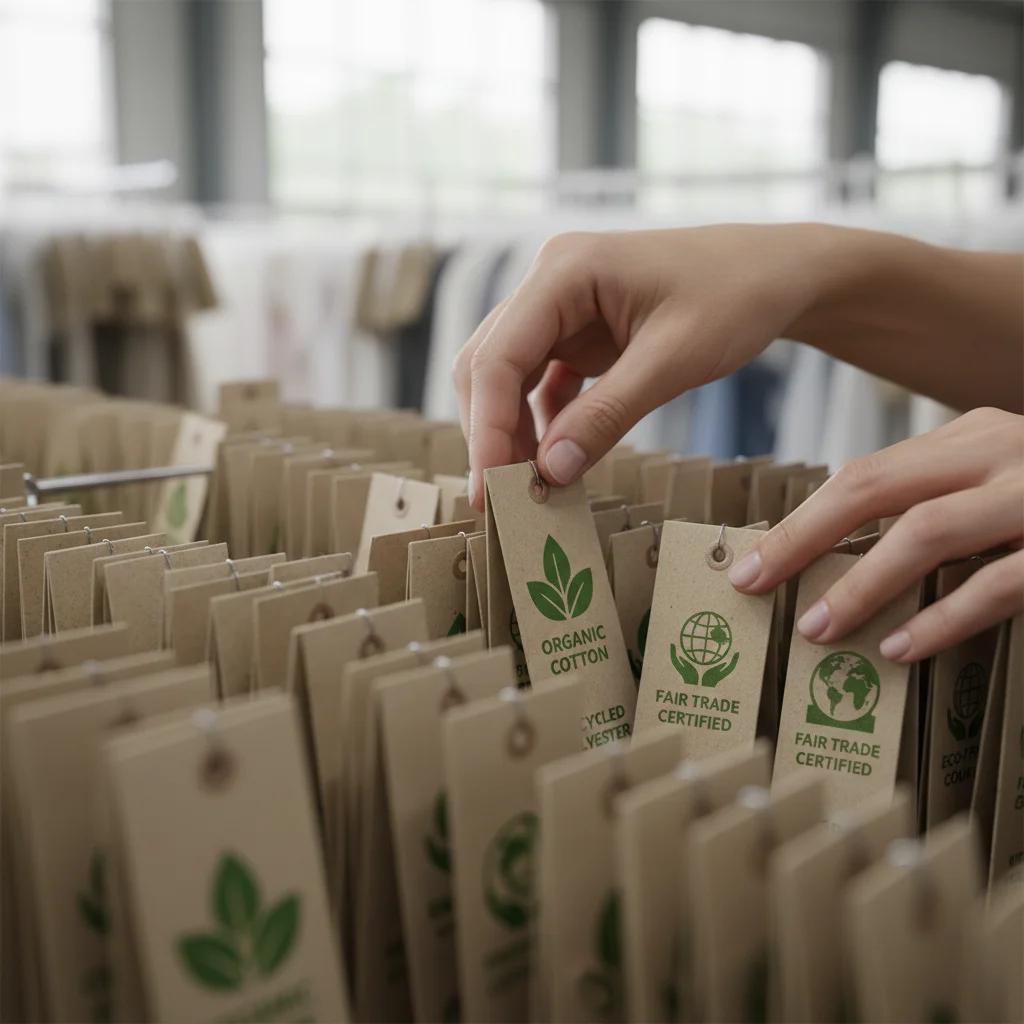
Always check the care labels and consider the environmental impact of textile production. For instance, while some synthetic materials are recycled, their washing can release microplastics. Research and choose wisely.
4. Explore Second-Hand, Vintage, and Rental Options
The most sustainable garment is often one that already exists. Second-hand shopping, whether through thrift stores, consignment shops, or online platforms, is a fantastic way to extend the life of clothing and reduce waste. Vintage pieces offer unique style and a rich history. Clothing rental services are also growing in popularity, especially for special occasions or to experiment with new styles without the commitment of ownership.
5. Support Ethical and Transparent Brands
Seek out brands that are genuinely committed to sustainability and transparency. Look for their sustainability reports, certifications, and information about their supply chain. Many brands are now B Corp certified, indicating high standards of social and environmental performance. Your purchasing power can drive positive change in the industry, encouraging more brands to adopt ethical practices for sustainable fashion 2026.
6. Care for Your Clothes Properly
Extending the life of your clothes is a simple yet powerful act of sustainability. Follow care instructions, wash less frequently, use cold water, and air dry whenever possible. Learn basic mending skills to repair minor damage, or support local tailors and repair shops. Proper care reduces the need for frequent replacements and minimizes the environmental impact of washing.
7. Participate in Circular Fashion Initiatives
Engage in clothing swaps with friends, donate clothes to reputable charities, or utilize take-back programs offered by brands. When a garment truly reaches the end of its life, explore textile recycling options in your community. Every effort to keep clothes out of landfills contributes to a more circular fashion system.
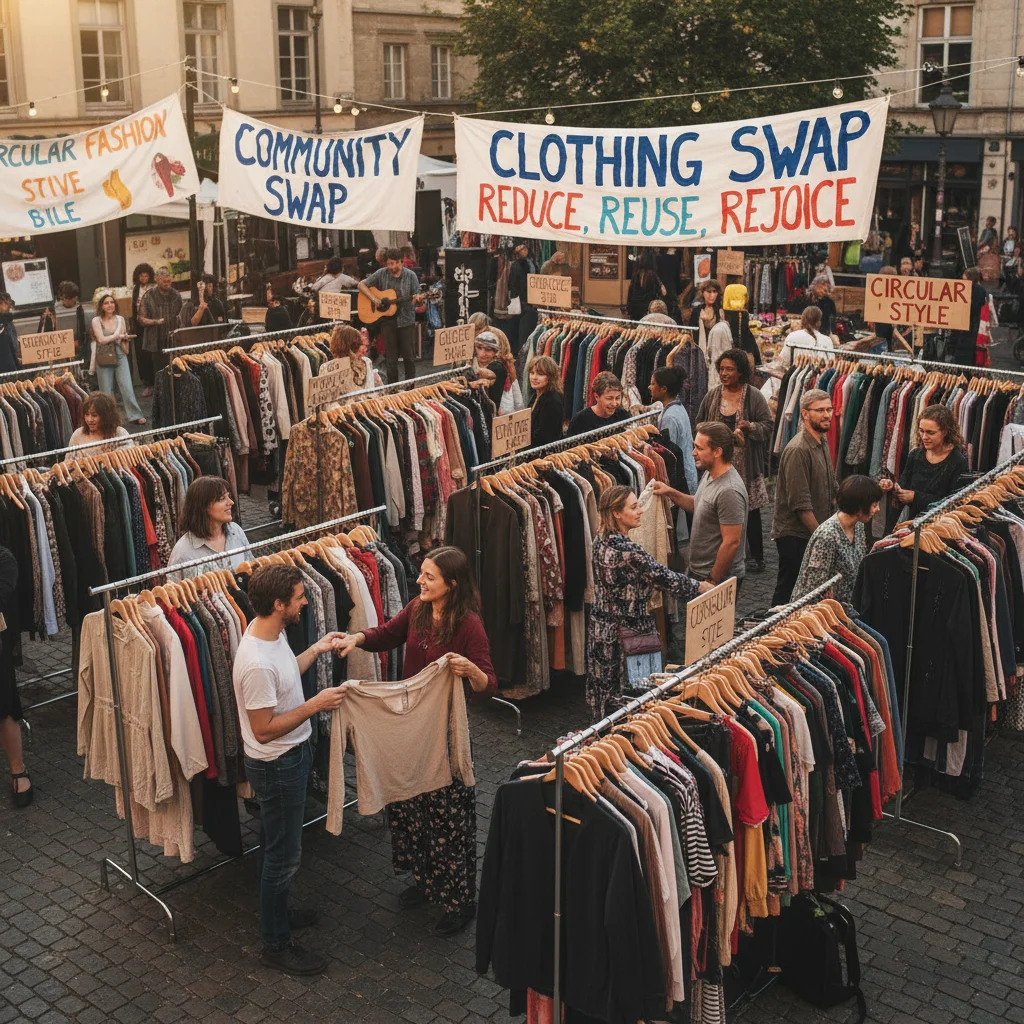
The growth of community-led initiatives, such as clothing repair cafes and local textile recycling points, is making it easier than ever to participate in these circular practices. These initiatives often foster a sense of community and shared responsibility, reinforcing the collective effort required for sustainable fashion 2026.
The Future Outlook: Sustainable Fashion Beyond 2026
The journey towards a fully sustainable fashion industry is ongoing, and 2026 marks a significant point of progress. Looking beyond, we can anticipate further advancements and a deeper integration of sustainability into every facet of fashion.
Policy and Regulation
Governments worldwide are increasingly recognizing the need for stricter regulations on the fashion industry. Expect to see more legislation around waste management, chemical use, labor rights, and extended producer responsibility (EPR), where brands are held accountable for the entire lifecycle of their products. These policies will create a more level playing field and accelerate the adoption of sustainable practices across the board.
Consumer Demand as a Driving Force
The informed consumer of 2026 will continue to be a powerful catalyst for change. As awareness grows, so too will the demand for truly sustainable and ethical products. Brands that fail to adapt and prioritize sustainability risk losing market share and consumer trust. This sustained pressure from consumers will keep the industry moving forward.
Technological Breakthroughs
Innovation in material science, biotechnology, and manufacturing processes will continue to push the boundaries of what’s possible. We can anticipate even more sophisticated textile recycling technologies, advanced biodegradable materials, and AI-driven solutions for optimizing supply chains and reducing waste. The intersection of technology and sustainability will unlock new possibilities for sustainable fashion 2026 and beyond.
Collaboration and Industry-Wide Initiatives
Addressing the systemic challenges of the fashion industry requires collective action. Expect to see more collaborations between brands, NGOs, governments, and innovators. Industry-wide initiatives focused on sharing best practices, developing common standards, and investing in research and development will be crucial for accelerating the transition to a fully sustainable model.
Redefining Value and Aesthetics
The very definition of ‘value’ in fashion is shifting. Beyond fleeting trends, consumers are increasingly valuing durability, craftsmanship, ethical production, and the story behind a garment. This redefinition will influence design aesthetics, favoring timeless pieces, modular designs, and garments that can be easily repaired or adapted. The beauty of sustainable fashion 2026 lies not just in its environmental impact, but in its inherent quality and thoughtfulness.
Conclusion: Your Role in Shaping Sustainable Fashion 2026
The vision for sustainable fashion 2026 is one of innovation, responsibility, and conscious choices. It’s a future where style and ethics are not mutually exclusive but intertwined, creating a more beautiful and equitable world. As a consumer, you are an integral part of this transformation. Every decision you make, from researching a brand to repairing a beloved garment, contributes to a greener, fairer fashion industry.
By embracing the principles outlined in this guide – prioritizing ethical sourcing, supporting circularity, reducing environmental impact, and advocating for social responsibility – you empower yourself to be a force for positive change. The journey towards a truly sustainable wardrobe is an evolving one, but with each thoughtful choice, we move closer to a fashion ecosystem that respects both people and the planet. Let’s make 2026 the year we solidify our commitment to eco-conscious style, setting a vibrant precedent for the decades to come.