Achieve Perfect Fit: Your Ultimate Guide to Tailoring and Alterations in 2026
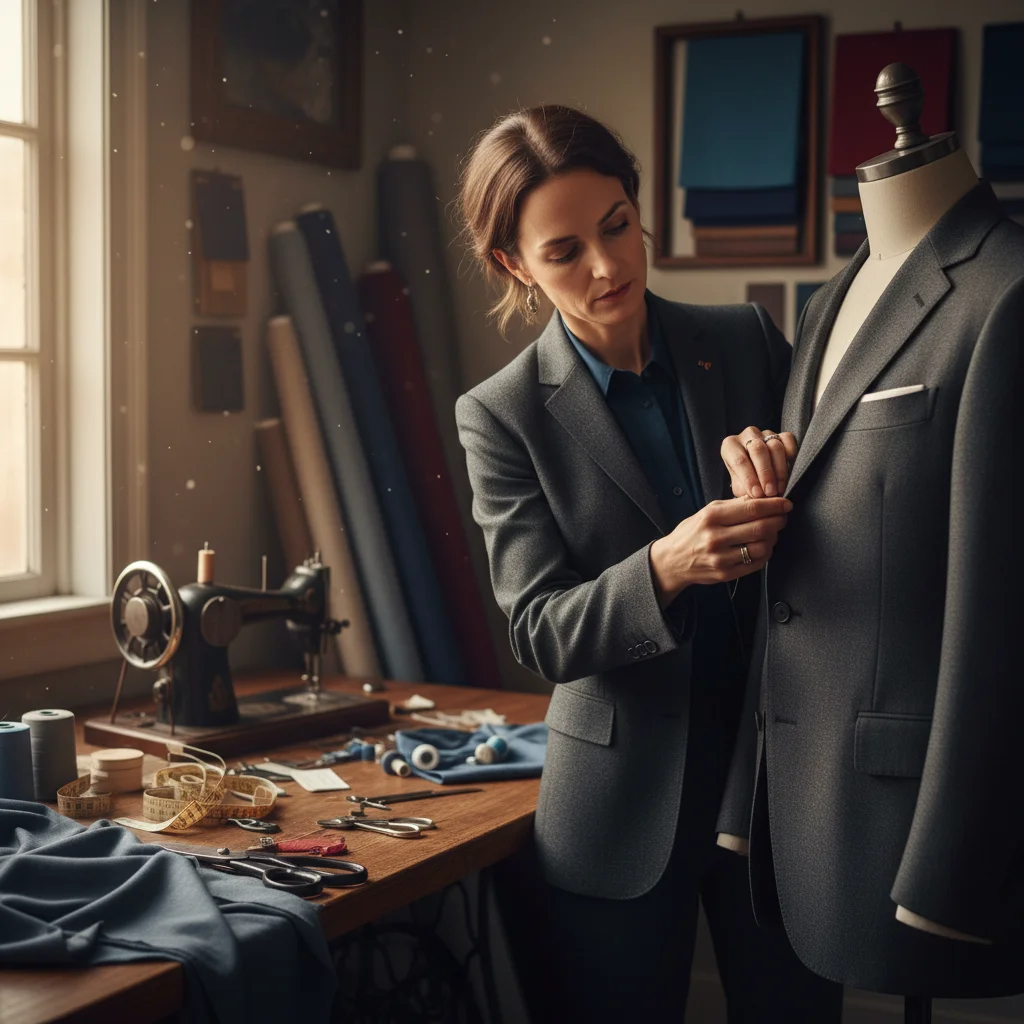
The 2026 Guide to Perfect Fit: Understanding Tailoring and Alterations
In a world increasingly focused on personal expression and sustainable fashion, the art of achieving a perfect fit for your clothing has never been more relevant. Welcome to the definitive 2026 guide to tailoring and alterations, a journey into understanding how custom adjustments can transform your wardrobe, enhance your appearance, and boost your confidence. Gone are the days of settling for ‘good enough’ when it comes to how your clothes fit. With the right knowledge and a trusted professional, every garment can feel as though it was made exclusively for you.
The fashion landscape of 2026 emphasizes individuality and conscious consumption. Instead of constantly buying new, more and more people are discovering the immense value in investing in quality pieces and ensuring they fit impeccably. This not only elevates your style but also extends the lifespan of your clothing, making it a win-win for both your wallet and the environment. This guide will demystify the process of tailoring and alterations, covering everything from the basics to advanced considerations, ensuring you’re well-equipped to make informed decisions.
Whether you’re looking to refine a new purchase, revive an old favorite, or even customize a vintage find, understanding the nuances of how clothes can be adjusted is crucial. We’ll explore the common types of alterations, delve into the intricacies of different fabrics, provide tips on how to effectively communicate with your tailor, and highlight the undeniable benefits of a truly perfect fit. Prepare to unlock a new level of sartorial excellence as we navigate the world of tailoring and alterations together.
Why a Perfect Fit Matters More Than Ever in 2026
The shift towards a more personalized and sustainable approach to fashion means that the concept of a ‘perfect fit’ has evolved beyond mere aesthetics. In 2026, it’s about comfort, confidence, and clever consumption. Ill-fitting clothes can detract from even the most expensive garments, making them look cheap or unkempt. Conversely, a well-tailored piece can elevate an otherwise simple outfit, projecting an image of sophistication and attention to detail.
Confidence and Appearance
When your clothes fit perfectly, you move with greater ease and confidence. A suit that hugs your shoulders just right, trousers that break at the ideal length, or a dress that accentuates your silhouette can dramatically improve your posture and overall demeanor. This isn’t just about looking good; it’s about feeling good in your own skin, which translates into how you interact with the world around you. In a professional setting, a sharp, tailored look can convey competence and seriousness, while in social situations, it can make you feel more poised and attractive.
Longevity and Sustainability
One of the less obvious but equally important benefits of tailoring and alterations is the extension of your clothing’s lifespan. Instead of discarding items that don’t quite fit or are slightly damaged, alterations offer a sustainable solution. A minor repair or adjustment can breathe new life into a garment, preventing it from ending up in a landfill. This aligns perfectly with the growing emphasis on eco-conscious fashion choices in 2026, where quality and durability are prized over fast fashion’s disposability. By making your clothes last longer, you reduce your environmental footprint and get more value out of your purchases.
Personalized Style
Fashion trends come and go, but personal style is enduring. Tailoring and alterations allow you to truly make clothes your own. You can adapt a vintage find to modern sensibilities, adjust a ready-to-wear item to better suit your unique body shape, or even customize a garment to reflect your individual taste. This level of personalization ensures that your wardrobe is a true reflection of who you are, rather than just a collection of off-the-rack items. It’s about curating a wardrobe that works for you, not the other way around.
Common Types of Tailoring and Alterations
The world of tailoring and alterations is vast, but many adjustments are quite common. Understanding these fundamental alterations will empower you to communicate more effectively with your tailor and envision the potential of your garments.
Hems: The Foundation of Fit
Hemming is perhaps the most frequent alteration. Whether it’s trousers, skirts, dresses, or sleeves, the length of a garment dramatically impacts its overall look. A pant hem that’s too long can make you look shorter and sloppier, while one that’s too short can look awkward. Skirts and dresses can be hemmed to various lengths (mini, knee, midi, maxi) to suit your style and occasion. Sleeve hems are crucial for jackets and shirts, ensuring they end at the correct point on your wrist.
- Trousers/Pants: The ideal break (where the fabric creases over the shoe) varies by style and personal preference. A ‘no break’ is modern and sharp, a ‘slight break’ is classic, and a ‘full break’ is more traditional.
- Skirts/Dresses: Can be adjusted for modesty, style, or to accommodate different footwear.
- Sleeves: For jackets, the sleeve should end where your wrist meets your hand, allowing about half an inch of shirt cuff to show. For shirts, it should end at the base of your thumb.
Taking In/Letting Out: Adjusting Garment Width
This alteration involves adjusting the circumference of a garment to make it tighter or looser. It’s common for waistlines, side seams, and even sleeves.
- Waistbands: A common issue with trousers and skirts. Taking in the waist can prevent gapping at the back, while letting it out can provide more comfort.
- Side Seams: For jackets, shirts, dresses, and blouses, taking in the side seams can create a more streamlined silhouette, removing excess fabric that can look baggy. Letting out is less common as it depends on the seam allowance left by the manufacturer.
- Bust/Chest: Dresses and tops often need adjustments in the bust area for a snug yet comfortable fit.
Shoulder Adjustments: The Mark of a Tailored Piece
Shoulder adjustments are often complex but incredibly impactful, especially for jackets and coats. The shoulder fit is paramount; if it’s too wide, the garment looks ill-fitting and sloppy. If it’s too narrow, it can restrict movement and look uncomfortable.
- Taking in Shoulders: A more involved alteration, but crucial for jackets where the shoulder pad extends beyond your natural shoulder line.
- Sleeve Pitch: Adjusting how the sleeve is set into the armhole can improve comfort and movement, especially for formal wear.
Tapering: Modernizing Silhouettes
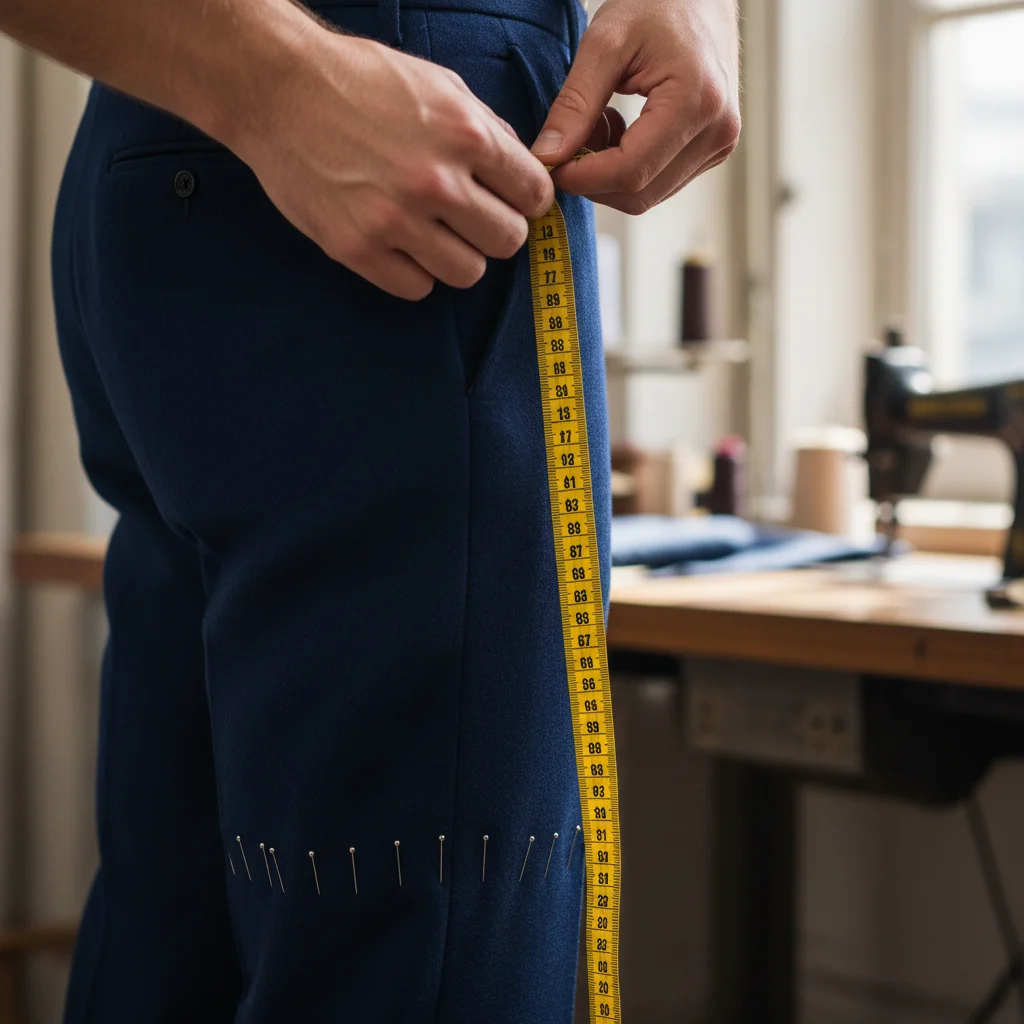
Tapering involves narrowing the width of a garment gradually. It’s most commonly applied to trouser legs and sleeves to create a more contemporary and fitted silhouette.
- Trouser Legs: Tapering from the knee down can transform a baggy or straight-leg pant into a more stylish, slim-fit or skinny-fit look.
- Shirt Sleeves: Tapering shirt sleeves can remove excess fabric, making them look sharper and preventing them from billowing.
Darts and Seams: Shaping Your Garment
Darts are V-shaped folds sewn into fabric to give a garment shape, especially around curves like the bust, waist, and hips. Adjusting or adding darts is a common way to improve fit.
- Adding Darts: Can be added to the back of shirts or dresses to create more waist suppression.
- Adjusting Darts: Existing darts can be deepened or shallow to better contour to your body.
Lining Adjustments: Comfort and Finish
While often overlooked, the lining of a garment plays a crucial role in its comfort and drape. Alterations to the outer fabric often require corresponding adjustments to the lining to maintain a smooth finish and proper movement.
Understanding Fabrics and Their Impact on Alterations
The type of fabric a garment is made from significantly influences the feasibility, cost, and outcome of tailoring and alterations. Some fabrics are more forgiving than others, while some require specialized techniques.
Natural Fibers: Cotton, Wool, Linen, Silk
- Cotton: Generally easy to work with. Holds stitches well. Can shrink, so pre-washing before alterations is often recommended.
- Wool: Excellent for tailoring, especially suiting wools. It has a natural elasticity and can be ‘steamed’ into shape (a process called ‘fulling’). High-quality wool allows for significant alterations.
- Linen: Prone to wrinkling but drapes beautifully. Can be altered relatively easily, but its loose weave means careful handling to prevent fraying.
- Silk: Luxurious but delicate. Requires a skilled hand as it’s slippery and can show needle marks. Alterations can be more expensive due to the difficulty.
Synthetic Fibers: Polyester, Rayon, Nylon
- Polyester: Durable and wrinkle-resistant, but can be less breathable. Generally easy to alter, but can be prone to melting if too much heat is applied during pressing.
- Rayon (Viscose): Drapes well, often mimicking silk. Can be a bit unstable when wet, so pre-testing or careful handling is needed. Generally good for alterations.
- Nylon: Strong and resilient. Can be tricky to press and may require specific needles to prevent damage during stitching.
Blends and Specialty Fabrics
- Stretch Fabrics (e.g., Spandex/Elastane blends): Require specialized techniques and threads (like stretch thread) to maintain elasticity. A regular stitch might pop.
- Leather/Suede: Difficult and expensive to alter. Requires specialized machines and needles, and any needle holes are permanent. Not all tailors work with these materials.
- Denim: Durable, but thick. Requires heavy-duty needles and machines. Maintaining original finishes (like distressed hems) can be complex and costly.
- Lace/Sequins/Beading: Highly intricate and challenging. Each embellishment might need to be removed and reattached individually, significantly increasing the cost and time of alteration.
Always inform your tailor about the fabric composition, especially if it’s unusual or delicate. This allows them to use the correct tools and techniques, ensuring the best possible outcome for your tailoring and alterations.
How to Find and Work with a Skilled Tailor in 2026
The success of your tailoring and alterations largely depends on the skill and experience of your tailor. Finding the right professional is a crucial step in achieving that perfect fit.
Where to Look for a Tailor
- Referrals: Ask friends, family, or colleagues who always look well-dressed for their recommendations. Personal referrals are often the most reliable.
- Online Reviews: Google Maps, Yelp, and local business directories can provide insights into a tailor’s reputation and customer satisfaction.
- Dry Cleaners: Many high-end dry cleaners offer alteration services or can recommend trusted tailors.
- Boutiques/Department Stores: Luxury clothing stores often have in-house tailors or preferred external services they can recommend, especially for formal wear.
What to Look For in a Tailor
- Experience: Look for tailors with years of experience, especially with the type of garment you need altered (e.g., suits, bridal wear, leather).
- Attention to Detail: A good tailor will ask questions, pin meticulously, and make suggestions.
- Communication: They should be able to clearly explain the process, potential challenges, and pricing.
- Specialization: Some tailors specialize in certain garments (e.g., bridal, menswear, leather). If you have a specific need, seek out a specialist.
- Portfolio/Samples: For complex jobs, don’t hesitate to ask to see examples of their work.
Preparing for Your Tailor’s Appointment
- Wear the Right Undergarments: For dresses or formal wear, wear the bra and shapewear you intend to wear with the garment.
- Bring the Right Shoes: Especially for trouser or dress hems, wear the shoes you’ll most likely pair with the garment to get the correct length.
- Be Specific: Clearly articulate what you want. Use descriptive terms like ‘snug,’ ‘relaxed,’ ‘just above the ankle.’
- Trust Your Tailor, But Speak Up: A good tailor will offer expert advice, but ultimately, it’s your garment. Don’t be afraid to voice concerns or ask for adjustments if something doesn’t feel right during a fitting.
- Arrive on Time: Respect your tailor’s schedule.
The Process of Tailoring and Alterations: What to Expect
Understanding the typical alteration process can help manage expectations and ensure a smooth experience for your tailoring and alterations.
The Initial Consultation and Fitting
This is where you discuss your needs with the tailor. You’ll try on the garment, and the tailor will pin the areas that need adjustment. They’ll assess the fabric, construction, and scope of work, then provide an estimate for cost and completion time. This is your opportunity to ask questions and clarify any uncertainties.
The Work Period
Once you approve the estimate, the tailor will perform the necessary adjustments. This can range from a quick hem to several hours of intricate work, depending on the complexity of the alteration. During this time, they might unpick seams, cut fabric, re-sew, and press the garment.
The Second Fitting (Optional, but Recommended for Complex Jobs)
For more involved alterations, a second fitting is crucial. This allows you to try on the garment after the initial adjustments have been made, ensuring everything is on track and making any final minor tweaks before the garment is finished. Don’t skip this if your tailor recommends it.
Final Pickup and Inspection
When you pick up your garment, try it on one last time to ensure you are completely satisfied with the work. Check the stitching, the drape, and the overall fit. If anything isn’t quite right, politely point it out so the tailor can address it.
Advanced Tailoring Techniques and When to Consider Them
While basic alterations are common, some situations call for more advanced tailoring and alterations techniques. These often involve significant reconstruction of a garment.
Re-cutting and Re-sizing
Sometimes, a garment is several sizes too large, or you want to completely change its silhouette. Re-cutting involves deconstructing a significant portion of the garment and rebuilding it to a new size or style. This is a complex and expensive process, usually reserved for very high-value items, vintage pieces, or sentimental garments.
Restyling and Customization
Beyond just fitting, a tailor can also restyle a garment. This might include:
- Changing Lapels: On a suit jacket, for instance, from notch to peak lapels.
- Adding or Removing Details: Pockets, cuffs, or embellishments.
- Converting Garments: Turning a dress into a skirt and top, or a long coat into a shorter jacket.
These are creative projects that require a highly skilled and imaginative tailor, often referred to as a ‘couturier’ or ‘bespoke tailor.’
The Cost of Tailoring and Alterations in 2026
The cost of tailoring and alterations varies widely based on several factors:
- Type of Alteration: A simple hem is far less expensive than taking in the shoulders of a fully lined suit jacket.
- Fabric: Delicate fabrics like silk, lace, or heavily embellished materials will cost more due to the extra care and time required.
- Garment Construction: A lined garment is more complex to alter than an unlined one. Structured items like suits and coats are more expensive than simple T-shirts.
- Tailor’s Experience and Location: Highly experienced tailors or those in prime urban locations will typically charge more.
- Urgency: Rush jobs almost always incur an extra fee.
While it might seem like an added expense, consider it an investment. The cost of altering a garment is often a fraction of buying a new, perfectly fitting equivalent, and it extends the life and wearability of your existing pieces. Always ask for a clear quote before any work begins.
Maintaining Your Tailored Garments
Once you’ve invested in professional tailoring and alterations, it’s essential to care for your garments properly to preserve their fit and quality.
- Follow Care Labels: Always adhere to the washing, drying, and ironing instructions on the garment’s care label.
- Professional Cleaning: For suits, coats, and delicate items, professional dry cleaning is often the best option to maintain their shape and fabric integrity.
- Proper Storage: Use good quality hangers (especially for suits and jackets) to prevent stretching or creasing. Store clothes in a cool, dry place.
- Avoid Over-Washing: Frequent washing can degrade fabrics and stitching. Only wash garments when necessary.
- Address Issues Promptly: If a seam starts to unravel or a button comes loose, address it quickly to prevent further damage.
The Future of Tailoring and Alterations in 2026 and Beyond
The world of tailoring and alterations is not static. In 2026, we’re seeing continued innovation:
- 3D Body Scanning: Increasingly, tailors are using 3D body scanners to get incredibly precise measurements, leading to even better fits and reducing the need for multiple fittings.
- AI-Powered Recommendations: Some platforms are emerging that use AI to suggest common alterations based on body type and garment style, streamlining the initial consultation.
- Sustainable Practices: More tailors are focusing on sustainable materials for repairs and offering upcycling services, aligning with broader eco-conscious fashion trends.
- Mobile Tailoring Services: The convenience of tailors who come to you, either for fittings or pickups, is growing in popularity, catering to busy lifestyles.
These advancements promise to make the process of achieving a perfect fit even more accessible, efficient, and personalized in the years to come.
Conclusion: Embrace the Power of a Perfect Fit with Tailoring and Alterations
In conclusion, the art and science of tailoring and alterations are indispensable tools for anyone looking to elevate their style, maximize their wardrobe, and embrace a more sustainable approach to fashion in 2026. From simple hems to complex re-cuts, the ability to customize your clothing to your unique body and preferences offers a myriad of benefits – increased confidence, enhanced appearance, and extended garment life.
Don’t underestimate the transformative power of a perfectly fitting garment. It’s not just about looking good; it’s about feeling comfortable, confident, and authentically you. By understanding the types of alterations available, being mindful of fabric considerations, and knowing how to find and communicate with a skilled tailor, you are well on your way to a wardrobe that truly works for you.
Invest in your clothes, invest in yourself. Let the skilled hands of a tailor unlock the full potential of your garments, turning ‘off-the-rack’ into ‘made-for-you.’ The perfect fit isn’t a luxury; it’s a fundamental element of great style, and with this guide, you now have the knowledge to achieve it through the timeless craft of tailoring and alterations.