Mastering the Art of Clothing Swaps: Refresh Your Wardrobe for $0 in 2026
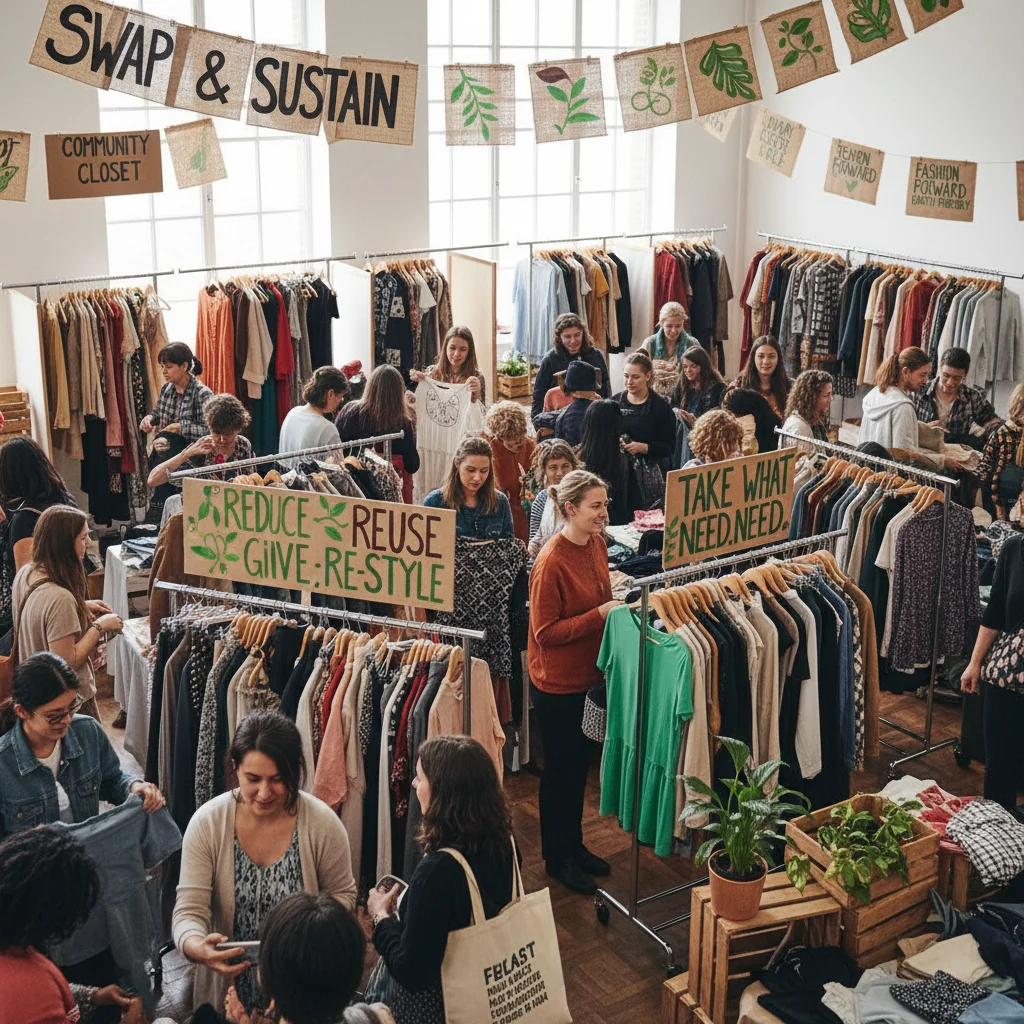
Are you tired of staring at a wardrobe full of clothes yet feeling like you have nothing to wear? Do you dream of a fresh, new look without breaking the bank? In an era where conscious consumption and sustainable living are more important than ever, there’s a revolutionary way to revitalize your style: the clothing swap. This comprehensive clothing swap guide will equip you with everything you need to know to refresh your wardrobe for absolutely $0 in 2026, all while contributing to a more sustainable fashion future.
The concept is brilliantly simple: gather your gently used garments, accessories, and shoes, and exchange them with others who are also looking to declutter and update their style. It’s a win-win situation – you get rid of items you no longer wear, and in return, you discover ‘new-to-you’ treasures that perfectly fit your evolving aesthetic. Beyond the financial savings, clothing swaps foster community, reduce textile waste, and challenge the fast fashion cycle. This isn’t just about finding free clothes; it’s about embracing a lifestyle that values resourcefulness, creativity, and environmental responsibility.
The Rise of Sustainable Fashion: Why Clothing Swaps are More Relevant Than Ever
The fashion industry is notorious for its environmental impact, from excessive water consumption and chemical pollution to massive textile waste. Fast fashion, with its rapid production cycles and emphasis on disposability, contributes significantly to these problems. Consumers are increasingly aware of these issues, leading to a growing demand for sustainable alternatives. This is where the clothing swap guide truly shines as a practical and enjoyable solution.
By participating in clothing swaps, you actively divert garments from landfills. Each item swapped is an item not purchased new, reducing demand for virgin resources and lessening the carbon footprint associated with manufacturing and transportation. It’s a tangible way to practice circular fashion, keeping clothes in circulation for longer and maximizing their lifespan. Moreover, clothing swaps encourage a shift in mindset, moving away from impulsive buying towards a more thoughtful and intentional approach to personal style. This movement isn’t just a trend; it’s a vital component of a resilient and eco-conscious future, making your involvement in a clothing swap guide not just fashionable but also impactful.
Preparing for Your First Clothing Swap: Decluttering with Purpose
The success of any clothing swap begins with preparation. Before you can find new treasures, you need to decide which items from your current wardrobe are ready for a new home. This process is more than just decluttering; it’s an opportunity to thoughtfully curate your existing collection and identify what truly serves your style. Our clothing swap guide emphasizes a strategic approach to this initial step.
The "KonMari" Method Applied to Your Closet
While you don’t have to go full Marie Kondo, her principles of keeping only what "sparks joy" can be incredibly helpful. Go through every item in your closet, drawer by drawer, and ask yourself:
- Does it fit me well? Be honest about items that are too tight, too loose, or simply ill-fitting.
- Have I worn it in the last year? If not, there’s a good chance you won’t wear it again. (Exceptions for sentimental items or formal wear).
- Is it in good condition? Items with stains, rips, significant pilling, or broken zippers are generally not suitable for swapping unless explicitly stated by the event organizers (e.g., a "repair and swap" event).
- Does it align with my current style? Our tastes evolve. What you loved five years ago might not reflect who you are today.
- Do I feel good when I wear it? Comfort and confidence are key.
What to Bring to a Clothing Swap (And What Not To)
To ensure a successful and enjoyable experience for everyone, it’s crucial to bring items that others would genuinely want. Think quality over quantity. A general rule of thumb for any clothing swap guide is to bring items you would be happy to receive yourself.
Ideal Swap Items:
- Gently Used Clothing: Dresses, skirts, trousers, jeans, tops, sweaters, jackets, coats.
- Accessories: Scarves, belts, handbags, hats, jewelry.
- Shoes: In good condition, cleaned, with minimal wear.
- Outerwear: Light jackets, blazers, cardigans.
- Seasonal Items: Don’t forget seasonal items like swimwear (new with tags or meticulously clean), light summer dresses, or winter coats.
Items to Avoid:
- Damaged Goods: Stained, ripped, faded, or broken items.
- Undergarments/Socks: Unless brand new with tags.
- Swimwear: Generally discouraged unless new with tags due to hygiene.
- Very Worn-Out Items: If it’s at the end of its life, it belongs in textile recycling, not a swap.
- Anything You Wouldn’t Gift to a Friend: This is a good litmus test.
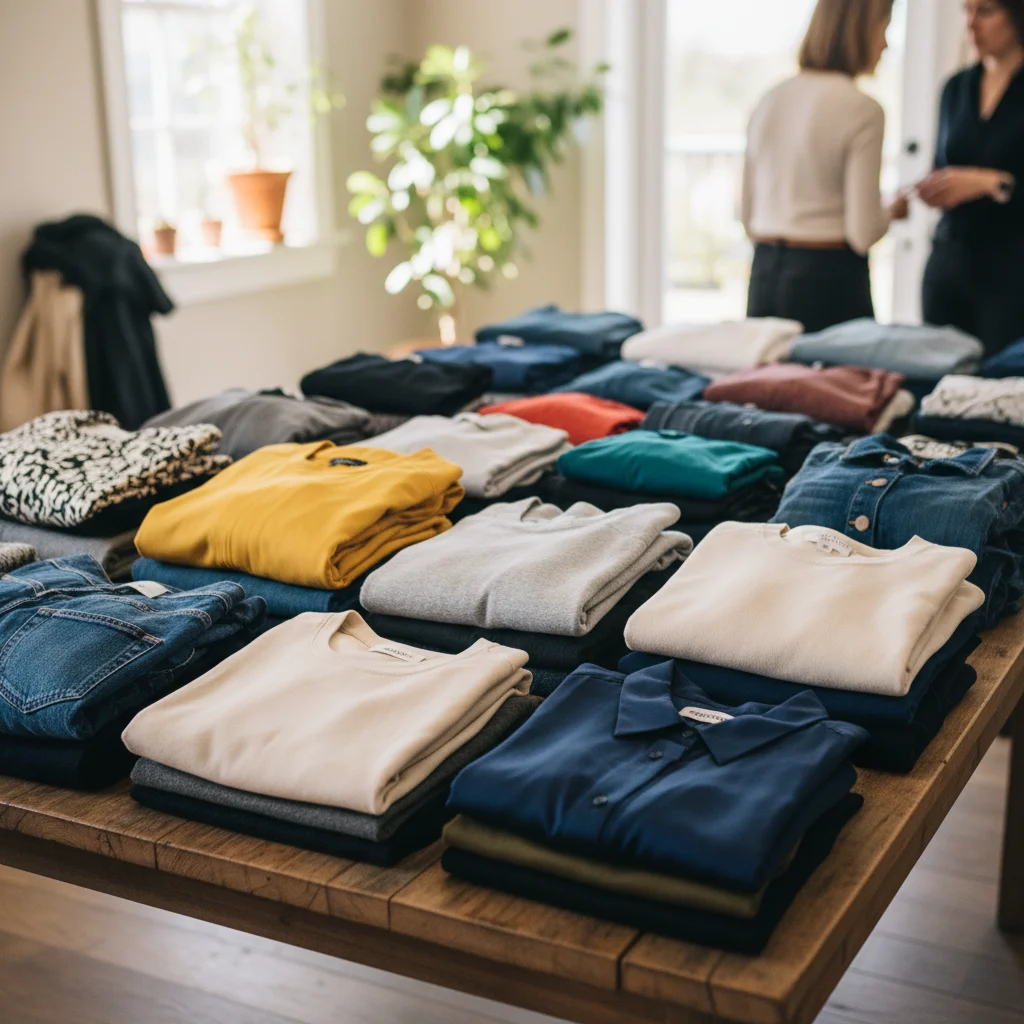
Once you’ve selected your items, ensure they are clean, folded neatly, and ready to be presented. A little effort in presentation goes a long way in making your items appealing to other swappers.
Finding and Organizing Your Own Clothing Swap Event
Whether you’re looking to join an existing event or host your own, this section of our clothing swap guide covers all the bases. The beauty of clothing swaps is their versatility – they can be intimate gatherings or large community events.
How to Find Local Clothing Swaps
The easiest way to participate is to find an organized event near you. Here’s where to look:
- Social Media Groups: Search Facebook groups for "clothing swap [your city/region]" or "sustainable fashion [your city/region]."
- Community Centers & Libraries: Often host or advertise local events.
- University/College Campuses: Student organizations frequently host swaps.
- Eco-Friendly Boutiques & Cafes: Many sustainable businesses support or host such events.
- Online Platforms: Websites dedicated to sustainable living or local event listings might feature swaps.
- Word of Mouth: Ask friends, family, and colleagues interested in sustainable fashion.
Hosting Your Own Clothing Swap: A Step-by-Step Guide
If you can’t find an event, why not create one? Hosting your own swap can be incredibly rewarding. Here’s a mini clothing swap guide for organizers:
1. Set the Date, Time, and Location:
- Guest List: Start with a manageable number, perhaps 5-10 friends for a first-time swap. You can always scale up.
- Location: Your home, a community room, or a rented space. Ensure there’s enough room for clothes display and trying on.
- Date/Time: A weekend afternoon works best for most people.
2. Establish the Rules:
Clear rules are essential for a smooth swap. Communicate these clearly to all attendees beforehand. Key rules include:
- Item Quality: Emphasize "gently used, clean, and in good condition."
- Item Quantity: Decide on a limit (e.g., bring 5-10 items, take 5-10 items). Or, a token system (e.g., one token per item brought, exchange tokens for new items).
- Item Types: Specify if it’s clothing only, or if accessories and shoes are welcome.
- Try-On Policy: Where can people try things on? Do you have a private space?
- Leftover Policy: What happens to unswapped items? Donate to charity, textile recycling, or return to owners?
3. Promote Your Event:
- Personal Invitations: Email, text, or social media event invites.
- Local Flyers: If it’s a community event, post flyers at local cafes or community boards.
4. Setup for Success:
- Display Areas: Provide tables for folded items and hanging racks for dresses, shirts, and jackets. Sort by type (tops, bottoms, dresses) or size for easier browsing.
- Mirrors: Crucial for trying on clothes.
- Changing Area: A designated spot for privacy.
- Refreshments: Make it a social event! Snacks and drinks are always a good idea.
- Music: Create a relaxed and fun atmosphere.
Maximizing Your Clothing Swap Experience: Tips for Finding Your Next Favorite Outfit
Stepping into a clothing swap can feel a bit like a treasure hunt. To ensure you walk away with items you genuinely love and will wear, approach the event with a strategic and open mind. This section of our clothing swap guide focuses on practical advice for swappers.
Arrive Early (But Not Too Early)
If there’s an option to drop off items beforehand, take it. This allows organizers to set up. For browsing, arriving shortly after the event begins often gives you the best selection without the initial rush. However, don’t be discouraged if you arrive later; sometimes new items are brought in, or people put items back, leading to new discoveries.
Have a "Wish List" (But Be Flexible)
Before you go, take a quick inventory of your existing wardrobe. Are you missing a good pair of black trousers? Do you need more work-appropriate tops? Having a mental (or written) "wish list" can help guide your search. However, remember that a swap is about discovery. Be open to finding unexpected gems that you hadn’t considered but that perfectly complement your style. This flexibility is a key aspect of a successful clothing swap guide experience.
Inspect Items Carefully
Just because an item looks good on the hanger doesn’t mean it’s flawless. Take a moment to inspect potential finds for:
- Stains: Check underarms, collars, and hems.
- Rips/Tears: Look at seams, pockets, and any areas under stress.
- Functionality: Test zippers, buttons, and drawstrings.
- Smell: Ensure the item smells clean and fresh.
A small fixable flaw (like a loose button) might be worth it, but be realistic about your capacity and willingness to mend.
Try Everything On
Sizes vary wildly between brands and even within the same brand. Don’t rely solely on the label. If changing rooms are available, use them. If not, wear a form-fitting top and leggings so you can quickly try things on over your clothes. This is perhaps the most crucial tip in any clothing swap guide to avoid post-swap regret.
Bring a Bag (or Two)
Be prepared to carry your new finds home. A reusable tote bag is ideal and environmentally friendly.
Engage and Network
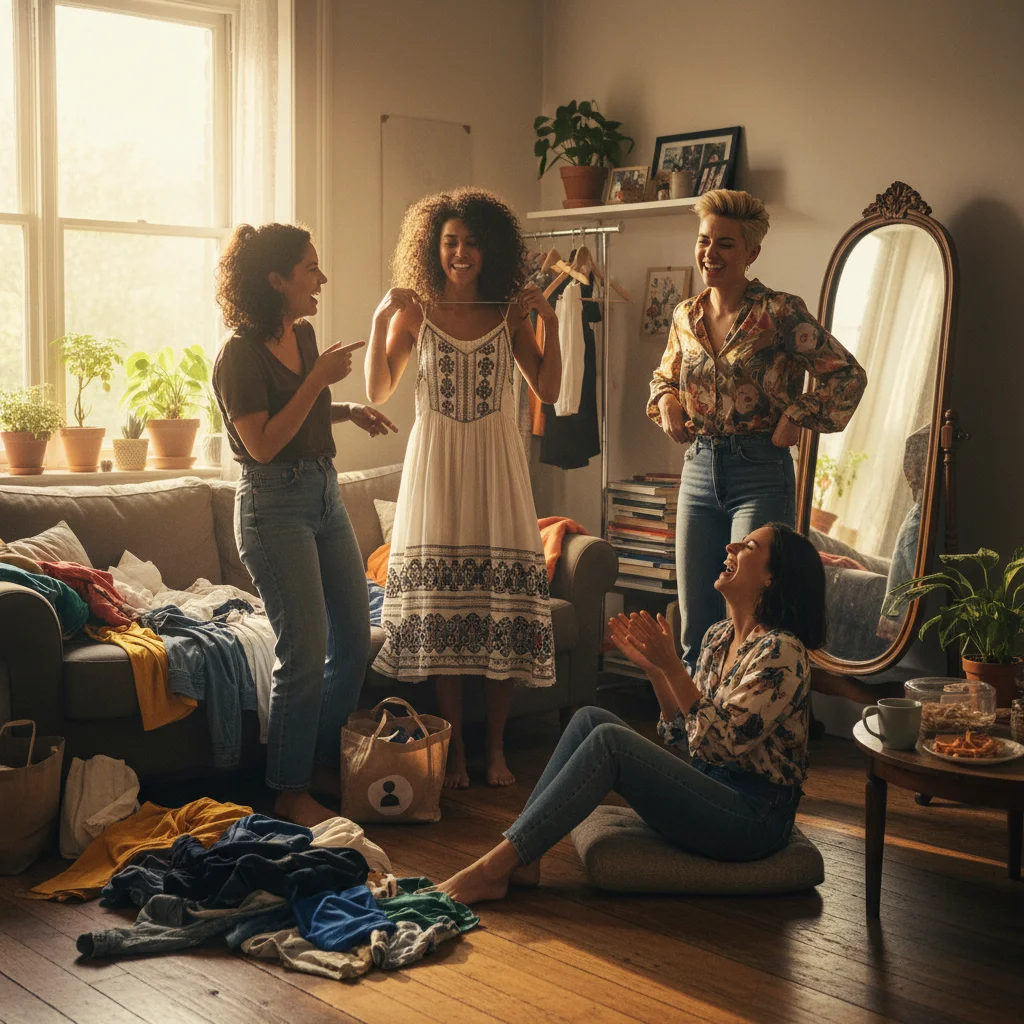
Clothing swaps are social events! Chat with other swappers, ask for opinions, and share styling tips. You might discover a new friend or learn about other sustainable fashion initiatives in your area. The community aspect is a huge part of the appeal of these events.
Beyond the Swap: Integrating New Finds into Your Wardrobe and Mindset
Congratulations! You’ve successfully navigated a clothing swap and returned with a refreshed collection. But the journey doesn’t end there. The final step in this clothing swap guide is about integrating your new items thoughtfully and maintaining a sustainable fashion mindset.
Styling Your "New-to-You" Pieces
Once home, try on your new items with pieces you already own. Experiment with different combinations. Can that swapped skirt be dressed up for work and down for a casual weekend? Does that unique scarf add a pop of color to multiple outfits? The goal is to maximize the versatility of each new addition, ensuring it earns its place in your closet.
The "One In, One Out" Rule
To prevent your wardrobe from becoming overstuffed again, consider adopting the "one in, one out" rule. For every new item you bring home from a swap (or purchase), one item from your existing wardrobe must go. This encourages ongoing curation and prevents accumulation. This rule is a cornerstone for any effective clothing swap guide aiming for long-term wardrobe management.
Embrace the "Story" of Your Clothes
One of the beautiful aspects of pre-loved clothing is its history. Each item has a past life, and now it has a new chapter with you. This adds a unique character and narrative to your style, a stark contrast to mass-produced, brand-new garments. Celebrate the circularity and the reduced environmental impact that comes with your swapped items.
Become an Advocate for Sustainable Fashion
Your participation in a clothing swap makes you part of a larger movement. Share your positive experiences with friends, family, and on social media. Encourage others to try swaps, donate responsibly, and think critically about their fashion consumption. The more people who embrace these practices, the greater the collective impact on reducing textile waste and promoting ethical fashion.
The Environmental and Economic Impact of Clothing Swaps
While the immediate gratification of a refreshed wardrobe for free is undeniable, the broader implications of participating in clothing swaps are profound. This clothing swap guide wouldn’t be complete without highlighting the significant environmental and economic benefits.
Reducing Textile Waste
Globally, an estimated 92 million tons of textile waste are produced each year, a figure projected to rise to 134 million tons by 2030. Much of this ends up in landfills, where synthetic fibers can take hundreds of years to decompose, releasing harmful greenhouse gases and microplastics into the environment. Natural fibers also contribute to landfill burden and release methane as they decompose anaerobically. Clothing swaps directly combat this by extending the lifespan of garments, keeping them out of landfills and in active use.
Conserving Resources
The production of new clothing is resource-intensive. For example, it takes about 2,700 liters of water to produce one cotton t-shirt – enough drinking water for one person for 2.5 years. Denim jeans can require even more. Swapping clothes means fewer new items need to be manufactured, leading to significant savings in water, energy, and raw materials. It also reduces the need for harmful pesticides in cotton farming and toxic dyes, contributing to cleaner water systems.
Lowering Carbon Footprint
From growing raw materials to manufacturing, dyeing, transporting, and eventually disposing of garments, the fashion supply chain is a major contributor to greenhouse gas emissions. By choosing to swap, you are effectively reducing the demand for new production and minimizing the carbon footprint associated with your wardrobe. This makes a typical clothing swap guide a powerful tool for environmental stewardship.
Economic Benefits
For individuals, the economic benefit is clear: a refreshed wardrobe at zero cost. This frees up disposable income for other necessities or savings. On a broader scale, the movement towards circular fashion, of which swaps are a part, can stimulate local economies through repair services, consignment shops, and community events, fostering a more resilient and less consumption-dependent economic model.
Promoting Ethical Consumption
Fast fashion often relies on exploitative labor practices, paying garment workers unfairly low wages and subjecting them to poor working conditions. By opting for swapped clothes, you are detaching yourself from this unethical supply chain. Clothing swaps encourage a more mindful approach to fashion, prompting consumers to consider the origins and impact of their garments, a crucial element for anyone following a comprehensive clothing swap guide.
Common Misconceptions About Clothing Swaps Addressed
Despite their growing popularity, some people still hold reservations about clothing swaps. Let’s address some common myths and concerns to fully round out this clothing swap guide.
"Clothing swaps are only for people who can’t afford new clothes."
This is a significant misconception. While swaps certainly offer an accessible way to update a wardrobe, they are embraced by people from all income levels. Many participants are driven by environmental concerns, a desire for unique style, or simply the joy of community and discovery, not financial necessity alone. It’s a conscious choice for sustainable living.
"I won’t find anything good; it’s all just old, worn-out stuff."
This depends heavily on the quality guidelines set by the swap organizers and the participants themselves. Reputable swaps emphasize "gently used" and "good condition." You’d be surprised by the high-quality, sometimes even designer, items that people bring. Often, clothes are only swapped because they no longer fit, don’t suit the owner’s style, or were impulse buys, not because they are threadbare. Adhering to the advice in this clothing swap guide about bringing quality items yourself also encourages others to do the same.
"It’s unhygienic to wear someone else’s clothes."
The standard expectation for clothing swaps is that all items should be clean and laundered before being brought to the event. Just as you would wash new clothes before wearing them, you should wash swapped items. This is a basic hygiene practice for any clothing, new or pre-loved.
"It’s too much effort to organize/attend a swap."
Organizing a large swap can indeed take effort, but a small swap among friends is quite manageable. As for attending, it’s often less time-consuming and certainly more rewarding than endlessly browsing online or slogging through crowded malls. The unique finds and social interaction make it a worthwhile investment of time, aligning perfectly with the spirit of a practical clothing swap guide.
"I have nothing to swap."
Everyone has something! Go through your closet with a critical eye. That dress you wore once to a wedding, the jeans that are now too big, the sweater that was a gift but isn’t your style – these are all perfect swap candidates. Even if you only have a few items, they could be exactly what someone else is looking for.
Conclusion: Your Path to a Sustainable and Stylish Wardrobe in 2026
The journey to a sustainable and stylish wardrobe in 2026 doesn’t have to involve endless shopping or spending a fortune. As this comprehensive clothing swap guide has shown, it can be an exciting, community-driven, and environmentally responsible adventure. By embracing clothing swaps, you’re not just refreshing your personal style; you’re becoming an active participant in the circular economy, reducing your ecological footprint, and fostering a more conscious approach to fashion.
From carefully curating your outgoing items to strategically hunting for new treasures and integrating them thoughtfully into your life, every step of the clothing swap process is an opportunity for growth and discovery. So, gather your friends, connect with your community, and get ready to transform your wardrobe for $0. The future of fashion is collaborative, sustainable, and incredibly stylish. Your next favorite outfit is waiting to be swapped!