AI in Fashion: Shaping 2026 US Style Forecasts
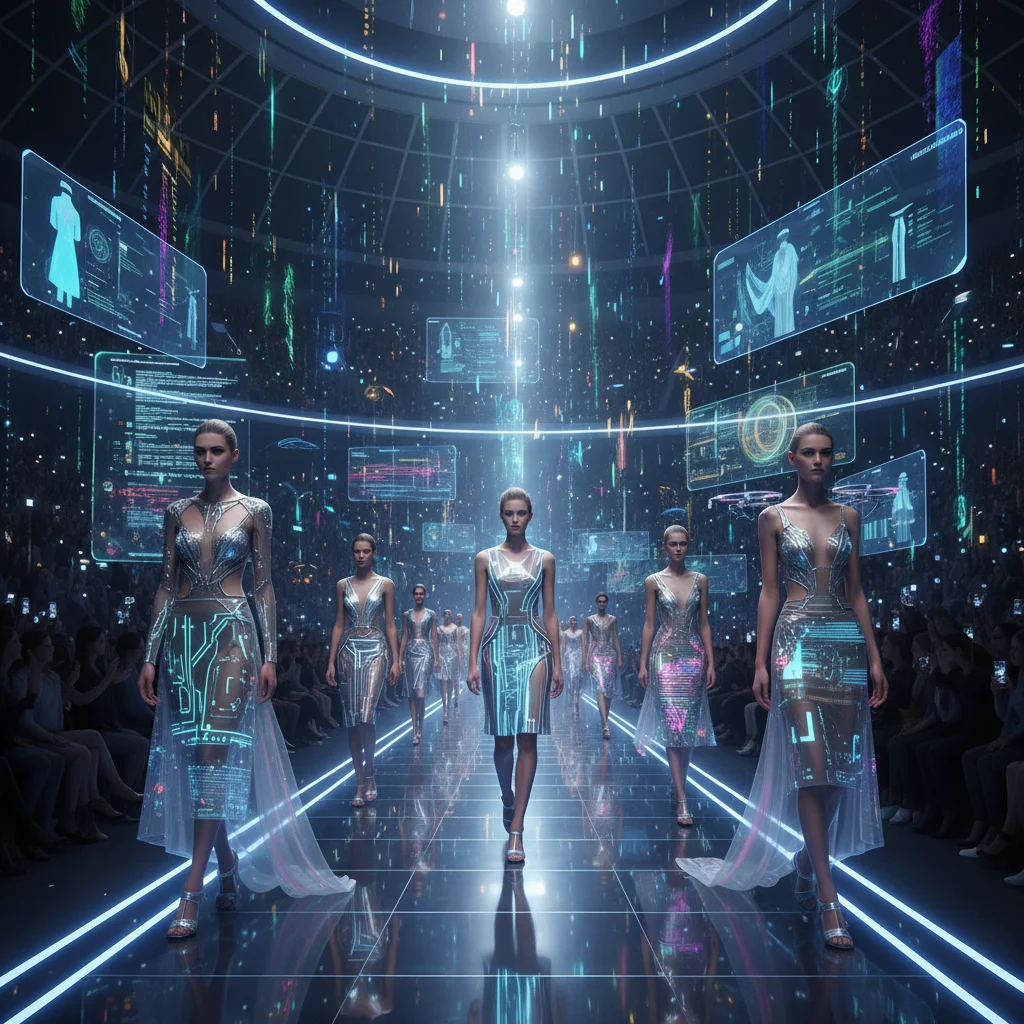
The fashion industry, long considered an art form driven by intuition and creativity, is undergoing a profound transformation. At the heart of this revolution lies artificial intelligence (AI), a technology that is not only optimizing processes but actively shaping the very fabric of future style. From predicting consumer desires with unprecedented accuracy to enabling hyper-personalized shopping experiences, AI is poised to redefine what’s ‘in’ and how we consume fashion. As we look towards 2026, the impact of AI fashion trends on US style forecasts is becoming increasingly clear and undeniable.
The Impact of AI on Fashion Trends: 2 Key Ways Technology is Shaping US Style Forecasts for 2026
The fashion landscape of tomorrow will look dramatically different from today, largely thanks to the pervasive influence of artificial intelligence. AI’s ability to process vast amounts of data, identify patterns, and learn from interactions is proving invaluable for designers, retailers, and consumers alike. This article will delve into two pivotal ways AI is shaping US style forecasts for 2026: through advanced predictive analytics and the rise of hyper-personalization.
1. AI-Powered Predictive Analytics: Forecasting the Future of Fashion
The Evolution of Trend Forecasting
Historically, fashion trend forecasting was a blend of art and science. It involved trend scouts traveling the globe, observing street style, attending fashion weeks, analyzing socio-cultural shifts, and interpreting signals from various creative industries. While human intuition remains crucial, AI has elevated this process to an entirely new level of precision and speed. The sheer volume of data available today – from social media engagement and e-commerce sales to search queries and news articles – is far too immense for human analysis alone. This is where AI fashion trends truly shine.
How AI Predicts What’s Next
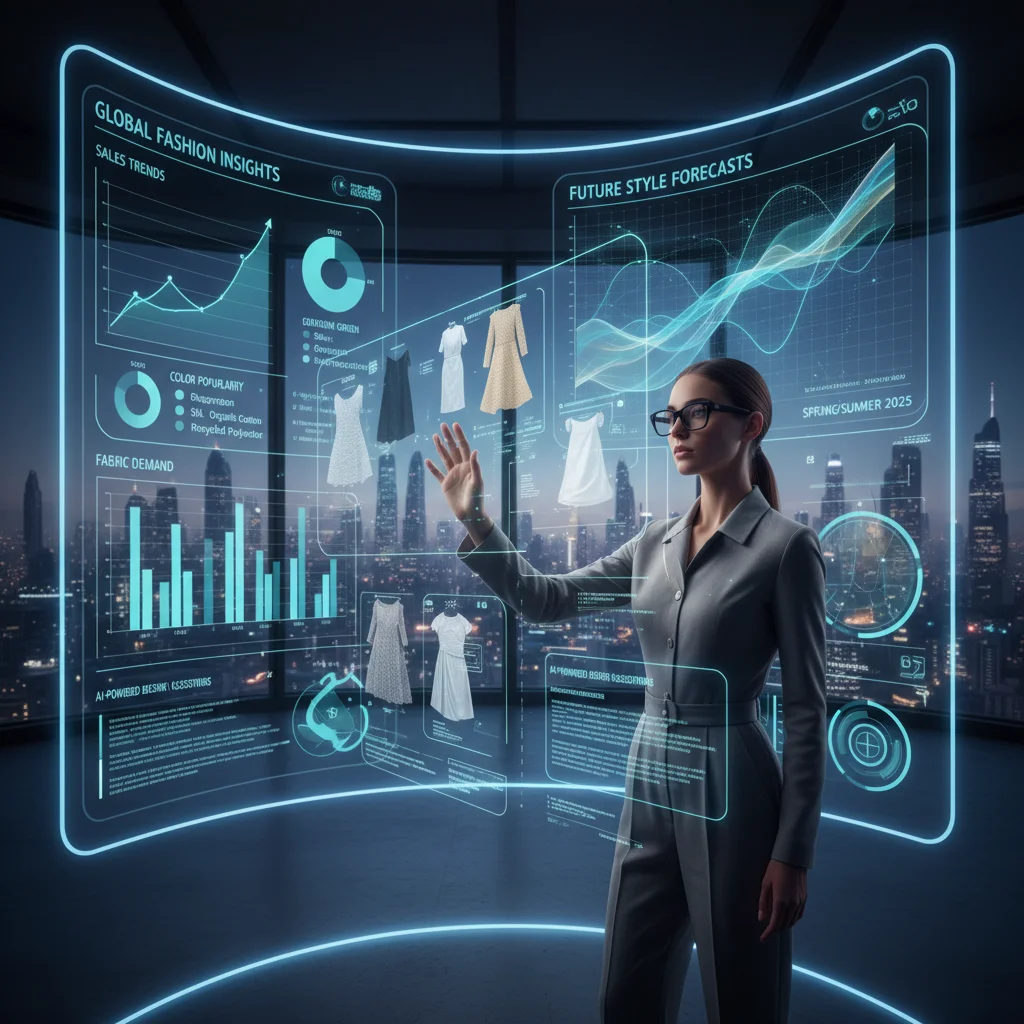
AI algorithms, particularly machine learning models, can ingest and analyze billions of data points in real-time. They look for correlations, anomalies, and emerging patterns that might indicate a nascent trend. Here’s a breakdown of how AI contributes to predictive analytics in fashion:
- Social Media Monitoring: AI can analyze millions of posts, likes, shares, and comments across platforms like Instagram, TikTok, and Pinterest. It identifies rising aesthetics, popular garments, color palettes, and even micro-trends before they go mainstream. For instance, AI can detect a sudden surge in posts featuring a particular sleeve style or a specific shade of green, signaling its potential to become a major trend.
- Sales Data Analysis: By examining historical sales data, return rates, and inventory levels, AI can predict which styles, sizes, and colors are likely to sell well in upcoming seasons. This helps brands optimize production, reduce waste, and ensure they have the right products at the right time.
- Search Engine Trends: AI analyzes search queries to understand consumer interest. A sudden spike in searches for ‘oversized blazers’ or ‘sustainable denim’ provides valuable insights into evolving preferences.
- Image Recognition: Advanced AI can ‘see’ and categorize fashion items within images and videos. This allows it to track the prevalence of certain silhouettes, fabrics, patterns, and accessories across various media, including fashion blogs, magazines, and influencer content.
- Macroeconomic and Cultural Indicators: Beyond fashion-specific data, AI can also factor in broader economic conditions, political events, cultural movements, and even climate patterns, which all subtly influence consumer behavior and fashion choices. For example, economic downturns might lead to a preference for more classic, durable pieces, while a focus on environmental issues boosts demand for sustainable fashion.
Impact on US Style Forecasts for 2026
For 2026, AI-driven predictive analytics will mean:
- Faster Trend Cycles: The speed at which trends emerge and evolve will accelerate, as AI can identify and amplify them almost instantaneously. Brands will need to be more agile in their design and production processes.
- Localized Trends: AI can pinpoint regional variations in style preferences with greater accuracy. This means fashion brands can tailor their offerings to specific US markets, rather than adopting a one-size-fits-all approach. For example, what’s trending in Los Angeles might differ significantly from New York or Miami, and AI will help brands capitalize on these nuances.
- Reduced Waste: By accurately predicting demand, brands can avoid overproduction of unpopular items, leading to less inventory waste and a more sustainable supply chain. This aligns with a growing consumer demand for ethical fashion.
- Emergence of ‘Micro-Trends’: AI’s granular analysis capabilities will allow for the identification and catering to highly specific, niche trends that might have been overlooked by traditional methods. This offers more diverse and inclusive fashion options.
2. Hyper-Personalization: Tailoring Fashion to the Individual
Beyond Basic Recommendations
Personalization in fashion isn’t new. Retailers have long used customer data to recommend products. However, AI takes this to a ‘hyper’ level, moving beyond simple ‘customers who bought this also bought…’ suggestions. Hyper-personalization, driven by advanced AI algorithms, creates a truly bespoke shopping experience, anticipating individual needs and desires even before the customer articulates them. This is a significant driver of future AI fashion trends.
How AI Delivers Hyper-Personalization
AI leverages a multitude of data points to build a comprehensive profile of each customer:
- Purchase History: What have they bought previously? What colors, sizes, brands, and styles do they prefer?
- Browsing Behavior: What products have they viewed, for how long, and what did they add to their cart but not purchase?
- Interaction Data: How do they engage with emails, ads, and social media content? Which influencers do they follow?
- Body Metrics and Fit Preferences: Through virtual try-on tools and past purchase data, AI can learn a customer’s specific fit preferences, recommending precise sizes and cuts.
- Lifestyle and Occasion: AI can infer lifestyle cues (e.g., professional, athletic, casual) from purchase patterns and browsing, then recommend outfits suitable for specific occasions.
- Sentiment Analysis: AI can analyze customer reviews and feedback to understand emotional responses to products and brands, using this to refine recommendations.
Examples of AI-Driven Hyper-Personalization
- Personalized Styling Services: AI-powered stylists can curate entire wardrobes or outfits based on a user’s style profile, budget, and upcoming events. These services often combine AI recommendations with human stylist oversight for a truly refined experience.
- Dynamic Product Recommendations: Website and app interfaces will dynamically change based on individual user behavior, showcasing products and content most relevant to them in real-time.
- Customization and Made-to-Order: AI can facilitate mass customization, allowing customers to tweak designs, choose fabrics, and even adjust dimensions for a perfect fit, all streamlined by AI-driven production processes.
- Virtual Try-On and Augmented Reality (AR): AR apps and virtual try-on tools, powered by AI, allow customers to ‘wear’ clothes virtually, seeing how items look on their own body without physically trying them on. This improves confidence in online purchases and reduces returns.
- Proactive Outreach: AI can predict when a customer might need a new item (e.g., a replacement for a frequently worn piece) and send targeted offers or recommendations.
Impact on US Style Forecasts for 2026
By 2026, hyper-personalization will lead to:
- Decline of Mass Trends: While overarching trends will still exist, the emphasis will shift from everyone wearing the same thing to individuals expressing unique styles tailored to their preferences. The ‘trend’ will be personalization itself.
- Increased Customer Loyalty: Brands that master hyper-personalization will foster deeper connections with their customers, as they feel understood and catered to on an individual level.
- Enhanced Shopping Experience: The friction often associated with finding the right clothes will be significantly reduced, making shopping more efficient and enjoyable, whether online or in-store.
- Democratization of Style: AI tools will empower individuals to discover and refine their personal style, rather than solely relying on fashion magazines or influencers.
- Ethical and Inclusive Fashion: By understanding diverse body types and preferences, AI can help brands create more inclusive sizing and design offerings, moving away from a single, idealized body standard.
The Symbiotic Relationship: AI and Human Creativity
It’s important to clarify that AI isn’t replacing human creativity in fashion; rather, it’s augmenting it. Designers can use AI as a powerful tool to:
- Inspire New Designs: AI can generate countless design variations, color palettes, and fabric combinations based on specific parameters, providing designers with a wealth of fresh ideas.
- Optimize Material Use: AI can analyze fabric cutting patterns to minimize waste, contributing to more sustainable practices.
- Understand Consumer Needs: By providing deep insights into consumer preferences, AI allows designers to create collections that resonate more strongly with their target audience, without sacrificing artistic vision.
- Streamline Production: From supply chain management to inventory optimization, AI ensures that the creative vision can be brought to life efficiently and sustainably.
The synergy between human intuition and AI’s analytical power is creating a more responsive, efficient, and innovative fashion ecosystem. Designers can focus on the artistic and conceptual aspects, while AI handles the data-intensive tasks and optimizes operational efficiencies.
Challenges and Ethical Considerations
While the promise of AI fashion trends is immense, there are challenges and ethical considerations that need to be addressed:
- Data Privacy: The collection of vast amounts of personal data for hyper-personalization raises concerns about privacy and data security. Brands must be transparent about data usage and ensure robust protection measures.
- Algorithmic Bias: If the data fed into AI algorithms is biased, the recommendations and trend forecasts can perpetuate existing inequalities or stereotypes. Ensuring diverse and representative datasets is crucial.
- Over-saturation and Homogenization: While personalization aims for uniqueness, there’s a risk that over-reliance on AI could lead to a homogenization of popular styles if algorithms converge on similar ‘optimal’ solutions. The human element is vital to maintain diversity and push boundaries.
- Job Displacement: As AI automates certain tasks, there are concerns about its impact on employment in the fashion industry, particularly in areas like manual trend forecasting or basic customer service.
- The ‘Black Box’ Problem: Understanding why an AI makes certain predictions or recommendations can sometimes be challenging, leading to a ‘black box’ scenario. Explainable AI (XAI) is an emerging field working to make AI decisions more transparent.
Addressing these challenges will be critical for the responsible and beneficial integration of AI into the fashion industry, ensuring that technology serves humanity and creativity, rather than diminishing it.
The Future of US Style: A Glimpse into 2026 and Beyond
By 2026, the US fashion landscape will be characterized by a dynamic interplay of AI-driven insights and human ingenuity. Consumers will experience a more intuitive and tailored shopping journey, where their individual style is understood and celebrated. Brands, armed with unparalleled predictive capabilities, will operate with greater efficiency, sustainability, and responsiveness to market demands.
Expect to see:
- Adaptive Collections: Brands will release smaller, more frequent collections that are highly responsive to emerging micro-trends identified by AI, rather than traditional seasonal drops.
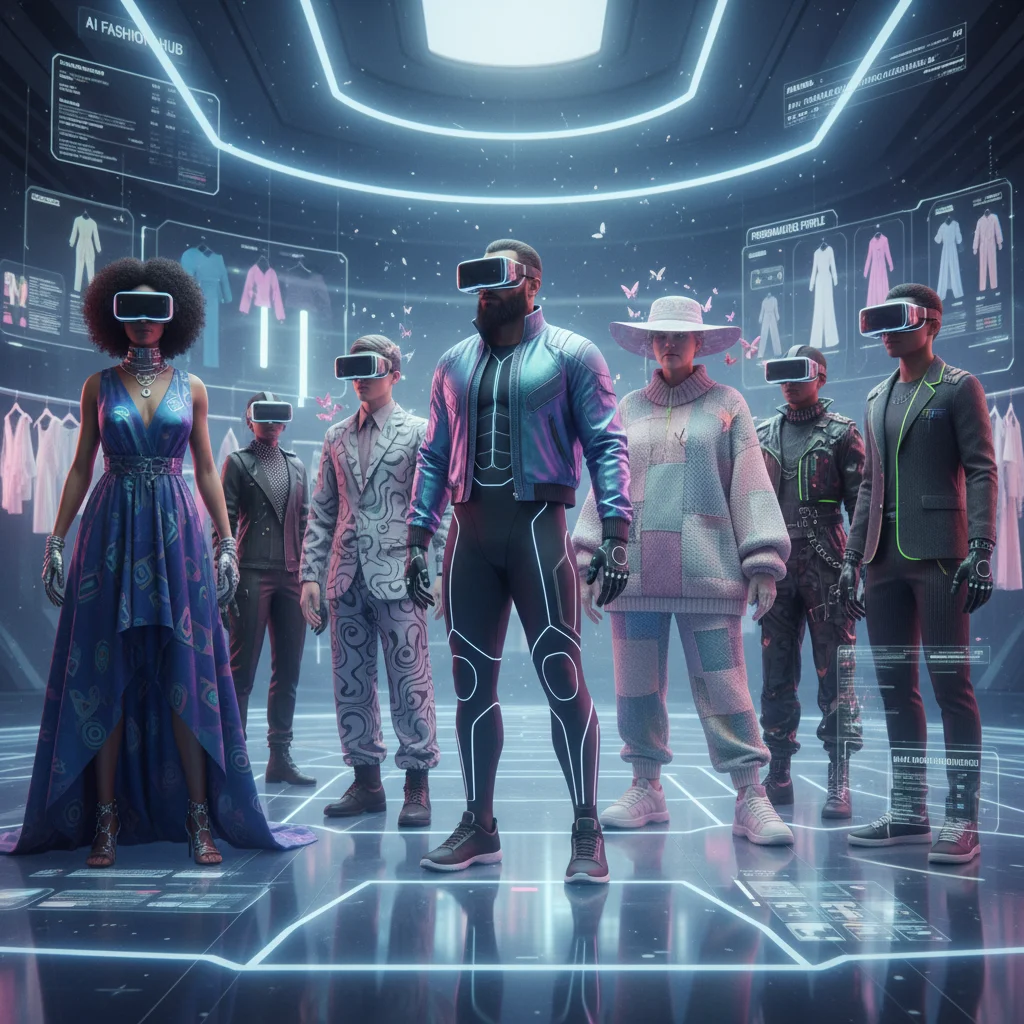
- Experiential Retail: Physical stores will transform into immersive experiences, integrating AR mirrors for virtual try-ons and AI-powered personalized recommendations to bridge the gap between online and offline shopping.
- Sustainable Choices: AI’s ability to optimize supply chains, reduce waste, and predict demand will make sustainable fashion more accessible and mainstream. Consumers will be able to make more informed ethical choices, guided by AI.
- Co-Creation: The line between designer and consumer will blur, with AI tools enabling customers to participate in the design process, leading to truly unique garments.
- Digital Fashion Dominance: The rise of digital fashion, NFTs, and virtual wearables will continue, with AI playing a crucial role in their design, distribution, and personalization within metaverse environments.
The influence of AI fashion trends is not just about forecasting what we’ll wear, but how we’ll discover, purchase, and even define our personal style. It’s a shift towards a more intelligent, responsive, and ultimately, more personalized fashion world.
Conclusion: Embracing the AI-Powered Fashion Revolution
The integration of artificial intelligence into the fashion industry is no longer a futuristic concept; it’s a present-day reality rapidly accelerating towards 2026. The two key pillars of this transformation – predictive analytics and hyper-personalization – are fundamentally reshaping how trends are identified, how products are designed, and how consumers interact with fashion. AI empowers brands to be more agile, sustainable, and customer-centric, while offering consumers an unprecedented level of choice and individuality.
While challenges related to data privacy and bias must be navigated carefully, the overall trajectory points towards a more intelligent, efficient, and personalized fashion ecosystem. The future of US style, deeply intertwined with the advancements in AI, promises a landscape where creativity is amplified, waste is minimized, and every individual can express their unique identity with unparalleled ease and precision. Get ready for a fashion future that is as smart as it is stylish, driven by the relentless innovation of artificial intelligence.