2026 Athleisure Evolution: Capitalize Before Peak

Time-Sensitive Opportunity: Capitalizing on the 2026 Athleisure Evolution Before It Peaks
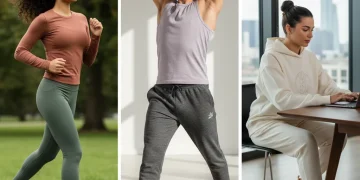
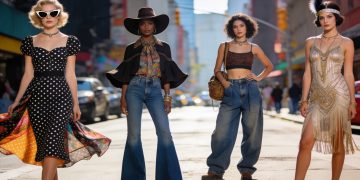
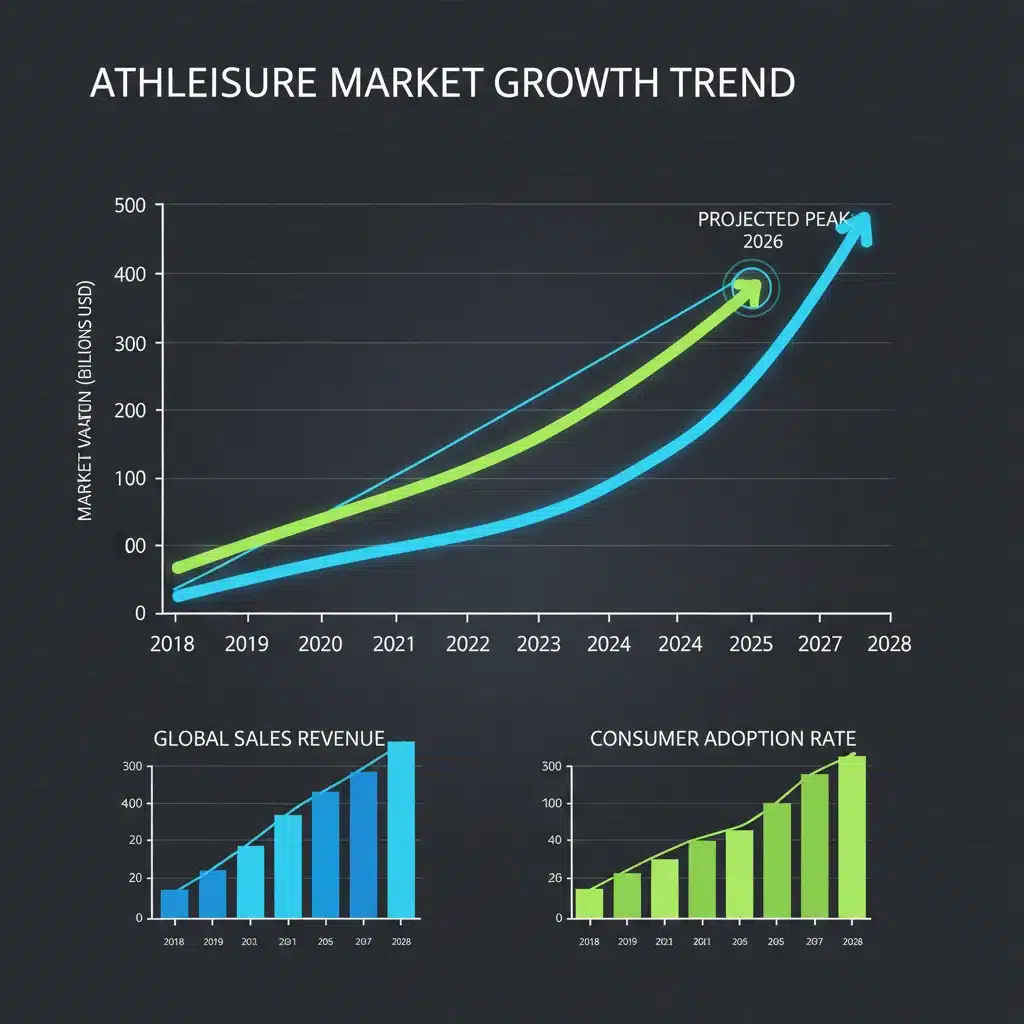
The athleisure market, a dynamic fusion of athletic wear and leisure fashion, has been on an unprecedented growth trajectory for the past decade. What began as a niche trend has blossomed into a global phenomenon, reshaping consumer wardrobes and influencing the broader fashion landscape. As we approach 2026, industry experts are predicting a pivotal point – a potential peak before market saturation sets in. This presents a time-sensitive opportunity for businesses, investors, and entrepreneurs to strategically position themselves and capitalize on the remaining growth potential. Understanding the nuances of the athleisure market 2026 is crucial for anyone looking to make a significant impact.
This comprehensive guide delves into the current state of the athleisure market, dissects the key drivers propelling its growth, and offers actionable insights into how to navigate this evolving landscape. We will explore the emerging trends, technological advancements, and shifts in consumer behavior that define the future of athleisure. Our aim is to equip you with the knowledge to make informed decisions, ensuring you harness this opportunity before it transforms into a challenge.
Understanding the Athleisure Market’s Current Trajectory
The athleisure market’s ascent is not merely a fashion fad; it’s a reflection of deeper societal shifts. The increasing emphasis on health and wellness, the blurring lines between work and personal life, and the demand for comfortable yet stylish clothing have all contributed to its sustained expansion. From yoga pants transitioning seamlessly from the studio to the street, to performance-driven outerwear suitable for both hiking and urban exploration, athleisure has redefined versatility.
Globally, the market has seen double-digit growth rates year-over-year, attracting major sportswear brands, luxury designers, and innovative startups alike. This growth is fueled by a diverse consumer base, ranging from fitness enthusiasts to those simply seeking comfort in their daily lives. The accessibility of online shopping, coupled with social media’s influence on fashion trends, has further accelerated its adoption. However, this rapid expansion also brings increased competition and the looming question of sustainability.
As we eye the horizon towards 2026, the market is expected to continue its upward climb, albeit with a potential leveling off or even a slight deceleration post-2026 as it reaches maturity. This window of opportunity is therefore critical for those looking to establish a strong foothold or expand their existing presence. The athleisure market 2026 is not just about selling clothes; it’s about selling a lifestyle, an aspiration, and a commitment to well-being.
Key Drivers Propelling the Athleisure Market Towards 2026
Several fundamental drivers are pushing the athleisure market towards its anticipated peak in 2026. Understanding these forces is essential for strategic planning:
- Health and Wellness Boom: A global surge in health consciousness has led more people to embrace active lifestyles. This translates directly into a demand for functional, comfortable, and aesthetically pleasing activewear that supports various physical activities.
- Casualization of Work and Life: The shift towards more relaxed dress codes in workplaces and the increasing prevalence of remote work have normalized comfortable attire. Athleisure fits perfectly into this paradigm, offering a polished yet relaxed look.
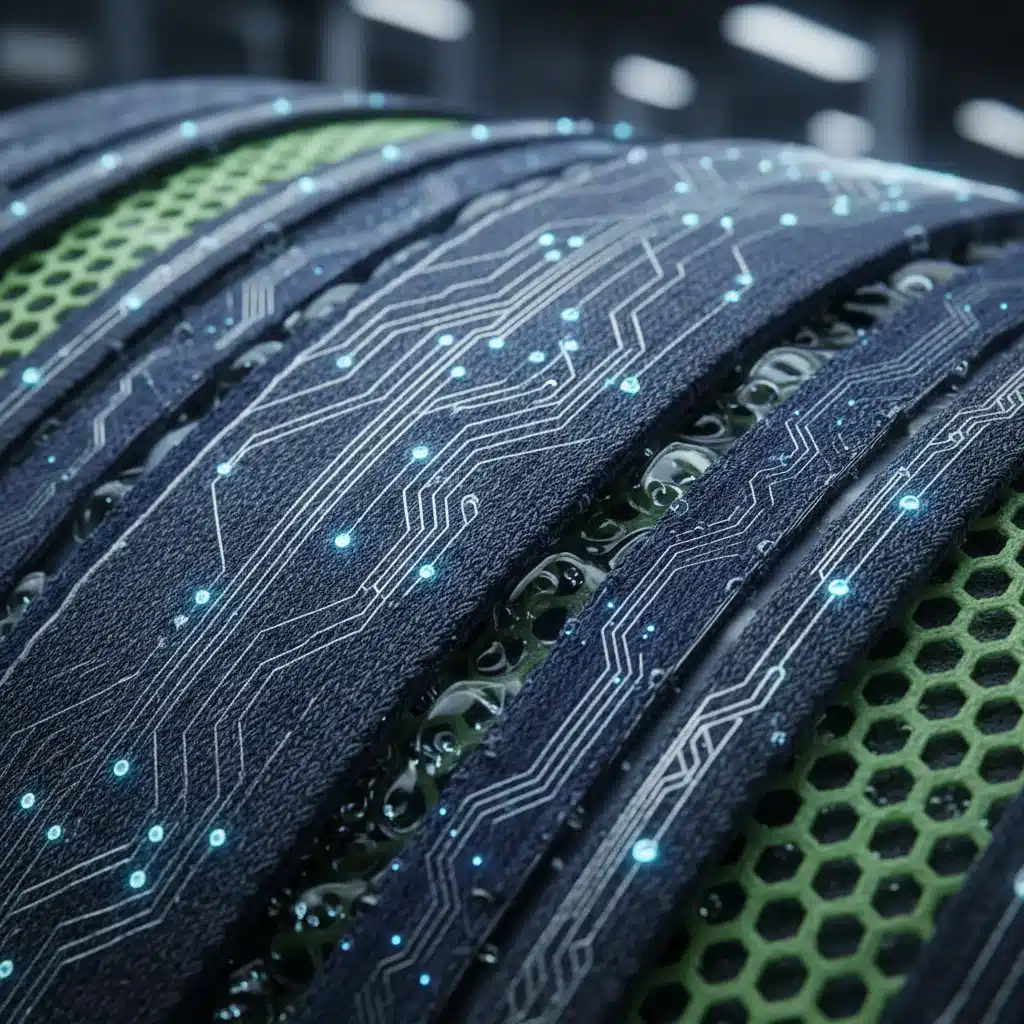
- Technological Advancements in Textiles: Innovations in fabric technology are constantly enhancing the performance and comfort of athleisure wear. Moisture-wicking, breathable, stretchable, and even temperature-regulating fabrics are becoming standard, elevating the consumer experience.
- Sustainability and Ethical Production: Growing consumer awareness about environmental and social impact is driving demand for sustainable and ethically produced athleisure. Brands that prioritize eco-friendly materials, fair labor practices, and transparent supply chains are gaining a competitive edge.
- Influence of Social Media and Celebrities: Social media platforms and celebrity endorsements play a massive role in shaping fashion trends. Influencers showcasing athleisure as a versatile and stylish choice contribute significantly to its widespread appeal and continued growth.
- Cross-Generational Appeal: Athleisure transcends age groups, appealing to Gen Z, Millennials, Gen X, and even Baby Boomers who prioritize comfort and functionality. This broad demographic reach ensures a sustained demand for products within the athleisure market 2026.
Emerging Trends Defining the Athleisure Market 2026
To capitalize effectively, it’s imperative to stay ahead of the curve and identify the emerging trends that will dominate the athleisure landscape in 2026. These trends represent opportunities for product development, marketing, and brand positioning.
1. Hyper-Personalization and Customization
Consumers are increasingly seeking products that reflect their individual style and needs. In the athleisure market 2026, this will manifest in:
- Tailored Fits: Moving beyond standard S/M/L, brands will offer more precise sizing options and even custom-fit services, leveraging body scanning technology.
- Design Customization: Allowing customers to choose colors, patterns, and even add personal motifs to their athleisure garments.
- Functionality Specificity: Developing lines of athleisure wear designed for very specific activities, from specialized cycling gear to yoga apparel with integrated meditation prompts.
2. Advanced Smart Textiles and Wearable Technology Integration
The convergence of fashion and technology will accelerate, pushing the boundaries of what athleisure can do. Expect to see:
- Integrated Sensors: Clothing that monitors vital signs, tracks performance metrics, or even provides haptic feedback for posture correction.
- Temperature Regulation: Fabrics that actively cool or warm the body in response to environmental conditions.
- Self-Cleaning and Odor-Resistant Materials: Innovations that reduce the need for frequent washing, enhancing convenience and sustainability.
3. Circularity and Regenerative Design
Sustainability will move beyond just using recycled materials to embracing a fully circular economy model. This means:
- Design for Longevity: Creating durable products that can withstand extensive wear and tear, reducing the frequency of replacement.
- Repair and Resale Programs: Brands offering services to repair damaged items or facilitating platforms for customers to resell their pre-owned athleisure.
- Biodegradable and Upcycled Materials: A greater focus on materials that can return to the earth without harm or are made from repurposed waste.
- Closed-Loop Production: Manufacturing processes that minimize waste and maximize resource efficiency, often involving recycling old garments into new ones. This is a critical aspect for the long-term viability of the athleisure market 2026.
4. Blurring Gender Lines and Inclusive Sizing
The athleisure market will continue to champion inclusivity, reflecting a more diverse consumer base:
- Gender-Neutral Collections: More brands will offer designs that are not strictly categorized for men or women, focusing on universal appeal and fit.
- Extended Sizing: A wider range of sizes, catering to all body types, ensuring that everyone can find comfortable and stylish athleisure.
- Adaptive Athleisure: Designing clothing with features for individuals with disabilities, ensuring functionality and ease of wear for all.
5. Metaverse Integration and Digital Fashion
While still nascent, the digital realm will start to influence athleisure in tangible ways:
- NFTs and Digital Collectibles: Exclusive digital athleisure items that can be worn by avatars in virtual worlds.
- Virtual Try-On Experiences: Augmented reality tools allowing customers to ‘try on’ athleisure garments virtually before purchasing.
- Phygital Products: Physical athleisure items that come with a corresponding digital twin or unique digital experiences.
Strategic Approaches to Capitalize on the 2026 Athleisure Evolution
For businesses and investors, the window leading up to 2026 is prime for strategic maneuvers. Here’s how to position yourself for success in the athleisure market 2026:
For Brands and Retailers:
- Innovate with Purpose: Focus on developing products that not only look good but also offer superior functionality and address specific consumer pain points. Invest in R&D for advanced materials and sustainable manufacturing processes.
- Embrace Digital Transformation: Strengthen your online presence, optimize e-commerce platforms, and leverage data analytics to understand consumer preferences. Explore AI-driven personalization and virtual try-on technologies.
- Prioritize Sustainability and Transparency: Communicate your sustainability efforts clearly to consumers. Obtain certifications, partner with ethical suppliers, and explore circular business models. This builds trust and resonates with conscious consumers.
- Cultivate Community and Brand Loyalty: Beyond selling products, build a community around your brand. Host events, create engaging content, and foster a sense of belonging. Loyalty programs and excellent customer service will be key differentiators.
- Strategic Collaborations: Partner with influencers, fitness professionals, artists, or even other brands to expand your reach and offer unique collections. These collaborations can generate significant buzz within the athleisure market 2026.
- Expand into Niche Segments: While the overall market may peak, specific sub-segments might still offer significant growth. Consider targeting specific sports (e.g., pickleball, bouldering), demographics (e.g., mature adults, adaptive athletes), or lifestyle niches.
For Investors:
- Identify Disruptive Startups: Look for nascent companies that are innovating in sustainable materials, smart textiles, or unique direct-to-consumer models. Early investment in these disruptors can yield significant returns.
- Evaluate ESG Performance: For established brands, scrutinize their Environmental, Social, and Governance (ESG) performance. Companies with strong ESG ratings are often more resilient and appealing to modern investors.
- Diversify Your Portfolio: Instead of betting on a single brand, consider investing in a diversified portfolio that includes material science companies, sustainable manufacturers, and technology providers within the athleisure ecosystem.
- Monitor Consumer Behavior Shifts: Stay attuned to changes in consumer preferences and lifestyle trends. The ability to anticipate shifts will be crucial for identifying future winners in the athleisure market 2026.
- Understand Global Market Dynamics: While North America and Europe are mature markets, emerging economies in Asia-Pacific and Latin America may offer significant untapped growth potential.
Challenges and Considerations for the Athleisure Market 2026
Despite the promising outlook, the athleisure market is not without its challenges. Recognizing and preparing for these hurdles is as important as seizing opportunities.
1. Market Saturation and Intense Competition
As the market matures towards 2026, competition will become even fiercer. New entrants and established players will vie for market share, potentially leading to price wars and reduced profit margins. Differentiation through innovation, brand identity, and customer experience will be paramount.
2. Supply Chain Vulnerabilities
Global supply chain disruptions, rising material costs, and labor issues can impact production and profitability. Brands need to build resilient and diversified supply chains, potentially near-shoring or on-shoring production where feasible.
3. Fast-Paced Trend Cycles
While athleisure is a broad category, specific styles and trends can change rapidly. Brands must remain agile and responsive to evolving consumer tastes to avoid being left with obsolete inventory. The dynamic nature of the athleisure market 2026 demands constant adaptation.
4. Greenwashing Concerns
As sustainability becomes a buzzword, consumers are increasingly wary of ‘greenwashing’ – brands making unsubstantiated environmental claims. Authenticity and verifiable proof of sustainable practices will be crucial for maintaining consumer trust.
5. Economic Headwinds
Broader economic downturns can impact consumer spending on discretionary items like fashion. Athleisure, while often seen as a necessity by some, can still be affected. Brands must offer value and perceived necessity to weather potential economic storms.
Case Studies: Learning from Athleisure Successes and Missteps
Examining real-world examples offers valuable lessons for navigating the athleisure market 2026.
Lululemon: The Pioneer’s Continued Evolution
Lululemon remains a dominant force, largely due to its unwavering focus on product innovation, community building, and a premium brand experience. They consistently invest in proprietary fabrics (like Luon and Nulu), foster strong customer loyalty through in-store classes and events, and have successfully expanded into new categories like menswear and accessories. Their ability to adapt while maintaining core values is a key takeaway.
Outdoor Voices: The ‘Recreationalist’ Niche
Outdoor Voices carved out a distinct niche by promoting ‘Doing Things’ – a more relaxed, inclusive approach to activity, contrasting with the intense performance focus of other brands. While they faced some operational challenges, their initial success demonstrated the power of strong brand storytelling and targeting a specific lifestyle segment within the broader athleisure market.
Under Armour: The Performance-First Approach
Under Armour built its empire on high-performance athletic gear. While initially successful, their slower adaptation to the ‘leisure’ aspect of athleisure, combined with over-reliance on traditional sports marketing, led to some market share loss. This highlights the importance of understanding the dual nature of athleisure and evolving with consumer preferences beyond pure performance. As we look at the athleisure market 2026, adaptability will be key.
The Future Beyond 2026: Sustaining Growth and Relevance
While 2026 is anticipated as a peak, it doesn’t signify the end of the athleisure market. Rather, it marks a transition point where growth may stabilize, and the market will demand even greater innovation and strategic thinking to maintain relevance. Post-2026, the focus will shift from rapid expansion to sustainable growth, deeper market penetration in niche areas, and continued evolution of product offerings.
Brands that thrive beyond this peak will be those that have successfully integrated sustainability into their core operations, leveraged technology for enhanced product performance and customer experience, and built strong, authentic connections with their communities. The athleisure market 2026 will set the stage for a more mature, discerning, and environmentally conscious consumer base.
Key Strategies for Post-Peak Athleisure Success:
- Continuous Innovation: Investing heavily in R&D for next-generation materials, smart features, and design aesthetics that push boundaries.
- Hyper-Niche Targeting: Identifying and catering to increasingly specific consumer groups and their unique activity-based needs.
- Service-Oriented Models: Exploring subscription services, rental options, and personalized styling services to add value beyond just product sales.
- Global Expansion with Local Adaptation: Tailoring products and marketing strategies to resonate with diverse cultural preferences in international markets.
- Educational Content and Wellness Integration: Becoming a resource for holistic well-being, offering content and services that complement the physical products.
Conclusion: Seize the Athleisure Market 2026 Opportunity
The athleisure market 2026 represents a significant, yet time-limited, opportunity for substantial growth and innovation. The convergence of health consciousness, technological advancements, and a demand for comfort and style has created a fertile ground for businesses to flourish. However, with an anticipated market peak on the horizon, the urgency to act strategically is paramount.
By understanding the key drivers, embracing emerging trends like personalization and circularity, and navigating potential challenges with foresight, brands and investors can position themselves to not only capitalize on this evolution but also to build resilient and future-proof enterprises. The time to invest, innovate, and engage with the evolving athleisure landscape is now. Don’t let this pivotal moment pass you by; the rewards for proactive engagement in the athleisure market 2026 are immense.
The journey towards 2026 is not just about selling more products; it’s about shaping the future of fashion, health, and lifestyle. Those who can anticipate, adapt, and innovate will be the ones to reap the greatest benefits from this exciting and transformative market.