Eco-Friendly Cleaning: 7 Natural Solutions for a Healthier Home in 2026
In an era where environmental consciousness is no longer just a trend but a necessity, more and more homeowners are seeking ways to reduce their ecological footprint. One of the most impactful areas to start is right within our homes: our cleaning routines. Traditional cleaning products, while effective, often contain harsh chemicals that can be detrimental to our health, our pets, and the planet. The good news? Embracing eco-friendly cleaning solutions is easier and more effective than ever, paving the way for a healthier home in 2026 and beyond.
This comprehensive guide delves into the world of natural, non-toxic cleaning, offering seven powerful and practical solutions that will not only leave your home sparkling but also contribute to a greener, more sustainable lifestyle. We’ll explore the benefits, the ingredients, and the methods behind these simple yet revolutionary approaches to home maintenance. Get ready to transform your cleaning cabinet and, by extension, your entire living environment.
The Urgent Need for Eco-Friendly Cleaning Solutions
Before we dive into specific recipes, let’s understand why shifting to eco-friendly cleaning solutions is so crucial. The chemicals found in many commercial cleaners – ammonia, chlorine bleach, phthalates, parabens, and synthetic fragrances, to name a few – are linked to a host of health issues. These can range from respiratory problems, skin irritations, and allergic reactions to more severe long-term effects like hormonal disruption and even certain cancers. Children and pets, due to their smaller size and closer proximity to floors and surfaces, are particularly vulnerable to these toxins.
Beyond personal health, the environmental impact is significant. When these chemicals are washed down drains, they enter our water systems, harming aquatic life and disrupting ecosystems. The manufacturing and transportation of these products also contribute to air pollution and greenhouse gas emissions. By choosing eco-friendly cleaning solutions, we actively participate in protecting our planet’s delicate balance.
Benefits of Embracing Natural Cleaning
- Improved Indoor Air Quality: Say goodbye to harsh chemical fumes that irritate lungs and eyes. Natural cleaners typically have pleasant, natural scents or are fragrance-free.
- Reduced Health Risks: Minimize exposure to allergens, irritants, and endocrine disruptors for a healthier family and safer home.
- Environmental Protection: Prevent water pollution and reduce your carbon footprint by using biodegradable ingredients.
- Cost-Effective: Many natural cleaning ingredients are inexpensive and can be bought in bulk, saving you money in the long run.
- Simplicity and Transparency: You know exactly what goes into your cleaning products when you make them yourself, avoiding hidden harmful ingredients.
- Pet-Friendly: Create a safer environment for your furry friends, who often come into contact with cleaned surfaces.
Foundational Ingredients for Eco-Friendly Cleaning
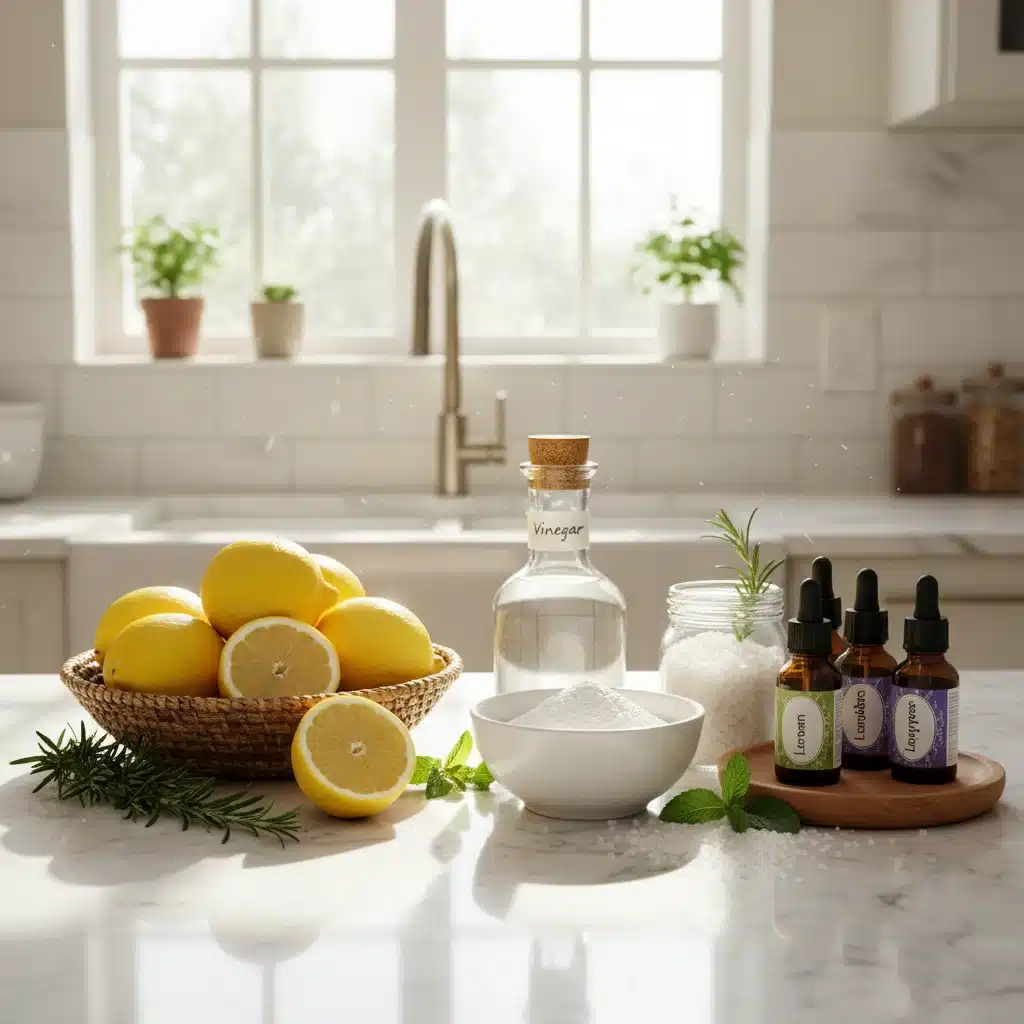
The beauty of eco-friendly cleaning solutions lies in their simplicity. You likely already have many of the core ingredients in your pantry. These humble components, when combined correctly, possess remarkable cleaning power:
- White Vinegar: A natural disinfectant and deodorizer, its acidity cuts through grease, grime, and mineral deposits.
- Baking Soda (Sodium Bicarbonate): A gentle abrasive, deodorizer, and natural whitener. It’s excellent for scrubbing and absorbing odors.
- Lemon Juice: A natural bleach, degreaser, and powerful odor neutralizer. Its citric acid is effective against stains and bacteria.
- Castile Soap: A concentrated, vegetable-oil-based soap that is biodegradable and non-toxic. It’s a versatile all-purpose cleaner.
- Essential Oils: (e.g., Tea Tree, Lavender, Lemon, Peppermint) Add natural fragrance, and many possess antibacterial, antifungal, and antiviral properties.
- Hydrogen Peroxide (3%): A mild antiseptic and bleach alternative, effective for disinfecting and whitening.
- Rubbing Alcohol (Isopropyl Alcohol): A disinfectant and streak-free cleaner for glass and shiny surfaces.
With these staples, you’re well-equipped to tackle almost any cleaning task without resorting to harsh chemicals. Let’s explore some specific eco-friendly cleaning solutions.
7 Natural Eco-Friendly Cleaning Solutions for Your Home
1. The All-Purpose Vinegar & Water Spray
This is perhaps the most fundamental and versatile of all eco-friendly cleaning solutions. White vinegar is a powerhouse for cutting through grease, dissolving mineral deposits, and killing bacteria. Its acidic nature makes it unsuitable for certain surfaces like natural stone (marble, granite) due to potential etching, but for most other surfaces, it’s a dream.
Recipe:
- 1 part white vinegar
- 1 part water
- Optional: 10-15 drops of essential oil (lemon, tea tree, or lavender for scent and added antimicrobial properties)
Method:
- Combine ingredients in a spray bottle.
- Shake gently to mix.
- Spray directly onto surfaces like countertops (laminate, sealed wood, tile), sinks, appliances, and even floors.
- Wipe clean with a microfiber cloth. For tough spots, let it sit for a few minutes before wiping.
Best for: General surface cleaning, glass (for streak-free results, use a separate, dedicated glass cleaner or a higher ratio of water to vinegar), deodorizing, and light disinfection.
2. Baking Soda & Lemon Scouring Paste
When you need a little more abrasive power without the scratching, baking soda is your best friend. Combined with lemon juice, it creates a fizzing, cleaning, and deodorizing paste that’s perfect for tougher jobs.
Recipe:
- 1/2 cup baking soda
- Enough lemon juice (or water) to form a paste
- Optional: 5 drops of lemon essential oil for extra degreasing and scent.
Method:
- In a small bowl, slowly add lemon juice to baking soda, stirring until a thick paste forms.
- Apply the paste to the dirty surface using a sponge or brush.
- Let it sit for 5-10 minutes for stubborn stains.
- Scrub gently in circular motions.
- Rinse thoroughly with water and wipe dry.
Best for: Sinks (stainless steel, porcelain), bathtubs, tile grout, oven interiors (non-self-cleaning), and removing stubborn stains from various surfaces. This is one of the most effective eco-friendly cleaning solutions for grime.
3. Streak-Free Glass Cleaner with Rubbing Alcohol
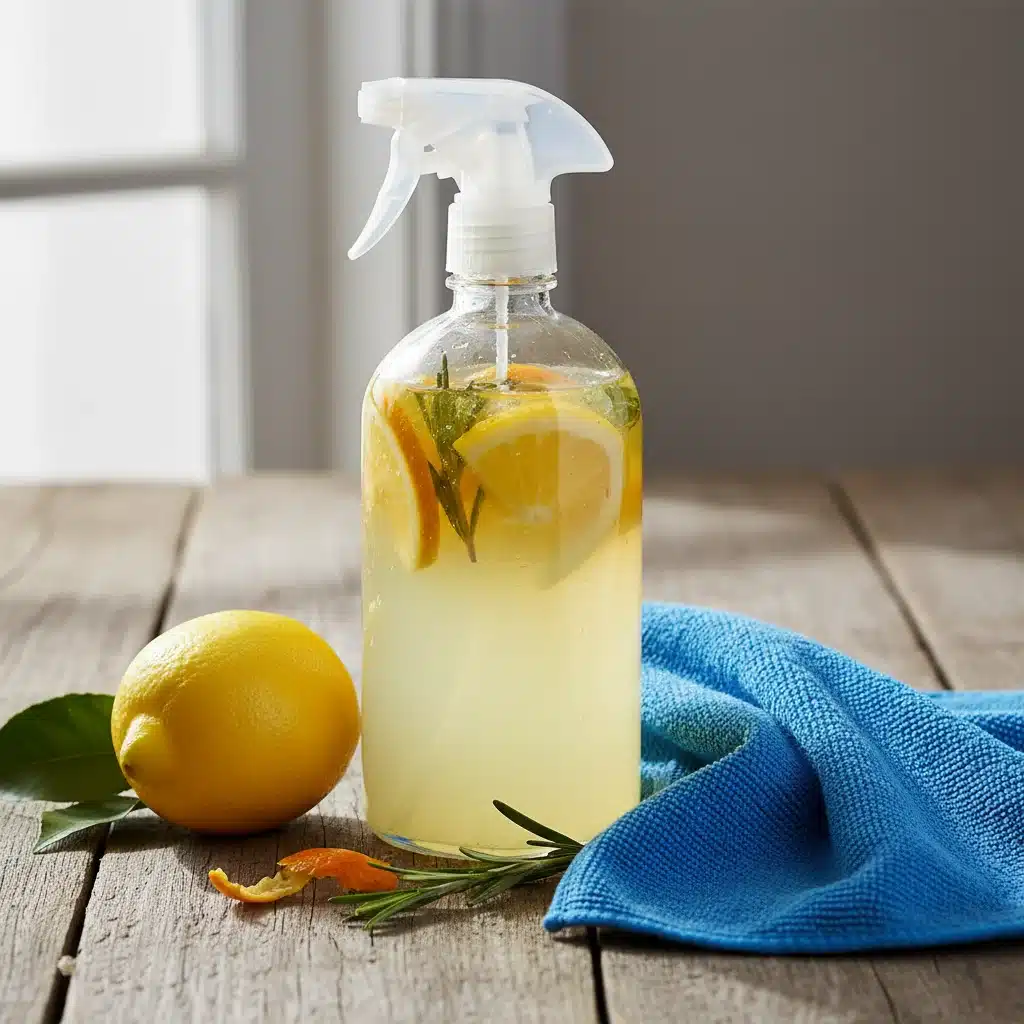
Achieving sparkling, streak-free windows and mirrors can be challenging with natural ingredients. Rubbing alcohol comes to the rescue, evaporating quickly and leaving no residue.
Recipe:
- 1/2 cup rubbing alcohol (70% isopropyl alcohol)
- 1/2 cup white vinegar
- 1 cup distilled water
- Optional: 2-3 drops of essential oil (peppermint or citrus for scent)
Method:
- Combine all ingredients in a spray bottle.
- Shake well before each use.
- Spray directly onto glass surfaces.
- Wipe immediately with a clean microfiber cloth or crumpled newspaper for a streak-free shine.
Best for: Windows, mirrors, glass tables, and chrome fixtures. This is a superior option among eco-friendly cleaning solutions for transparency.
4. Powerful Disinfectant with Hydrogen Peroxide
While vinegar and essential oils have antimicrobial properties, for areas requiring stronger disinfection (like cutting boards or toilet bowls), hydrogen peroxide is an excellent natural alternative to bleach. Ensure you use 3% hydrogen peroxide, commonly found in pharmacies.
Recipe:
- Hydrogen peroxide (3%) in a dark-colored spray bottle (light exposure degrades it)
Method:
- Spray hydrogen peroxide directly onto the surface to be disinfected.
- Let it sit for 5-10 minutes to allow it to work.
- Wipe clean with a damp cloth.
Important Note: Do not mix hydrogen peroxide with vinegar in the same bottle, as it can create peracetic acid, which is corrosive. You can, however, use them sequentially: spray with vinegar, wipe, then spray with hydrogen peroxide and wipe again for enhanced disinfection. Always test in an inconspicuous area first. This is a key component of effective eco-friendly cleaning solutions for germ control.
Best for: Toilets, cutting boards, doorknobs, light switches, and other high-touch surfaces. Also effective for whitening laundry or removing mold/mildew.
5. Castile Soap All-Purpose Cleaner
Castile soap is a true workhorse in the realm of eco-friendly cleaning solutions. Made from vegetable oils, it’s gentle, biodegradable, and incredibly versatile. It’s perfect for general cleaning where you need a bit of sudsing action.
Recipe:
- 1-2 tablespoons liquid castile soap
- 2 cups warm water
- Optional: 10-15 drops of your favorite essential oil (e.g., lavender, peppermint, or orange)
Method:
- Combine castile soap and warm water in a spray bottle.
- Add essential oils if desired and shake gently.
- Spray onto surfaces like countertops, walls, floors, and general household items.
- Wipe with a damp cloth.
Best for: General surface cleaning, cleaning floors (dilute more for larger areas), washing dishes by hand (use a few drops directly), and even as a gentle hand soap. It’s a cornerstone for any list of eco-friendly cleaning solutions.
6. Natural Wood Polish and Conditioner
Keeping wooden furniture and surfaces looking their best doesn’t require chemical-laden polishes. A simple blend of olive oil and lemon juice can nourish wood, add shine, and provide a pleasant scent.
Recipe:
- 1/2 cup olive oil
- 1/4 cup lemon juice (freshly squeezed for best results)
Method:
- Mix olive oil and lemon juice in a small bowl.
- Apply a small amount to a soft cloth.
- Rub into wooden surfaces in the direction of the grain.
- Buff with a clean, dry cloth until shiny.
Best for: Polishing and conditioning wooden furniture, cabinets, and other sealed wood surfaces. Always test in an inconspicuous area first. This enhances the longevity of your furniture using eco-friendly cleaning solutions.
7. DIY Air Freshener with Essential Oils
Commercial air fresheners often contain phthalates and other chemicals that can negatively impact respiratory health. Create a fresh, inviting atmosphere with natural essential oil blends.
Recipe:
- 1/2 cup distilled water
- 2 tablespoons witch hazel or rubbing alcohol (helps essential oils disperse)
- 15-20 drops of your favorite essential oils (e.g., blend of lemon, lavender, and peppermint for a refreshing scent; cedarwood and orange for a grounding aroma)
Method:
- Combine witch hazel (or alcohol) and essential oils in a spray bottle.
- Shake well to mix.
- Add distilled water and shake again.
- Spray into the air as needed to refresh rooms.
Best for: Eliminating odors and adding a natural, pleasant scent to any room. This is a delightful addition to your repertoire of eco-friendly cleaning solutions.
Tips for Successful Eco-Friendly Cleaning
- Use Microfiber Cloths: These reusable cloths are highly effective at trapping dirt and grime, reducing the need for excessive cleaning solutions.
- Label Everything: Clearly label your homemade cleaning solutions to avoid confusion and ensure safety.
- Store Properly: Keep your natural cleaners in appropriate bottles (dark glass for hydrogen peroxide, spray bottles for sprays) and out of reach of children and pets.
- Test First: Always test any new cleaning solution on an inconspicuous area of a surface before applying it broadly.
- Ventilate: Even with natural cleaners, good ventilation is always recommended during cleaning tasks.
- Regular Maintenance: Cleaning regularly prevents the buildup of dirt and grime, making daily tasks easier and reducing the need for intensive cleaning sessions.
- Embrace the Process: Switching to eco-friendly cleaning solutions is a journey. Start with one or two recipes and gradually incorporate more as you become comfortable.
Beyond the Bottle: Holistic Eco-Friendly Practices
While the focus here is on eco-friendly cleaning solutions, a truly sustainable home goes beyond just the products you use. Consider these additional practices:
- Reduce Waste: Opt for reusable rags and cloths instead of paper towels. Buy ingredients in bulk to minimize packaging waste.
- Compost: If you use fruit peels for cleaning (like citrus for infusions), consider composting them afterward.
- Energy Efficiency: Clean during off-peak energy hours, use cold water for laundry when possible, and ensure your appliances are energy-efficient.
- Mindful Consumption: Only buy what you need, and consider the entire lifecycle of products before purchasing.
- Grow Your Own: If space permits, grow herbs like rosemary or lavender, which can be used in cleaning solutions or simply to freshen the air.
Integrating these habits with your use of eco-friendly cleaning solutions creates a powerful synergy for a healthier, more sustainable household.
Addressing Common Concerns About Natural Cleaning
Some people are hesitant to switch to eco-friendly cleaning solutions, often due to misconceptions about their effectiveness or safety. Let’s address a few common concerns:
- "Are they really as effective as chemical cleaners?" For most everyday cleaning tasks, yes! Vinegar, baking soda, and castile soap have been used for centuries because they work. For specific heavy-duty disinfection needs, hydrogen peroxide is a strong alternative. The key is knowing which natural ingredient to use for which task.
- "Do they actually kill germs?" Many natural ingredients possess antimicrobial properties. Vinegar and hydrogen peroxide are recognized disinfectants. Essential oils like tea tree oil and lemon oil also have documented antibacterial and antiviral qualities. While they might not be as broad-spectrum as industrial-strength chemicals, for a typical home environment, they are more than sufficient.
- "Won’t my house smell like vinegar?" The strong smell of vinegar dissipates quickly as it dries. Adding essential oils can also help mask the initial scent. For surfaces where a vinegar smell might linger (e.g., unsealed wood), consider alternative solutions like castile soap or baking soda.
- "Is it more time-consuming to make my own cleaners?" Initially, there’s a small learning curve and setup time. However, once you have your basic ingredients and recipes down, mixing up a batch takes mere minutes. The time saved by not having to run to the store for specialized cleaners often balances out.
- "Are essential oils safe for everyone?" While natural, essential oils are potent and should be used with care. Always dilute them, and be mindful of pets and individuals with sensitivities or allergies. Some oils are not recommended for use around pregnant women or young children. Research specific oils if you have concerns.
Conclusion: A Healthier Home, A Greener Planet in 2026
Making the switch to eco-friendly cleaning solutions is a powerful step towards creating a healthier, safer, and more sustainable home. In 2026, as awareness grows about the impact of our choices, embracing natural cleaning is more than just a trend; it’s a commitment to well-being for ourselves, our families, and the planet.
By utilizing simple, readily available ingredients like vinegar, baking soda, lemon, and castile soap, you can effectively clean and disinfect almost every surface in your home without the hidden dangers of harsh chemicals. Not only will you enjoy a fresher, toxin-free living space, but you’ll also contribute to reducing pollution and supporting a healthier environment for future generations.
Start small, experiment with these seven powerful solutions, and discover the joy and peace of mind that comes with a truly clean, truly green home. Your journey to a sparkling, sustainable sanctuary begins now.