Quiet Luxury 2026: Decoding Subtle Retail Trends in the US
The landscape of luxury retail is in constant flux, a dynamic interplay of economic shifts, cultural movements, and evolving consumer desires. As we cast our gaze towards 2026, one trend stands out with a quiet yet profound resonance: the rise of ‘quiet luxury’. This isn’t a fleeting fad but a deep-seated shift in how discerning consumers perceive and engage with high-end goods and services. It’s a departure from ostentatious displays of wealth, favoring instead an appreciation for impeccable craftsmanship, enduring quality, and discreet sophistication. For US retail, understanding these evolving preferences is paramount to success.
Quiet luxury, at its core, is about an intrinsic value that transcends brand recognition. It’s about products that speak for themselves through their design, materials, and longevity, rather than relying on overt branding or flashy aesthetics. This trend is fueled by a confluence of factors, including a growing awareness of sustainability, a desire for authenticity, and a rejection of fast fashion’s disposability. Consumers are becoming more educated, more discerning, and more intentional with their purchases. They are investing not just in an item, but in a philosophy of understated elegance and long-term value.
In this comprehensive exploration, we will delve into the nuances of quiet luxury and identify four subtle yet powerful indicators that will define its presence across US retail in 2026. By understanding these shifts, retailers can better position themselves to meet the demands of this evolving luxury market, fostering loyalty and driving growth through authenticity and unparalleled quality.
The concept of luxury itself is undergoing a metamorphosis. Historically, luxury was often synonymous with exclusivity, often communicated through visible logos and aspirational marketing. While that segment of the market will always exist, a significant portion of the affluent consumer base is now seeking something different. They are looking for an experience that is more personal, more refined, and less about external validation. This is where quiet luxury truly shines. It’s about self-assurance, a confidence that doesn’t need to shout its status. It’s about investing in pieces that are not only beautiful but also ethically produced, durable, and timeless. This shift is not just about aesthetics; it’s about a fundamental change in values. Retailers who grasp this distinction will be the ones who thrive in the quiet luxury era.
The economic climate also plays a role in this evolution. While the ultra-wealthy may be somewhat insulated from economic fluctuations, a broader segment of affluent consumers are more mindful of their spending. They are less inclined to make impulsive, trend-driven purchases and more likely to invest in items that offer lasting value. This prudent approach aligns perfectly with the tenets of quiet luxury, where quality and longevity are paramount. The focus shifts from accumulating many items to curating a select few that are cherished and utilized for years to come. This mindfulness extends beyond personal finances to a broader societal awareness, including environmental impact and ethical sourcing, further solidifying the appeal of quiet luxury.
1. The Ascendance of Unbranded Excellence and Material Purity
One of the most striking indicators of the quiet luxury trend in 2026 will be the overwhelming preference for unbranded excellence. Gone are the days when a prominent logo was the ultimate symbol of luxury. Instead, consumers are actively seeking products that communicate their value through intrinsic qualities: the exquisite feel of a fabric, the flawless construction of a garment, the thoughtful design of an object. This means a significant shift in how brands market themselves and how consumers make purchasing decisions.
In US retail, this translates to a heightened focus on material purity. Expect to see brands emphasizing the provenance of their materials more than ever before. Think ethically sourced cashmere, organic cotton, unadulterated silk, and sustainable leathers. The narrative will shift from ‘who made it’ to ‘what is it made of’ and ‘how well is it made’. Retailers will need to educate consumers not just on the aesthetic appeal of a product, but on its composition, its journey from raw material to finished good, and the skilled hands involved in its creation. Transparency in sourcing and production will become a non-negotiable aspect of the quiet luxury experience.
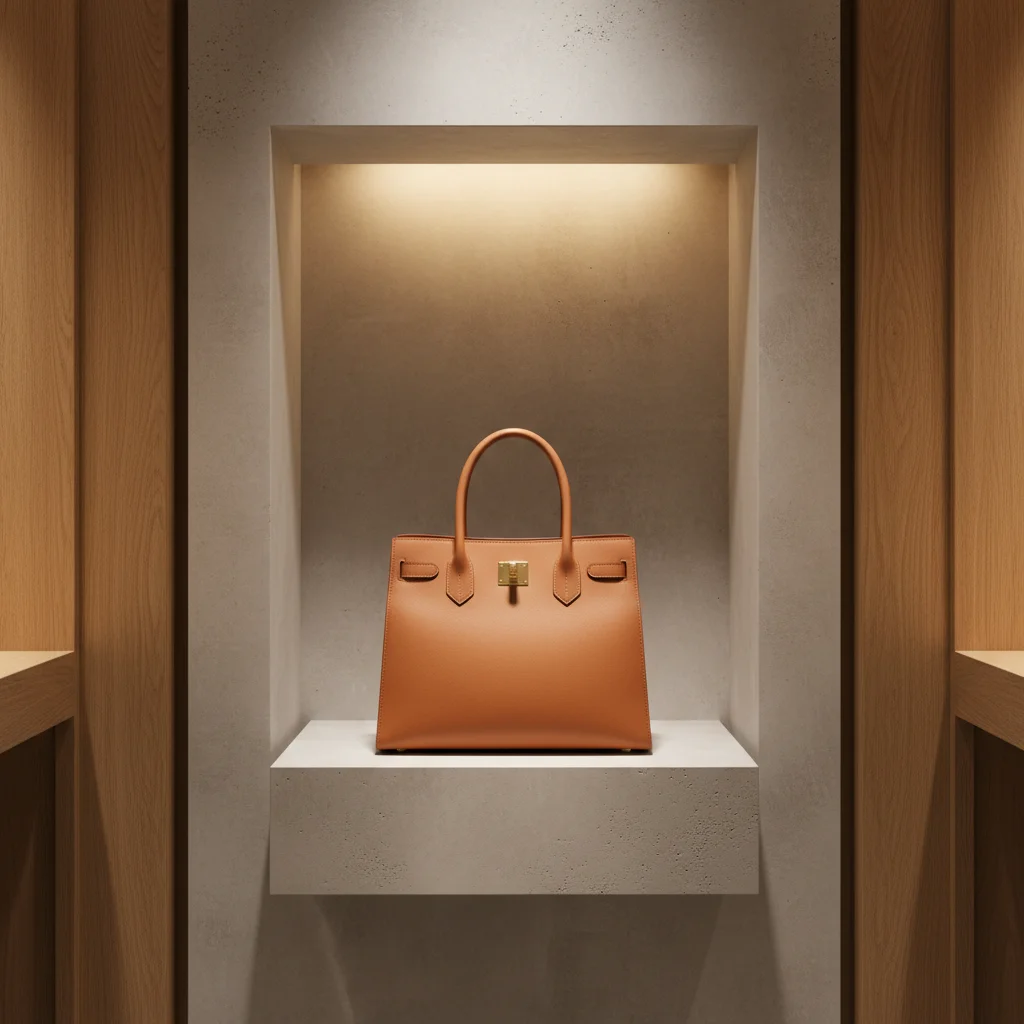
This indicator also manifests in design. Products embodying quiet luxury will feature clean lines, sophisticated silhouettes, and a timeless aesthetic that transcends seasonal trends. The beauty lies in the subtlety, in details that are appreciated upon closer inspection rather than at first glance. Buttons made of genuine horn, hand-stitched seams, perfectly aligned patterns – these are the hallmarks of unbranded excellence. Retailers will increasingly curate collections that prioritize minimalist design and superior craftsmanship over flashy embellishments or transient styles. The goal is to offer pieces that can be seamlessly integrated into a discerning individual’s wardrobe or home, providing lasting pleasure and utility.
Furthermore, the focus on material purity extends to the entire product lifecycle. Consumers are increasingly aware of the environmental and social impact of their purchases. Brands that can demonstrate a commitment to sustainable practices, from sourcing to manufacturing to packaging, will gain a significant advantage in the quiet luxury market. This isn’t just about eco-friendly materials; it’s about ethical labor practices, reduced waste, and a circular economy approach. The story behind the product becomes as important as the product itself, and brands that can tell a compelling, authentic story of responsibility will resonate deeply with the quiet luxury consumer.
Retail spaces themselves will reflect this emphasis on purity and excellence. Expect more serene, uncluttered environments that allow the products to speak for themselves. Lighting will be carefully considered to highlight textures and finishes. Sales associates will be highly knowledgeable, not just about current trends, but about the materials, craftsmanship, and heritage of each item. The shopping experience will become less about high-pressure sales and more about thoughtful consultation and education, mirroring the discerning nature of the quiet luxury consumer.
2. The Prioritization of Longevity and Investment Pieces
The second key indicator of quiet luxury’s dominance in 2026 is the profound shift towards prioritizing longevity and investment pieces. In an age of rapid consumption and planned obsolescence, the quiet luxury consumer actively seeks items designed to last, to be cherished, and to appreciate in value, both monetary and sentimental. This marks a significant departure from the ‘buy cheap, replace often’ mentality that has permeated many sectors of retail.
For US retailers, this means a renewed emphasis on quality construction and durable materials. Brands that cut corners on manufacturing or use inferior components will quickly lose favor. The quiet luxury consumer is willing to pay a premium for items that withstand the test of time, both in terms of physical durability and timeless style. This includes everything from meticulously constructed outerwear that can be worn for decades to furniture built with solid wood and expert joinery. The narrative shifts from ‘newness’ to ‘endurance’.
The concept of an ‘investment piece’ extends beyond just monetary value. It encompasses the emotional investment a consumer makes in an item that brings them joy and utility over many years. This could be a classic watch, a perfectly tailored suit, a handcrafted piece of jewelry, or a high-quality leather bag. These are not purchases made on a whim, but rather considered decisions, often after extensive research and contemplation. Retailers must facilitate this considered purchasing process, providing detailed product information, highlighting craftsmanship, and offering robust after-sales support like repairs and maintenance services.
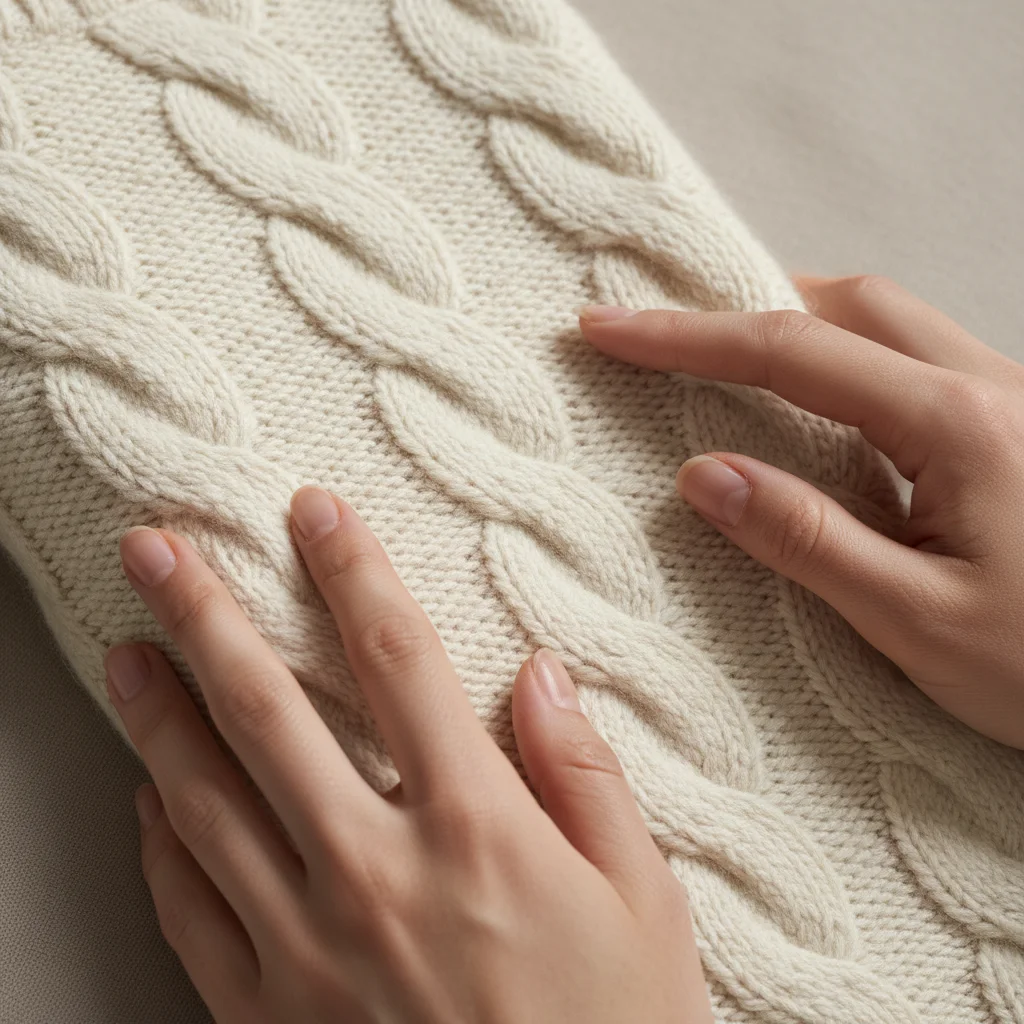
Furthermore, the quiet luxury market will see an increased interest in repair and restoration services. Instead of discarding worn items, consumers will seek to extend their lifespan, reflecting a deeper appreciation for their possessions and a commitment to sustainable consumption. Brands that offer in-house repair services or partner with skilled artisans for restoration will gain a significant competitive edge. This not only reinforces the longevity aspect but also fosters a deeper connection between the consumer and the brand, building loyalty through trust and shared values.
Retailers will also need to adapt their inventory strategies. Instead of constantly churning out new collections, there will be a move towards offering core, perennial collections that are updated subtly over time. This reduces waste and allows consumers to build a cohesive, long-lasting wardrobe or home collection. The focus will be on curating a selection of enduring classics rather than chasing fleeting trends. This approach requires a deeper understanding of timeless design principles and a commitment to consistent quality over volume.
The emphasis on longevity also has implications for pricing. While quiet luxury items command a premium, consumers are increasingly evaluating the ‘cost per wear’ or ‘cost per use’. A higher upfront investment for an item that lasts for decades is often perceived as more economical and sustainable than repeatedly purchasing cheaper, disposable alternatives. Retailers should articulate this value proposition clearly, demonstrating how their products offer superior long-term returns compared to fast-fashion or mass-produced goods.
3. Experience Over Acquisition: The Rise of Bespoke and Curated Services
The third indicator points to a profound shift from the mere acquisition of goods to the pursuit of elevated experiences and highly personalized services. In 2026, quiet luxury will be less about what you own and more about how you experience it, and the bespoke nature of the services surrounding it. This is a crucial distinction for US retailers aiming to capture the discerning quiet luxury consumer.
Bespoke services will move beyond traditional tailoring to encompass a wider array of offerings. Imagine personalized styling consultations that focus on building a timeless wardrobe rather than pushing seasonal trends, or home design services that curate unique, handcrafted pieces rather than mass-produced furniture. The emphasis is on co-creation and customization, allowing consumers to feel a deeper connection to their purchases and ensuring that items perfectly meet their individual needs and preferences. This level of personalization is a hallmark of true luxury, as it demonstrates an understanding and respect for the individual’s unique taste and lifestyle.
Curated experiences will also play a significant role. This could involve exclusive access to artisan workshops, private viewings of new collections, or invitations to intimate events focused on craftsmanship and culture. These experiences offer more than just a product; they provide an opportunity for education, connection, and a deeper appreciation for the values that quiet luxury embodies. Retailers will invest in creating environments that foster these experiences, perhaps through in-store events, workshops, or partnerships with cultural institutions. The goal is to create a sense of community and belonging among like-minded individuals who appreciate the finer things in life, subtly and thoughtfully.
The sales associate’s role will evolve from a transaction facilitator to a trusted advisor. These individuals will possess deep product knowledge, an understanding of styling and design principles, and an ability to build genuine relationships with clients. They will be adept at understanding individual preferences and offering tailored recommendations, making the shopping experience feel less like a transaction and more like a personal consultation. This human element is critical in conveying the authenticity and personalized nature of quiet luxury. Training and retaining such skilled personnel will be a key challenge and opportunity for retailers.
Furthermore, technology will be leveraged to enhance these experiences without detracting from the human touch. Virtual styling sessions, augmented reality tools for custom design, and seamless online-to-offline integration will provide convenience and customization while maintaining the high-touch service expected by quiet luxury clientele. The digital presence of brands will reflect the same understated elegance and focus on quality as their physical counterparts, offering rich content that educates and inspires rather than simply advertises. This holistic approach ensures that the quiet luxury experience is consistent across all touchpoints, reinforcing the brand’s commitment to excellence and personalization.
4. Ethical Consumption and Subtle Storytelling
The fourth and perhaps most profound indicator of the quiet luxury trend in 2026 is the inextricable link between ethical consumption and subtle storytelling. Modern luxury consumers are not only seeking quality and discretion but also a clear conscience. They want to know that their purchases align with their values, whether those relate to environmental sustainability, fair labor practices, or community impact. This demand for ethical consumption pushes brands and retailers to engage in transparent and authentic storytelling.
Subtle storytelling focuses on the narrative behind the product without overt marketing or sensationalism. It’s about communicating the brand’s commitment to ethical sourcing, the skilled artisans who crafted the item, the low environmental footprint of its production, or the philanthropic initiatives it supports. This information is often conveyed through elegant brand websites, discreet tags, or knowledgeable sales associates, rather than loud advertising campaigns. The story adds a layer of meaning and value to the product, appealing to the quiet luxury consumer’s desire for authenticity and purpose-driven consumption.

Retailers in the US will increasingly highlight certifications and accreditations that validate their ethical claims. This could include fair trade certifications, organic standards, or certifications for sustainable manufacturing processes. These external validations provide consumers with the assurance they seek, reinforcing trust in the brand’s commitment to responsible practices. The quiet luxury consumer is often well-informed and will actively seek out this information, making transparency a competitive advantage.
Beyond certifications, brands will engage in more nuanced forms of storytelling. This might involve short documentaries showcasing their production facilities, interviews with artisans, or detailed reports on their environmental impact. The goal is to build a narrative of integrity and responsibility that resonates with consumers who value substance over superficiality. This kind of storytelling is not about creating hype; it’s about building a reputation for genuine commitment to ethical practices, fostering a deeper, more meaningful connection with the brand.
Moreover, the concept of ‘giving back’ will become an integral part of the quiet luxury ethos. Brands that actively support social causes, invest in their communities, or contribute to environmental conservation efforts will find favor with discerning consumers. This isn’t about grand philanthropic gestures for PR; it’s about genuine, consistent efforts that are woven into the fabric of the brand’s identity. Consumers will be more likely to support brands that demonstrate a holistic approach to ethical business, seeing their purchases as a way to contribute to a better world.
This indicator also suggests a move away from hyper-consumerism. Ethical consumption within the quiet luxury framework encourages thoughtful purchases, reducing overall waste and promoting a more sustainable lifestyle. Retailers will emphasize the long-term value and positive impact of their products, positioning them as conscious investments rather than disposable commodities. The shift towards ethical consumption and subtle storytelling is not just a trend; it’s a reflection of evolving societal values and a growing demand for businesses to operate with integrity and purpose.
The Enduring Appeal of Quiet Luxury
The rise of quiet luxury in 2026 is not merely a stylistic shift; it represents a deeper evolution in consumer values and expectations within the US retail landscape. It’s a move towards a more discerning, responsible, and self-assured approach to luxury. The four indicators we’ve explored – unbranded excellence, prioritization of longevity, experience over acquisition, and ethical consumption with subtle storytelling – collectively paint a picture of a future where luxury is defined by intrinsic quality, thoughtful design, and a profound respect for both people and planet.
For retailers, embracing quiet luxury means re-evaluating every aspect of their operations, from product design and material sourcing to marketing strategies and customer service. It requires a commitment to authenticity, transparency, and a willingness to invest in craftsmanship and sustainable practices. Brands that successfully navigate this shift will move beyond selling products to selling a philosophy – a philosophy of understated elegance, enduring value, and responsible consumption. This approach not only resonates with a growing segment of affluent consumers but also builds brand loyalty that transcends fleeting trends.
The quiet luxury consumer is sophisticated, informed, and values substance over superficiality. They are seeking products and experiences that enrich their lives without ostentation, that reflect their personal values, and that offer lasting satisfaction. By understanding and adapting to these subtle yet powerful indicators, US retailers can position themselves at the forefront of this transformative movement, ensuring relevance and success in the evolving world of luxury. The future of luxury is not loud; it is quiet, confident, and profoundly impactful.