Sustainable Style on a Shoestring Budget: 4 Key Strategies for 2026 to Reduce Spending by 30%
Sustainable Style on a Shoestring Budget: 4 Key Strategies for 2026 to Reduce Spending by 30%
In an era increasingly defined by environmental consciousness and economic prudence, the concept of sustainable fashion budget has transitioned from a niche concern to a mainstream imperative. As we look towards 2026, the urgency to adopt more responsible consumption habits in our wardrobes is undeniable. Fast fashion’s rapid production cycles, exploitative labor practices, and colossal waste generation have cast a long shadow over the industry. However, the good news is that embracing sustainable style doesn’t have to break the bank. In fact, with the right strategies, you can not only elevate your personal style but also significantly reduce your fashion spending, potentially by as much as 30% or more.
This comprehensive guide will delve into four key strategies designed to help you cultivate a truly sustainable wardrobe without compromising your financial goals. We’ll explore how mindful choices, innovative shopping methods, and a shift in perspective can empower you to look good, feel good, and do good for the planet and your wallet. Prepare to transform your approach to fashion and discover the liberating power of a conscious closet.
The Paradigm Shift: Why Sustainable Fashion Budget Matters Now More Than Ever
Before we dive into the practical strategies, it’s crucial to understand the ‘why’ behind the growing emphasis on a sustainable fashion budget. The fashion industry is one of the largest polluters globally, responsible for significant greenhouse gas emissions, water pollution, and textile waste. From the cultivation of resource-intensive crops like cotton to the dyeing and finishing processes that release toxic chemicals, every stage of a garment’s lifecycle has an environmental footprint. Moreover, the human cost of fast fashion, often involving poor working conditions and unfair wages in developing countries, cannot be ignored.
Consumers are becoming increasingly aware of these issues, leading to a demand for greater transparency and ethical practices. This shift isn’t just about altruism; it’s also about smart economics. Investing in high-quality, durable, and ethically produced clothing, even if it means a higher upfront cost, often proves more cost-effective in the long run. These items last longer, require less frequent replacement, and retain their value better, aligning perfectly with the principles of a savvy sustainable fashion budget.
Beyond the environmental and ethical considerations, there’s a personal benefit to adopting a sustainable approach to your wardrobe. It encourages a more thoughtful and deliberate relationship with your clothes. Instead of impulsive purchases driven by fleeting trends, you’ll learn to appreciate craftsmanship, versatility, and personal expression. This leads to a more cohesive wardrobe that truly reflects who you are, reducing decision fatigue and increasing confidence. By 2026, those who have embraced these principles will not only be contributing to a healthier planet but also enjoying a more fulfilling and economically sound personal style journey.
Strategy 1: Embrace the Second-Hand Revolution – Your Wallet’s Best Friend
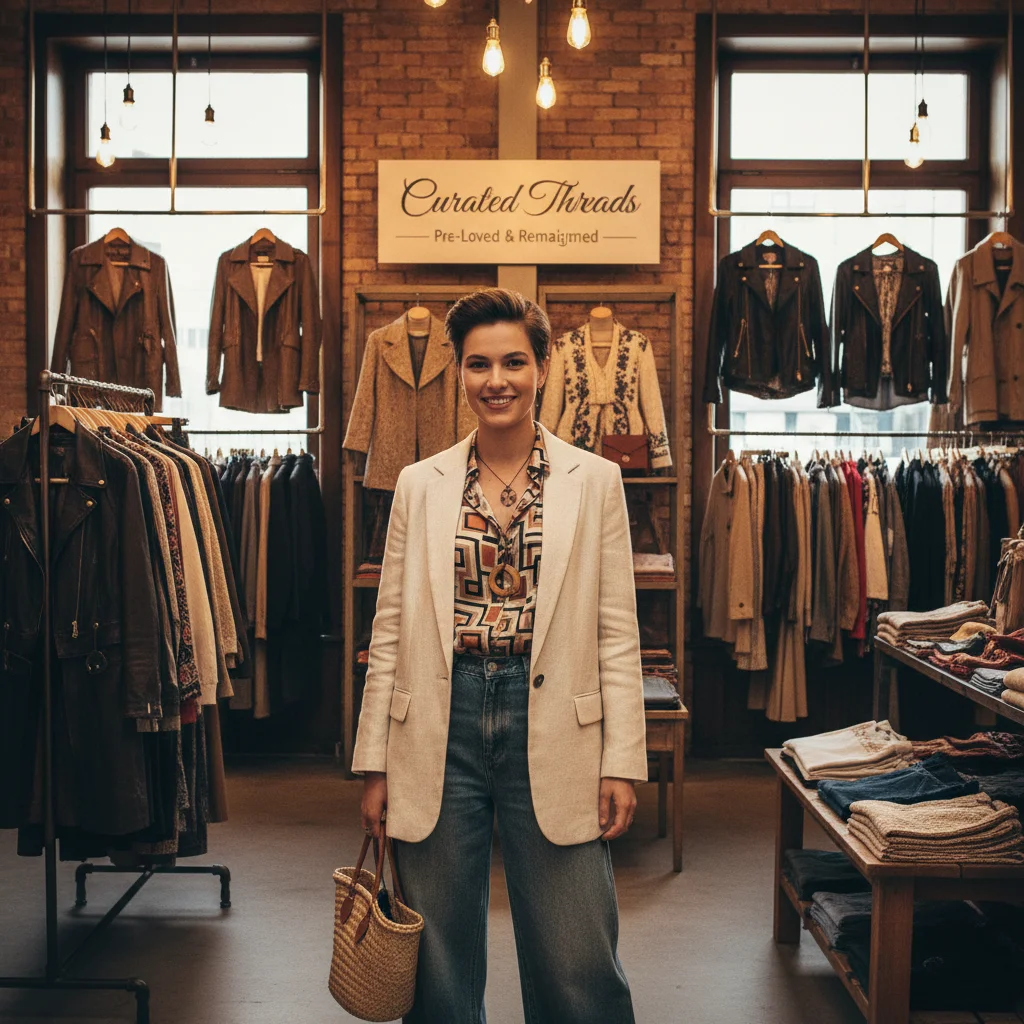
The first and arguably most impactful strategy for achieving a sustainable fashion budget is to wholeheartedly embrace the second-hand revolution. This isn’t just about finding a bargain; it’s about giving clothes a second life, drastically reducing demand for new production, and minimizing textile waste. The market for pre-loved clothing has exploded, offering more options than ever before, both online and in physical stores.
Thrift Stores and Charity Shops: The Original Treasure Troves
Traditional thrift stores and charity shops remain cornerstones of sustainable shopping. These establishments offer an unparalleled variety of garments at incredibly low prices. The key to successful thrifting is patience and a keen eye. Look for quality fabrics, classic silhouettes, and items that can be easily altered or repaired. Don’t be afraid to venture into different neighborhoods, as each store often has a unique inventory reflecting its local community. Regular visits are also crucial, as stock rotates frequently. Many of my most cherished and compliments-garnering pieces have come from these unassuming havens of pre-loved fashion, proving that style doesn’t have to come with a hefty price tag.
Online Resale Platforms: Global Wardrobe at Your Fingertips
The digital age has brought the second-hand market directly to our screens. Platforms like Depop, Vinted, Poshmark, and ThredUp have revolutionized how we buy and sell pre-owned clothing. These sites allow you to search for specific brands, sizes, and styles, making it easier to find exactly what you’re looking for. You can often snag designer pieces at a fraction of their original cost, or discover unique vintage finds that would be impossible to locate otherwise. The convenience of having a global market of pre-loved items at your fingertips makes these platforms indispensable for a modern sustainable fashion budget.
Consignment Stores: Curated Quality
For those who prefer a more curated shopping experience, consignment stores offer a middle ground between thrift stores and traditional retail. These stores typically accept higher-quality, often designer, items and sell them on behalf of the original owner, taking a percentage of the sale. This means you’ll find clothes that have been carefully vetted for quality and condition, often in excellent shape. While prices might be slightly higher than a typical thrift store, they are still significantly lower than buying new, making them an excellent option for building a sophisticated wardrobe on a sustainable fashion budget.
The Benefits Beyond Savings
Beyond the obvious financial savings (which can easily contribute to that 30% reduction in spending), buying second-hand offers several other advantages. It’s a fantastic way to develop a unique personal style, as you’re not limited to current trends dictated by fast fashion retailers. You’re also actively participating in the circular economy, reducing waste, and conserving resources like water and energy that would be used to produce new garments. This conscious choice is a powerful statement against the throwaway culture and a cornerstone of a truly sustainable fashion budget.
Strategy 2: Cultivate a Capsule Wardrobe – Less is More, Smarter is Better
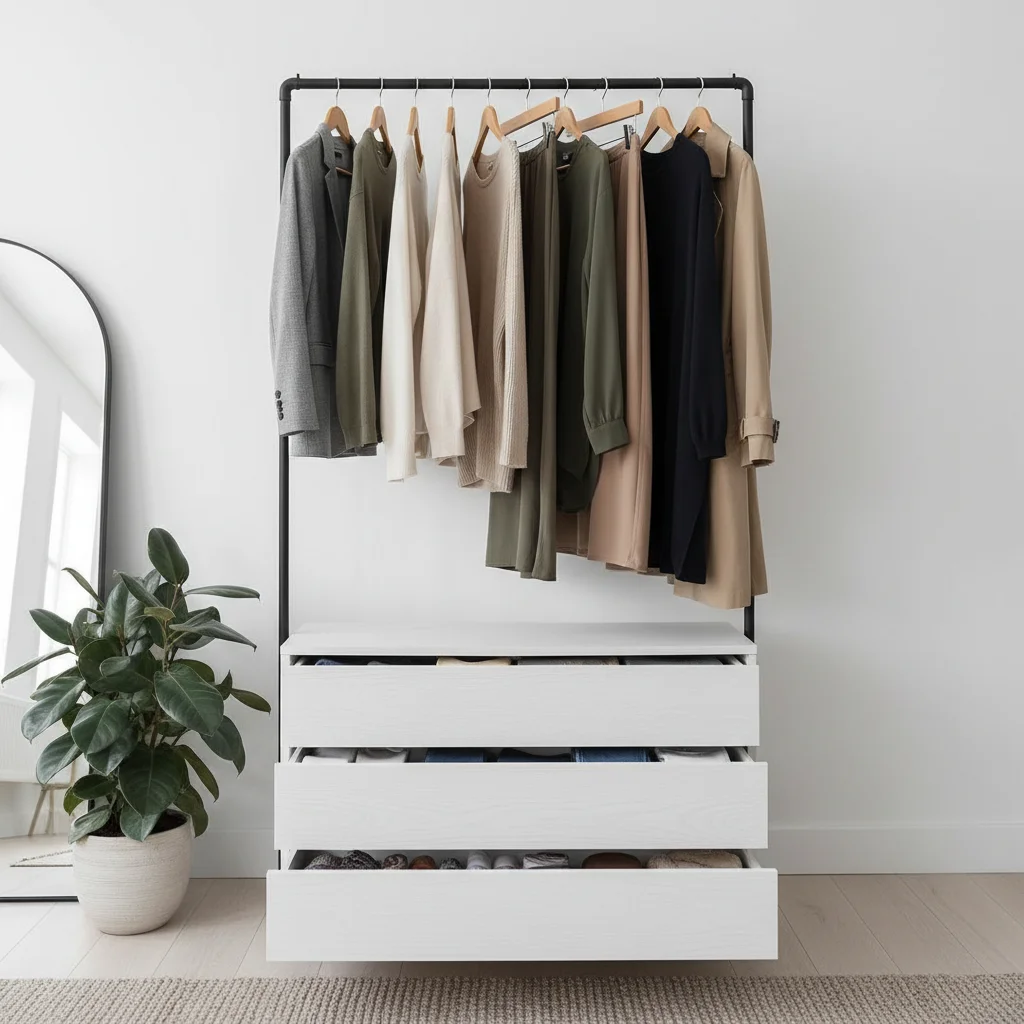
The concept of a capsule wardrobe is a game-changer for anyone aiming for a sustainable fashion budget. It involves creating a collection of versatile, high-quality, and interchangeable clothing items that can be mixed and matched to create numerous outfits for various occasions. The core principle is ‘less is more,’ focusing on quality over quantity and timeless pieces over fleeting trends.
Defining Your Style and Needs
The first step in building a capsule wardrobe is self-reflection. What are your daily activities? What colors and silhouettes make you feel confident? What is your personal style aesthetic? Understanding your lifestyle and preferences will help you identify the essential pieces you truly need. For example, if you work in a professional office, your capsule will lean towards tailored pieces, whereas if you have a more casual lifestyle, comfortable yet chic basics will be paramount. This thoughtful approach prevents impulse buys and ensures every item serves a purpose, optimizing your sustainable fashion budget.
The Power of Versatility and Quality
When selecting items for your capsule, prioritize versatility. A classic white shirt, for instance, can be dressed up with a blazer and trousers or dressed down with jeans. Look for neutral colors that can be easily combined with each other, and then add a few accent pieces in colors or patterns you love. Crucially, invest in quality. While it might seem counterintuitive for a budget-conscious approach, high-quality garments made from durable materials like organic cotton, linen, Tencel, or responsibly sourced wool will last significantly longer than their cheaper, fast-fashion counterparts. This reduces the need for frequent replacements, saving you money in the long run and aligning perfectly with a sustainable fashion budget.
Steps to Building Your Capsule Wardrobe:
- Declutter Ruthlessly: Go through your entire wardrobe. Ask yourself: Have I worn this in the last year? Does it fit well? Does it make me feel good? Is it versatile? Be honest and create piles for ‘keep,’ ‘donate/sell,’ and ‘repair.’
- Identify Gaps: Once you have your ‘keep’ pile, identify any essential items you’re missing. This is where your shopping list comes in – and remember Strategy 1 for filling those gaps!
- Set a Realistic Number: While there’s no magic number, many capsule wardrobes range from 30-50 items, including shoes and outerwear, but excluding intimates, sleepwear, and activewear. Adjust this to suit your lifestyle.
- Seasonal Rotation: Consider creating seasonal capsules. Store off-season items to keep your current wardrobe manageable and fresh. This also helps prolong the life of your garments.
By adopting a capsule wardrobe approach, you’ll experience less decision fatigue, clearer closet space, and a significantly reduced desire for new purchases. This strategic minimalism is a powerful tool for maintaining a sustainable fashion budget while cultivating a sophisticated and intentional personal style.
Strategy 3: Master the Art of Repair and Upcycling – Extend Life, Reduce Waste
One of the most overlooked aspects of a truly sustainable fashion budget is the longevity of your existing clothes. Instead of discarding items at the first sign of wear and tear, mastering basic repair skills and exploring upcycling opportunities can dramatically extend the life of your wardrobe, saving you money and reducing your environmental impact.
Basic Repairs: Small Efforts, Big Impact
Many common clothing issues are easily fixable with a little know-how. Learning how to sew on a button, mend a small tear, or re-hem a pair of trousers can save an item from the landfill and save you the cost of replacement. Online tutorials, local sewing classes, and even community workshops can teach you these fundamental skills. Investing in a basic sewing kit with needles, thread, scissors, and a few buttons is a minimal expense that yields significant returns over time. For more complex repairs, seek out local tailors or alteration shops. Supporting these small businesses also aligns with a more localized and sustainable economy, reinforcing your sustainable fashion budget goals.
Upcycling and Customization: Unleash Your Creativity
Upcycling takes repair a step further by transforming an old or unwanted garment into something new and exciting. This could involve dyeing a faded shirt, adding embroidery to a plain jacket, cutting old jeans into shorts, or even deconstructing multiple items to create a completely new piece. Upcycling not only gives your clothes a fresh lease on life but also allows you to inject your personal creativity into your wardrobe, making your style truly unique. Think of that oversized men’s shirt found at a thrift store that can be cinched with a belt or cropped into a stylish top. The possibilities are endless, and the only cost is your time and imagination, making it an incredibly powerful tool for a sustainable fashion budget.
Caring for Your Clothes: The First Line of Defense
Prevention is always better than cure. Proper garment care is fundamental to extending the life of your clothing. This includes:
- Washing Less: Not every item needs to be washed after every wear. Airing out clothes can often suffice.
- Following Care Labels: Pay attention to washing instructions (temperature, cycle, drying method) to prevent damage.
- Using Cold Water: Cold water washing conserves energy and is gentler on fabrics.
- Air Drying: Tumble dryers consume a lot of energy and can be harsh on clothes, causing them to wear out faster.
- Proper Storage: Store clothes appropriately to prevent stretching, fading, or damage (e.g., hanging delicate items, folding knits).
By integrating repair, upcycling, and diligent care into your routine, you’ll drastically reduce the frequency of needing new clothes, directly contributing to your goal of a 30% reduction in fashion spending and solidifying your commitment to a sustainable fashion budget.
Strategy 4: Support Ethical and Sustainable Brands – Invest Wisely, Shop Less
While second-hand shopping and extending the life of existing garments are paramount, there will inevitably be times when you need to purchase something new. When these occasions arise, the fourth key strategy for a sustainable fashion budget is to consciously choose ethical and sustainable brands. This means supporting companies that prioritize fair labor practices, environmentally friendly production methods, and high-quality, durable materials.
Understanding What Makes a Brand Sustainable
Navigating the world of sustainable brands can be complex, as ‘greenwashing’ (companies making misleading claims about their environmental practices) is prevalent. Look for brands that are transparent about their supply chains, from raw material sourcing to manufacturing processes. Key indicators of genuine sustainability include:
- Certifications: Look for certifications like GOTS (Global Organic Textile Standard) for organic fibers, Fair Trade for ethical labor, Oeko-Tex Standard 100 for harmful substance testing, or B Corp certification for overall social and environmental performance.
- Material Choices: Brands using eco-friendly materials such as organic cotton, recycled polyester, Tencel, modal, hemp, or innovative plant-based leathers are a good sign.
- Circular Economy Principles: Some brands offer repair services, take-back programs for old garments, or design for recyclability, actively participating in a circular model.
- Ethical Labor Practices: Companies that ensure fair wages, safe working conditions, and no child labor are crucial. Transparency reports are a good resource.
- Small Batch Production: Many sustainable brands produce in smaller batches to avoid overproduction and waste.
While these items might have a higher upfront cost, remember the principles of the capsule wardrobe: you’re investing in fewer, better items that will last. This aligns perfectly with a long-term sustainable fashion budget.
Research and Resources for Ethical Shopping
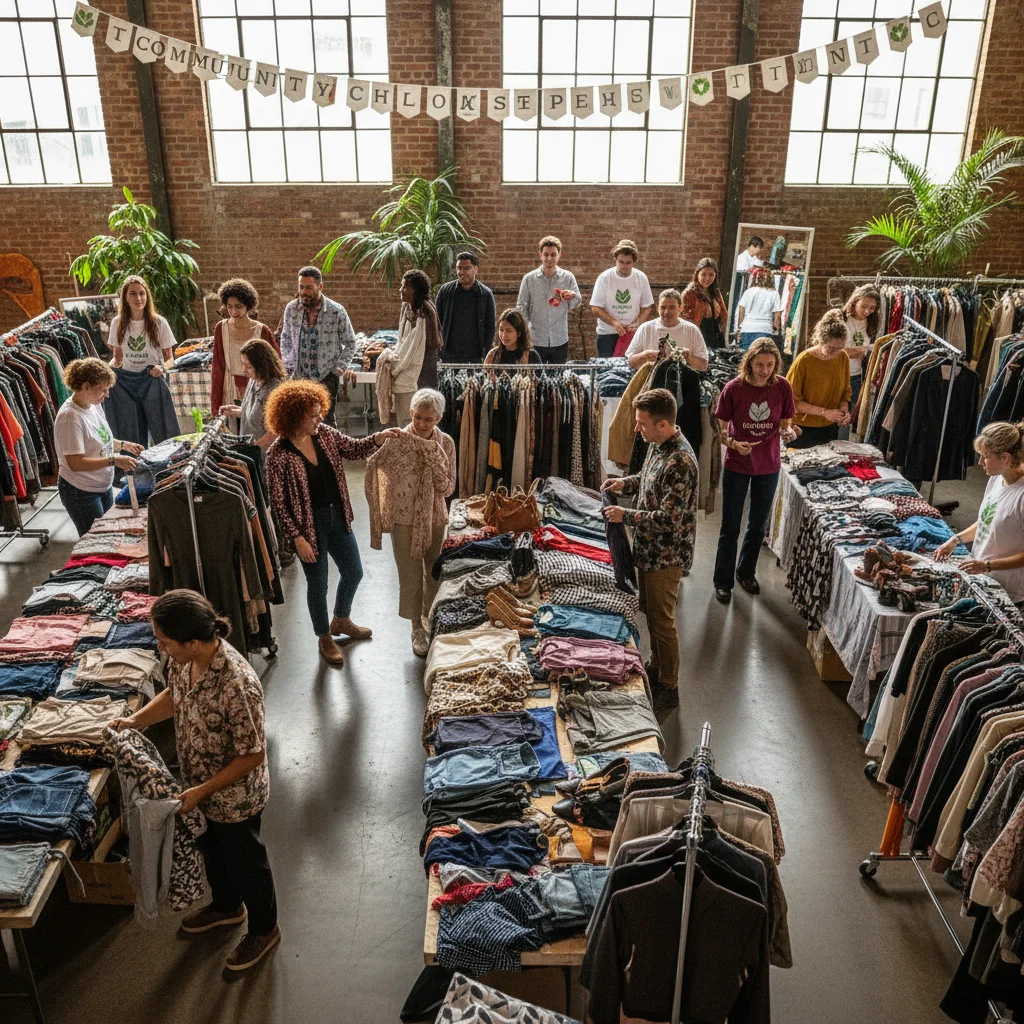
Several online resources can help you identify truly sustainable brands. Websites like Good On You provide detailed ratings of fashion brands based on their impact on people, the planet, and animals. Sustainable fashion blogs and directories are also excellent sources of information. Take the time to research before making a purchase. Consider it an investment in your wardrobe, your values, and the future of the planet, all while maintaining a smart sustainable fashion budget.
The Power of Your Purchase
Every dollar you spend is a vote for the kind of world you want to live in. By consciously choosing to support ethical and sustainable brands, even occasionally, you send a clear message to the industry that consumers demand better. This collective power can drive systemic change, making sustainable practices the norm rather than the exception. When you need to buy new, make it count. Make it an item that truly adds value to your existing wardrobe, is made to last, and aligns with your commitment to a sustainable fashion budget.
Beyond the 4 Strategies: Cultivating a Mindset for Long-Term Sustainable Fashion Budget Success
Implementing these four strategies is a robust starting point, but true success in maintaining a sustainable fashion budget by 2026 and beyond also requires a fundamental shift in mindset. It’s about transforming your relationship with clothing from one of fleeting consumption to one of mindful appreciation and intentionality.
Practice Mindful Consumption
Before every purchase, pause and ask yourself: Do I truly need this? Does it align with my existing wardrobe? Will I wear it at least 30 times? Is it made to last? This simple act of mindful questioning can curb impulse buying and ensure that every new item (whether second-hand or ethically new) is a well-considered addition. This reflective approach is key to achieving that 30% reduction in spending.
Embrace Slow Fashion
Reject the relentless cycles of fast fashion trends. Instead, cultivate a personal style that transcends seasonal fads. Focus on timeless pieces, classic silhouettes, and colors that genuinely suit you. Slow fashion isn’t just about how clothes are made; it’s about how you consume them – thoughtfully, sparingly, and with longevity in mind. This inherently supports a sustainable fashion budget.
Become a Fashion Advocate
Share your journey and knowledge with friends and family. Engage in conversations about sustainable fashion. Recommend your favorite second-hand shops or ethical brands. The more people who adopt these practices, the greater the collective impact, and the more accessible and affordable sustainable options will become for everyone. Your individual choices contribute to a larger movement.
Value Experiences Over Possessions
Shift your focus from accumulating material possessions to valuing experiences. Instead of spending your hard-earned money on another fleeting fashion item, consider investing in travel, skill-building workshops, or quality time with loved ones. This broader perspective naturally reduces the desire for constant consumption and reinforces your commitment to a sustainable fashion budget.
Conclusion: Your Path to a Stylish and Sustainable 2026
Achieving a sustainable fashion budget by 2026, with the ambitious goal of reducing spending by 30%, is not only achievable but also incredibly rewarding. By embracing the second-hand revolution, cultivating a versatile capsule wardrobe, mastering repair and upcycling, and making conscious choices when supporting new brands, you are actively participating in a more ethical and environmentally friendly fashion ecosystem.
These strategies empower you to take control of your spending, express your unique style, and contribute to a healthier planet. Imagine a wardrobe filled with cherished items, each with a story, each chosen with intention, and all acquired without financial strain or environmental guilt. This is the promise of sustainable style on a shoestring budget. Start implementing these strategies today, and step into 2026 with a wardrobe that reflects your values, your style, and your financial wisdom. The future of fashion is conscious, and it begins with you.