Metaverse Fashion Trends: Shaping US Apparel 2026
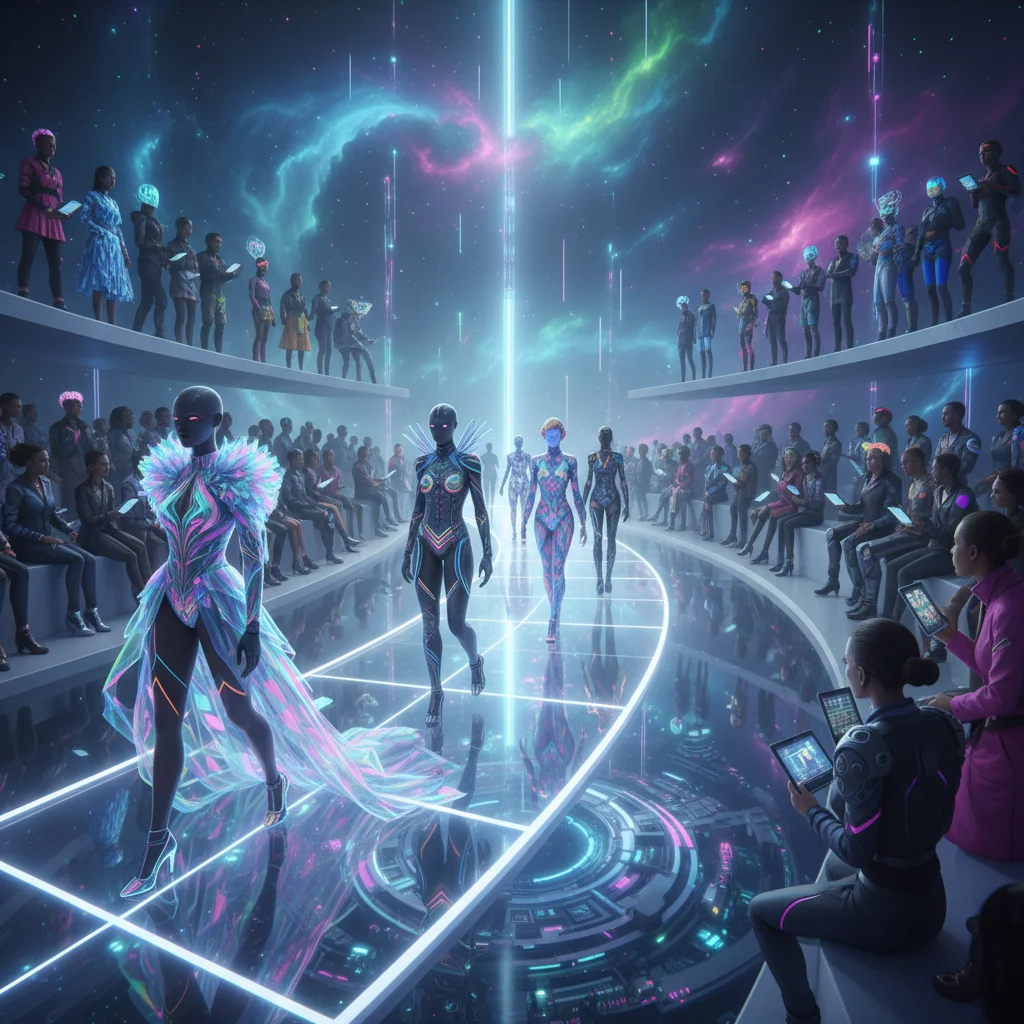
The Metaverse and Fashion: 2 Virtual Trends Influencing Physical Apparel Choices in the US for 2026
The dawn of the metaverse has ushered in an unprecedented era of innovation, not least within the realm of fashion. What once seemed like science fiction is now a tangible digital reality, where virtual identities are meticulously crafted and adorned with digital garments. These metaverse fashion trends are no longer confined to the digital sphere; they are increasingly bleeding into the physical world, profoundly influencing real-world apparel choices, particularly in the United States. As we look towards 2026, the symbiotic relationship between virtual and physical fashion is set to solidify, redefining how consumers perceive, purchase, and wear clothing. This comprehensive exploration delves into two pivotal virtual trends emerging from the metaverse that are poised to significantly impact physical apparel choices across the US by 2026, alongside the broader implications for the fashion industry.
The Rise of Digital Identity and Hyper-Personalization: A New Era for Self-Expression
One of the most profound metaverse fashion trends influencing physical apparel is the burgeoning importance of digital identity and the subsequent demand for hyper-personalization. In the metaverse, users have unparalleled freedom to construct their ideal selves, unconstrained by physical limitations or societal norms. This ability to create unique, often fantastical, digital personas naturally extends to their avatars’ clothing. Users are experimenting with styles, colors, and textures that might be too bold, impractical, or expensive in the real world.
Unleashing Creativity in the Virtual Realm
The metaverse provides a sandbox for boundless creativity. Individuals can wear anything from gravity-defying gowns to pixelated armor, or even garments that change color and texture dynamically. This constant exposure to novel and imaginative designs through gaming platforms, virtual social spaces, and NFT marketplaces is recalibrating consumer expectations for self-expression. When users return to the physical world, their virtual experiences foster a desire for similar levels of individuality and customization in their physical wardrobes. This isn’t just about replicating digital outfits; it’s about translating the *ethos* of virtual self-expression into tangible clothing.
The Demand for Unique Physical Pieces
As a direct consequence of this virtual experimentation, US consumers are increasingly seeking out physical apparel that allows for greater personalization. Mass-produced clothing, while still dominant, is facing growing competition from bespoke services, limited-edition drops, and brands that offer customizable elements. The desire to stand out, to reflect a unique personality forged in the metaverse, drives this shift. We can expect to see a surge in demand for:
- Modular Clothing: Garments with interchangeable parts, allowing wearers to mix and match elements for a personalized look.
- Customization Options: Brands offering extensive options for color, fabric, embroidery, and fit, moving beyond basic alterations.
- Unique Prints and Graphics: Designs that mirror the bold, often abstract or futuristic aesthetics popular in digital fashion.
- Limited Edition Collaborations: Partnerships between designers and digital artists, or even gaming franchises, resulting in highly coveted physical collections.
This trend is also fueled by the younger demographic, who are digital natives and spend considerable time cultivating their online personas. For them, the line between physical and digital self-expression is increasingly blurred, and their physical clothing choices are a direct extension of their virtual identities. Brands that can tap into this desire for hyper-personalization and unique self-expression, mirroring the freedom found in the metaverse, will undoubtedly capture a significant share of the US apparel market by 2026.
Gamified Fashion and Aesthetic Portability: From Pixels to Fabric
Another powerful force shaping physical apparel choices in the US is the gamification of fashion and the concept of aesthetic portability – the desire to bring virtual aesthetics into real life. Gaming, a cornerstone of the metaverse, has long influenced youth culture, and its impact on fashion is now more pronounced than ever. Metaverse fashion trends born within gaming environments are transcending the screen, becoming coveted styles in the physical world.
The Influence of Gaming Skins and Avatar Outfits
In countless online games, players invest significant time and money into customizing their characters with unique ‘skins’ or outfits. These digital garments often feature innovative designs, vibrant color schemes, and futuristic elements. The emotional connection players form with their avatars and their virtual wardrobes is strong. When a particular gaming aesthetic becomes popular, players naturally desire to express that same style in their physical lives. This leads to a demand for:
- Gaming-Inspired Apparel: Clothing featuring direct references to popular games, characters, or in-game aesthetics. This goes beyond simple merchandise and includes sophisticated design interpretations.
- "Techwear" and Functional Fashion: The utility and futuristic aesthetic often seen in gaming outfits, characterized by multiple pockets, durable fabrics, adjustable straps, and sleek designs, are becoming mainstream.
- "Digital Grunge" or "Cyberpunk" Aesthetics: Styles that blend dystopian sci-fi elements with street fashion, often incorporating dark palettes, metallic accents, and unconventional silhouettes.
Brands are already taking notice, collaborating with game developers and e-sports teams to create physical collections that resonate with this audience. These collaborations are not just about branding; they are about understanding the aesthetic language of the metaverse and translating it into wearable physical fashion. The authenticity of these collaborations is key, as consumers are savvy and can distinguish between genuine inspiration and superficial marketing.
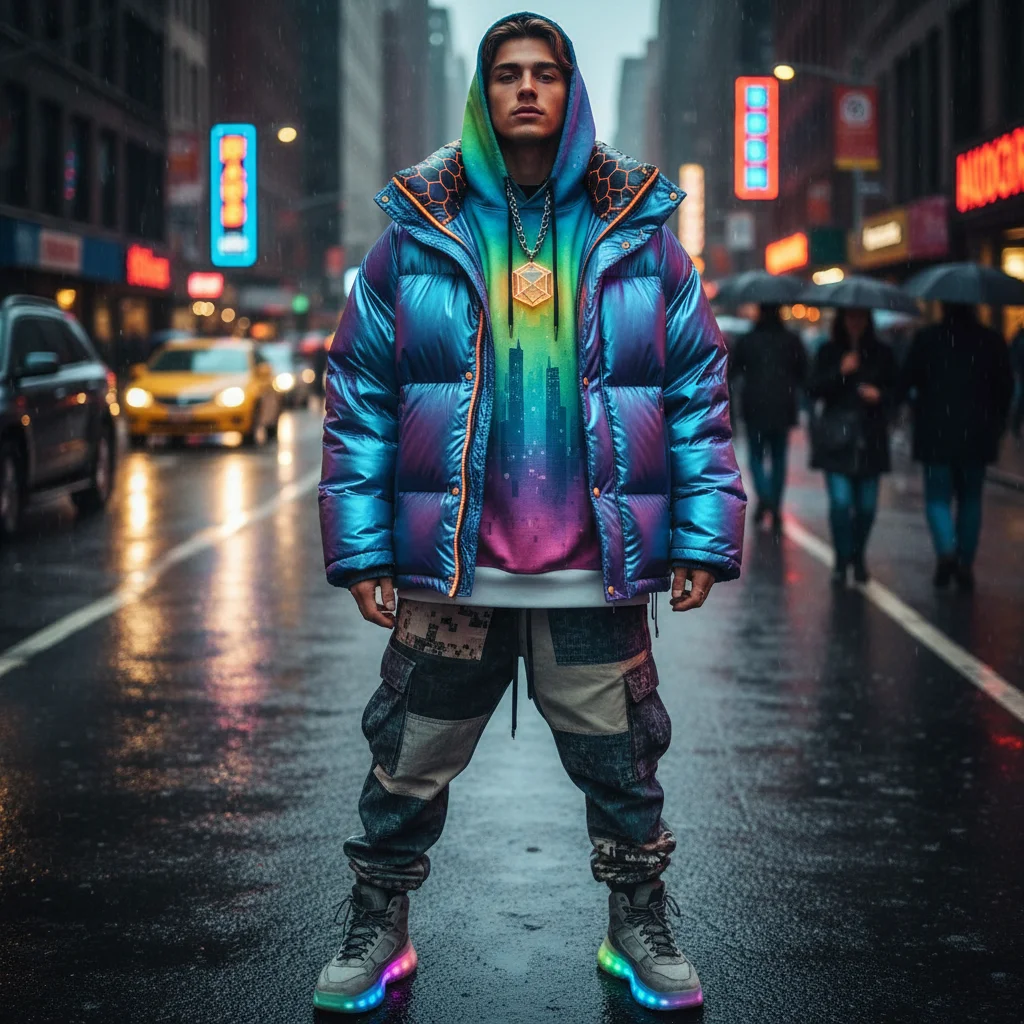
Aesthetic Portability: The Blurring of Lines
Aesthetic portability refers to the seamless transition of visual styles and design principles from the virtual world to the physical. As users spend more time in visually rich metaverse environments, their aesthetic sensibilities are being shaped by these digital experiences. This means that what looks good on an avatar in a virtual world can influence what they consider fashionable in the real world. For example, the exaggerated silhouettes, bold color blocking, and intricate detailing often seen in digital fashion are finding their way into physical collections. These metaverse fashion trends challenge traditional design norms and push the boundaries of what is considered wearable.
Furthermore, the concept of "phygital" fashion – where physical garments come with a corresponding digital twin or augmented reality experience – is gaining traction. This allows consumers to own a physical item and also showcase its digital counterpart in the metaverse, further blurring the lines and reinforcing the influence of virtual aesthetics on physical choices. By 2026, expect to see more brands offering phygital products, allowing consumers to fully embrace aesthetic portability.
Beyond the Trends: Broader Impacts on the US Apparel Market
The influence of metaverse fashion trends extends beyond specific styles and personalization. It is fundamentally altering the entire ecosystem of the US apparel market, from design and production to retail and consumption. Understanding these broader impacts is crucial for businesses aiming to thrive in this evolving landscape.
Sustainability and Ethical Production
The metaverse, by its very nature, offers a more sustainable alternative to physical fashion production. Digital garments require no physical resources, generate no waste, and have a significantly smaller carbon footprint. This inherent sustainability of digital fashion is raising consumer awareness about the environmental impact of traditional apparel. As consumers become more conscious of sustainability issues, influenced by the eco-friendly nature of their virtual wardrobes, they will increasingly demand more ethically produced and environmentally responsible physical clothing.
Brands that can demonstrate transparent supply chains, use sustainable materials, and adopt circular economy principles will gain a competitive advantage. The metaverse is, in a way, setting a new standard for sustainability in fashion, and physical brands will need to adapt to meet these evolving consumer expectations. This means a greater focus on:
- Recycled and Upcycled Materials: Incorporating materials derived from waste or existing garments.
- On-Demand Production: Reducing overproduction by manufacturing garments only when ordered.
- Local Sourcing and Manufacturing: Minimizing transportation emissions and supporting local economies.
- Longevity and Durability: Designing clothes that last longer, reducing the need for frequent replacements.
Innovative Retail Experiences
The immersive and interactive nature of the metaverse is also inspiring new retail experiences in the physical world. Traditional brick-and-mortar stores are looking to integrate augmented reality (AR) and virtual reality (VR) elements to offer more engaging shopping journeys. Imagine trying on clothes virtually before seeing them in person, or experiencing a brand’s narrative through an AR overlay in a physical store. These innovations, directly influenced by the metaverse’s capabilities, aim to bridge the gap between online and offline shopping, offering a "phygital" retail experience.
Pop-up stores that feature AR try-ons, virtual showrooms that allow customers to explore collections in 3D, and interactive displays that respond to consumer preferences are all examples of how the metaverse is pushing the boundaries of retail. By 2026, such blended experiences will likely become commonplace, enhancing customer engagement and driving sales in the US apparel market.
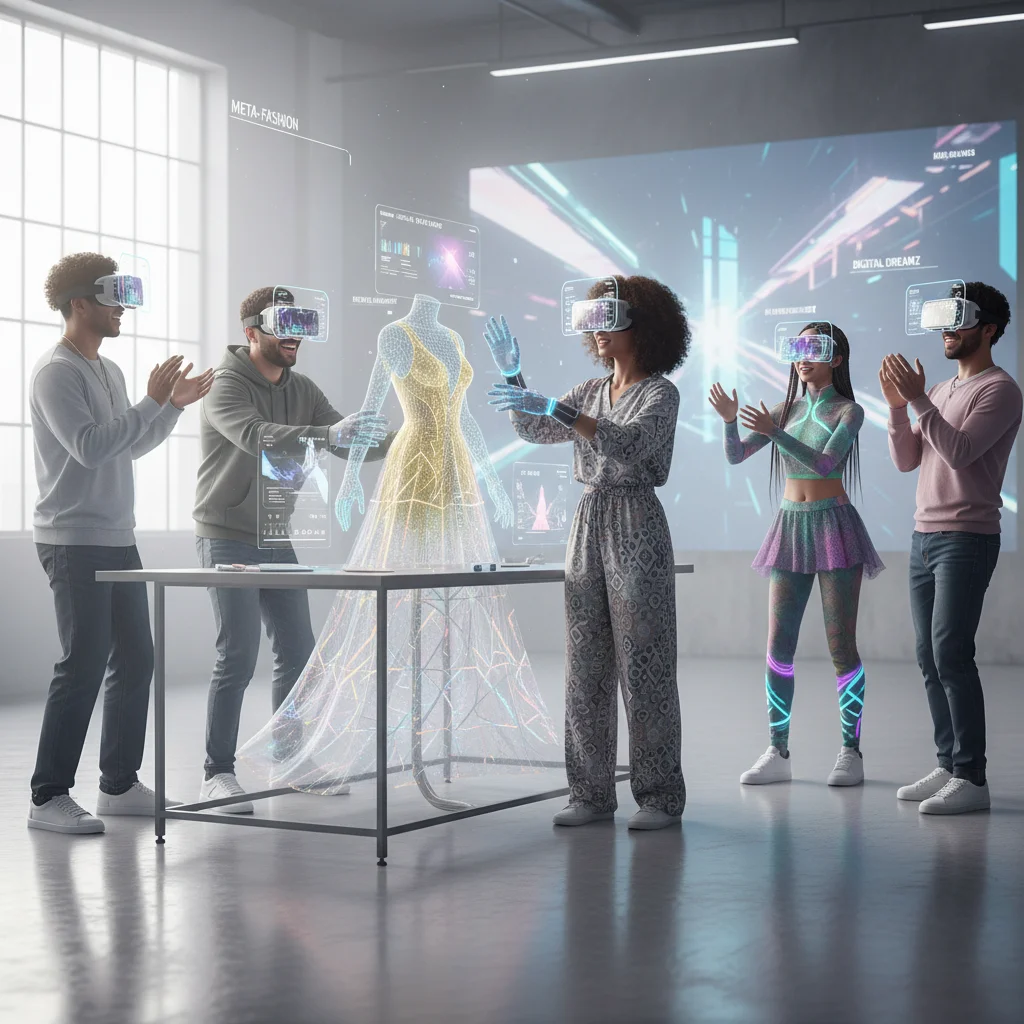
The Democratization of Design and Co-Creation
The metaverse empowers individuals to become creators, not just consumers. With accessible tools for 3D design and digital fashion creation, more people are designing their own virtual garments. This democratization of design is fostering a new generation of talent and shifting the traditional power dynamics of the fashion industry. Brands are increasingly exploring co-creation models, inviting consumers to participate in the design process for both digital and physical collections. This not only builds stronger community ties but also ensures that products are genuinely aligned with consumer desires.
By 2026, we can expect to see more brands launching open-source design challenges, enabling users to submit their own design ideas for physical apparel, or even creating platforms where users can customize existing designs to their liking. This collaborative approach, born from the open and participatory nature of the metaverse, will lead to more diverse, innovative, and consumer-centric fashion offerings.
Challenges and Opportunities for the US Apparel Industry
While the influence of metaverse fashion trends presents immense opportunities, it also comes with challenges for the US apparel industry. Brands must navigate intellectual property rights in the digital realm, develop new skill sets for digital design and marketing, and adapt their supply chains to meet evolving consumer demands.
Intellectual Property and Authenticity
Protecting intellectual property in the metaverse is a complex issue. As digital fashion becomes more prevalent, instances of counterfeiting and unauthorized replication will inevitably rise. Brands need robust strategies to safeguard their designs, both virtual and physical. Furthermore, maintaining authenticity in a world where digital and physical blur is paramount. Consumers value genuine connections and transparent practices, making it crucial for brands to bridge their virtual and physical presence authentically.
Technological Adoption and Skill Development
For many traditional apparel companies, embracing metaverse technologies requires significant investment in new software, hardware, and, most importantly, human capital. Designers, marketers, and product developers need to acquire skills in 3D modeling, AR/VR development, and blockchain technology. Companies that proactively invest in upskilling their workforce and adopting cutting-edge technologies will be better positioned to capitalize on these emerging trends.
Supply Chain Agility and Responsiveness
The rapid pace of metaverse fashion trends demands an agile and responsive supply chain. The traditional seasonal fashion calendar may become outdated as trends emerge and evolve almost instantaneously in the digital world. Brands will need to implement faster production cycles, leverage data analytics for real-time trend forecasting, and adopt flexible manufacturing processes to quickly bring metaverse-inspired designs to the physical market. This shift towards "see-now, buy-now" models, driven by digital immediacy, will be critical for success.
Conclusion: The Future is Phygital
The metaverse is not merely an alternative reality; it is a powerful catalyst reshaping our physical world, especially in fashion. The two virtual trends – the rise of digital identity and hyper-personalization, and gamified fashion with aesthetic portability – are fundamentally altering physical apparel choices in the US for 2026. Consumers, particularly younger demographics, are increasingly seeking clothing that reflects their unique digital personas, embodies gaming aesthetics, and aligns with their growing demand for sustainability.
The future of fashion is undeniably "phygital," a seamless blend of physical and digital experiences. Brands that embrace this convergence, innovate in design and retail, prioritize sustainability, and empower consumer co-creation will not only survive but thrive in this exciting new era. The influence of metaverse fashion trends is a testament to the power of digital innovation to inspire and transform, proving that what we wear in the virtual world is increasingly dictating what we choose to wear in the real one. The US apparel market in 2026 will be a vibrant reflection of this interconnected reality, where pixels and fabric intertwine to create truly expressive and personalized styles.