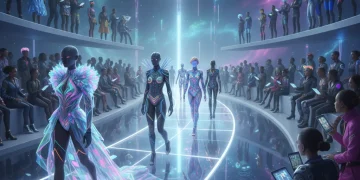
Decoding Gen Z’s Style Evolution: 7 Key Fashion Shifts Expected to Peak by Mid-2026 Across the US
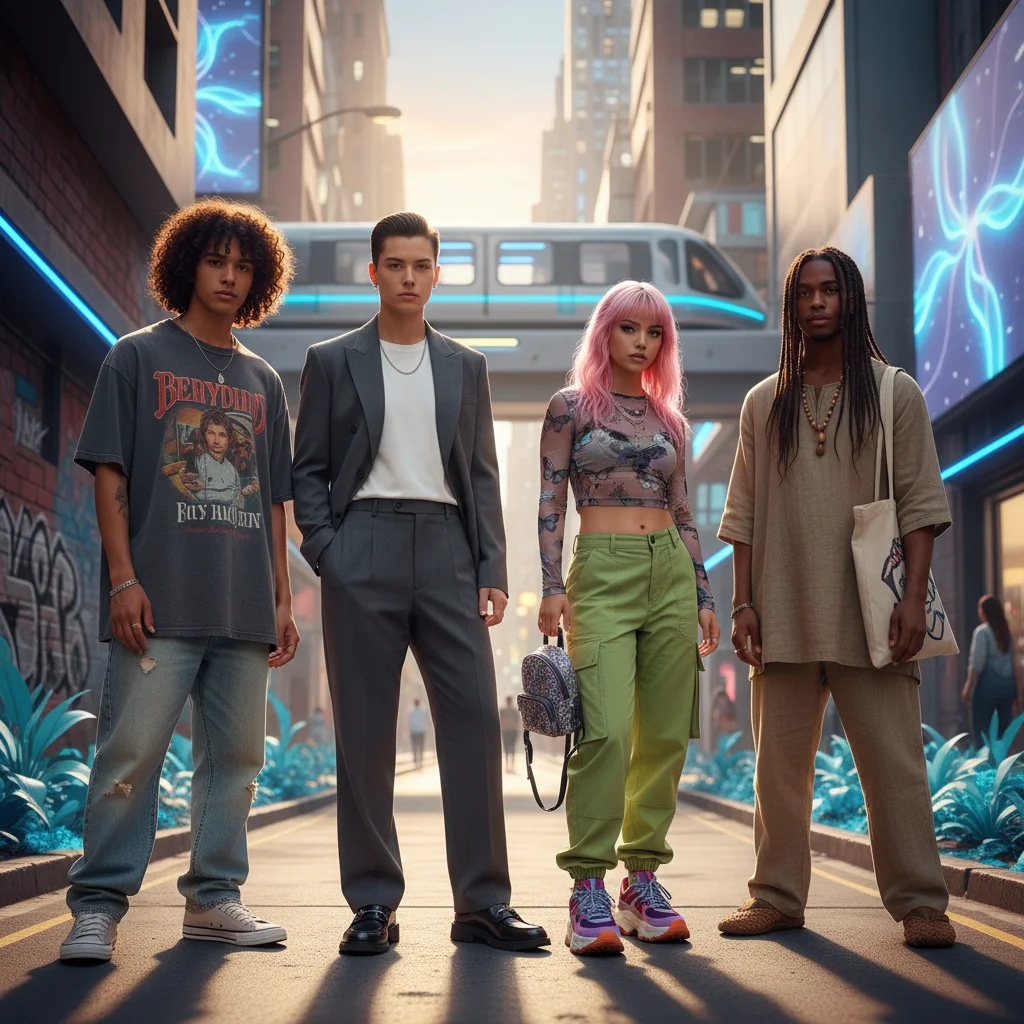
Gen Z, the demographic cohort born roughly between 1997 and 2012, is not just inheriting the world; they are actively reshaping it, especially when it comes to fashion. Their approach to style is a complex tapestry woven from digital influence, social consciousness, and a fierce desire for individual expression. Unlike previous generations, Gen Z has grown up in an always-on, hyper-connected world, where trends emerge, evolve, and dissipate at lightning speed. This constant digital immersion has created a generation of sartorial innovators who value authenticity, sustainability, and fluidity above all else. Understanding these shifts is crucial for anyone looking to stay relevant in the ever-changing fashion landscape.
The fashion industry, from high-end luxury houses to fast-fashion retailers, is scrambling to keep pace with the dynamic preferences of this powerful consumer group. Gen Z’s purchasing power is significant, and their influence extends far beyond their direct spending, dictating what’s ‘cool’ and what’s not for a wider audience. Their unique perspective on clothing as a form of self-expression, rather than just a means of covering the body, is driving a profound transformation in how fashion is designed, marketed, and consumed. This article will delve into Gen Z fashion trends, exploring seven key shifts that are not only dominant now but are expected to reach their peak influence by mid-2026 across the United States.
From the resurgence of Y2K aesthetics to the growing demand for gender-fluid designs and the undeniable push for sustainable practices, Gen Z is redefining what it means to be fashionable. These shifts are interconnected, often drawing inspiration from each other and reflecting broader societal changes. Prepare to uncover the intricate details of their style evolution, offering a comprehensive look at the trends that will define the next few years.
1. The Unstoppable Rise of Sustainable and Ethical Fashion
One of the most defining characteristics of Gen Z is their unwavering commitment to social and environmental causes. This commitment translates directly into their consumption habits, particularly in fashion. Fast fashion, once a dominant force, is increasingly viewed with skepticism and disdain by a generation acutely aware of its environmental and ethical shortcomings. Instead, Gen Z is championing sustainable and ethical fashion practices, driving a monumental shift in industry priorities.
By mid-2026, the demand for sustainable clothing options is expected to reach unprecedented levels. This isn’t just about buzzwords; it’s about tangible actions. Gen Z consumers are actively seeking out brands that prioritize eco-friendly materials, ethical labor practices, and transparent supply chains. They are willing to pay a premium for garments made from organic cotton, recycled polyester, hemp, and innovative bio-based fabrics. The concept of ‘circular fashion’ – where garments are designed for longevity, repair, reuse, and recycling – is gaining significant traction.
Second-hand shopping, thrifting, and vintage clothing are no longer niche activities but mainstream pursuits for Gen Z. Platforms like Depop, Poshmark, and The RealReal have seen exponential growth, fueled by this generation’s desire for unique, pre-loved items that reduce waste. The allure of vintage lies not only in its sustainability but also in its ability to offer distinctive pieces that stand out from mass-produced clothing. Upcycling and DIY fashion, where existing garments are transformed into new creations, also resonate deeply with Gen Z’s creative and eco-conscious spirit. This trend reflects a broader rejection of disposable fashion and a move towards a more mindful and responsible approach to personal style.
2. The Enduring Allure of Y2K and Nostalgic Revivals
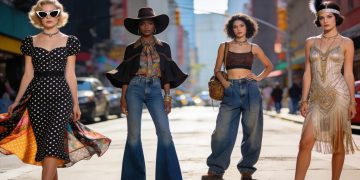
Despite being born primarily after the turn of the millennium, Gen Z has developed a deep fascination with the Y2K aesthetic and other nostalgic fashion eras. This isn’t just about rehashing old trends; it’s about reinterpreting them through a contemporary lens, adding a fresh, often ironic, twist. The early 2000s, with its vibrant colors, low-rise jeans, crop tops, tiny shoulder bags, butterfly clips, and velour tracksuits, has become a rich source of inspiration. This cyclical nature of fashion is nothing new, but Gen Z’s digital-native perspective amplifies and accelerates these revivals.
Social media platforms like TikTok are instrumental in driving these nostalgic waves. Viral challenges and aesthetic accounts quickly disseminate Y2K-inspired looks, making them accessible and aspirational to millions. Beyond Y2K, elements from the 90s (grunge, minimalist slip dresses) and even the late 80s (oversized blazers, power dressing with a relaxed fit) are being selectively pulled into Gen Z’s style lexicon. The appeal lies in the perceived carefree optimism of these past decades, offering an escape from current anxieties, while also providing a sense of individuality through vintage finds.
By mid-2026, we can expect to see a more refined and integrated version of these nostalgic revivals. Instead of a direct copy, Gen Z will likely blend Y2K elements with modern silhouettes and sustainable materials, creating a unique hybrid aesthetic. Think low-rise trousers crafted from organic denim, or a crop top paired with a tailored, gender-neutral blazer. This trend highlights Gen Z’s ability to cherry-pick elements from the past and creatively integrate them into their distinct personal narratives, making old new again with a conscious twist.
3. The Normalization of Gender-Fluid and Androgynous Styles
Gen Z is arguably the most open-minded and inclusive generation to date, particularly regarding gender identity and expression. This progressive outlook is profoundly impacting fashion, leading to the rapid normalization of gender-fluid and androgynous styles. The traditional binary divisions in clothing – ‘menswear’ and ‘womenswear’ – are becoming increasingly irrelevant to a generation that views fashion as a tool for authentic self-expression, unbound by conventional norms.
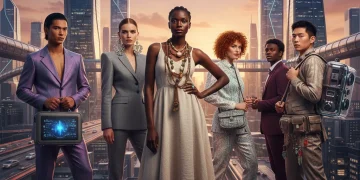
We are witnessing a significant shift towards clothing designed to be worn by anyone, regardless of their gender. Oversized silhouettes, relaxed fits, and neutral color palettes are becoming staples. Blazers, trousers, shirts, and even dresses are being reimagined as gender-neutral items, focusing on comfort, versatility, and personal style over predefined gender roles. Brands that embrace this fluidity are gaining immense popularity, as Gen Z actively seeks out clothing that reflects their diverse identities and values.
By mid-2026, gender-fluid fashion is expected to be a pervasive element in mainstream retail, not just a niche market. Many brands are already removing gender labels from their clothing lines or creating entirely unisex collections. This trend extends beyond just clothing to accessories, footwear, and even beauty products. Gen Z’s embrace of gender fluidity in fashion is a powerful statement about individuality and the rejection of societal constraints, paving the way for a more inclusive and expressive sartorial future.
4. The Dominance of Comfort-Driven and Loungewear-Inspired Aesthetics
The global events of recent years have undoubtedly accelerated the shift towards comfort in fashion, but for Gen Z, comfort has always been a priority. Growing up in an era where casualization is the norm, this generation seamlessly integrates elements of loungewear and athletic wear into their everyday outfits. The lines between ‘dressing up’ and ‘dressing down’ have blurred, giving rise to a sophisticated yet relaxed aesthetic that prioritizes ease of movement and tactile pleasure.
Oversized hoodies, baggy sweatpants, comfortable knitwear, and stylish leggings are no longer confined to the home or gym. They are integral components of street style, often paired with more structured pieces like tailored coats or chunky sneakers to create a balanced, effortlessly cool look. The emphasis is on soft fabrics, relaxed silhouettes, and versatile pieces that can transition seamlessly from a casual outing to a comfortable study session. This trend reflects Gen Z’s demanding, multi-faceted lifestyles, where comfort is not a luxury but a necessity.
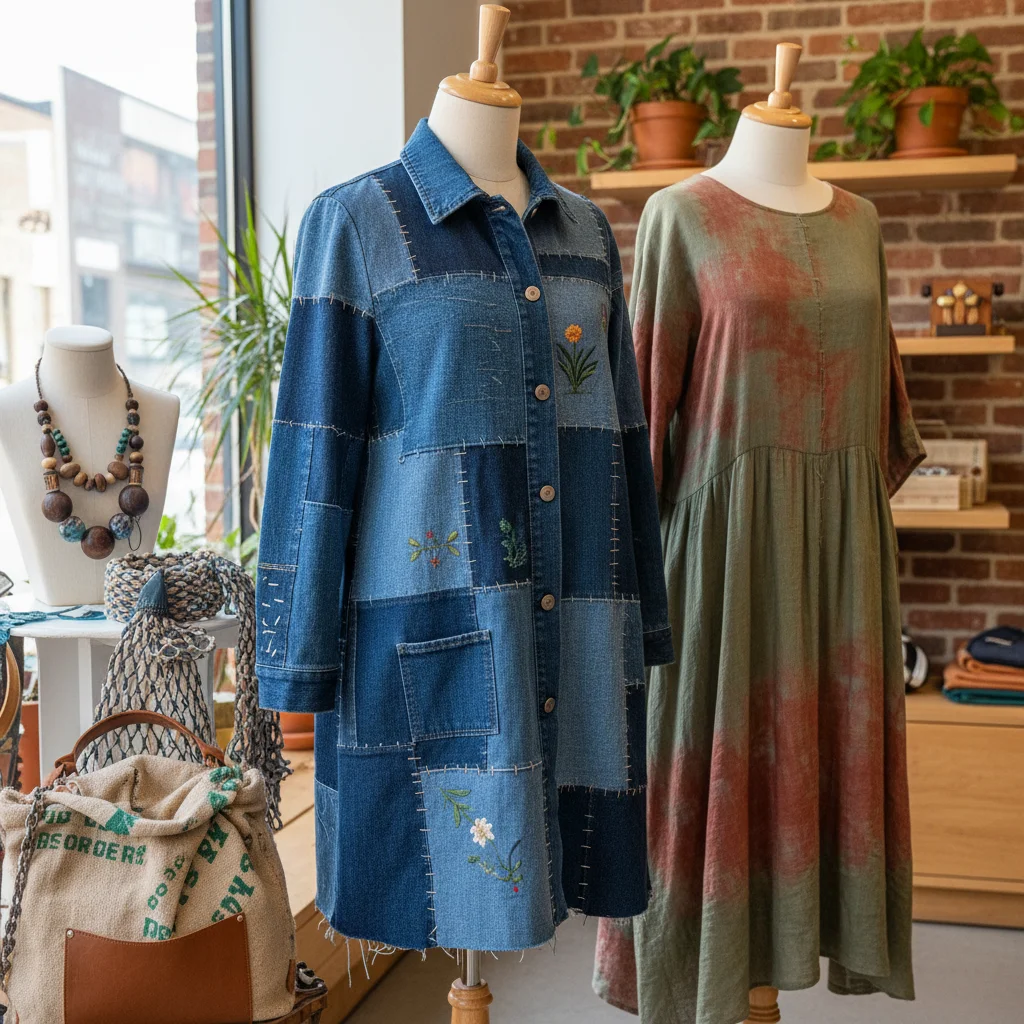
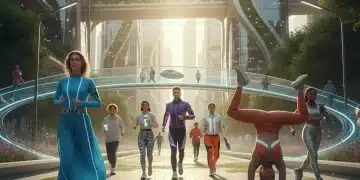
By mid-2026, we anticipate that comfort-driven aesthetics will continue to evolve, with an increased focus on elevated loungewear. This means more luxurious fabrics, refined cuts, and thoughtful details that make comfortable clothing feel more polished and intentional. The athleisure trend will also continue its strong run, with performance wear being integrated into daily wardrobes not just for function, but for its aesthetic appeal. Gen Z’s desire for comfort isn’t going anywhere; it’s simply becoming more sophisticated.
5. The Influence of Digital Culture and Hyper-Personalization
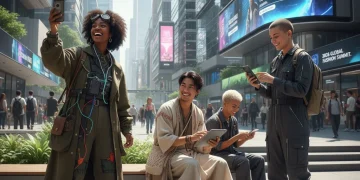
Gen Z is the first truly digital-native generation, and their online lives are intricately woven into their real-world identities. This digital immersion profoundly influences their fashion choices, fostering a culture of hyper-personalization and rapid trend cycles. Social media, particularly platforms like TikTok, Instagram, and Pinterest, serves as both a boundless source of inspiration and a powerful tool for self-expression.
Micro-trends emerge and spread globally within days, driven by influencers, viral content, and algorithmic recommendations. Gen Z actively participates in these trends, often putting their unique spin on them, showcasing their individuality within a collective movement. The concept of ‘main character energy’ – the desire to curate one’s life as if it were a compelling story – extends to fashion, where every outfit is an opportunity to express a personal narrative.
By mid-2026, the intersection of digital culture and fashion will become even more pronounced. Digital fashion, including NFTs and metaverse wearables, will likely gain more mainstream acceptance, offering new avenues for creative expression and personal branding. Augmented reality (AR) try-on features and AI-powered styling tools will become more sophisticated, allowing Gen Z to experiment with looks before making purchasing decisions. The desire for hyper-personalization will drive demand for customizable clothing options and bespoke services, allowing individuals to truly craft a style that is uniquely their own, often inspired by and showcased through their digital personas.
6. The Return of Eclectic and Maximalist Accessories
While minimalism has had its moments, Gen Z is increasingly leaning into eclecticism and maximalism, particularly when it comes to accessories. This trend is a direct counterpoint to the streamlined, understated looks that have dominated for years. For Gen Z, accessories are not just afterthoughts; they are crucial elements that inject personality, humor, and a sense of playfulness into an outfit.
Expect to see a proliferation of bold, statement-making accessories by mid-2026. This includes chunky jewelry (think oversized rings, layered necklaces, and vibrant beaded pieces), whimsical bags (mini bags, novelty shapes, and embellished clutches), and distinctive headwear (bucket hats, bandanas, and quirky beanies). The ‘more is more’ philosophy often applies, with Gen Z confidently mixing and matching different styles, textures, and colors to create unique and eye-catching ensembles.
The appeal of eclectic accessories lies in their ability to instantly transform an outfit and reflect individual tastes without requiring a complete wardrobe overhaul. Vintage and upcycled accessories are particularly popular, aligning with the sustainability trend while offering unique, one-of-a-kind pieces. This maximalist approach is a celebration of individuality and a rejection of conformity, allowing Gen Z to express their multifaceted personalities through their adornments.
7. The Blurring Lines Between Casual and Formalwear
The traditional distinctions between casual, business casual, and formalwear are rapidly eroding, especially for Gen Z. This generation operates in a world where work environments are often more relaxed, and social gatherings are less constrained by rigid dress codes. As a result, their fashion choices reflect a desire for versatility and adaptability, allowing them to move seamlessly between different contexts without a complete wardrobe change.
By mid-2026, we will see an even greater blurring of these lines. Tailored pieces like blazers and trousers are being deconstructed and styled in casual ways, paired with graphic tees, sneakers, or hoodies. Conversely, elevated casual items, such as luxurious knitwear or well-fitting denim, are being dressed up with sophisticated accessories and footwear to suit more formal occasions. The focus is on creating a ‘smart casual‘ aesthetic that is both polished and comfortable, appropriate for a wide range of settings.
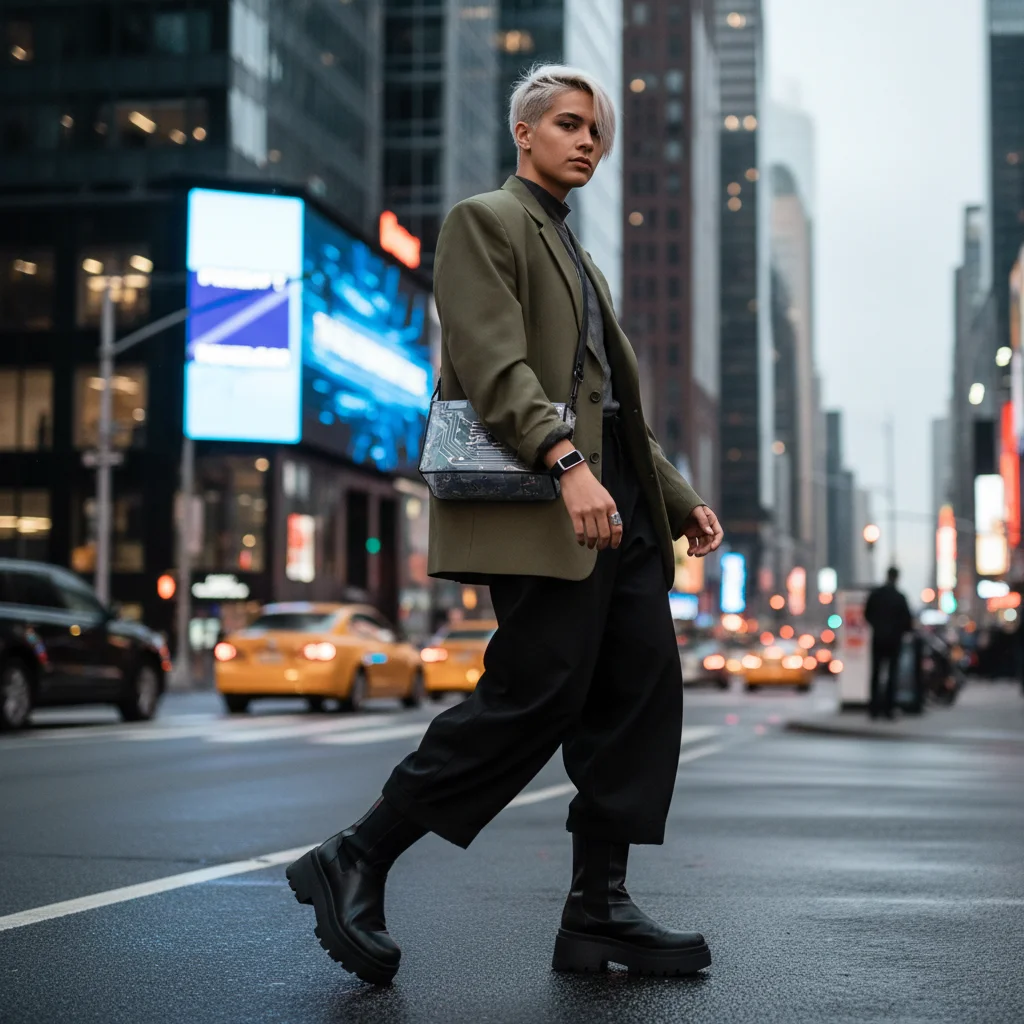
This trend is driven by Gen Z’s pragmatic approach to fashion and their desire for clothing that is both functional and stylish. They are investing in versatile pieces that can be easily styled up or down, maximizing their wardrobe’s potential. The days of having distinct wardrobes for different occasions are fading, replaced by a more integrated and flexible approach to dressing that reflects the fluid nature of modern life. This shift underscores Gen Z’s innovative spirit and their ability to challenge established norms in pursuit of a more authentic and adaptable personal style.
Conclusion: Gen Z’s Fashion Revolution
The evolution of Gen Z fashion trends is more than just a fleeting parade of styles; it’s a significant cultural phenomenon reflecting deeper societal values and technological advancements. By mid-2026, the seven shifts discussed – sustainable and ethical fashion, Y2K and nostalgic revivals, gender-fluid styles, comfort-driven aesthetics, digital influence and hyper-personalization, eclectic accessories, and the blurring of casual and formalwear – will solidify their dominance across the US fashion landscape.
This generation’s sartorial choices are a powerful statement about their commitment to authenticity, individuality, environmental responsibility, and social inclusivity. They are not merely following trends; they are actively creating them, remixing influences from the past, present, and digital realms to forge a unique and compelling aesthetic. For brands, designers, and consumers alike, understanding these pivotal shifts is essential for navigating the future of fashion. Embrace the change, for Gen Z is leading us towards a more conscious, creative, and expressive era of style.