Designer Looks for Less: Replicate High-End Fashion Affordably
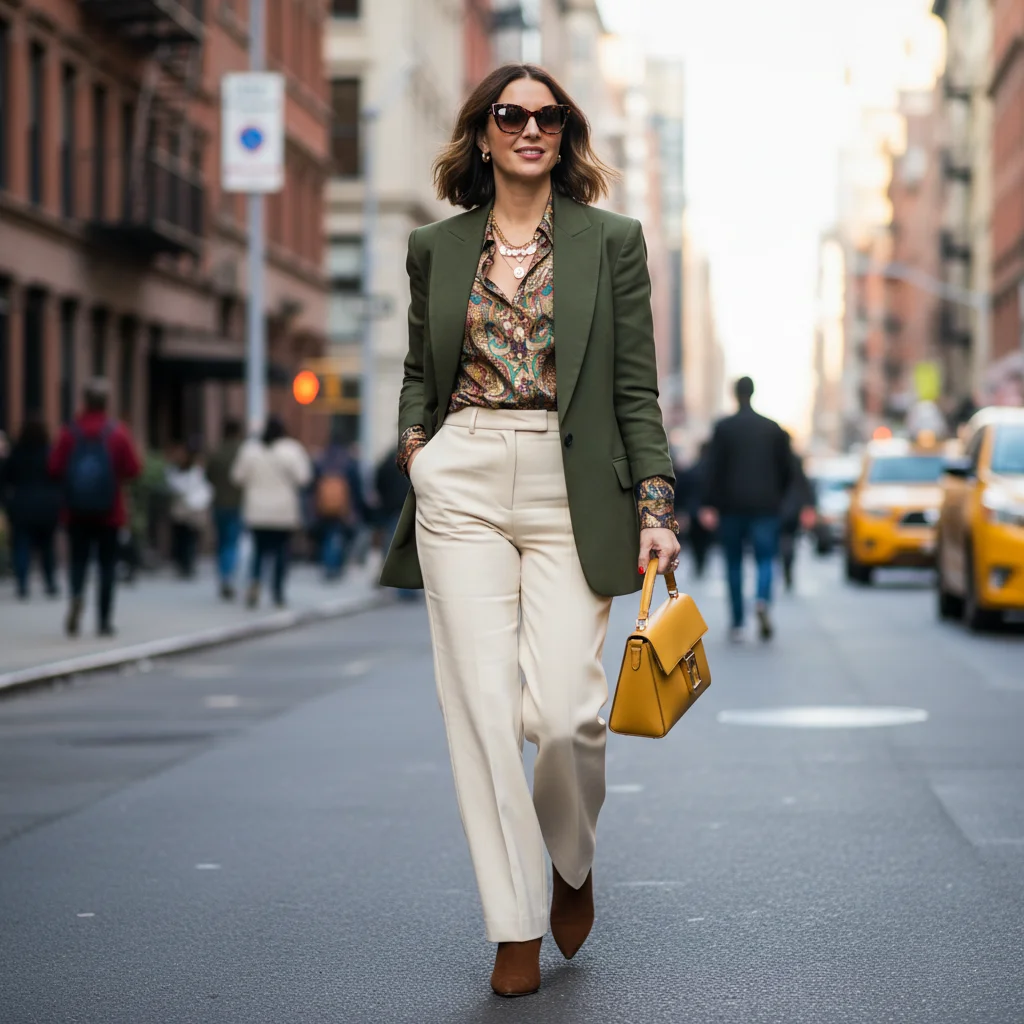
In the ever-evolving world of fashion, the allure of luxury brands and high-end designer pieces is undeniable. We scroll through social media feeds, admire runway shows, and pore over fashion magazines, often wishing we could effortlessly embody that coveted designer aesthetic. However, the reality of designer price tags can quickly bring us back down to earth. What if we told you that achieving those sophisticated designer looks for less is not just a pipe dream, but an entirely attainable goal? In 2026, with a little strategic thinking, smart shopping, and an eye for detail, you can replicate high-end fashion with surprising ease, often with discounts of 70% or more.
This comprehensive guide is dedicated to empowering you to elevate your style without depleting your bank account. We’ll explore eight powerful strategies that will transform your approach to fashion, enabling you to curate a wardrobe that exudes luxury and sophistication, all while staying firmly within your budget. Get ready to unlock the secrets to dressing like a million bucks without spending it!
Understanding the Allure of Designer Fashion: More Than Just a Label
Before we dive into how to get designer looks for less, it’s crucial to understand what makes designer fashion so appealing in the first place. It’s rarely just about the logo. High-end brands are known for several key characteristics:
- Superior Quality: Designer garments often feature premium fabrics, meticulous construction, and durable finishes that stand the test of time.
- Unique Design and Craftsmanship: There’s an artistry in designer pieces, from innovative silhouettes to intricate detailing and bespoke elements.
- Exclusivity and Status: Owning a designer item can confer a sense of status and belonging to an exclusive club.
- Timeless Appeal: Many designer pieces are considered investments, transcending fleeting trends to become wardrobe staples.
- Perfect Fit: High-end clothing is often tailored to perfection, offering a flattering and comfortable fit that mass-produced items often lack.
Our goal isn’t to replicate the label, but to capture the essence of these qualities – the quality, the design, the fit, and the overall aesthetic – for a fraction of the cost. By focusing on these elements, you can achieve genuine designer looks for less.
Strategy 1: Master the Art of Fabric Identification
One of the most significant differentiators between high-end and fast fashion is fabric quality. Cheap synthetic materials often look and feel inexpensive. To achieve designer looks for less, prioritize natural fibers and high-quality blends.
The Power of Natural Fibers
- Wool and Cashmere: Look for sweaters, coats, and scarves made of wool or cashmere. They offer superior warmth, drape beautifully, and exude luxury. Even a blend with a high percentage of these fibers can make a difference.
- Silk and Linen: For blouses, dresses, and trousers, silk and linen provide an elegant sheen and breathable comfort. While pure silk can be pricey, silk blends or high-quality rayon/viscose can mimic its drape.
- Cotton: Opt for high-thread-count cotton for shirts and dresses. Supima or Egyptian cotton offers a softer feel and more polished look than standard cotton.
What to Avoid (or Use Strategically)
While synthetics like polyester have their place (especially for activewear or certain structured pieces), excessive use can cheapen an outfit. If you do choose synthetics, look for those with a refined texture or a blend that enhances durability and drape. The key is to be discerning. When you prioritize fabric, you’re already halfway to achieving those coveted designer looks for less.
Strategy 2: Embrace the Power of Tailoring and Alterations
Even the most expensive garment can look ill-fitting and cheap if it doesn’t fit properly. Conversely, a well-tailored, affordable piece can look incredibly luxurious. This is perhaps one of the most underrated strategies for achieving designer looks for less.
Why Tailoring is Your Secret Weapon
- Perfect Fit: A tailor can adjust hemlines, take in waists, shorten sleeves, and refine silhouettes to perfectly suit your body. This custom fit is a hallmark of high fashion.
- Elevated Appearance: When clothes fit impeccably, they instantly look more expensive and polished.
- Longevity: Tailoring can also fix minor imperfections or reinforce seams, extending the life of your garments.
Cost-Effective Tailoring
Don’t be daunted by the idea of tailoring costs. Simple alterations like hemming trousers or taking in a dress can be surprisingly affordable and make a world of difference. Consider the cost of tailoring as an investment that maximizes the impact of your clothing budget. It’s a small price to pay for achieving genuine designer looks for less.
Strategy 3: Invest in Timeless Silhouettes and Classic Pieces
Fast fashion thrives on fleeting trends. Designer fashion, especially classic luxury, often leans into timeless silhouettes that remain stylish decade after decade. Building a wardrobe around these foundational pieces is a smart way to get designer looks for less.
Wardrobe Staples to Prioritize
- The Classic Trench Coat: A well-made trench is eternally chic.
- A Structured Blazer: Instantly elevates any outfit, from jeans to dresses.
- Tailored Trousers: A pair of perfectly fitting black or navy trousers is indispensable.
- A Crisp White Shirt: Versatile and always sophisticated.
- The Little Black Dress: A timeless choice for any occasion.
- Quality Knitwear: Sweaters in neutral tones made from good quality wool or cashmere.
When you focus on these enduring styles, you’re not constantly chasing trends, which saves money in the long run. Look for these items in neutral colors (black, white, navy, gray, beige) as they are easier to mix and match and tend to look more expensive. These pieces form the backbone of any wardrobe striving for designer looks for less.
Strategy 4: Become a Savvy Shopper: Thrift Stores, Consignment, and Outlets
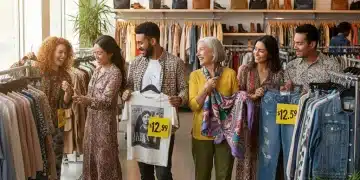
This is where the hunt for designer looks for less truly begins! Second-hand shopping and outlet stores are treasure troves for finding high-quality garments at a fraction of their original price.
Thrifting and Consignment Goldmines
- Thrift Stores: Patience is key here, but you can unearth incredible finds – sometimes even genuine designer pieces that have been overlooked.
- Consignment Stores: These stores often curate their inventory, offering a higher chance of finding designer labels and high-quality items.
- Online Resale Platforms: Sites like The RealReal, Vestiaire Collective, Poshmark, and Depop are fantastic for finding authenticated designer items or high-quality pieces from premium brands at significant discounts.
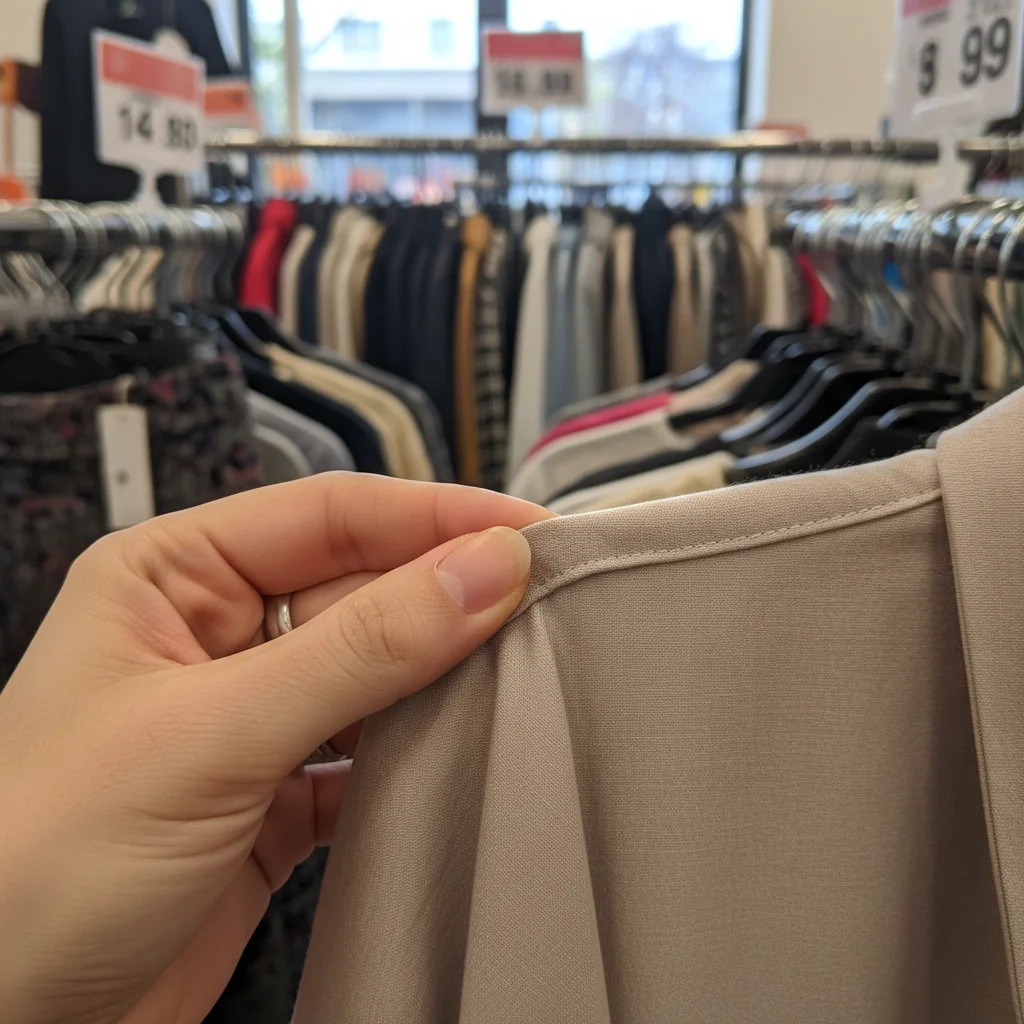
Outlet Stores and Sales
- Outlet Malls: While some items are made specifically for outlets, you can often find overstocked or past-season designer items at reduced prices. Do your research to distinguish between true outlet items and main-line merchandise.
- End-of-Season Sales: Keep an eye out for major sales events (e.g., end of summer, post-holiday) at department stores and boutiques. This is an excellent time to snag high-quality pieces at up to 70% off.
Shopping smart in these venues requires a keen eye for quality (refer back to Strategy 1!) and an understanding of what looks genuinely expensive. This approach is fundamental to achieving designer looks for less.
Strategy 5: The Devil is in the Details: Hardware, Stitching, and Finish
High-end items often stand out because of their impeccable finishing. When seeking designer looks for less, pay close attention to these subtle but crucial details.
What to Look For
- Hardware: Zippers, buttons, buckles, and clasps on designer items are typically sturdy, weighty, and made from quality metals. Avoid flimsy plastic or cheap, tarnished-looking metal.
- Stitching: Look for neat, even, and consistent stitching with no loose threads. High-quality garments often have reinforced seams.
- Lining: A well-constructed garment will often be fully lined with a quality fabric, indicating attention to detail and a better drape.
- Hems: Hems should be even, neat, and appropriate for the fabric.
These small details collectively contribute to the overall perceived value of a garment. By scrutinizing these elements, you can differentiate between a truly well-made item and a cheap imitation, helping you to secure those authentic designer looks for less.
Strategy 6: Elevate with Accessories: The Power of the Statement Piece
Accessories can make or break an outfit. A few well-chosen, high-quality accessories can instantly elevate even the simplest ensemble, making it appear far more expensive and curated. This is a brilliant way to achieve designer looks for less.
Key Accessories to Invest In (Smartly)
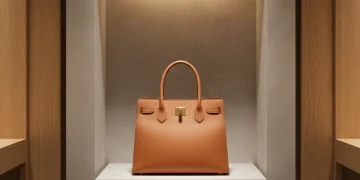
- Bags: A structured, classic handbag in a neutral color (black, tan, cream) made from good quality faux leather or, ideally, genuine leather, can instantly upgrade your look. You don’t need a designer label if the quality speaks for itself.
- Shoes: Clean, well-maintained shoes are paramount. Classic styles like leather loafers, elegant pumps, or sleek ankle boots can transform an outfit. Again, focus on material and craftsmanship.
- Belts: A simple, well-made leather belt with a tasteful buckle can define your waist and add a polished touch.
- Jewelry: Opt for minimalist, elegant pieces over chunky, trendy costume jewelry. Think delicate gold or silver chains, classic hoop earrings, or a timeless watch.
- Scarves: A silk or cashmere blend scarf can add a pop of color, texture, and sophistication.
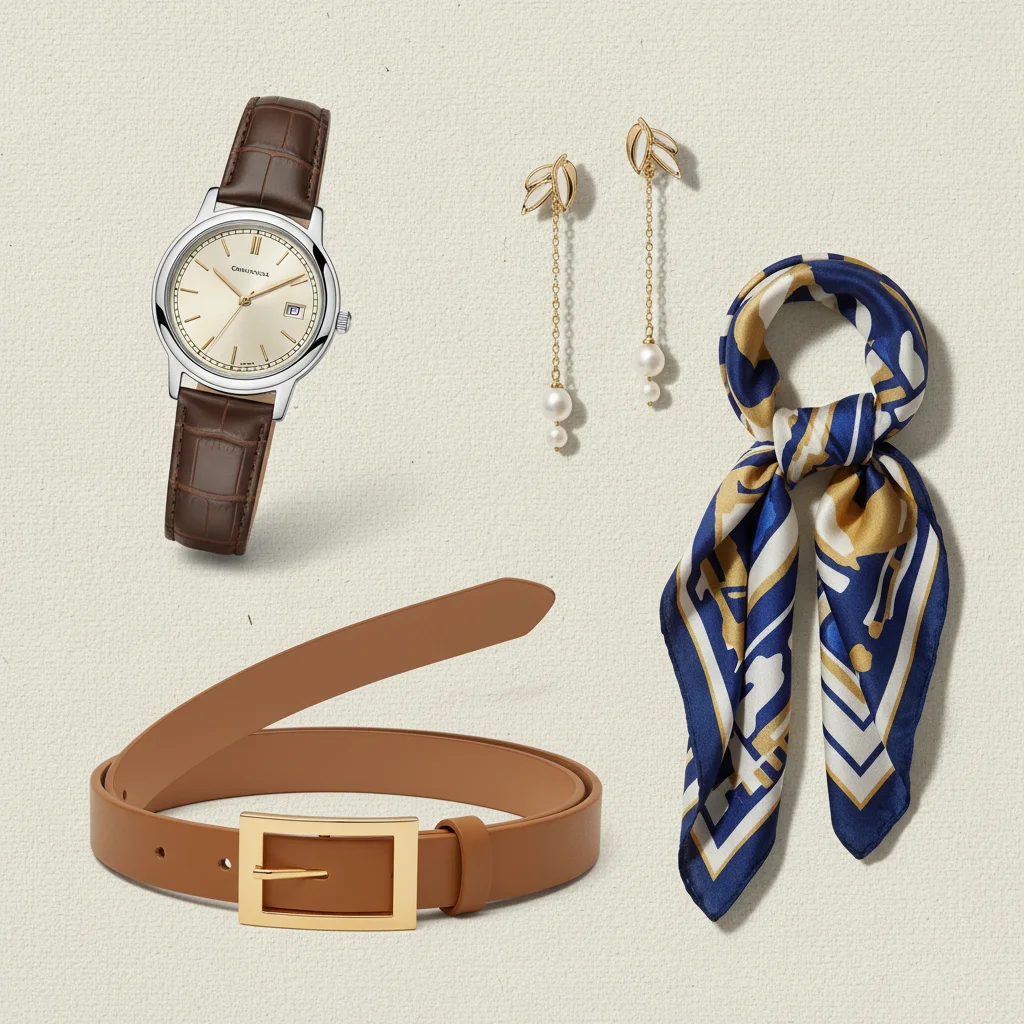
Remember, it’s about quality over quantity. One really good handbag or a pair of classic leather boots will do more for your aesthetic than ten cheap, trendy alternatives. These strategic accessory choices are integral to creating designer looks for less.
Strategy 7: Embrace Monochromatic and Cohesive Color Palettes
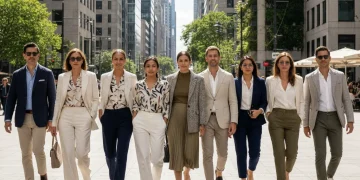
One of the easiest ways to make an outfit look expensive is to stick to a monochromatic color scheme or a very cohesive, limited palette. High-end brands often use this technique to create a sophisticated and streamlined aesthetic.
The Elegance of Simplicity
- Monochromatic Magic: Dressing head-to-toe in a single color (e.g., all black, all white, all beige, or various shades of the same color) creates a long, lean, and incredibly chic silhouette. It instantly looks intentional and luxurious.
- Neutral Territory: Neutrals like black, white, gray, navy, beige, and camel always look more expensive than bright, busy patterns or overly saturated colors, especially in cheaper fabrics.
- Limited Palette: Build outfits using only 2-3 complementary colors. This creates a harmonious and polished look that is often seen in high fashion editorials.
By simplifying your color choices, you eliminate visual clutter and draw attention to the quality and structure of your garments, making it effortless to achieve designer looks for less.
Strategy 8: Prioritize Maintenance and Presentation
Even the most expensive clothing can look cheap if it’s wrinkled, stained, or poorly maintained. Conversely, a well-cared-for, affordable garment can exude an air of luxury. This final strategy is about protecting your investment and ensuring your clothes always look their best.
Tips for Impeccable Presentation
- Ironing and Steaming: Always wear wrinkle-free clothes. A simple iron or steamer can make a world of difference.
- Proper Storage: Use good hangers (wooden for heavier items) to prevent stretching and maintain garment shape. Fold knits to avoid shoulder bumps.
- Regular Cleaning: Follow care labels diligently. Promptly address stains.
- Shoe Care: Keep shoes clean, polished, and in good repair. Replace worn heels or soles.
- De-pilling: Use a fabric shaver to remove pills from sweaters and knitwear, making them look newer.
Presenting yourself in well-maintained clothing shows attention to detail and respect for your wardrobe, a trait synonymous with those who wear high-end fashion. This commitment to maintenance is the final, crucial step in mastering designer looks for less.
Putting It All Together: Your High-End Wardrobe on a Budget
Achieving designer looks for less isn’t about finding exact dupes of specific designer pieces (though that can be fun!). It’s about understanding the underlying principles that make high fashion desirable and applying them to your shopping and styling choices. By focusing on quality fabrics, impeccable fit through tailoring, timeless silhouettes, smart shopping avenues, attention to detail, strategic accessories, cohesive color palettes, and diligent maintenance, you can cultivate a wardrobe that rivals the most expensive collections.
Imagine confidently stepping out in an outfit that looks like it cost thousands, but you cleverly assembled it for a fraction of the price. This isn’t just about saving money; it’s about developing a sophisticated eye for fashion, making conscious and sustainable choices, and expressing your personal style with intelligence and elegance. So go forth, explore these strategies, and transform your wardrobe into a testament to smart luxury. In 2026, the secret to designer looks for less is truly in your hands.
Ready to Transform Your Style?
Start by evaluating your current wardrobe. What pieces do you own that already embody some of these principles? What gaps can you fill using these strategies? Remember, building a high-end looking wardrobe takes time and patience, but the results – a stylish, versatile, and affordable collection – are incredibly rewarding. Share your favorite tips for achieving designer looks for less in the comments below!