Sustainable Living Hacks: Reduce Household Waste by 15% in 2026
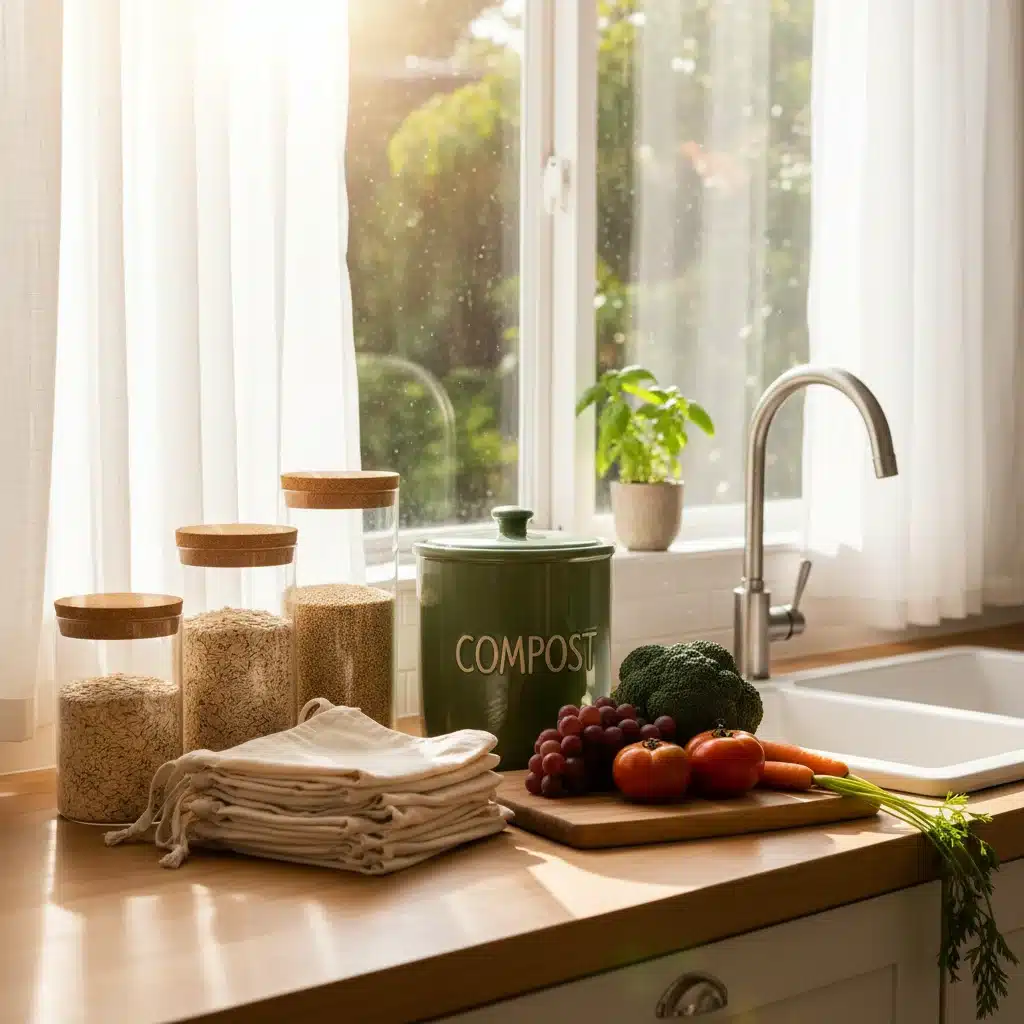
Sustainable Living Hacks: Your Guide to Reducing Household Waste by 15% in 2026
In an era increasingly defined by environmental consciousness, the clarion call to reduce household waste resonates louder than ever. Our planet faces unprecedented challenges, from overflowing landfills to plastic pollution choking our oceans. The good news? Each of us holds the power to make a tangible difference, starting right in our own homes. This comprehensive guide is designed to empower you with practical, impactful sustainable living hacks, setting an ambitious yet achievable goal: to reduce your household waste by a remarkable 15% in 2026. This isn’t just about fleeting trends; it’s about cultivating lasting habits that benefit both your well-being and the health of our planet.
The journey to significantly reduce household waste might seem daunting at first glance. However, by breaking it down into manageable steps and adopting a mindful approach to consumption, you’ll discover that sustainable living is not only achievable but also incredibly rewarding. From rethinking your grocery shopping habits to mastering the art of composting, every small change contributes to a larger, more impactful movement. Let’s embark on this transformative journey together, aiming for a greener, more sustainable future.
Understanding the Urgency: Why We Need to Reduce Household Waste Now
Before diving into the ‘how,’ it’s crucial to grasp the ‘why.’ The sheer volume of waste generated globally is staggering. Landfills are rapidly reaching capacity, leaching harmful chemicals into our soil and water. Plastic, a ubiquitous material in modern life, persists for hundreds of years, fragmenting into microplastics that infiltrate our food chain and ecosystems. The production of goods, from their raw materials to their final disposal, consumes vast amounts of energy and natural resources, often leading to significant carbon emissions. By choosing to reduce household waste, you’re not just decluttering your home; you’re actively participating in a global effort to conserve resources, mitigate climate change, and protect biodiversity. It’s a direct investment in the health of future generations and the planet we all call home.
The Environmental Impact of Our Consumption Habits
Every purchase we make, every item we discard, has an environmental footprint. Consider the lifecycle of a single plastic bottle: from the extraction of petroleum to its manufacturing, transportation, consumption, and eventual disposal. Each stage contributes to resource depletion, pollution, and greenhouse gas emissions. When we consciously work to reduce household waste, we disrupt this linear ‘take-make-dispose’ model and move towards a more circular economy, where resources are valued, reused, and recycled. This shift is not merely an option; it’s a necessity for ecological balance and long-term sustainability.
Phase 1: The Mindful Consumer – Rethinking Your Purchases
The first and most critical step in learning how to reduce household waste begins before anything even enters your home. It’s about becoming a mindful consumer, questioning every purchase, and prioritizing needs over wants. This phase focuses on preventing waste at its source, which is arguably the most effective strategy.
Strategy 1: Embrace the 5 Rs – Refuse, Reduce, Reuse, Recycle, Rot
This hierarchy of waste management is your guiding principle. Start with ‘Refuse’ – say no to single-use plastics, freebies, and anything you don’t truly need. Then ‘Reduce’ the amount of stuff you buy. ‘Reuse’ items whenever possible, giving them a second life. ‘Recycle’ what you can’t refuse, reduce, or reuse. Finally, ‘Rot’ (compost) organic waste. By internalizing these principles, you lay a strong foundation for your waste reduction efforts.
Strategy 2: Smart Shopping for Less Waste
Your grocery store trip is a prime opportunity to significantly reduce household waste. Here’s how:
- Bulk Buying: Invest in reusable cloth bags and containers. Head to the bulk aisle for grains, nuts, seeds, pasta, and even cleaning supplies. This eliminates unnecessary packaging and often saves you money.
- Farmers’ Markets: Support local farmers and often find produce without plastic packaging. Bring your own bags and enjoy fresh, seasonal goods.
- Meal Planning: Plan your meals for the week to avoid impulse buys and reduce food waste. A well-planned shopping list ensures you only buy what you need.
- Avoid Over-Packaged Items: Opt for items with minimal or recyclable packaging. Choose glass over plastic, and cardboard over plastic wraps when possible.
- Reusable Bags & Produce Bags: Make them a habit! Keep them in your car or by the door so you never forget.
Strategy 3: Ditching Disposables for Durables
Many everyday items are designed for single use, contributing immensely to landfill waste. Making the switch to durable, reusable alternatives is a powerful way to reduce household waste.
- Coffee Cups & Water Bottles: Carry your own reusable coffee cup and water bottle. Many cafes even offer discounts for bringing your own.
- Lunch Containers & Utensils: Pack your lunch in reusable containers and bring your own cutlery to avoid disposable options.
- Paper Towels & Napkins: Switch to cloth napkins and reusable kitchen towels. They’re washable, more absorbent, and last for years.
- Batteries: Invest in rechargeable batteries for electronics.
- Razors: Consider a safety razor with replaceable blades instead of disposable plastic ones.
Phase 2: Mastering Waste Management at Home
Once items enter your home, the focus shifts to managing them responsibly. This phase is about maximizing resource recovery and minimizing what goes to the landfill, directly helping you reduce household waste.
Strategy 4: The Art of Composting – Turning Waste into Gold
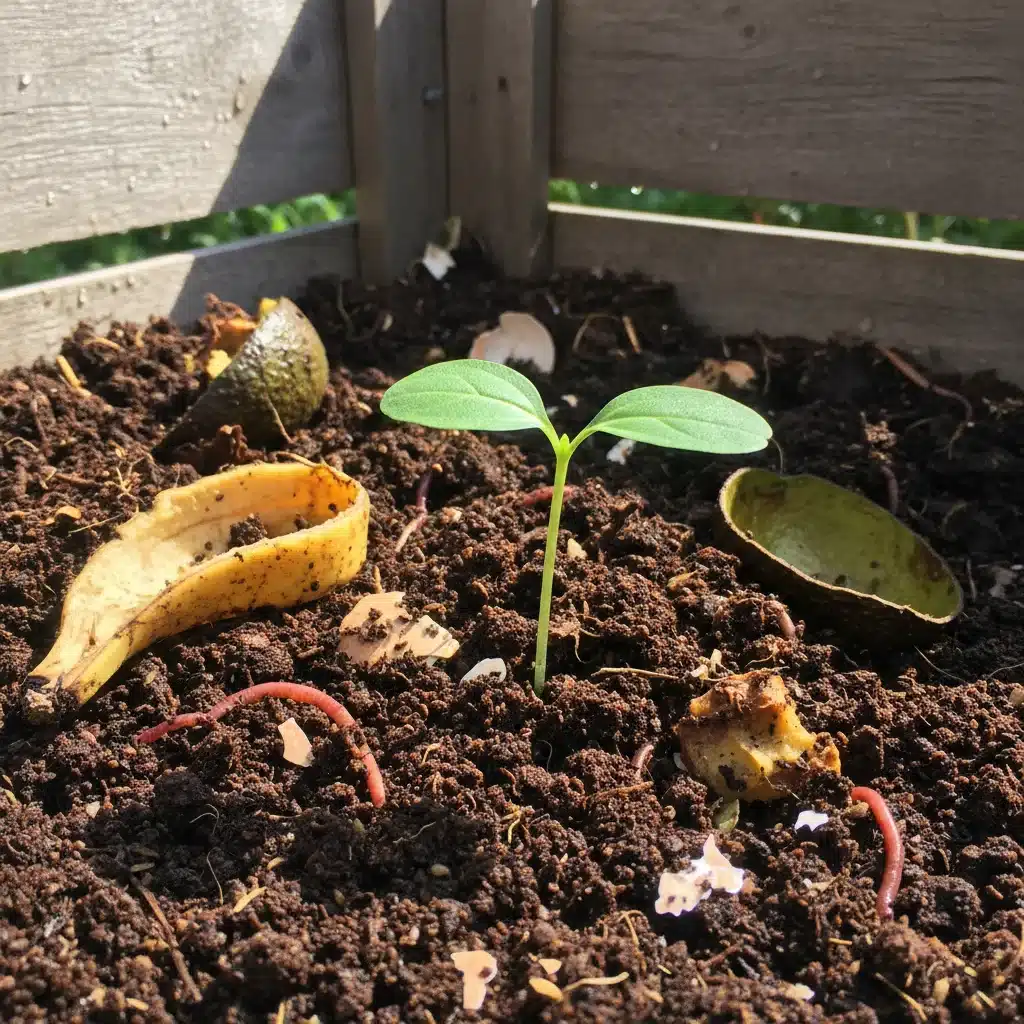
Food waste and yard waste constitute a significant portion of household rubbish. Composting is an incredibly effective way to divert this organic material from landfills, where it produces methane, a potent greenhouse gas. Instead, it transforms into nutrient-rich soil amendment for your garden.
There are various composting methods suitable for different living situations:
- Outdoor Composting Bins: Ideal for homes with yards. Layer ‘greens’ (food scraps, grass clippings) and ‘browns’ (leaves, cardboard) and turn regularly.
- Vermicomposting (Worm Composting): A great option for apartments or smaller spaces. Red wiggler worms efficiently break down food scraps into nutrient-dense worm castings.
- Bokashi Composting: An anaerobic fermentation process that can handle a wider range of food scraps, including meat and dairy, before being buried or added to a traditional compost pile.
- Community Composting: If home composting isn’t feasible, check for local community composting programs or drop-off sites.
By composting, you not only reduce household waste but also enrich your soil, reduce the need for chemical fertilizers, and contribute to a healthier ecosystem.
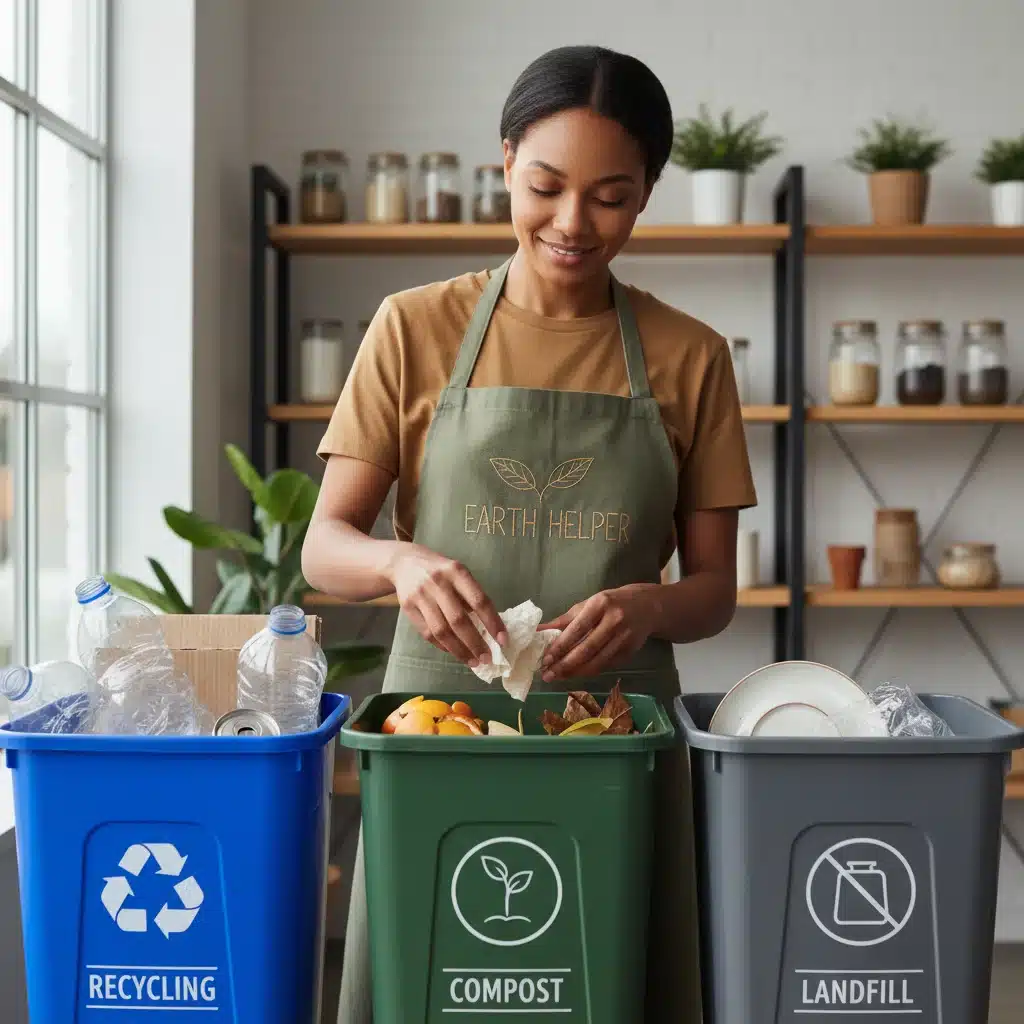
Strategy 5: Recycling Smarter, Not Just More
Recycling is a cornerstone of waste reduction, but it’s crucial to do it correctly. Contamination is a major issue that can send entire batches of recyclables to the landfill. Here’s how to recycle smarter and effectively reduce household waste through proper sorting:
- Know Your Local Rules: Recycling guidelines vary significantly by municipality. Check your local waste management website for specific instructions on what they accept and how it should be prepared (e.g., rinsed, caps on/off).
- Clean Your Recyclables: Food residue can contaminate other recyclables. Give containers a quick rinse before placing them in the recycling bin.
- Flatten Cardboard: This saves space and makes it easier for collection.
- Separate Materials: If your local program requires it, separate paper, plastic, glass, and metal.
- Beyond the Curb: For items not accepted curbside (e.g., plastic bags, electronics, batteries, textiles), seek out specialized drop-off locations or recycling events. Many grocery stores have plastic film recycling bins.
Strategy 6: Repurpose and Upcycle – Giving Items a New Life
Before you discard something, ask yourself: Can this be repurposed or upcycled? This creative approach can significantly reduce household waste and even add unique character to your home.
- Glass Jars: Perfect for food storage, organizing craft supplies, or making DIY candles.
- Old Clothes: Turn them into cleaning rags, patchwork blankets, or donate them to textile recycling programs.
- Furniture: A fresh coat of paint or new upholstery can transform an old piece of furniture.
- Pallets: Can be repurposed into garden beds, outdoor furniture, or even indoor decor.
The internet is a treasure trove of DIY ideas for repurposing almost anything. Get creative and see the potential in what others might see as trash.
Phase 3: Mindful Consumption Beyond the Kitchen
Waste reduction extends beyond food and packaging. This phase delves into other areas of your home and lifestyle where you can make significant strides to reduce household waste.
Strategy 7: Eco-Friendly Cleaning and Personal Care
Many conventional cleaning products and personal care items come in plastic packaging and contain harsh chemicals. Switching to eco-friendly alternatives can reduce household waste and minimize exposure to toxins.
- DIY Cleaning Solutions: Vinegar, baking soda, lemon juice, and essential oils can tackle most household cleaning tasks effectively and cheaply.
- Refill Stations: Look for stores that offer refill options for cleaning products, soaps, shampoos, and lotions.
- Solid Bars: Switch to solid shampoo, conditioner, and soap bars to eliminate plastic bottles.
- Reusable Wipes & Sponges: Replace disposable wipes and synthetic sponges with reusable cloth versions or natural loofahs.
- Bamboo Toothbrushes: A small but impactful switch from plastic toothbrushes.
Strategy 8: Sustainable Fashion and Textiles
The fashion industry is a major contributor to waste and pollution. Fast fashion encourages constant consumption and disposal. To reduce household waste from textiles:
- Buy Less, Choose Well: Invest in high-quality, durable clothing made from sustainable materials.
- Thrift & Secondhand: Explore thrift stores, consignment shops, and online marketplaces for pre-loved clothing.
- Repair & Mend: Learn basic sewing skills to repair torn clothes or replace buttons, extending their lifespan.
- Donate & Recycle: Donate wearable clothes to charities. For unwearable textiles, look for textile recycling programs.
Strategy 9: Reducing Digital Waste and E-Waste
While often invisible, digital waste and electronic waste (e-waste) are growing concerns. To reduce household waste in this category:
- Digital Decluttering: Delete old files, emails, and unnecessary apps to reduce the energy consumption of data centers.
- Extend Device Lifespan: Take care of your electronics, repair them when possible, and avoid upgrading unnecessarily.
- Responsible E-Waste Disposal: Never throw electronics in the regular trash. Find certified e-waste recycling facilities in your area.
Phase 4: Tracking Your Progress and Staying Motivated
Achieving a 15% reduction in household waste by 2026 requires consistent effort and a way to measure your progress. This final phase focuses on practical steps to keep you on track and motivated.
Strategy 10: Conduct a Waste Audit
To know where you’re going, you need to know where you’re starting. A waste audit involves collecting and categorizing your household waste for a week or two. This will give you a clear picture of what types of waste you generate most and where your biggest opportunities lie to reduce household waste. You might be surprised by the results!
Strategy 11: Set SMART Goals
Your overall goal is to reduce household waste by 15% in 2026. Break this down into smaller, SMART (Specific, Measurable, Achievable, Relevant, Time-bound) goals. For example:
- “By the end of March, I will compost all my food scraps.”
- “For the next month, I will bring reusable bags to every grocery store trip.”
- “This quarter, I will replace all disposable paper towels with reusable cloth towels.”
Strategy 12: Educate Yourself and Others
The more you learn about waste reduction and its impact, the more motivated you’ll be. Share your journey with friends and family. Your actions can inspire others to reduce household waste in their own lives, creating a ripple effect.
Strategy 13: Celebrate Small Wins
Reducing waste is a marathon, not a sprint. Acknowledge and celebrate every small victory. Did you manage a week without buying anything new? Did you successfully compost all your organic waste? Did you find a clever way to repurpose an old item? These small wins build momentum and reinforce your commitment to sustainable living.
Overcoming Challenges and Staying Consistent
The path to significantly reduce household waste is not without its hurdles. You might forget your reusable bags occasionally, or find yourself in a situation where single-use items are unavoidable. Don’t let these minor setbacks derail your efforts. The key is consistency and continuous improvement, not perfection.
- Be Patient: Changing habits takes time. Start small and gradually incorporate more sustainable practices.
- Find Your Community: Connect with local zero-waste groups or online communities for support, tips, and inspiration.
- Advocate for Change: Support businesses and policies that promote waste reduction. Your voice matters.
- Embrace Imperfection: It’s okay to not be perfectly zero-waste overnight. Every effort counts, and progress is more important than perfection.
The Economic Benefits of Reducing Waste
Beyond the undeniable environmental advantages, choosing to reduce household waste often comes with significant economic benefits. When you buy less, you save money. When you choose reusable items, you eliminate the recurring cost of disposables. Composting reduces your need for store-bought soil amendments, and cooking at home with bulk ingredients can be far more economical than relying on pre-packaged meals or takeout. Repairing items instead of replacing them also extends your budget. These financial incentives can be powerful motivators, proving that sustainable living is not just good for the planet, but also good for your wallet.
Conclusion: A Greener Future, One Household at a Time
Reducing your household waste by 15% in 2026 is an ambitious yet entirely achievable goal. By embracing mindful consumption, smart waste management strategies, and a commitment to sustainable living hacks, you can make a profound impact. This journey is about more than just minimizing trash; it’s about fostering a deeper connection to our resources, understanding the true cost of convenience, and actively participating in the creation of a healthier, more sustainable world. Start today, make those small changes, and watch as your efforts contribute to a brighter future for all. Your home can become a beacon of sustainability, inspiring others to join the movement to reduce household waste and embrace a more eco-conscious way of life.