Footwear Trends US: The Dynamic Rise and Fall of Styles in Six Months
The world of fashion is a constantly evolving landscape, nowhere more so than in the realm of footwear. What’s in vogue one season can be passé the next, and the United States market is a particularly fast-paced arena for these shifts. Over the past six months, we’ve witnessed a fascinating dance of popularity among various shoe styles, with some experiencing an meteoric rise to ubiquity and others, equally popular just a short while ago, gracefully receding into the background. Understanding these footwear trends US is not just about identifying what people are wearing; it’s about dissecting consumer behavior, cultural influences, and the powerful sway of social media. This comprehensive analysis will delve deep into the two most prominent footwear trends US that have captivated the nation over the last half-year, examining their ascent, their peak, and their subsequent decline or sustained presence.
From the bustling streets of New York City to the laid-back vibes of Los Angeles, and across the vast expanse of suburban America, footwear choices reflect a blend of comfort, style, and personal expression. The rapid cycle of trends means that retailers, designers, and consumers alike must stay attuned to the slightest shifts. This article aims to provide a clear, data-driven perspective on these recent developments, highlighting the underlying factors that fuel the popularity of certain shoe types and lead to the eventual cooling of others. We will explore the characteristics of these trends, the demographics they appealed to, and the broader fashion narratives they contributed to. Prepare to step into a detailed examination of the most impactful footwear trends US of the recent past.
The Ascent of the Chunky Retro Sneaker: A Nostalgic Resurgence
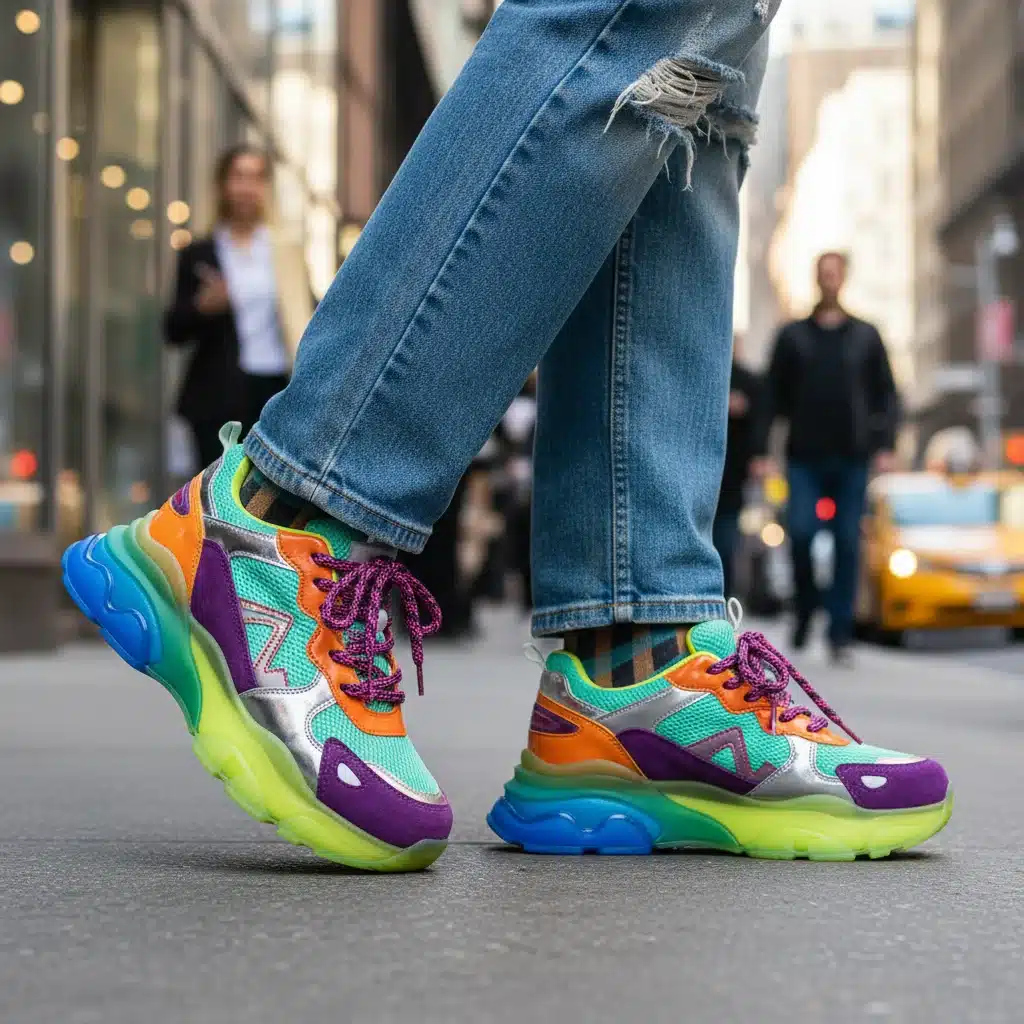
One of the most undeniable footwear trends US over the last six months has been the triumphant return and sustained dominance of the chunky retro sneaker. This isn’t just about athletic footwear; it’s a fashion statement, a nod to the past, and a testament to the cyclical nature of style. These sneakers, often characterized by their oversized soles, vibrant color blocking, and sometimes exaggerated silhouettes, harken back to the late 1980s and 1990s. Brands like New Balance, Adidas, and Nike, alongside luxury fashion houses, capitalized on this nostalgia, re-releasing classic models and introducing new designs that echoed the aesthetic of yesteryear.
What Fueled the Rise?
Several factors contributed to the explosive popularity of chunky retro sneakers. Firstly, there’s the undeniable comfort factor. As lifestyles become more casual, consumers increasingly prioritize comfort without sacrificing style. The ample cushioning and supportive structure of these sneakers made them a practical choice for everyday wear. Secondly, social media played a pivotal role. Influencers and celebrities were quick to adopt the trend, showcasing these sneakers in their daily outfits, from athleisure looks to more dressed-up ensembles. This visibility amplified their desirability and made them a must-have item for a wide demographic.
Furthermore, the chunky silhouette offered a refreshing contrast to the minimalist sneaker trends that had dominated for years. Fashion thrives on newness and differentiation, and these bold, often irreverent designs provided just that. They became a statement piece, capable of elevating a simple outfit and adding a touch of personality. The versatility of these sneakers also contributed to their widespread appeal. They could be paired with jeans, skirts, dresses, and tailored trousers, making them a chameleon in any wardrobe. This adaptability was crucial in securing their place as a top footwear trends US.
Peak Popularity and Market Saturation
The chunky retro sneaker reached its zenith approximately three to four months ago. During this period, it was nearly impossible to walk down a city street without seeing multiple variations of this style. Retailers struggled to keep up with demand, and limited-edition drops often sold out within minutes. The market became saturated with options, from affordable fast-fashion interpretations to high-end designer versions, indicating the trend’s pervasive influence. This widespread adoption, while a sign of success, also sowed the seeds of its eventual stabilization, if not a slight decline.
The sheer volume of chunky sneakers available meant that their ‘exclusive’ or ‘unique’ appeal began to wane. As more and more people adopted the trend, some fashion-forward individuals started looking for the ‘next big thing.’ However, it’s important to note that ‘decline’ in this context doesn’t mean disappearance. Instead, it signifies a shift from a hyper-trendy, must-have item to a more established, albeit still popular, category within the footwear trends US landscape. Many core styles have cemented their place as modern classics, evolving beyond a fleeting fad.
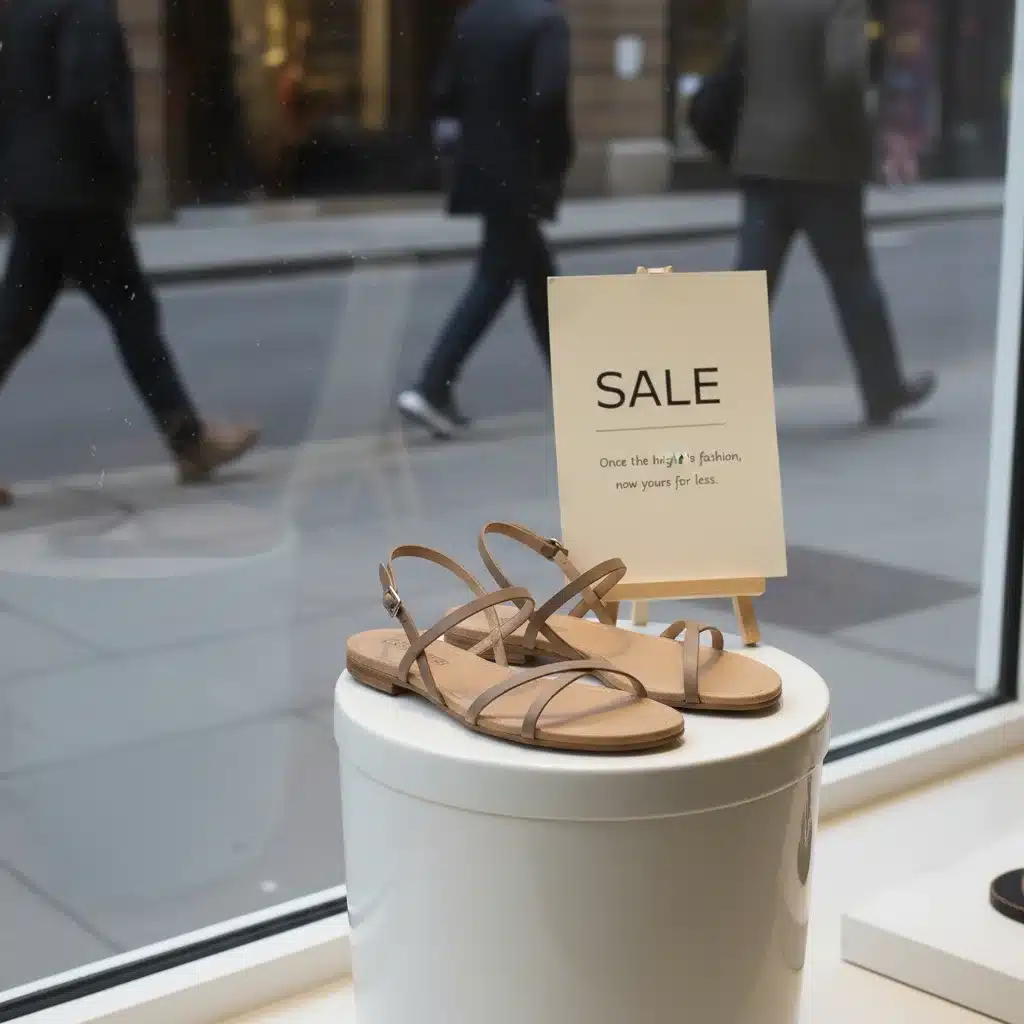
The Fading Allure of Minimalist Strappy Sandals: A Seasonal Shift and Style Evolution
In stark contrast to the chunky sneaker’s robust presence, another significant footwear trends US that has seen a notable decline in its peak popularity over the last six months is the minimalist strappy sandal. These sandals, characterized by their delicate, often barely-there straps, sleek heels (or flats), and understated elegance, were a dominant force in warm-weather fashion for several seasons prior. They embodied a sophisticated, refined aesthetic that was perfect for both casual summer outings and more formal events.
The Initial Appeal and Broad Adoption
The rise of the minimalist strappy sandal was fueled by a desire for clean lines, understated luxury, and a versatile shoe that could transition seamlessly from day to night. They offered a refreshing alternative to bulkier footwear and perfectly complemented the minimalist fashion movement that prioritized quality basics and streamlined silhouettes. Their popularity was particularly high during the spring and summer months of the previous year and the beginning of the current one, becoming a staple in many wardrobes across the US. They were frequently seen on red carpets, in editorial spreads, and, crucially, on social media, where their elegant simplicity resonated with a broad audience.
Brands from high-street retailers to luxury designers offered their interpretations of the strappy sandal, making them accessible at various price points. The appeal lay in their ability to elongate the leg, add a touch of femininity, and serve as a subtle yet impactful accessory. They became synonymous with effortless chic, proving that less can indeed be more. This widespread adoption firmly established them as a key footwear trends US for a significant period.
The Gradual Decline: More Than Just Seasonal
While some of the decline in minimalist strappy sandals can be attributed to seasonal shifts – as temperatures drop, open-toed shoes naturally become less practical – there’s more to their receding prominence than just the weather. One major factor is the aforementioned rise of the chunky sneaker. As fashion swung towards comfort, practicality, and a bolder aesthetic, the delicate nature of the strappy sandal began to feel less aligned with the prevailing mood. Consumers started prioritizing shoes that could withstand more wear and offer greater support, especially as casualization continued to dominate.
Furthermore, the very ubiquity that once defined their success eventually contributed to their decline as a ‘trend.’ When a style becomes too widespread, it loses its novelty and exclusive appeal for trendsetters. Fashion cycles dictate that once a trend reaches saturation, a counter-trend often emerges. The chunky sneaker, with its maximalist approach, served as that counter-trend. While minimalist strappy sandals will always have a place in classic wardrobes, especially for formal occasions or specific aesthetics, their position as a dominant, ‘must-have’ footwear trends US has undoubtedly diminished over the last six months.
Analyzing the Underlying Dynamics of Footwear Trends US
The comparison between the chunky retro sneaker and the minimalist strappy sandal offers a microcosm of the larger forces at play in shaping footwear trends US. Several key dynamics are consistently influencing what we choose to put on our feet:
1. The Comfort Imperative:
Post-pandemic, there’s been an undeniable and sustained shift towards comfort. Consumers are less willing to sacrifice ease for style, leading to a greater demand for shoes that feel good to wear all day. The chunky sneaker, with its robust construction, perfectly aligns with this. Even when dressing up, people are seeking options that offer a degree of comfort, influencing design choices across all footwear categories.
2. Social Media and Influencer Culture:
Platforms like Instagram, TikTok, and Pinterest act as powerful trend accelerators. A single post from a high-profile influencer can catapult a shoe style into instant stardom. The visual nature of these platforms makes footwear particularly susceptible to rapid trend adoption. Both the chunky sneaker and the strappy sandal benefited immensely from this, but the continuous feed of new content also means trends can burn out faster.
3. Nostalgia and Cyclical Fashion:
Fashion is inherently cyclical. Styles from past decades are constantly being reinterpreted and brought back into the mainstream. The chunky sneaker trend is a prime example of 80s and 90s nostalgia making a powerful comeback. Designers frequently draw inspiration from archives, and consumers often embrace these throwbacks as a way to connect with the past while looking fresh and modern.
4. Macroeconomic and Cultural Shifts:
Broader societal changes can profoundly impact footwear trends US. Economic downturns might lead to a preference for more durable, versatile, and less ostentatious footwear. Cultural movements, such as a heightened focus on sustainability or a shift towards more casual work environments, also play a significant role in shaping consumer preferences. The ongoing casualization of dress codes, for instance, has been a boon for sneaker culture.
5. The ‘It’ Factor and Exclusivity:
For a trend to truly take off, it often needs an ‘it’ factor – a sense of desirability and sometimes, a degree of exclusivity. Limited drops, celebrity endorsements, and strategic marketing campaigns can create this buzz. However, once a trend becomes too ubiquitous, it risks losing this special appeal. The challenge for brands is to manage this balance, keeping a style desirable without oversaturating the market.
Looking Ahead: What’s Next for Footwear Trends US?
Predicting the exact future of footwear trends US is always a challenge, but we can identify some emerging patterns and potential directions. While the chunky retro sneaker is likely to remain a strong presence, we might see subtle evolutions – perhaps a move towards slightly less exaggerated soles or a focus on more sustainable materials. The ‘gorpcore’ aesthetic, which emphasizes outdoor-inspired, functional footwear, continues to gain traction, bringing styles like hiking boots and trail running shoes into everyday fashion.
On the other hand, the minimalist aesthetic for sandals, while no longer at its peak trend status, will likely endure as a classic. We might see new iterations, perhaps with more architectural heels or interesting material combinations, but the core elegance will remain. As for new contenders, watch out for a potential resurgence of ballet flats with a modern twist, or perhaps a renewed interest in highly personalized and customizable footwear options. The desire for individuality and unique expression is a constant driver in fashion.
Another area of interest is the increasing integration of technology into footwear, not just for performance but also for style and comfort. Smart shoes, adaptable materials, and 3D printing could all play a role in shaping the next wave of footwear trends US. Furthermore, the growing awareness around ethical production and environmental impact means that sustainable footwear options will continue to grow in popularity and influence design choices across the board.
Conclusion: The Ever-Shifting Sands of Style
The last six months in US footwear have been a testament to the dynamic, often unpredictable nature of fashion. We’ve witnessed the robust and sustained popularity of the chunky retro sneaker, fueled by a blend of comfort, nostalgia, and social media influence. Simultaneously, the once-ubiquitous minimalist strappy sandal has gracefully receded from its peak, demonstrating how quickly consumer preferences can pivot in response to new aesthetics and practical demands.
Understanding these footwear trends US is crucial for anyone involved in the fashion industry, from designers and retailers to marketers and consumers. It’s a continuous learning process, observing how cultural shifts, technological advancements, and the powerful sway of collective taste converge to determine what we wear on our feet. As we move forward, one thing remains clear: the only constant in footwear fashion is change itself. Keeping an eye on these evolving patterns will allow us to anticipate the next big wave and adapt our styles accordingly, ensuring our steps are always in line with the latest and most compelling trends.
Whether you’re a devoted sneakerhead or a connoisseur of elegant sandals, the narrative of footwear in the US is rich with stories of innovation, adaptation, and the endless pursuit of the perfect pair. The next six months are sure to bring new surprises, new favorites, and new chapters in the fascinating saga of footwear trends US.