Master Your Sleep Cycle: Ultimate Guide to Restful Nights

Master Your Sleep Cycle: The Ultimate Guide to Achieving Restful Nights
In our fast-paced world, the pursuit of productivity often overshadows the fundamental need for quality sleep. Yet, the ability to master sleep cycle is not just about logging hours; it’s about optimizing the rhythm that governs our physical and mental restoration. A well-tuned sleep cycle can be the difference between a day filled with vibrant energy and one plagued by fatigue and brain fog. This comprehensive guide will delve deep into the science of sleep, providing you with actionable strategies to transform your nights and, consequently, your days. We’ll explore everything from the intricate stages of sleep to practical tips for creating an environment conducive to deep, restorative rest. Prepare to embark on a journey that will not only help you understand your body’s natural rhythms but also empower you to harness them for unparalleled well-being.
Understanding Your Sleep Cycle: The Foundation of Rest
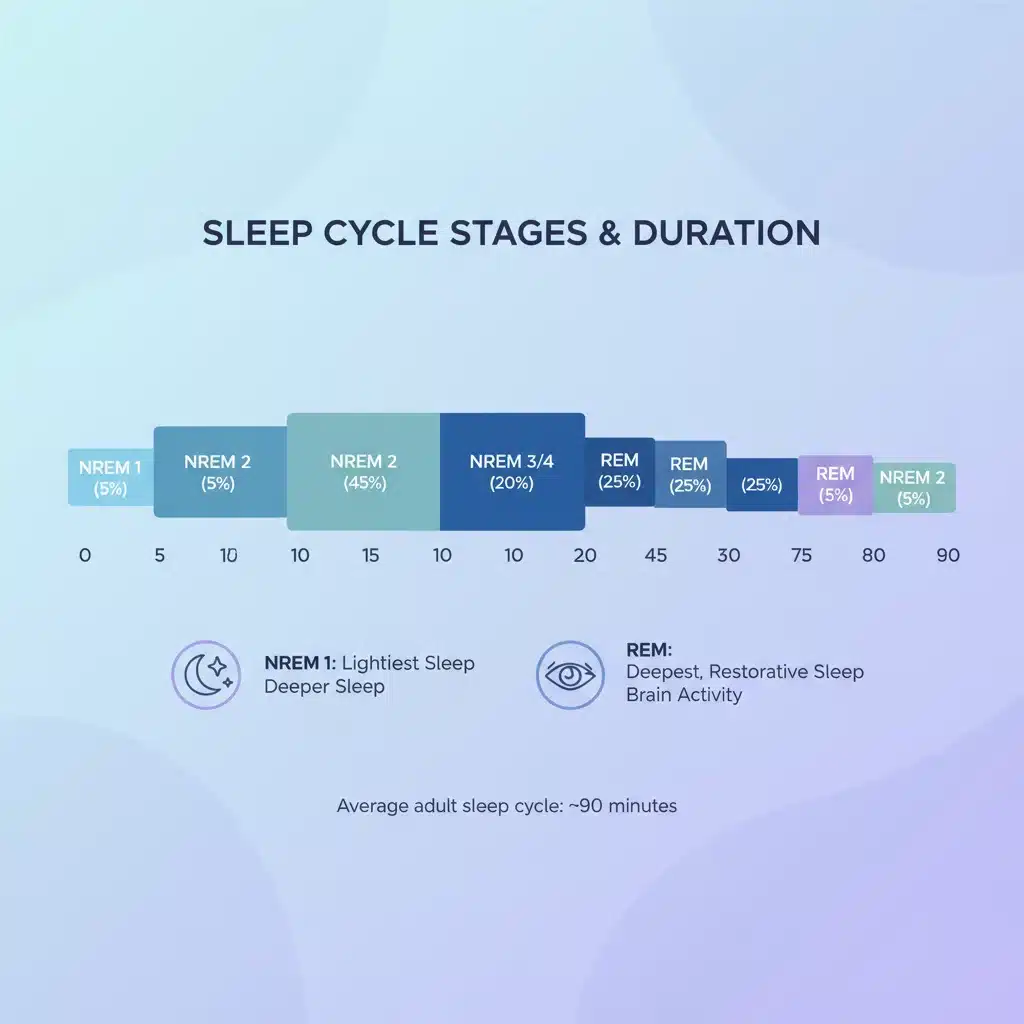
Before we can truly master sleep cycle, it’s crucial to understand what it entails. Sleep is not a monolithic state; it’s a dynamic process composed of distinct stages that cycle throughout the night. These stages, broadly categorized into Non-Rapid Eye Movement (NREM) and Rapid Eye Movement (REM) sleep, each play a vital role in our physical and cognitive health. A typical sleep cycle lasts approximately 90 minutes, and a healthy adult usually experiences 4-6 such cycles per night. Disruptions to this cycle, whether due to lifestyle choices, environmental factors, or underlying health conditions, can have profound negative impacts on our overall well-being.
The Stages of Sleep: A Journey Through the Night
To truly appreciate how to master sleep cycle, let’s break down its components:
- NREM Stage 1 (N1): This is the lightest stage of sleep, often described as the transition from wakefulness to sleep. Your brain waves begin to slow, and muscle activity decreases. It’s easy to be woken up during this stage.
- NREM Stage 2 (N2): As you drift deeper, your heart rate and body temperature drop, and eye movements stop. This stage accounts for the largest portion of your sleep and is crucial for memory consolidation.
- NREM Stage 3 (N3): This is deep, slow-wave sleep, often referred to as delta sleep. It’s the most restorative stage, essential for physical repair, growth hormone release, and immune system strengthening. Waking someone during N3 often results in disorientation.
- REM Sleep: Characterized by rapid eye movements, increased brain activity (often resembling wakefulness), temporary muscle paralysis, and vivid dreaming. REM sleep is critical for cognitive functions, emotional regulation, and procedural memory consolidation.
Each of these stages is important, and the proportion of time spent in each can vary throughout the night. Early in the night, you spend more time in deep NREM sleep, while REM sleep periods become longer and more frequent towards morning. Understanding this natural progression is the first step towards learning how to effectively master sleep cycle.
The Circadian Rhythm: Your Internal Timekeeper
At the heart of your sleep cycle is your circadian rhythm, a roughly 24-hour internal clock that regulates various physiological processes, including your sleep-wake pattern. This rhythm is primarily influenced by light and darkness. When light hits your eyes, it signals your brain to suppress melatonin production, keeping you alert. As darkness falls, melatonin levels rise, inducing sleepiness. Aligning your lifestyle with your circadian rhythm is fundamental to truly master sleep cycle.
External Factors Influencing Your Circadian Rhythm
While an innate biological process, your circadian rhythm is highly susceptible to external influences:
- Light Exposure: Especially critical is exposure to natural light in the morning and avoiding bright artificial light (especially blue light from screens) in the evening.
- Meal Times: Irregular eating patterns can disrupt your internal clock, as your digestive system also operates on a circadian rhythm.
- Physical Activity: Regular exercise, particularly earlier in the day, can help reinforce a healthy circadian rhythm.
- Work Schedules: Shift work, in particular, can severely disorient your body’s natural sleep-wake cycle.
- Travel: Crossing time zones (jet lag) is a classic example of circadian rhythm disruption.
Recognizing and managing these factors is paramount for anyone looking to successfully master sleep cycle and achieve consistent, high-quality sleep.
Practical Strategies to Master Sleep Cycle
Now that we’ve laid the groundwork, let’s dive into practical, evidence-based strategies to help you master sleep cycle and optimize your nightly rest. These tips encompass various aspects of sleep hygiene, environmental control, and behavioral adjustments.
1. Establish a Consistent Sleep Schedule
This is arguably the most crucial step. Going to bed and waking up at the same time every day, even on weekends, helps to regulate your circadian rhythm. Consistency trains your body to expect sleep and wakefulness at specific times, making it easier to fall asleep and wake up naturally. Resist the urge to ‘catch up’ on sleep on weekends, as this can further disrupt your internal clock. If you must adjust your schedule, do so gradually, by 15-30 minutes each day.
2. Optimize Your Sleep Environment
Your bedroom should be a sanctuary for sleep. Every element, from light to temperature, plays a role in your ability to master sleep cycle.
- Darkness: Even small amounts of light can interfere with melatonin production. Use blackout curtains, an eye mask, or ensure all light-emitting devices are covered or removed.
- Quiet: Minimize noise pollution. Earplugs, white noise machines, or even a fan can help mask disruptive sounds.
- Cool Temperature: Most experts recommend a bedroom temperature between 60-67°F (15-19°C) for optimal sleep. Your body naturally cools down to initiate sleep.
- Comfort: Invest in a comfortable mattress and pillows that support your body properly. Old, uncomfortable bedding can significantly impair sleep quality.
- Cleanliness: A clean, clutter-free bedroom can promote a sense of calm and relaxation, making it easier to unwind.
3. Manage Light Exposure Strategically
Light is the most powerful cue for your circadian rhythm. Manipulating your light exposure is a key strategy to master sleep cycle.
- Morning Light: Get at least 15-30 minutes of natural light exposure within an hour of waking. This signals to your brain that it’s daytime, boosting alertness and regulating your internal clock.
- Daytime Light: Maximize natural light exposure throughout the day, especially if you work indoors. Take short breaks outside or position your workspace near a window.
- Evening Darkness: As evening approaches, dim the lights in your home. Crucially, avoid blue light from screens (phones, tablets, computers, TVs) for at least 1-2 hours before bed. Blue light is particularly effective at suppressing melatonin. If you must use screens, employ blue light filters or wear blue-light-blocking glasses.

4. Be Mindful of Diet and Exercise
What you consume and how you move your body significantly impact your sleep quality and your ability to master sleep cycle.
- Caffeine and Nicotine: Both are stimulants. Avoid caffeine in the late afternoon and evening, and nicotine close to bedtime.
- Alcohol: While it might initially make you feel drowsy, alcohol disrupts sleep architecture, particularly REM sleep, leading to fragmented and less restorative rest later in the night.
- Heavy Meals: Eating large, heavy meals close to bedtime can lead to indigestion and discomfort, making it difficult to fall asleep. Opt for a light snack if you’re hungry.
- Regular Exercise: Consistent physical activity can significantly improve sleep quality and duration. However, avoid vigorous exercise too close to bedtime, as it can be stimulating. Aim to finish your workouts at least a few hours before sleep.
5. Develop a Relaxing Bedtime Routine
A consistent pre-sleep ritual signals to your body that it’s time to wind down. This routine should be calming and free from stimulating activities. Examples include:
- Taking a warm bath or shower (the subsequent drop in body temperature can promote sleep).
- Reading a physical book (avoiding backlit screens).
- Listening to calming music or a podcast.
- Practicing gentle stretching or yoga.
- Engaging in meditation or deep breathing exercises.
- Writing in a journal to clear your mind of worries.
The goal is to create a buffer between the day’s stressors and your sleep, allowing your mind and body to transition smoothly into a state of rest. This routine is instrumental in helping you to master sleep cycle and prepare for a night of deep sleep.
Advanced Techniques to Master Sleep Cycle
Beyond the fundamental strategies, several advanced techniques can further help you to master sleep cycle and address specific sleep challenges.
Cognitive Behavioral Therapy for Insomnia (CBT-I)
For individuals struggling with chronic insomnia, CBT-I is often considered the gold standard treatment. It’s a structured program that helps you identify and replace thoughts and behaviors that cause or worsen sleep problems with habits that promote sound sleep. CBT-I addresses the psychological and physiological components of insomnia, offering long-term solutions rather than just symptom management. It typically involves sleep restriction, stimulus control, cognitive restructuring, and relaxation training.
Mindfulness and Meditation
The practice of mindfulness can significantly improve sleep quality by reducing stress and anxiety, which are common culprits behind sleep disturbances. Mindfulness meditation involves focusing on the present moment, observing thoughts and feelings without judgment. Regular practice can help calm the racing mind that often keeps people awake. Guided meditations specifically designed for sleep are widely available and can be a powerful tool to help you master sleep cycle.
Napping Strategically
Naps can be a double-edged sword. While a short, strategic nap can boost alertness and performance, long or late-afternoon naps can disrupt your nighttime sleep. The key is to keep naps short (20-30 minutes, often called a ‘power nap’) and ideally take them in the early afternoon. This allows you to reap the benefits without interfering with your ability to master sleep cycle at night.
Considering Wearable Sleep Trackers
Modern technology offers various wearable devices that track sleep patterns, including sleep stages, heart rate, and movement. While not always perfectly accurate, these devices can provide valuable insights into your sleep habits and help you identify patterns or issues you might not be aware of. Using this data, you can make informed adjustments to your routine and environment to better master sleep cycle. However, it’s important not to become overly fixated on the data, as this can sometimes lead to ‘orthosomnia’ – an unhealthy obsession with achieving perfect sleep scores.
Common Sleep Disruptors and How to Combat Them
Even with the best intentions, various factors can sabotage your efforts to master sleep cycle. Identifying and addressing these disruptors is crucial.
Stress and Anxiety
Stress is perhaps the most pervasive sleep disruptor. A mind filled with worries struggles to quiet down for sleep. Techniques like journaling, meditation, deep breathing exercises, and progressive muscle relaxation can be incredibly effective in managing stress before bed. If stress and anxiety are chronic, seeking professional help from a therapist or counselor can provide valuable coping mechanisms.
Screen Time Before Bed
As mentioned earlier, the blue light emitted from electronic screens interferes with melatonin production. The stimulating content (social media, news, intense video games) also keeps your brain active. Implement a strict ‘digital curfew’ at least an hour, preferably two, before your desired bedtime. This dedicated screen-free time is essential to help your brain transition to a restful state and effectively master sleep cycle.
Irregular Sleep Schedule
Fluctuating bedtimes and wake-up times confuse your body’s internal clock. Your circadian rhythm thrives on regularity. Sticking to a consistent schedule, even on non-workdays, is a powerful tool for regulating your sleep-wake cycle and consolidating your efforts to master sleep cycle.
Uncomfortable Sleep Environment
A bedroom that’s too hot, too cold, too bright, or too noisy is an open invitation for restless nights. Take the time to optimize your sleep sanctuary. Small investments in blackout curtains, earplugs, or a fan can make a significant difference in your ability to master sleep cycle and achieve deep, uninterrupted sleep.
Medical Conditions and Medications
Certain medical conditions, such as sleep apnea, restless legs syndrome, chronic pain, and thyroid disorders, can severely impair sleep. Similarly, some medications (e.g., decongestants, certain antidepressants, corticosteroids) can have stimulating effects. If you suspect an underlying medical issue or medication is affecting your sleep, consult your doctor. They can provide diagnosis, treatment, or suggest alternative medications to help you master sleep cycle.
The Long-Term Benefits of Mastering Your Sleep Cycle
The effort invested in learning to master sleep cycle yields a cascade of benefits that extend far beyond simply feeling less tired. Quality sleep is a cornerstone of overall health and well-being.
- Enhanced Cognitive Function: Improved memory, concentration, problem-solving skills, and creativity. Sleep allows your brain to consolidate memories and clear out metabolic byproducts.
- Better Mood and Emotional Regulation: Adequate sleep helps regulate emotions, reduces irritability, and lowers the risk of mood disorders like depression and anxiety.
- Stronger Immune System: During sleep, your body produces cytokines, proteins that target infection and inflammation, effectively boosting your immune response.
- Improved Physical Health: Regulates hormones related to appetite, metabolism, and stress. It contributes to cardiovascular health and aids in muscle repair and growth.
- Increased Productivity and Performance: With a well-rested mind and body, you’ll find yourself more efficient, focused, and capable of performing at your peak, whether at work, school, or in your personal life.
- Reduced Risk of Chronic Diseases: Consistent quality sleep is linked to a lower risk of obesity, type 2 diabetes, heart disease, and high blood pressure.
These profound benefits underscore why learning to master sleep cycle is not a luxury, but a fundamental necessity for a healthy, fulfilling life.
When to Seek Professional Help
While the strategies outlined in this guide are highly effective for most people, there are instances when professional intervention is necessary. If you consistently struggle to master sleep cycle despite implementing these tips, or if you experience symptoms like chronic daytime fatigue, loud snoring, gasping for breath during sleep, or uncontrollable urges to move your legs at night, it’s time to consult a healthcare professional. A doctor can rule out underlying medical conditions or sleep disorders like sleep apnea, restless legs syndrome, or narcolepsy, and recommend appropriate treatments or refer you to a sleep specialist. Remember, addressing sleep issues proactively is crucial for your long-term health.
Conclusion: Your Journey to Master Sleep Cycle
The journey to master sleep cycle is a continuous process of self-awareness, discipline, and adjustment. It requires understanding your body’s unique rhythms, optimizing your environment, and making conscious lifestyle choices that prioritize rest. By consistently applying the strategies discussed – from establishing a regular sleep schedule and managing light exposure to creating a relaxing bedtime routine and being mindful of your diet and exercise – you can significantly improve your sleep quality and unlock a wealth of health benefits. Embrace sleep not as a passive state, but as an active, vital component of your overall well-being. Invest in your sleep, and you’ll invest in a healthier, happier, and more productive life. Start today, and experience the transformative power of truly mastering your sleep cycle.