Creating a Productive Home Office: 2026 Layouts and Ergonomic Tips
The landscape of work has irrevocably shifted, with the home office becoming a central hub for professionals across countless industries. As we venture further into 2026, the demand for a truly productive home office environment is higher than ever. It’s no longer just about having a desk and a chair; it’s about crafting a space that fosters creativity, minimizes distractions, and supports your physical and mental well-being. This comprehensive guide will delve into the cutting-edge layouts, essential ergonomic principles, and smart technologies that will define the most effective home workspaces in 2026 and beyond.
The Evolution of the Productive Home Office
Gone are the days when a home office was an afterthought, relegated to a corner of the dining room table or a spare bedroom filled with clutter. Today, a productive home office is a purpose-built sanctuary designed to optimize output and maintain a healthy work-life balance. The lessons learned from years of remote work have refined our understanding of what truly makes a home workspace effective. We’ve moved beyond basic functionality to embrace holistic design, integrating elements that cater to our cognitive and physical needs.
The year 2026 brings with it new expectations and innovations. Smart furniture, AI-powered tools, and a greater emphasis on environmental psychology are shaping how we approach our personal workspaces. This article will equip you with the knowledge to transform your current setup or design a new one that stands the test of time, ensuring maximum productivity and comfort.
Understanding the Core Principles of a Productive Home Office
Before diving into specific layouts and gadgets, it’s crucial to grasp the foundational principles that underpin any truly productive home office. These principles are timeless, yet their application evolves with technology and design trends.
1. Ergonomics: Your Body’s Best Friend
Ergonomics is not just a buzzword; it’s the science of designing and arranging things people use so that the people and things interact most efficiently and safely. In a home office, this translates to preventing strain, discomfort, and long-term health issues. An ergonomically sound setup is paramount for sustained productivity.
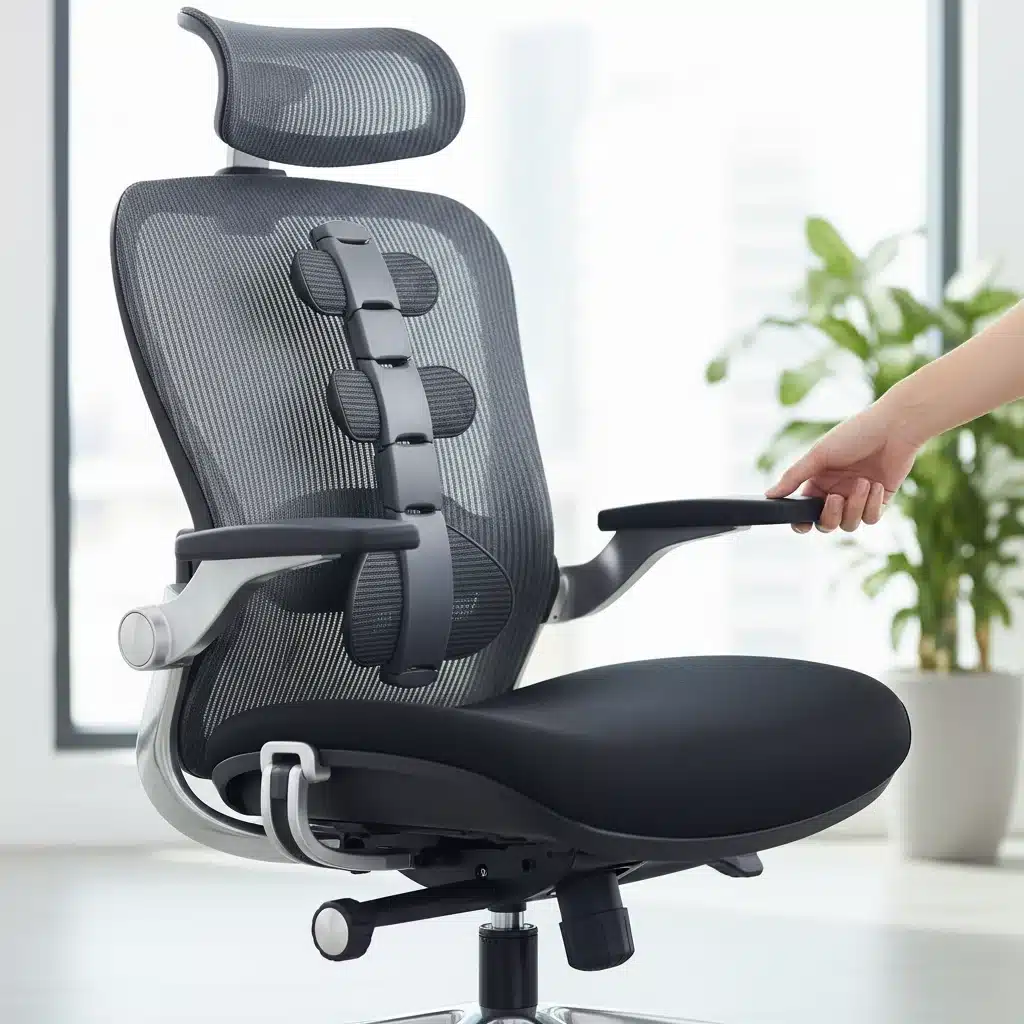
- Chair: Invest in an ergonomic chair that provides excellent lumbar support, adjustable height, armrests, and recline. Your feet should be flat on the floor, and your knees at a 90-degree angle.
- Desk: A height-adjustable standing desk is a game-changer. Alternating between sitting and standing throughout the day can significantly reduce fatigue and improve circulation. If a standing desk isn’t an option, ensure your desk height allows your elbows to be at a 90-degree angle when typing.
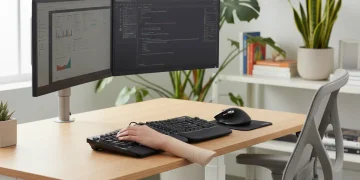
- Monitor: Position your monitor at arm’s length, with the top of the screen at or slightly below eye level. This prevents neck strain. Consider a dual-monitor setup for enhanced multitasking.
- Keyboard and Mouse: Use an ergonomic keyboard and mouse to minimize wrist strain. Keep them close to your body to avoid overreaching.
2. Lighting: The Unsung Hero of Focus
Proper lighting can make or break your productivity. Natural light is always best, so position your desk near a window if possible. Avoid direct glare on your screen. Supplement natural light with good artificial lighting:
- Ambient Lighting: General room lighting that isn’t too harsh.
- Task Lighting: A dedicated desk lamp that illuminates your immediate workspace without causing glare. Dimmable options are a plus.
- Avoid Glare: Position your screen perpendicular to windows to prevent reflections. Use blinds or curtains if necessary.
3. Organization: A Clear Space, A Clear Mind
Clutter is the enemy of focus. A well-organized productive home office minimizes visual distractions and makes it easy to find what you need. Implement smart storage solutions:
- Cable Management: Tame unruly cables with ties, sleeves, or under-desk trays.
- Storage Units: Shelves, drawers, and filing cabinets keep documents and supplies neatly tucked away.
- Digital Organization: Don’t forget digital clutter! Regularly organize your files and desktop to mirror your physical space.
4. Acoustics: The Sound of Silence (or Controlled Sound)
Noise can be a significant productivity killer. Consider acoustic solutions to create a quieter environment:
- Sound-Dampening Materials: Rugs, curtains, and even wall art can absorb sound.
- Noise-Canceling Headphones: An essential tool for blocking out household noise.
- White Noise Machine/Apps: Can help mask distracting sounds and create a consistent auditory backdrop.
2026 Home Office Layouts for Maximum Productivity
The layout of your home office is crucial. It dictates flow, accessibility, and your overall interaction with the space. Here are some of the most effective layouts trending in 2026, designed to create a truly productive home office:
1. The Dedicated Nook: Maximizing Small Spaces
Not everyone has a spare room. The dedicated nook layout focuses on carving out a distinct workspace within a larger room, such as a living room or bedroom. The key is clear demarcation.
- Strategy: Use screens, bookshelves, or even strategically placed furniture to create a visual and psychological boundary.
- Furniture: Compact, multi-functional furniture is key. A wall-mounted desk, floating shelves, and a slim ergonomic chair.
- Tech Integration: Wireless peripherals and minimal cabling to maintain a clean aesthetic.
- Advantages: Ideal for apartments or homes with limited space; creates a focused zone without requiring a full room.
- Considerations: Can be prone to distractions if not properly isolated.
2. The Biophilic Workspace: Connecting with Nature
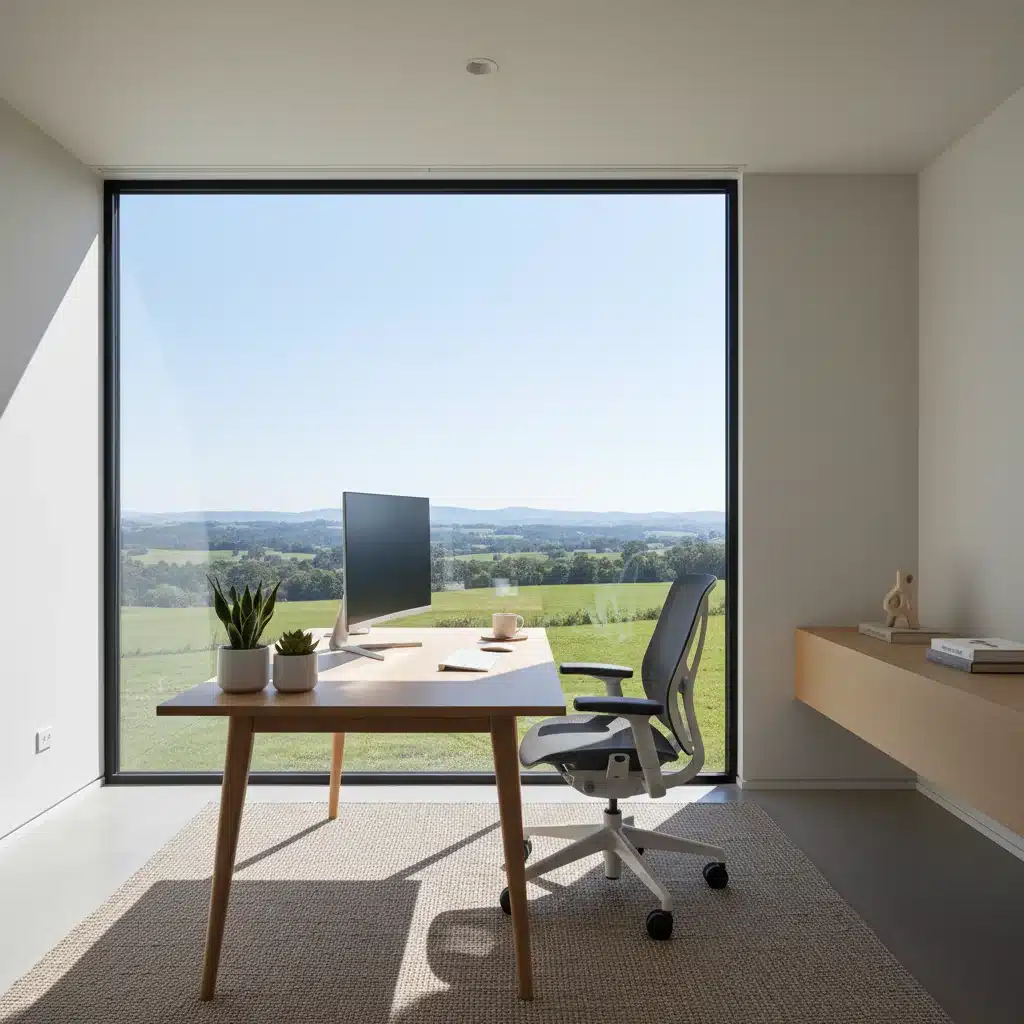
Biophilic design, which incorporates natural elements, is gaining significant traction for its proven benefits in reducing stress and improving cognitive function. This layout is all about bringing the outdoors in to create a soothing and productive home office.
- Strategy: Maximize natural light, incorporate numerous plants, use natural materials (wood, stone) in furniture and decor.
- Furniture: Desks made from reclaimed wood, chairs with breathable natural fabrics.
- Tech Integration: Smart climate control systems that mimic natural breezes; lighting that adjusts to circadian rhythms.
- Advantages: Boosts mood, reduces stress, enhances creativity and focus.
- Considerations: Requires consistent plant care; may not be suitable for those with severe allergies.
3. The Smart Integrated Office: Tech at Your Fingertips
For the tech-savvy professional, the smart integrated office leverages automation and connectivity to create a seamless, highly efficient workspace. This layout is designed to minimize manual tasks and maximize focus on work.
- Strategy: Integrate smart home devices, voice assistants, and automated routines.
- Furniture: Desks with built-in wireless charging, smart lighting systems, motorized sit-stand desks controlled by an app.
- Tech Integration: Smart monitors, automated blinds, voice-controlled climate, integrated sound systems, and AI-powered scheduling assistants.
- Advantages: Unparalleled convenience, enhanced control over the environment, potential for significant time savings.
- Considerations: Initial setup cost can be higher; requires comfort with technology.
4. The Zone-Based Office: Multi-Functional Spaces
This layout is perfect for those who perform various types of work – from intense focus to collaborative calls to creative brainstorming. It divides the home office into distinct functional zones.
- Strategy: Designate specific areas for different tasks. For example, a main desk for focused work, a comfortable armchair for reading/thinking, and a separate standing area for calls or quick tasks.
- Furniture: A primary ergonomic desk and chair, a comfortable secondary seating option, a small high-top table for standing work.
- Tech Integration: Portable devices (laptops, tablets) that can easily transition between zones; wireless charging pads in each zone.
- Advantages: Caters to diverse work styles, prevents monotony, encourages movement.
- Considerations: Requires a larger dedicated space; careful planning to ensure each zone feels distinct yet cohesive.
Essential Ergonomic Tips for a Productive Home Office in 2026
Beyond the layout, specific ergonomic practices are crucial for maintaining health and productivity. These tips are vital for anyone aiming for a truly productive home office.
1. The 20-20-20 Rule for Eye Health
Staring at a screen for hours can lead to eye strain. Every 20 minutes, look at something 20 feet away for at least 20 seconds. This simple rule helps relax your eye muscles and prevents digital eye strain.
2. Regular Movement and Micro-Breaks
Sedentary behavior is detrimental to health. Incorporate movement throughout your day:
- Standing Desk Intervals: If you have one, alternate between sitting and standing every 30-60 minutes.
- Stretch Breaks: Perform simple stretches for your neck, shoulders, wrists, and back every hour.
- Walk Around: Take short walks during calls or breaks to boost circulation.
3. Proper Posture is Non-Negotiable
Even with the best ergonomic chair, poor posture can negate its benefits. Consciously maintain:
- Upright Spine: Sit with your back against the chair’s lumbar support.
- Shoulders Relaxed: Avoid hunching.
- Feet Flat: On the floor or a footrest.
- Wrists Straight: When typing or using the mouse.
4. Optimize Your Screen Setup
Beyond height and distance, consider:
- Blue Light Filters: Use software or glasses to reduce blue light exposure, especially in the evenings.
- Text Size: Ensure text is large enough to read comfortably without squinting.
- Clean Screen: A dusty screen can cause glare and make viewing difficult.
Leveraging Technology for a Hyper-Productive Home Office
Technology continues to advance at a rapid pace, offering incredible tools to enhance your productive home office. In 2026, these are some of the key tech integrations to consider:
1. AI-Powered Productivity Tools
From smart calendars that optimize your schedule to AI writing assistants that streamline content creation, these tools are becoming indispensable for efficiency. Look for:
- Meeting Summarizers: AI tools that transcribe and summarize virtual meetings.
- Project Management AI: Systems that suggest task priorities and flag potential bottlenecks.
- Focus Apps: AI-driven apps that block distractions and manage notifications.
2. Advanced Connectivity Solutions
A reliable and fast internet connection is foundational. But 2026 offers more:
- Wi-Fi 7: For unparalleled speed and lower latency, crucial for video conferencing and cloud-based applications.
- Mesh Wi-Fi Systems: Ensure strong, consistent coverage throughout your home, eliminating dead zones.
- 5G Home Internet: An increasingly viable option for high-speed, reliable connectivity in many areas.
3. Smart Office Devices
Beyond smart desks, consider other devices that automate and simplify:
- Smart Power Strips: Control power to multiple devices, schedule on/off times, and save energy.
- Automated Blinds/Shades: Adjust natural light with a touch or schedule.
- Smart Air Purifiers: Maintain optimal air quality, which directly impacts cognitive function.
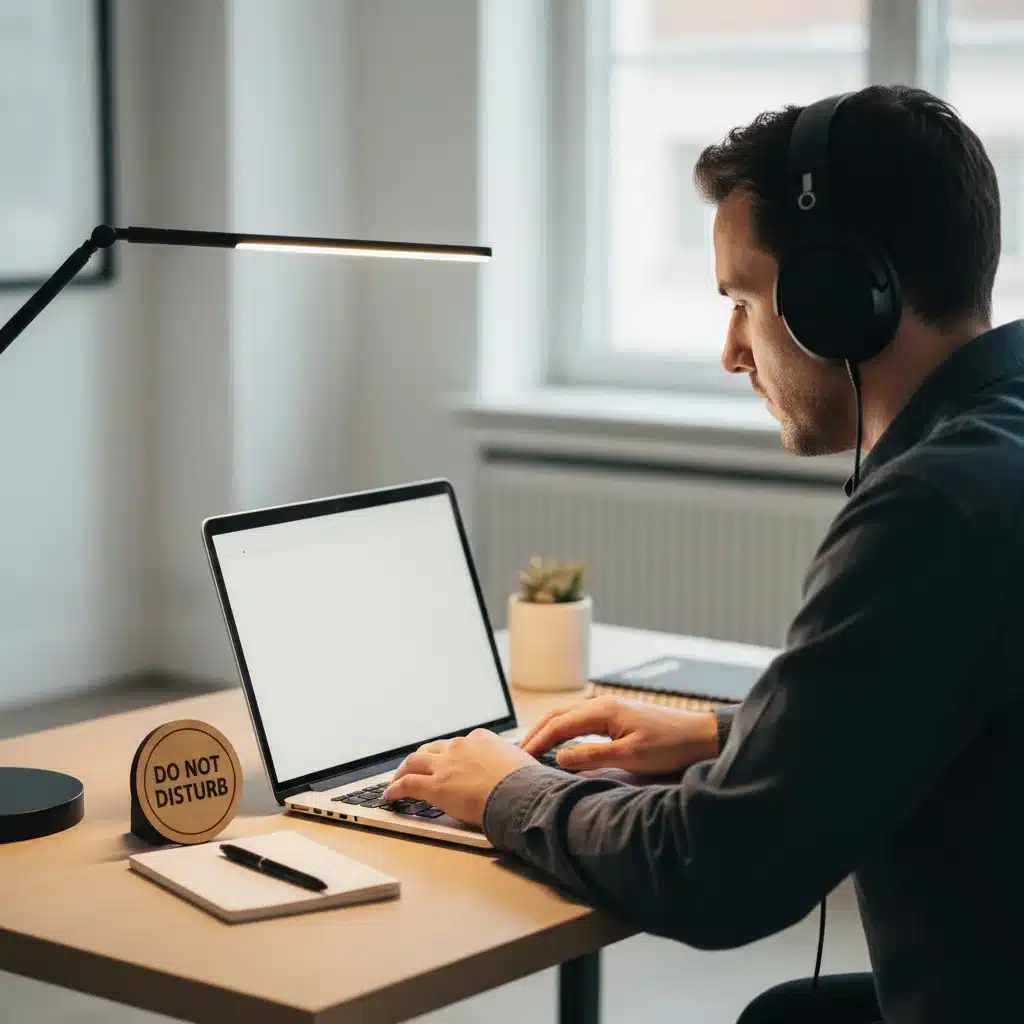
Mental Well-being in Your Productive Home Office
A productive home office isn’t just about physical comfort and technological prowess; it’s also about supporting your mental health. Remote work can blur the lines between personal and professional life, making intentional strategies crucial.
1. Establish Clear Boundaries
Physically and mentally separate your work from your personal life. When you’re in your home office, you’re working. When you leave it, you’re not.
- Designated Workspace: Even a small nook helps signal the start and end of your workday.
- Work Hours: Stick to a consistent schedule as much as possible.
- Commute Alternatives: Simulate a commute by taking a walk before and after work to transition.
2. Personalize Your Space
Your home office should reflect your personality and inspire you. Add elements that bring you joy or calm:
- Decor: Artwork, photos, or personal mementos that aren’t distracting.
- Plants: As mentioned in biophilic design, plants improve air quality and mood.
- Color Scheme: Choose colors that promote focus and calm (e.g., blues, greens, muted tones).
3. Take Regular Breaks and Disconnect
It’s easy to fall into the trap of working longer hours when your office is just steps away. Schedule and take genuine breaks.
- Lunch Away from the Desk: Step away from your workspace to eat.
- Digital Detox: During breaks and after work, avoid checking work emails or messages.
- Hobbies: Engage in non-work related activities to recharge.
4. Maintain Social Connections
Remote work can sometimes lead to isolation. Actively seek out social interaction:
- Virtual Coffee Breaks: Schedule informal video chats with colleagues.
- Community Engagement: Join local clubs or groups outside of work.
Future Trends for the Productive Home Office (Beyond 2026)
As we look beyond 2026, several trends are poised to further shape the concept of a productive home office:
- Augmented Reality (AR) Workspaces: Imagine virtual monitors floating in your physical space, allowing for infinite screen real estate without the physical clutter. AR glasses could project dashboards, notes, and even collaborators directly into your view.
- Personalized Micro-Environments: AI-driven systems will learn your preferences for temperature, humidity, lighting, and even scent, creating a perfectly optimized micro-climate around your workspace.
- Adaptive Furniture: Desks and chairs that automatically adjust to your posture and movement throughout the day, using biometric feedback to prevent discomfort before it even starts.
- Sustainable Design: An even greater emphasis on eco-friendly materials, energy-efficient devices, and circular economy principles in home office furniture and tech.
- Integrated Wellness Pods: Dedicated small structures within larger homes or backyards that serve as fully equipped, soundproof, and environmentally controlled offices, offering complete separation from the main living space.
Conclusion: Building Your Ultimate Productive Home Office for 2026 and Beyond
Creating a truly productive home office in 2026 is an investment in your career, health, and overall well-being. It’s a dynamic process that combines thoughtful design, ergonomic principles, smart technology, and a conscious effort to protect your mental space.
By implementing the layouts and tips discussed – from optimizing your ergonomic setup and lighting to embracing smart tech and prioritizing mental health – you can transform your home workspace into an engine of efficiency and a haven of comfort. Remember, your home office is more than just a place to work; it’s a critical component of your professional success and personal satisfaction in the evolving world of remote work. Start building your ultimate home office today and experience the profound difference it can make.