Budget-Friendly Clothing Care: Extend Garment Life & Save Money

Caring for Your Clothes on a Budget: 5 Tips to Extend Garment Life by 2 Years and Save Money
In a world of fast fashion and ever-changing trends, it’s easy to fall into the trap of constantly buying new clothes. However, this cycle can be expensive, unsustainable, and often unnecessary. What if we told you that with a few simple, budget-friendly strategies, you could significantly extend garment life, making your favorite pieces last two years longer, or even more? Not only will this save you a considerable amount of money, but it will also contribute to a more sustainable lifestyle by reducing textile waste.
The average person buys 60% more clothing items today than they did 15 years ago, yet each garment is kept for half as long. This alarming statistic highlights a critical need for a shift in our approach to clothing. By embracing mindful clothing care, we can break free from this cycle, preserving both our wallets and the planet. This comprehensive guide will delve into five actionable tips that will help you extend garment life, ensuring your wardrobe remains vibrant and functional for years to come.
Understanding the impact of our clothing choices and care routines is the first step towards a more sustainable and economical wardrobe. From proper washing techniques to smart storage solutions, every decision we make can either shorten or extend garment life. Let’s explore how you can become a master of clothing longevity, turning everyday habits into powerful tools for preservation.
1. Master the Art of Washing: The Foundation to Extend Garment Life
Washing is arguably the most critical step in clothing care, yet it’s often done incorrectly, leading to premature wear and tear. Over-washing, using the wrong settings, or incorrect detergents can significantly shorten the lifespan of your clothes. To truly extend garment life, it’s essential to master the art of washing.
Read Care Labels Religiously
Those tiny tags inside your garments aren’t just for decoration; they are a manufacturer’s guide to proper care. Ignoring them is a surefire way to damage your clothes. A "dry clean only" label isn’t merely a suggestion; it’s a warning against water-induced shrinkage or damage to delicate fabrics. "Wash cold" means exactly that, as hot water can cause colors to fade and fabrics to shrink or lose their shape. Take a few moments to understand the symbols and follow the instructions. This simple act alone can dramatically extend garment life.
Separate Clothes Strategically
Separating your laundry isn’t just about whites and colors. While crucial for preventing dye transfer, you should also separate by fabric type and soil level. Delicate items like lace, silk, or cashmere should never be washed with heavy-duty items like jeans or towels, as the friction can cause damage. Similarly, heavily soiled items might require a more robust wash cycle, which could be too harsh for lightly soiled garments. By categorizing your laundry, you ensure each item receives the appropriate level of care, helping to extend garment life.
Choose the Right Water Temperature and Cycle
Cold water is almost always your best friend when it comes to preserving clothes. It’s gentler on fabrics, prevents color fading, and uses less energy, saving you money on utility bills. Reserve hot water for heavily soiled whites or items that need sanitizing, such as bedding or towels. Similarly, select the correct wash cycle. A "delicate" or "hand wash" cycle is perfect for fragile items, while a "normal" or "permanent press" cycle suffices for everyday wear. Over-agitating clothes can lead to stretching, pilling, and premature wear, all of which shorten garment life.
Use the Correct Amount of Detergent
More detergent does not equal cleaner clothes; in fact, it can leave residue, attract dirt, and even stiffen fabrics. Always follow the detergent manufacturer’s recommendations based on your load size and water hardness. Using too much detergent is wasteful and can be counterproductive to your goal of preserving your clothes. Conversely, using too little might not clean effectively, leading to more frequent washes and thus, more wear. Finding the right balance is key to extending garment life.
Consider Hand Washing for Delicates
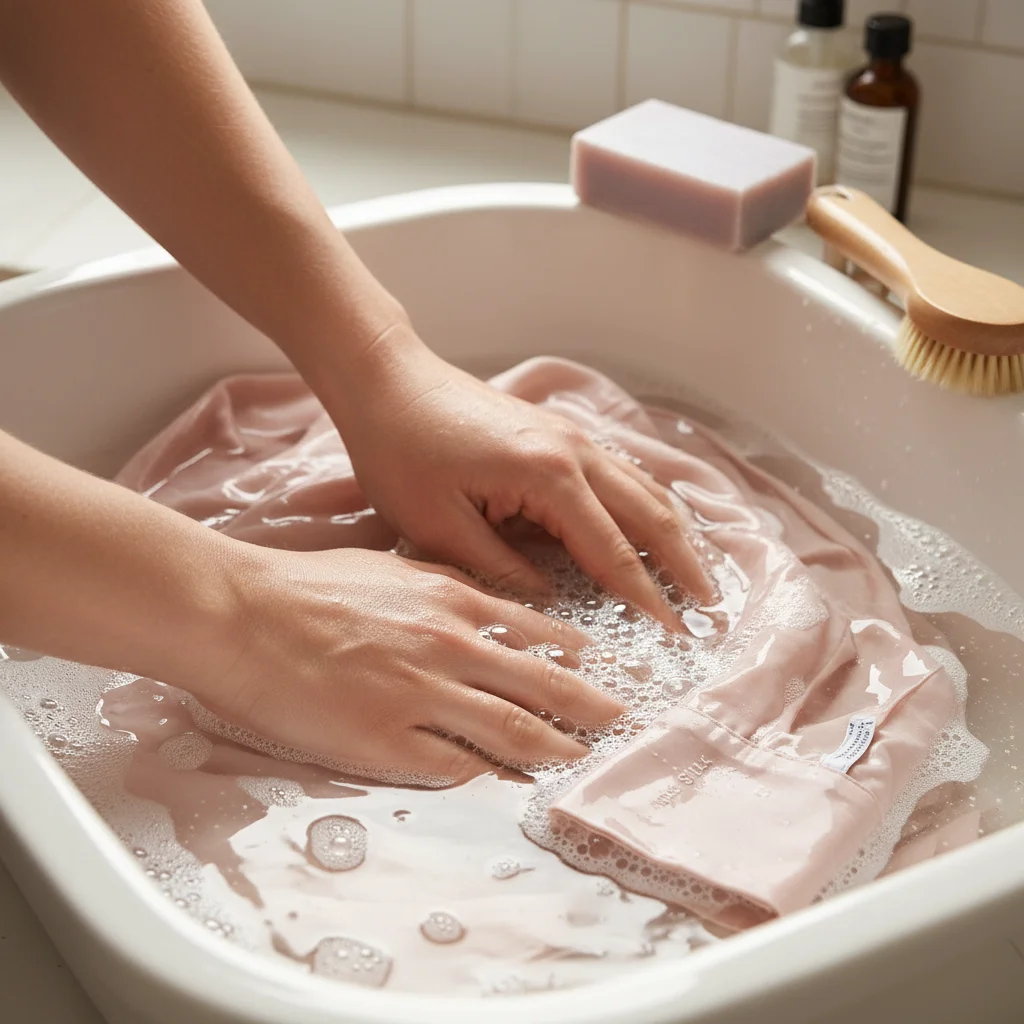
For truly delicate items – think silk blouses, cashmere sweaters, or intricate lingerie – hand washing is often the safest bet. It allows for gentle cleaning without the harsh agitation of a washing machine. Use a mild detergent and lukewarm water, gently swirling the garment rather than scrubbing. Rinse thoroughly and never wring. Laying flat to dry is usually best for these items to maintain their shape. This extra effort can significantly extend garment life for your most cherished pieces.
2. Drying Smart: A Crucial Step to Extend Garment Life
Just like washing, drying can be a make-or-break stage for your clothing. The high heat and tumbling action of a dryer are notorious for causing shrinkage, fading, and fabric damage. Adopting smarter drying habits is paramount if you want to extend garment life.
Air Drying is Your Best Friend
Whenever possible, air drying is the gentlest and most effective way to dry your clothes. It eliminates the risk of heat damage, reduces static, and saves energy. Hang clothes on a line or a drying rack, ensuring they are not bunched up, to allow for even airflow. For sweaters and other knitwear that can stretch out of shape when hung, lay them flat on a clean towel. Air drying not only helps to extend garment life but also leaves clothes smelling naturally fresh.
If Using a Dryer, Go Low and Slow
If air drying isn’t an option, use your dryer wisely. Always opt for the lowest heat setting or "air fluff" cycle. High heat can weaken fibers, cause shrinkage, and set stains. Remove clothes while they are still slightly damp to prevent over-drying and reduce wrinkles, which means less ironing (another damaging process). Using dryer balls can also help reduce drying time and soften fabrics naturally, further contributing to your goal to extend garment life.
Avoid Overloading the Dryer
An overloaded dryer restricts airflow, leading to uneven drying and longer drying times. This increased friction and exposure to heat can damage fabrics. Dry smaller loads to allow clothes to tumble freely, ensuring efficient and gentle drying. This small adjustment can make a big difference in how long your garments last, helping you to extend garment life significantly.
3. Repair and Maintain: Simple Fixes to Extend Garment Life
Many people discard clothes at the first sign of a tear, a loose button, or a fallen hem. However, learning basic repair skills can be incredibly empowering and economical. Simple fixes can dramatically extend garment life, turning perceived "unwearable" items back into wardrobe staples.
Learn Basic Sewing Skills
A needle and thread are powerful tools in the fight against textile waste. Learning how to sew on a button, mend a small tear, or re-hem a pair of pants takes minimal effort but yields significant returns. There are countless online tutorials and beginner-friendly sewing kits available. Investing a little time in learning these skills means you won’t have to prematurely discard items, helping you to extend garment life and save money on replacements.
Address Stains Promptly and Correctly
Stains are often the death knell for garments, but they don’t have to be. The key is to act quickly and use the right treatment. Different stains require different approaches – for example, oil-based stains need a degreaser, while blood stains should be treated with cold water. Research common stain removal techniques and keep a few essential stain removers on hand. Prompt and correct stain treatment can save a garment from being relegated to the "rag pile," thereby helping to extend garment life.
Care for Zippers and Fasteners
Sticky zippers or loose fasteners can render an otherwise perfect garment unwearable. A quick fix for a sticky zipper might be to rub a pencil lead or bar of soap along the teeth. For loose buttons or hooks, a few quick stitches can secure them. Paying attention to these small details ensures the functionality of your clothes, allowing you to continue wearing them and thus extend garment life.
4. Smart Storage Solutions: Protecting Your Investment to Extend Garment Life
How you store your clothes when you’re not wearing them is just as important as how you wash and dry them. Improper storage can lead to wrinkles, stretching, damage from pests, and general wear and tear, all of which shorten garment life.
Use Appropriate Hangers
Not all hangers are created equal. Wire hangers can cause bumps and creases, especially in delicate fabrics, and can even permanently alter the shape of shoulders. Invest in sturdy wooden hangers for coats and jackets, padded hangers for delicate blouses, and velvet-flocked hangers for slippery items. For pants and skirts, use hangers with clips. Using the right hanger prevents stretching and maintains the garment’s original shape, which is crucial to extend garment life.
Fold Knits and Heavy Items
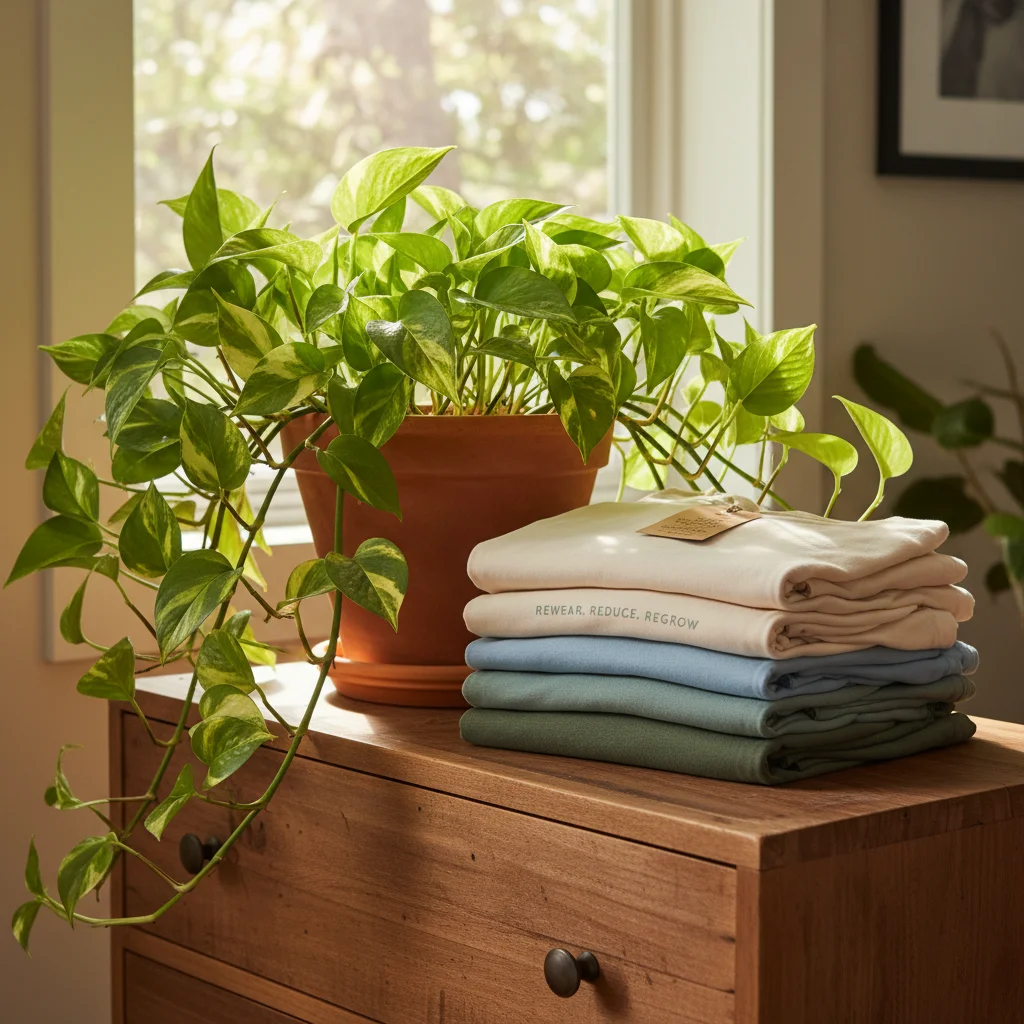
Sweaters, heavy knits, and T-shirts should generally be folded rather than hung. Hanging these items can cause them to stretch out of shape, especially at the shoulders and hem. Folding them neatly in drawers or on shelves preserves their integrity. Ensure they are completely dry before folding to prevent mildew and odors, which can also shorten garment life.
Protect from Pests and Sunlight
Moths and other pests can wreak havoc on natural fibers like wool and silk. Store these items in breathable garment bags or cedar chests, or use natural repellents like cedar blocks or lavender sachets. Avoid storing clothes in direct sunlight, as UV rays can cause colors to fade and fabrics to weaken over time. A cool, dark, and dry environment is ideal for preserving your wardrobe and helping to extend garment life.
Rotate Your Wardrobe
Wearing the same items repeatedly puts more stress on them. By having a varied wardrobe and rotating your clothes, you give each garment a break, allowing fibers to rest and recover. This reduces the frequency of washes and general wear, significantly contributing to your efforts to extend garment life. Consider seasonal rotations, storing off-season clothes properly to make space and reduce clutter.
5. Mindful Shopping and Consumption: The Long-Term Strategy to Extend Garment Life
The journey to extend garment life doesn’t just begin after you’ve purchased an item; it starts before you even buy it. Making conscious choices when shopping is the ultimate long-term strategy for a sustainable and lasting wardrobe.
Invest in Quality Over Quantity
While fast fashion might seem appealing due to its low prices, these items are often made with lower-quality materials and construction, meaning they fall apart quickly. Investing in fewer, higher-quality pieces might seem more expensive upfront, but these items are designed to last. They often look better, feel better, and ultimately save you money in the long run because you won’t need to replace them as frequently. When you buy quality, you are inherently choosing to extend garment life.
Choose Durable Fabrics
Certain fabrics are naturally more durable than others. Look for natural fibers like organic cotton, linen, hemp, and wool, which are known for their strength and longevity. Blends can also offer durability, but be wary of excessive synthetic content in low-quality items. Researching fabric properties can guide you towards choices that will stand the test of time and help you to extend garment life.
Consider Versatility and Timelessness
When shopping, think about how many different ways you can wear an item and whether it aligns with your personal style rather than fleeting trends. Timeless pieces that can be mixed and matched with various outfits will see more use and remain relevant for longer. This approach reduces the need for constant new purchases and ensures that the items you own continue to be valuable assets in your wardrobe, thereby helping to extend garment life.
Shop Secondhand and Upcycle
Embracing secondhand shopping is an excellent way to acquire unique, often high-quality items at a fraction of the cost. Thrift stores, consignment shops, and online marketplaces are treasure troves for pre-loved garments. Furthermore, if an item has a minor flaw but otherwise fits well, consider upcycling or altering it. A simple alteration can transform an ill-fitting piece into a perfect fit, or a creative upcycle can give an old garment a new lease of life. This not only helps you to extend garment life but also reduces demand for new production.
The Economic and Environmental Benefits of Extending Garment Life
Beyond the personal satisfaction of maintaining a beautiful wardrobe, the act of extending garment life carries significant economic and environmental benefits. Financially, by making your clothes last longer, you drastically reduce your spending on new apparel. Imagine saving hundreds, if not thousands, of dollars each year by simply taking better care of what you already own. This freed-up capital can be directed towards other financial goals, investments, or experiences.
Environmentally, the impact is even more profound. The fashion industry is one of the largest polluters globally, contributing to water pollution, excessive water consumption, chemical use, and greenhouse gas emissions. By extending the life of your clothes, you directly reduce the demand for new production, which in turn lessens the environmental footprint of fashion. Every year an item’s life is extended, its environmental impact is reduced by a significant percentage. This means less landfill waste, fewer resources consumed, and a smaller carbon footprint. Embracing these clothing care tips is not just about saving money; it’s about being a responsible global citizen.
Conclusion: Your Wardrobe, Reimagined
Extending the life of your garments by two years or more is not an unattainable goal; it’s a practical, budget-friendly, and environmentally responsible choice. By mastering proper washing techniques, drying smartly, embracing simple repairs, utilizing intelligent storage, and adopting mindful shopping habits, you can transform your relationship with your clothes. Each tip, when implemented consistently, works synergistically to preserve the quality, appearance, and functionality of your wardrobe. You’ll not only save money and reduce your environmental impact but also cultivate a more intentional and appreciative approach to fashion. Start today, and watch your favorite pieces not just survive, but thrive, for many years to come.